

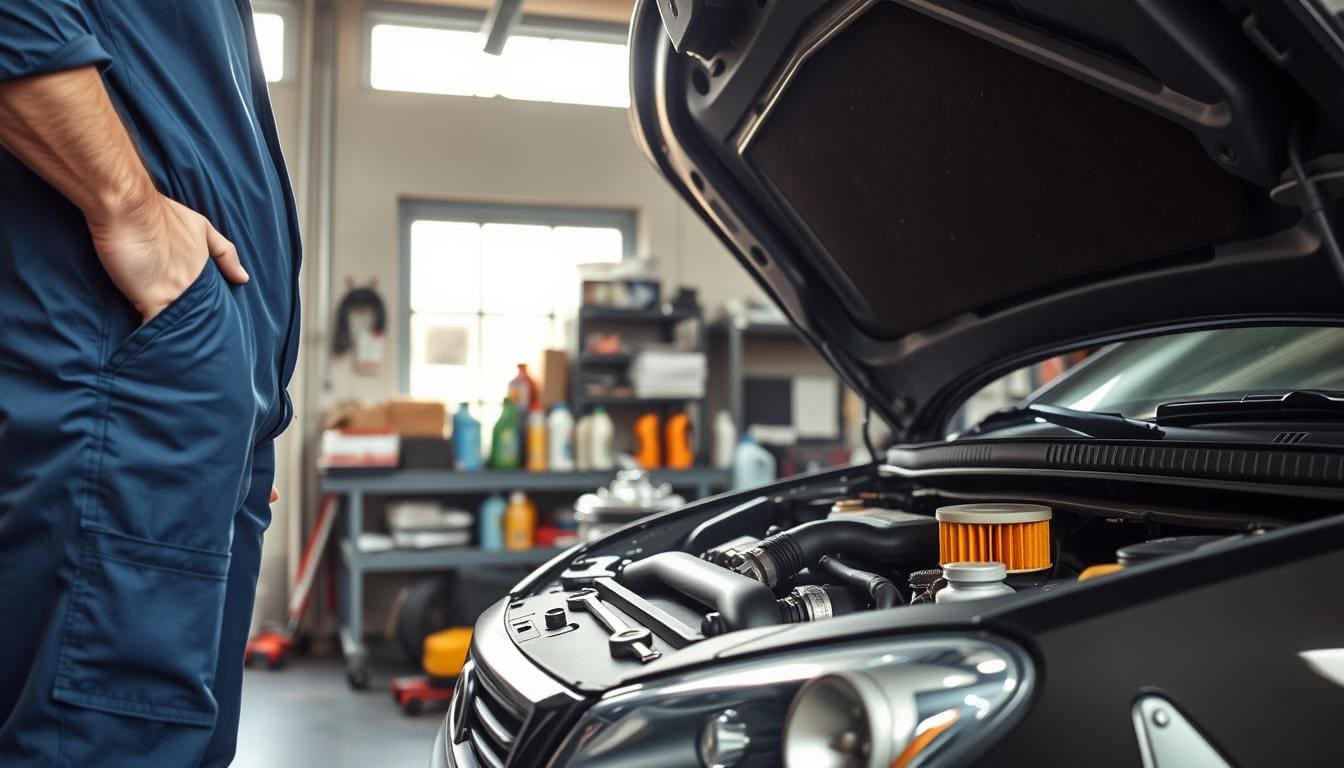
Keeping your vehicle dependable starts with simple, steady care you can do today. John Ibbotson, chief mechanic at Consumer Reports, says the best way to keep your ride running is to follow the factory-recommended schedule.
Monitor engine oil, transmission fluid, and brake fluid so small issues don’t become big repairs. Replace the air filter and spark plugs on time to help the engine breathe and improve fuel performance.
Investing a little time now by fixing minor leaks and worn parts saves money over years. Check tires and test the battery regularly so your vehicle stays ready for the road regardless of miles driven.
Be proactive: follow the service schedule, inspect seals and brakes, and address wear before it forces a tow. This approach keeps your commute calm and your repairs manageable.
Key Takeaways
- Follow the factory service schedule to extend life and reliability.
- Keep fluids topped and check for leaks to protect engine and transmission.
- Replace air filter and spark plugs on time for better fuel use.
- Monitor tires and battery to avoid roadside surprises.
- Address worn parts early to prevent costly repairs down the road.
Understanding High Mileage Vehicle Care
When your odometer reaches roughly 150,000 to 200,000 miles, your approach to care should shift. This range now often marks the stage where parts and systems need closer attention after years on the road.
Watch for early signs such as clunking in the suspension, visible fluid leaks, or odd engine noises. Catching these signals early reduces the chance of major repairs and keeps your trips safer.
Regular service intervals for oil and transmission fluid are crucial to push a vehicle beyond 200,000 miles. Track service history so you know which parts are due for replacement and when.
- Prioritize oil and transmission checks to protect the engine and transmission systems.
- Inspect tires and brakes often to maintain safe stopping and grip.
- Keep the fuel and cooling systems clean to prevent common long‑term failures.
- Address small problems quickly to avoid costly repairs later.
For a deeper look at common engine issues in older vehicles, see common engine problems. Consistent attention will help your high mileage car remain a reliable daily driver for years to come.
Establishing a Baseline for Your Vehicle
A clear baseline helps you spot changes early. Create a dated log that notes fluid color and level, any obvious leaks, brake pad thickness, and battery voltage. This snapshot becomes your reference for future checks.
Documenting Service History
Track every service
Record the date, miles, and work done whenever you change oil or replace parts. A tidy history shows when the transmission fluid, fuel system, or battery was last serviced.
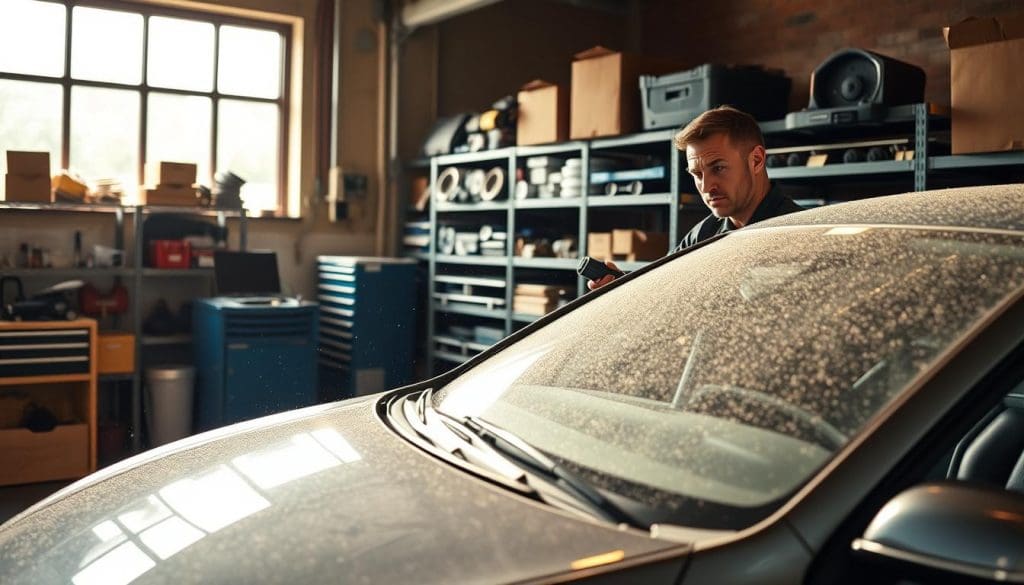
Performing a Comprehensive Inspection
Inspect key systems
- Check suspension, tires, and brakes for wear or damage.
- Look for oil leaks around the engine and test transmission fluid clarity.
- Measure battery health and note any slow electrical responses.
- Schedule a full inspection about every 10,000 miles or as your service schedule suggests.
Keeping a consistent log makes planning repairs easier and adds value when you sell. Over years, this disciplined care protects the engine, reduces surprises, and helps your vehicle run dependably.
Essential High Mileage Car Maintenance Strategies
Stick to the manufacturer’s service intervals and you’ll extend the life of major systems like the engine and transmission.
Consistent oil changes and fluid checks protect internal parts and cut the chance of big repairs. Do these jobs on schedule and track when each service happened.
Prioritize safety items. Inspect suspension and tires often. Replace worn components that affect braking or handling right away.
Save money by doing simple checks yourself: monitor fluid levels, look for leaks, and check tire pressure. These tasks take a few minutes but prevent trouble later.
- Follow manufacturer intervals for engine and transmission service.
- Make a long-term plan to budget for parts and repairs over years.
- Stay proactive—regular service often avoids major overhauls.
Professional mechanics agree: proactive care is the best way to keep your vehicle reliable and cost-effective for many miles.
Managing Fluids and Filters for Longevity
Consistent attention to fluids and filters pays off. You protect key systems and cut the risk of costly repairs by checking levels and swapping worn parts on schedule.
Engine Oil and Filter Best Practices
Use the viscosity your manufacturer specifies and choose synthetic oil when recommended. Change the engine oil and filter at the suggested interval or sooner if you drive in extreme conditions.
Transmission and Coolant Care
Make sure you use the exact transmission fluid and coolant formula listed for your model. Flushing the transmission fluid and replacing coolant on schedule helps prevent corrosion and slipping.
Air and Fuel Filter Replacement
Swap the air filter and fuel filter regularly so the engine breathes and fuel delivery stays clean. Also inspect belts and seals for leaks and replace spark plugs and the battery as they age.
- Oil and filter changes are the most common service to keep your car running for many miles.
- Check brake fluid and other essential fluids to prevent wear and corrosion.
- Drive conditions may require more frequent fluid and filter changes.
Addressing Suspension and Braking Systems
Check suspension and braking systems often to keep handling tight and stopping reliable. A short inspection prevents small issues from becoming safety problems.
Identifying signs of wear
If you feel vibrations when braking or hear clunking over bumps, those are clear signs to act. Worn struts and shocks cause tire cupping and poor alignment, which leads to uneven tires.
- Vibrations under braking or pulsing pedals.
- Vehicle pulls to one side while driving.
- Clunking sounds over bumps or excess body roll.
Replace worn suspension components like struts and shocks to restore ride quality and protect tires. Schedule a professional brake inspection every 10,000 miles so pads and rotors stay in good condition.
Also check the battery and electrical components because stability and brake-assist systems depend on them. For more on early warning signs your brakes need immediate attention, follow the linked guide.
Proactive service keeps your car safe and responsive for daily use and long trips.
Protecting the Engine and Transmission
Your engine and transmission reward steady attention more than sporadic, major repairs. Small checks and timely service keep internal parts working together and reduce the chance of expensive failures.
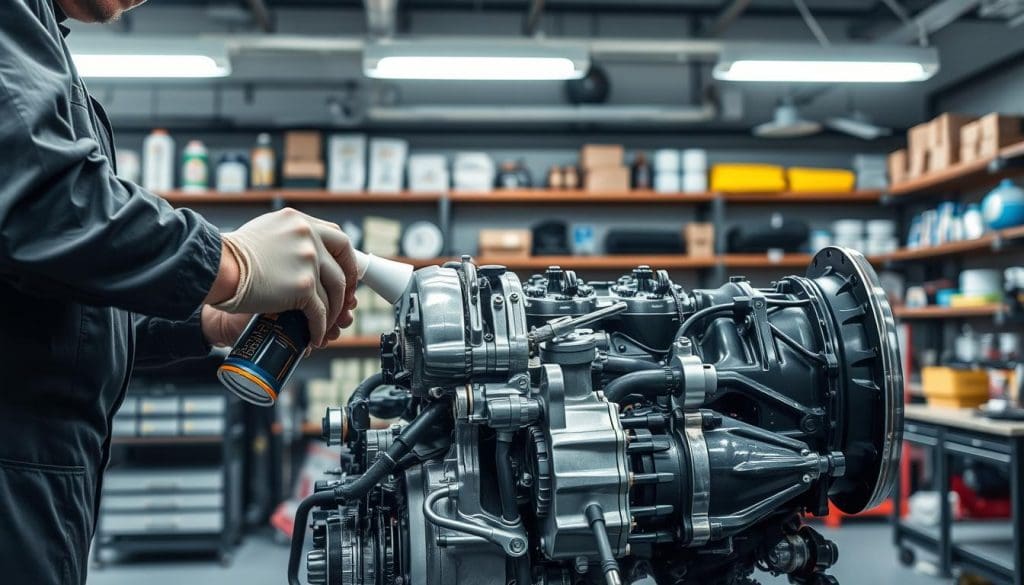
Watch fluids and seals closely. Inspect for oil leaks and check that transmission fluid looks clean and smells normal. Dirty or burnt fluid signals trouble and wears internal components faster.
- Use the correct oil and transmission fluid to protect seals and prevent leaks.
- Schedule regular fuel-system and engine service to avoid clogging and costly repairs.
- Avoid long idles and drive gently until the engine reaches operating temperature to reduce drivetrain stress.
- If you notice slipping or rough shifts, have the transmission inspected promptly to prevent total failure.
Balance is key: keeping the engine and transmission in sync with routine service preserves miles and saves you money over time. Treat these systems as a pair and act at the first sign of leaks or strange shifts.
Seasonal and Preventive Inspection Tips
Routine seasonal inspections protect critical systems when temperatures push components to their limits. Take a few focused steps before summer heat or winter cold to reduce wear and avoid breakdowns.
Preparing for Extreme Temperatures
Before summer, verify your coolant mix and test the AC so the engine and interior stay cool on long trips.
Before winter, test the battery and check tire tread depth. Cold weather increases demand on the battery and reduces traction.
Also inspect belts, filters, and spark plugs on your schedule to prevent failures when you need the vehicle most.
Monitoring Electrical Components
Electrical faults often show as dim lights, slow starters, or odd dashboard alerts. Check battery connections and alternator output. Swap a weak battery before it leaves you stranded.
- Check engine oil, transmission fluid, and brake fluid levels before hot or cold seasons.
- Inspect suspension and brakes for wear to stay safe in rain or snow.
- Test the fuel system and key electrical components after extreme weather events.
Consistent care throughout the year keeps your vehicle reliable for more miles and reduces the chance of surprise repairs.
Conclusion
Simple habits today prevent major breakdowns years from now.
Maintaining a high mileage car is a rewarding way to save money and keep your vehicle running for many years. Follow the service tips in this guide and your car will stay a reliable daily driver for your family.
If you face collision damage, hire Miracle Body and Paint Collision Center to restore your vehicle. They serve San Antonio with two locations: Leon Valley at 6217 Grissom Rd (North West) and North East at 4650 Walzem Rd.
Call (210) 680-1987 or (210) 858-3630 to schedule repairs today. Proactive care and professional repairs protect your investment and extend the life of your cars.