

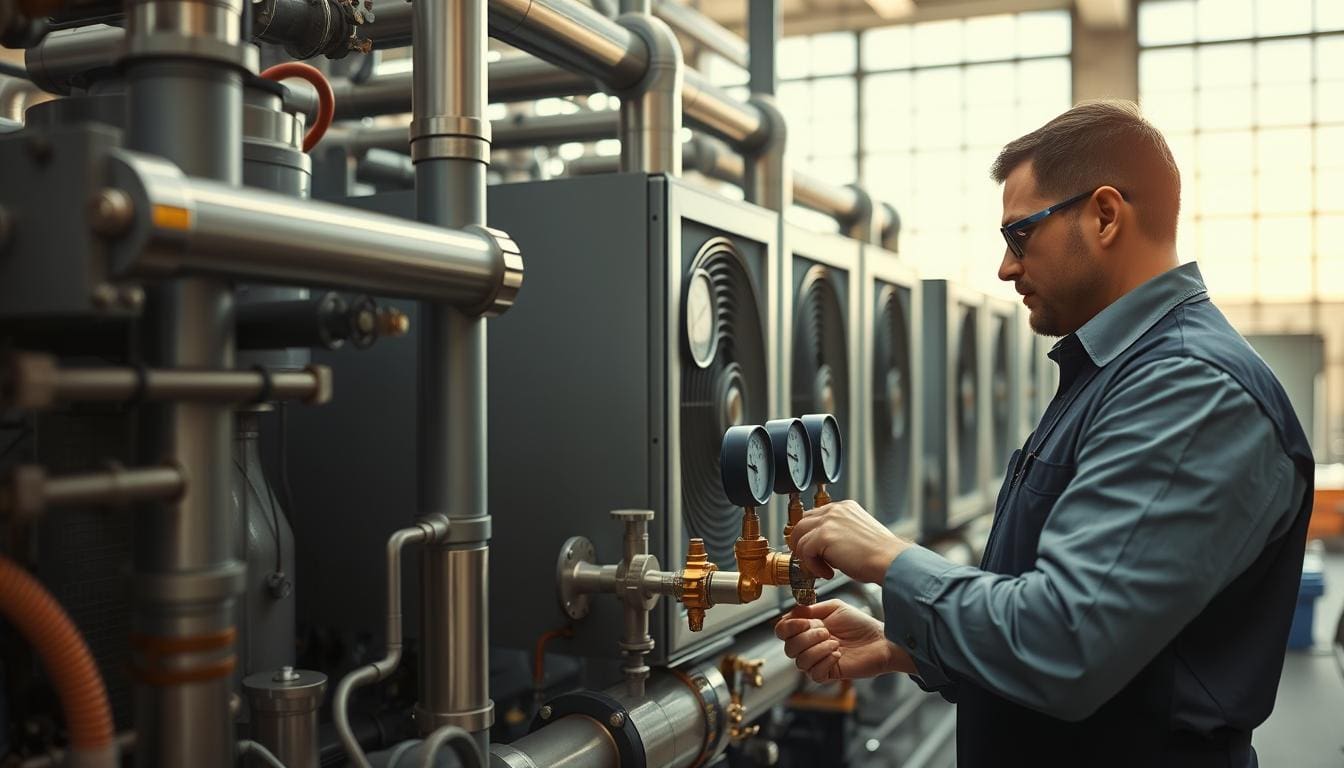
At Heaven Automotive, we focus on preventive care that keeps your car on the road. Our cooling system service aims to stop overheating and poor circulation before they lead to costly failures.
Every vehicle relies on a balanced cooling system to manage engine heat. When coolant degrades or deposits form, flow drops and temperature control falters.
We explain what matters: why the radiator, coolant condition, pressure integrity, and component health all affect performance. We follow manufacturer-aligned procedures, not a one-size-fits-all checklist.
Real drivers want reliability. Routine checks reduce roadside stops and protect the engine from expensive damage. If you suspect a problem, we invite you to schedule repair or routine work with us today.
Key Takeaways
- Preventive maintenance stops overheating and reduces breakdown risk.
- Coolant condition and radiator health are critical to performance.
- We follow manufacturer procedures tailored to each vehicle.
- Routine checks protect your engine and avoid roadside failures.
- Contact Heaven Automotive to inspect or repair your car promptly.
Why Your Vehicle Cooling System Matters for Preventing Breakdowns
A healthy heat-management loop keeps your engine within safe limits during daily driving. It moves heat away from hot parts using a controlled flow of coolant through passages and the radiator.
How temperature is controlled
How the system controls engine temperature
We circulate the fluid so heat transfers from metal surfaces into the radiator, where air lowers the temperature. Proper pressure and the right coolant mix raise the boiling point and help resist overheating under normal U.S. driving conditions.
What happens when heat transfer and circulation are compromised
Even slight buildup on heat-transfer surfaces or restricted water paths cuts flow. Drivers see wider temperature swings, higher gauge readings, and increased risk of overheating during idling, traffic, or hot weather.
- Circulation depends on several components working together: radiator, water flow paths, thermostat, and pump.
- Small restrictions or degraded coolant can escalate from a minor fault to a roadside breakdown.
“Preventing breakdowns starts with keeping the cooling loop healthy before warning signs become major failures.”
What a Cooling System Service Includes at Heaven Automotive
Our approach uses OEM-guided procedures so each vehicle gets the proper fluid exchange and checks. We tailor the work to the make and model instead of using a one-size-fits-all flush.
We perform a controlled drain-and-fill or a measured exchange to remove old coolant and contaminants. Then we refill with the correct fluid mix to match factory specs.
- Full pressure test and radiator cap check to confirm proper pressure hold and heat range.
- Comprehensive leak detection for external seepage and low-level loss that can cause overheating.
- Component inspection of hoses, clamps, belts, thermostat, water pump, pump seals, and fan operation.
| Check | What We Look For | Why It Matters |
|---|---|---|
| Coolant & Fluid | Contamination, correct mix, proper volume | Prevents corrosion and restores heat transfer |
| Pressure & Cap | Holds rated psi, cap integrity | Maintains boiling point and circulation |
| Hoses & Belts | Swelling, cracking, wear | Averts sudden failures and leaks |
| Pump & Thermostat | Noise, seal seepage, correct operation | Ensures flow and timely temperature control |
Our technicians complete disposal of spent coolant in line with environmental rules. This preventive system service restores performance and lowers the risk of a roadside breakdown. Contact us to schedule an inspection and let Heaven Automotive handle the work.
Warning Signs You May Need Cooling System Repair or Service Now
Watch your dash and engine bay for early signals; small signs often precede major failures. These are things drivers can spot without tools. If you see any of them, pull over safely and schedule inspection.
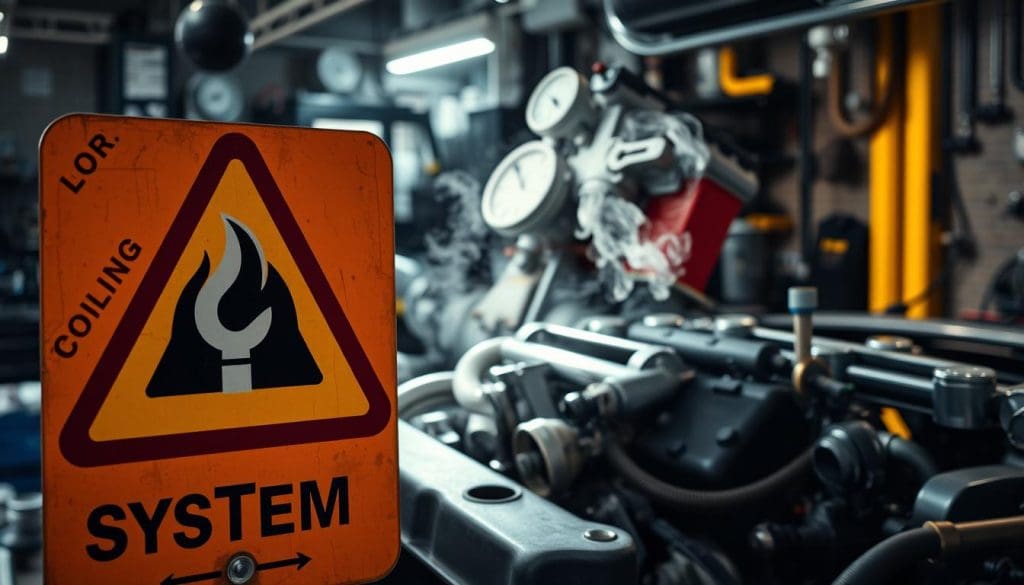
Temperature warning light, high gauge readings, and fluctuating temperature
If the temperature light comes on or the gauge jumps, pressure or flow may be failing. Fluctuating temperature often means the thermostat or pump is not keeping the engine in range.
Steam or smoke from the engine bay and overheating symptoms
Steam, white exhaust smoke, or visible heat means the car is overheating. Stop driving immediately to avoid engine overheating and costly damage.
Coolant leaks, low reservoir level, and sweet odor under the hood
Puddles, a low reservoir, or a sweet, maple-like smell point to a coolant leak. Leaks let the radiator and passages lose fluid and pressure, raising failure risk.
Poor heater performance and other circulation-related symptoms
A weak heater blast or inconsistent cabin heat can signal trapped air, low coolant, or restricted flow. Left unchecked, circulation faults can lead to repair work that grows more costly.
- Next steps: If you spot these signs, contact us at Heaven Automotive for diagnosis and prompt repair.
How Often We Recommend Scheduling Cooling System Service
We follow the owner manual first. The best interval for your vehicle depends on coolant type, materials, and factory guidance. Your owner’s documents tell us the proper time and mileage for checks.
- Many cars suggest a coolant flush every 30,000 miles.
- Some vehicles use long-life formulation and list 3–5 years or up to 100,000 miles.
- We always confirm the interval in the owner manual before recommending work.
Time matters as much as miles. Additives break down even when a car sits. That means age can reduce protection and lead to corrosion or deposits.
Shortened intervals occur with frequent towing, stop-and-go traffic, long idling, or extreme summer heat and winter cold in the United States. These driving conditions push a car to need attention sooner.
When a schedule calls for a coolant flush, we evaluate whether a controlled exchange or a different procedure fits the vehicle. If you notice overheating, leaks, or odd temperature swings, bring the car in sooner. We’ll confirm the right interval and perform the system service to factory specs.
What Old Coolant Does Over Time: Corrosion, Rust, and Sludge Buildup
Left unchecked, old coolant turns from a protector into an attacker inside your engine.
Chemistry changes as fluid ages. Protective additives fade, and the mix can become acidic. That shift speeds up corrosion and lets rust form on metal parts.
Where corrosion does the most harm
Corrosion and rust attack common failure points: the radiator, the water pump, and the thermostat housing. Internal passages also pit and narrow, reducing flow.
How deposits cut heat transfer and flow
Mineral deposits, sludge, and debris cling to heat-transfer surfaces. That buildup lowers the radiator’s effectiveness and raises operating temperature under load.
Driver-facing symptoms and prevention
Sludge and contamination show up as inconsistent temperature, weak cabin heat, or higher overheating risk. We recommend regular checks to prevent this damage rather than waiting for a breakdown.
- Key point: replacing old coolant stops corrosion and rust before parts fail.
How Cooling System Maintenance Prevents Engine Overheating and Engine Damage
A small loss of heat transfer can begin a chain reaction that ends in major engine repairs.
We keep coolant chemistry, flow, and heat exchange within spec so the engine runs at stable temperatures. Proper fluid condition and a healthy radiator reduce the chance of overheating during long drives, heavy loads, or traffic stops.
Breakdown scenarios we aim to prevent
Water pump failure often follows corrosion, contamination, or clogged passages. A failing pump cuts circulation and raises temperatures quickly.
Blown head gaskets come from chronic overheating. Repeated thermal stress separates sealing surfaces and lets coolant and oil mix, leading to rapid engine damage.
| Failure | Cause | Likely outcome |
|---|---|---|
| Water pump | Corrosion, seal wear, blockages | Loss of flow, higher temps, possible tow |
| Head gasket | Chronic overheating, warped heads | Coolant/oil cross contamination, engine repairs |
| Warped cylinder head | Excessive temperature spikes | Costly machining or replacement |
The choice is simple: maintenance now usually saves time and money versus major repairs later. We inspect, diagnose, and catch early warning signs before a tow-truck event.
Cooling System Flush vs. Coolant Exchange: What We Do and Why It’s Safer
We favor methods that protect components and match factory guidance. A full equipment-driven flush can remove debris, but it can also dislodge corrosion or expose seals to sudden chemical shifts. For many modern cars, a controlled drain-and-fill or measured exchange restores the right fluid mix without stressing parts.
Drain-and-fill or controlled exchange to match factory specs
Our default is a drain-and-fill or an equipment exchange tuned to manufacturer specs. This approach replaces worn-out coolant and restores correct fluid chemistry while minimizing risk to pumps and gaskets.
When a system flush may be recommended after inspection
After inspection, we may recommend a more aggressive system flush if heavy contamination, rust, or sludge is found. That targeted flush helps clear debris that a simple exchange cannot remove.
| Method | What it removes | When we use it |
|---|---|---|
| Drain-and-fill | Majority of old fluid, partial contaminants | Routine maintenance per factory interval |
| Controlled exchange | Most spent coolant, restored chemistry | Vehicles with OEM guidance for measured exchange |
| Equipment-based flush | Stubborn rust, sludge, heavy debris | After inspection shows severe contamination |
- Goal: clean pathways, correct mixture, and reliable heat transfer through the radiator for your car’s real-world driving.
Common Cooling System Repairs We Handle Alongside Service
When we inspect fluid condition, hidden faults often show up as worn parts or leaks. That means preventive work and repairs frequently go hand in hand. We diagnose faults and explain options before any work begins.
Radiator, leak repair, and hose replacement
We handle radiator repair for visible seepage, pressure loss, or damaged tanks and fittings. Minor cracks or corroded sections can require patching or full radiator replacement.
Hose replacement is common. Hoses can soften, crack, or collapse and then restrict flow. Replacing worn hoses prevents repeat leaks and keeps the car running normally.
Thermostat, water pump, belts, and cap work
We replace the thermostat when temperature regulation is inconsistent. We also change the water pump if bearings, seals, or the impeller show wear.
Belts are critical. Worn or loose belts reduce pump operation and can lead to breakdowns. We check belt condition and tension and replace them when needed.
Transparent repair services: we provide clear recommendations, cost estimates, and obtain approval before performing repairs. Our goal is to restore dependable operation and reduce the chance of repeat overheating or engine damage.
Why Choose Heaven Automotive for Cooling System Service and Repair Services
We start every visit with a clear inspection so you only get the repairs your vehicle truly needs.
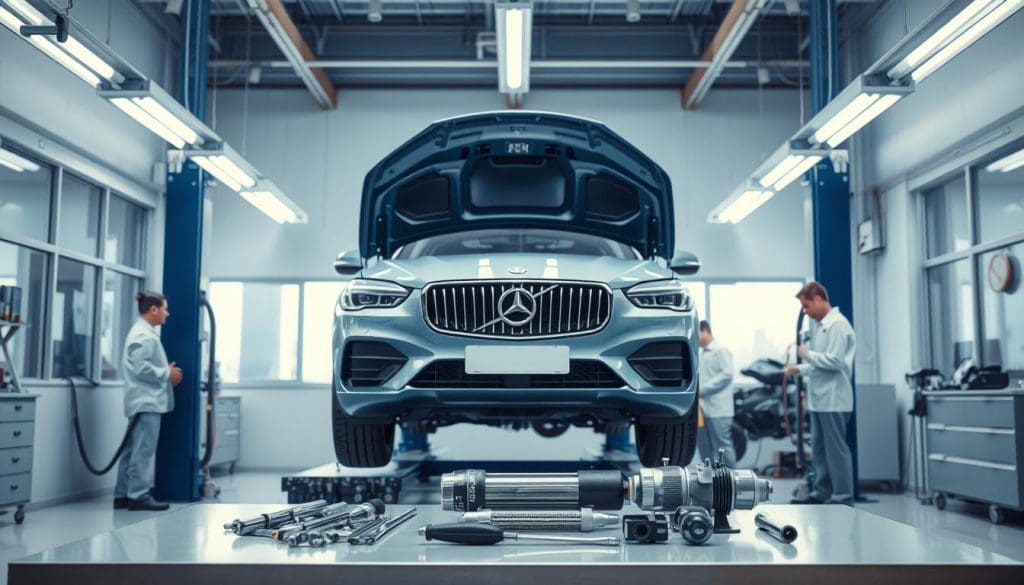
Technician inspection process and clear recommendations
Our technicians perform a step-by-step inspection: pressure testing, cap check, and leak detection.
We document findings and explain options before any repair begins.
Protecting your engine investment
Preventive work reduces the chance of unplanned and costly repairs.
Keeping the radiator, pump, and coolant in good shape prevents overheating and extends engine life.
Quality fluids and the right equipment
We use OEM-grade fluids and calibrated tools, not quick top-offs.
That approach restores vehicle cooling performance and avoids repeat visits to the shop.
| Step | What We Do | Customer Benefit |
|---|---|---|
| Inspection | Pressure test, cap check, visual leaks | Accurate diagnosis before repairs |
| Recommendation | Clear repair options and cost estimate | Informed decisions, no surprises |
| Repair & Fluid | Quality parts, correct coolant, correct procedures | Reliable operation and fewer breakdowns |
Choose Heaven Automotive to save time, reduce repair risk, and keep your vehicle dependable year-round.
Conclusion
A reliable radiator and good coolant condition are the first defense against unexpected engine trouble.
Maintaining the cooling system protects the engine, keeps temperature control steady, and lowers the chance of overheating-related breakdowns.
Coolant quality, radiator efficiency, and overall system integrity must work together. Neglecting one part can undermine the whole loop and lead to costly repairs.
If you notice temperature swings, leaks, weak heat, or steam, act now. Early symptoms are reasons to schedule inspection rather than risk serious engine damage.
Hire Heaven Automotive to inspect, service, and repair your vehicle. We’ll restore reliability so your car stays protected and ready for the road.