


We believe steady upkeep is the best path to dependable ownership. Routine maintenance makes it easier to reach high mileage without unexpected bills. Consumer Reports calls this idea “pay now or pay more later.” That mindset helps us budget for repairs and avoid sudden breakdowns.
In this guide we explain what long term car care means in daily life and why small checks add up to big savings over years and miles. We will show practical inspections, simple habits, and service planning that boost reliability.
Heaven Automotive is our trusted partner for planning and service support. We tell you when DIY checks work and when a professional inspection gives peace of mind. Follow our steps to protect major systems, reduce surprise bills, and keep your vehicle dependable.
Key Takeaways
- Routine maintenance prevents costly failures and extends life.
- Simple checks and service planning reduce unexpected repairs.
- Use the owner’s manual and inspection cues to choose services.
- Heaven Automotive offers professional support when needed.
- Consistent habits protect safety and control ownership costs.
Why routine maintenance matters for reliability and cost control
Routine checks stop small problems from becoming expensive failures over years of ownership. We follow a simple rule: pay now or pay more later. Consumer Reports frames this as budgeting to avoid disruptive, large service bills.
What that looks like in practice:
- Consistent starting, steady engine temperature, predictable braking, and even tire wear.
- Fewer unplanned repairs and less chance of multi-part failures caused by neglected items.
- Clear records that protect resale value and warranty support.
Neglect often turns one fault into multiple damaged parts. For example, overheating can harm gaskets, hoses, and the cooling system — a cascade that costs far more than scheduled maintenance.
We recommend a simple plan: schedule predictable service by miles and time, document every visit, and use a trusted shop to prioritize work. Heaven Automotive helps us decide which services to do first so we avoid major repairs on the road.
Build a long-term plan around your owner’s manual and driving conditions
We build a maintenance roadmap that starts with the owner manual and adapts to how you actually drive. The factory schedule is the engineered baseline for fluids, inspections, and intervals. Following it protects warranty coverage and gives us a predictable plan for years of ownership.
How to use factory service intervals without overpaying
Use the owner manual as your checklist, not a shopping list. Focus service on what the manufacturer requires at a given mileage and time. That prevents unnecessary add-ons that raise costs.
At the same time, skipping items that “feel fine” can erode control over wear and cause bigger repairs later.
Adjust schedules for traffic, climate, and road salt
Severe conditions — stop-and-go driving, short trips, towing, extreme heat or cold, and road salt — speed up fluid breakdown and wear on tires and brakes. When driving is harsher than average, we shorten intervals from the manual rather than ignore them.
“Follow the owner manual for fluids and intervals, then adapt service to real-world use.”
- Keep a single calendar tied to miles and time so nothing slips across seasons.
- Bring questions and your owner manual to Heaven Automotive; we will align service to factory intervals and your driving reality.
Long term car care basics we recommend starting with
Good routines begin with reminders, a budget, and organized records. These three steps make maintenance predictable and reduce surprise repairs over years of ownership.
Setting reminders by time and miles to avoid missed maintenance
We build a reminder system that tracks both time and miles because missed intervals are a top reason vehicles lose reliability. Use phone alerts and the owner manual as your baseline.
Set reminders for oil, tire rotation, filters, and scheduled inspections so upkeep becomes automatic rather than reactive.
Creating a realistic budget line for maintenance and repairs
We follow Consumer Reports advice: treat maintenance like a household expense. Save a small monthly amount so routine service and unexpected repairs don’t hit all at once.
Budgeting also helps us decide whether a repair makes sense compared to the vehicle’s age and goals.
Keeping service records to protect resale value and warranty support
Car and Driver stresses that detailed records boost resale and help with warranty questions. Record dates, mileage, parts, fluids, and shop contact details.
- Keep a paper or digital folder and photograph receipts.
- Ask Heaven Automotive for clear invoices so service history is consistent and verifiable.
Finally, make a habit to check car logs monthly so nothing slips. Doing this keeps car care simple and effective.
Engine oil and oil changes that protect your engine over time
Protecting the engine begins with regular oil checks and correct specifications. Engine oil is the primary shield for moving parts. Consistent oil changes reduce wear and prevent costly damage.
Checking oil level correctly with a dipstick or display
Use the dipstick: wipe it clean, reinsert fully, then read the level against the marks. If your vehicle uses a digital display, follow the owner manual for the exact sequence.
Choosing the right oil type and viscosity
Match the oil weight on the under-hood label or the manual. Close enough is not safe—wrong viscosity can raise wear on internal parts.
When to change oil by miles or one year
Follow the mileage interval when you drive regularly. If you log few miles, schedule an oil change at the one-year mark because oil degrades over months.
Warning signs that need fast attention
- Dark, gritty oil or visible metal particles.
- Fresh leaks, blue smoke, or burning oil smell.
- Rapid level loss between checks.
Neglecting oil leads to bigger repairs. If you’re unsure about the spec or see odd oil conditions, have Heaven Automotive confirm the correct oil and interval for your vehicle.
Tires and tire pressure for safety, control, and even wear
Tires are the single component that links a vehicle to the road; proper inflation and inspection keep us safe and predictable.
Start by finding the correct PSI on the driver’s door jamb label, not the maximum molded on the tire sidewall. Use a quality gauge and check pressure cold for an accurate reading.
How to add air and why quick checks matter
Add air at a gas station, a tire shop, or with a portable compressor. Keep a small gauge in the vehicle so we can spot low pressure before it affects braking and steering.
Why driving on low or flat tires causes damage
Driving on an underinflated tire can overheat and break down the tire structure. A flat often destroys the tire and can bend the wheel—towing is safer than continuing to drive.
Rotation timing and exceptions
Follow the owner’s manual for rotation intervals to even out wear and extend life. Note that staggered or performance setups may be non-rotatable; consult Heaven Automotive when in doubt.
When to replace tires
Replace based on tread depth, visible sidewall bulges, cracking, or age. Many tires reach 3–6 years of useful service and up to roughly 80,000 miles depending on type and use.
Simple tread check
Use the penny test: insert a penny into the tread with Lincoln’s head down. If you see the top of his head, wet-road traction is reduced and replacement is likely needed.
Schedule periodic inspections and rotations with Heaven Automotive so we catch uneven wear early and keep handling stable.
Brake system checks that prevent unsafe stops and expensive damage
A quick brake check can prevent costly rotor damage and unsafe stops. The brake system protects safety every time we drive, so simple inspections pay off. We treat symptoms seriously and inspect early to avoid bigger repairs.
Common warning signs and what they mean
Squealing often points to worn pads or a wear indicator. Pulsation at the pedal usually signals warped rotors or uneven surfaces. Reduced braking confidence can come from pad wear, fluid issues, or related components.
How to inspect pad wear
Use a flashlight through the wheel to view the pad. About a quarter inch of friction material is a common cue to replace pads. Pad life varies widely—roughly 30,000–100,000 miles—depending on driving style and materials.
Why driving habits matter
Heavy stop-and-go traffic and aggressive braking shorten pad life and stress other parts. Ignoring thin pads can let metal contact rotors and turn a simple pad change into more expensive parts and repairs.
We recommend checking brakes at tire rotations and having Heaven Automotive confirm condition whenever symptoms appear. Prompt inspection keeps us safe and saves money.
Battery and starting system reliability in hot summers and cold snaps
Battery health often dictates whether a morning start is routine or a roadside emergency. Extreme heat speeds chemical breakdown, while cold cuts available cranking power. Both conditions expose weak batteries fast.
How to test a battery safely with a multimeter
With the ignition off, set a digital multimeter to DC volts. Touch the red lead to the positive terminal and black to negative.
If the reading is under 12.4V, the battery often needs closer inspection or replacement. Voltage alone does not show charging issues, so follow up with a charging-system test.
Lifespan, short trips, and warning signs
Most car battery life runs about three to five years, though some last longer. Repeated short trips stop full charging and reduce battery health over months.
- Slow cranking, flickering electronics, or frequent jump starts mean it’s time for inspection.
- Proactive replacement before winter or long trips avoids towing and pricey repairs.
| Voltage | Condition | Recommended Action |
|---|---|---|
| 12.6V+ | Good | Regular monitoring |
| 12.4–12.6V | Marginal | Full inspection and charging test |
| Weak | Plan replacement soon |
We offer battery and charging-system testing at Heaven Automotive so you can avoid no-starts and unexpected towing. Schedule an inspection when performance becomes inconsistent to make sure the starting system stays reliable.
Air filters and airflow that keep systems efficient and the interior comfortable
Good airflow begins with simple inspections and the right replacement parts for your vehicle. Clean air helps engine performance and can improve fuel economy. It also keeps the interior fresh and vents strong.
Engine air filter checks to protect performance and fuel economy
Open the air box and release the clips. Inspect the engine filter for gray discoloration, leaves, or heavy dust that blocks flow. Replace when debris restricts air, since restricted flow forces the system to work harder.
Cabin air filter replacement for cleaner interior air and stronger vent flow
Cabin filters often sit behind the glovebox. Install with the airflow arrow pointing the right way. A fresh cabin filter restores vent strength and cuts musty odors.
Signs filters are overdue, from weak airflow to lingering odors
- Weak vents, increased dust on the dash, or stale smells.
- Reduced engine responsiveness or a drop in fuel efficiency.
- Visible gray or clogged material when inspected.
| Filter | Main Function | Typical Replace Interval |
|---|---|---|
| Engine air filter | Protects intake, supports fuel economy | 12,000–30,000 miles (inspect sooner in dusty areas) |
| Cabin air filter | Improves interior air quality and vent flow | About once a year or per manufacturer |
| Fitment note | Correct size and airflow arrow matter | We make sure fitment at service |
We recommend tying filter inspection to oil changes and seasonal maintenance. For quick, correct replacement and fitment checks, bring your vehicle to Heaven Automotive.
Fluids beyond oil that protect critical components
Oil is vital, but other fluid levels and condition often decide how well a vehicle performs day to day.
We check several reservoirs to protect the engine, transmission, brakes, and steering. Regular attention prevents small leaks from becoming big repairs.
What to check under the hood
- Coolant: level, color, and smell—milky or rusty coolant signals contamination or gasket issues.
- Brake fluid: clear to amber is normal; dark or cloudy fluid cuts braking performance and needs service.
- Transmission fluid: red and clear in many automatics; brown or burnt smell means a fluid change and inspection.
- Power steering: check level and noise—grinding or whining can mean low fluid or pump wear.
- Washer fluid: keep topped up for visibility; frozen or discolored fluid may need attention before winter.
How dirty fluid or odd behavior signals service
Dirty fluid often changes color, has particles, or smells burned. Those clues point to internal wear, overheating, or leaks.
Irregular behavior—overheating, rough shifting, spongy brake pedal, or noisy steering—usually means a fluid-related issue or failing parts.
| Fluid | Dirty Signs | Likely Action |
|---|---|---|
| Coolant | Rust, oil streaks, sweet smell | Flush, pressure test, inspect hoses |
| Brake fluid | Dark color, cloudiness | Bleed system, replace fluid, inspect lines |
| Transmission | Brown color, burnt odor, debris | Service fill or flush, diagnostic check |
| Power steering | Foam, dark fluid, whining | Top off, flush, inspect pump/hoses |
We recommend following the owner’s intervals and using correct fluid specs. Some modern vehicles have sealed transmissions or electric steering; inspection steps vary by model.
Heaven Automotive can inspect fluid condition, confirm specs, and perform any required service. Book a fluid inspection before a long trip or when seasons shift so small seepage never becomes a major leak.
Belts and hoses that quietly prevent breakdowns
Under-hood rubber and fabric parts do a lot of unseen work and deserve regular checks. We inspect belts and hoses during routine service so small issues don’t become major failures.
What fraying, cracking, and brittleness mean for reliability
Fraying or glazing on a belt often precedes a snap. Cracks, softness, or hard brittleness in hoses signal age or heat damage.
These signs usually show before a breakdown: squealing belts, coolant smell, visible seepage, or shifts in temperature control.
Why proactive replacement beats roadside failures
When a belt fails, the engine can overheat or lose accessory drive. A busted hose can dump coolant and cause collateral damage. That turns a small parts swap into expensive repairs and towing.
Proactive replacement based on miles, time, and inspection findings almost always lowers total cost. We pair belt and hose checks with other under-hood items so wear stays predictable.
- Follow the owner’s manual for recommended intervals.
- Watch for squeals, coolant odor, or seepage and schedule an immediate inspection.
- Replace before long trips or extreme-heat seasons to avoid roadside risk.
We recommend Heaven Automotive for belt and hose inspection and preventive replacement. Our goal is to keep your vehicle reliable and avoid secondary damage that increases repair bills.
Lights, wipers, and visibility essentials for year-round safety
Clear sight is one of the simplest safety upgrades we can make for our vehicle. Small items like bulbs and wiper blades directly affect how we see the road and how others see us. Regular checks take little time but prevent big risks at night or during storms.
Quick walkaround checks for exterior lighting
Every few weeks, do a brief inspection of headlights, taillights, turn signals, and license plate lights. Some vehicles do not warn you when a bulb fails, so a visual check is the only sure method.
If you’re alone, check brake lights by backing near a garage door or reflective wall and pressing the brake. Look for dim or uneven output and replace bulbs that flicker or glow weakly.
When to replace wiper blades
Replace blades when you see streaking, chattering, or skipping. Climate speeds wear: hot, dry air can crack rubber in months, while milder zones may see blades last up to a year.
Check washer spray patterns and fluid at the same time. Correct blade size varies by vehicle; consult the owner’s manual or parts-fit guides to make sure replacements fit properly.
“Replace bulbs and wipers before storm seasons and verify operation before night driving.”
| Item | Signs to Replace | Suggested Action |
|---|---|---|
| Head & taillights | Dim, flicker, or out | Replace bulb; verify aim and housing seal |
| Wiper blades | Streaks, chatter, skipping | Replace every 6–12 months depending on climate |
| Washer system | Poor spray, low fluid | Top fluid, clean nozzles, inspect pump |
We can replace bulbs and wipers at Heaven Automotive and perform a quick inspection so the vehicle is ready for night driving and seasonal storms. Stop by and we’ll make sure visibility and safety are in good order.
Cleaning, corrosion protection, and keeping your car in good condition long-term
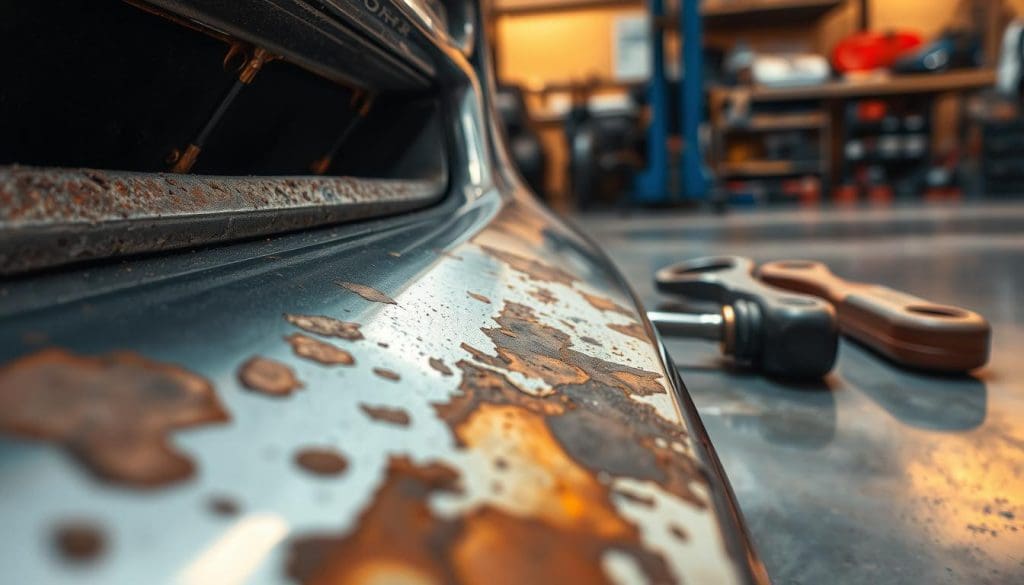
A clean vehicle does more than look good; it slows the spread of corrosion that starts at the surface. Washing removes grime, brake dust, and road salt that begin chemical attack on paint and metal.
How washing and waxing reduce paint damage
Regular washing keeps contaminants from etching clearcoat and causing paint damage. Waxing adds a sacrificial layer that repels moisture and sun exposure.
We recommend a full wax at least once a year and quick washes after salty or muddy drives.
Interior cleaning to prevent stains and odors
Vacuum high-traffic areas and wipe surfaces to stop stains and lingering smells. Spot-treat spills quickly so fabrics and trim do not degrade over years.
Underbody attention after salty roads
Hidden salt builds up in seams and suspension components and speeds rust and corrosion. A focused underbody rinse after winter or coastal trips reduces that risk.
“A seasonal deep clean plus spot washes in winter helps protect finish and metal.”
We offer protective products and rust-prevention routines at Heaven Automotive. Ask us how to keep car condition strong and preserve resale value.
Long-term vehicle storage preparation and post-storage inspection
When a vehicle will sit unused for months, careful preparation prevents common damage and costly repairs. We define storage as a period of three months or longer and follow a compact checklist so problems do not start while the vehicle rests.
Pre-storage checklist
Fill the gas tank and add a fuel stabilizer to reduce condensation and gum. Perform an oil change so contaminated oil is not left in the engine. Wash and wax the exterior to shield paint and slow rust.
Tire protection and jack stand note
Inflate tires to recommended pressure and consider periodic roll moves to avoid flat spots. Some vehicles should not sit on jack stands for months because suspension or body supports may stress; consult us before choosing that option.
Moisture, critters, and what to avoid
Park in a dry, secure location and use a breathable, fitted cover. Plug the tailpipe to keep pests out, but remove the plug before starting. Avoid setting the parking brake for extended periods; wheel chocks are safer.
Bringing the vehicle back
On return, do a visual inspection of tires, fluids, and battery. Give the vehicle a good cleaning and take a short test drive to confirm systems. If anything feels off—odd noises, warning lights, or weak starting—schedule a full inspection.
We offer pre-storage preparation and post-storage checkups at Heaven Automotive so your vehicle returns to regular use safely and reliably.
Conclusion
A reliable vehicle is the result of steady habits, timely inspections, and sensible planning.
We build a simple system that blends consistent maintenance, condition-based checks, and adjustments for climate and driving patterns. That system protects performance over years and miles and reduces costly surprises on the road.
Focus on basics—oil, tires, brakes, battery, filters, fluids, belts and hoses, visibility, and cleaning—and keep clear records. Treat warning signs early; small fixes usually cost less and keep us safe.
Plan a schedule that fits your life and stick to it. If you want expert inspection, honest recommendations, and quality repairs, hire Heaven Automotive to keep your vehicle dependable for the long run.