

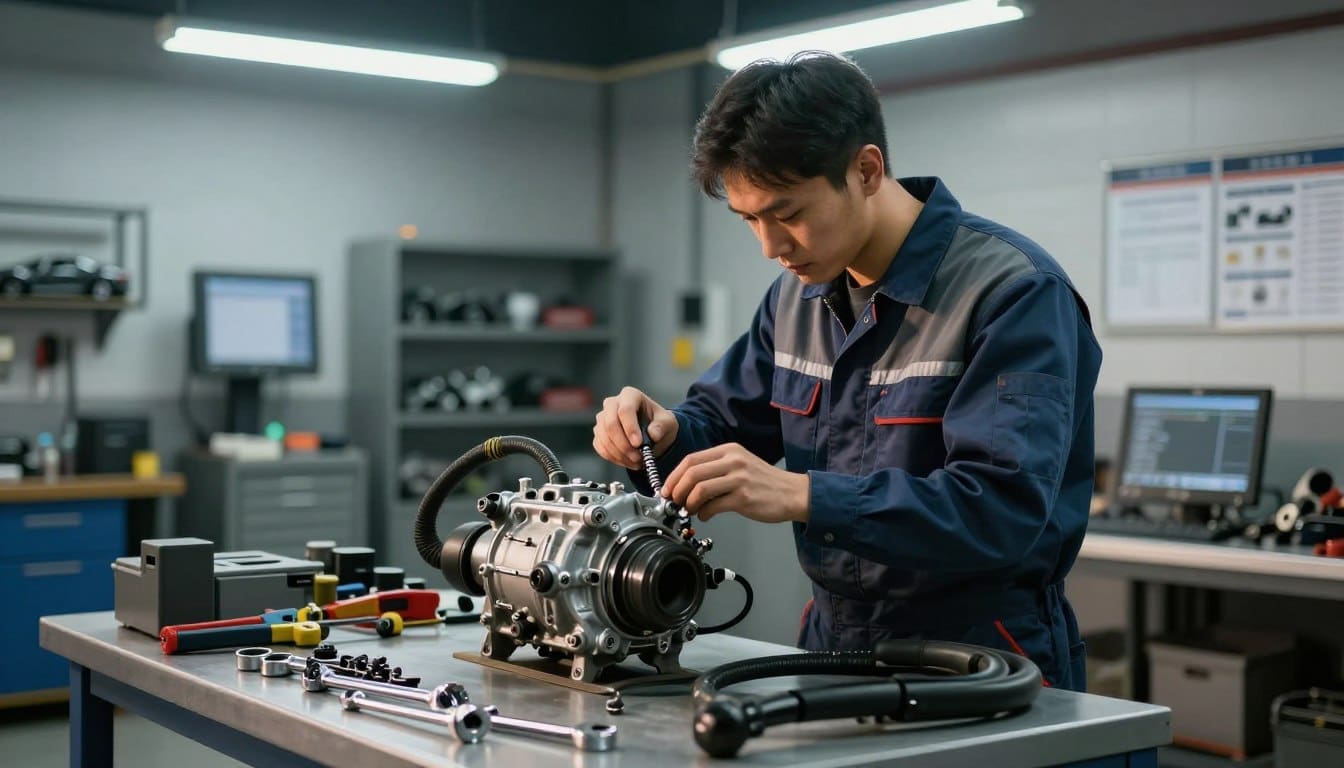
Your car has many parts working together to keep you in control. If your car is hard to steer, it might mean your Power Steering Repair needs are urgent. Not fixing these problems early can cause serious issues on the road and cost a lot of money later.
Spotting the signs of a failing system is key to safe driving. If you hear odd noises or feel a stiff wheel, fix it fast. At Heaven Automotive in San Antonio, our experts can help keep your car running well.
Knowing these signs helps you take care of your car early. By getting Power Steering Repair from pros, every turn will be smooth. Don’t wait for a big problem to get help from skilled technicians who care about your safety.
Key Takeaways
- Early detection of steering issues prevents expensive long-term damage.
- Difficulty turning the wheel is a primary indicator of system failure.
- Unusual whining or grinding noises often point to fluid or pump problems.
- Professional diagnostics are essential for accurate and safe vehicle maintenance.
- Heaven Automotive offers expert services for drivers throughout San Antonio.
Understanding the Mechanics of Modern Power Steering
Ever wondered why turning your car’s steering wheel feels so easy? Modern cars use advanced systems to help you steer. These systems make it easier to turn the wheels, which is great for low speeds or when parking.
Most cars today use either hydraulic power steering or electric power steering (EPS). Knowing which one your car has is key for keeping it running well.
Hydraulic power steering uses a closed system filled with pressurized fluid. A pump powered by the engine keeps the fluid moving. This fluid helps turn the wheels. It’s important to check the fluid regularly to keep the system working right.
Electric power steering, on the other hand, uses an electric motor instead of a pump and fluid. This motor helps turn the wheels based on what sensors tell it. Because it doesn’t use hydraulic fluid, it needs less maintenance but has more electronic parts.
The table below shows the main differences between these two steering systems:
| Feature | Hydraulic System | Electric System |
|---|---|---|
| Power Source | Engine-driven pump | Electric motor |
| Primary Medium | Pressurized fluid | Electronic sensors |
| Maintenance Focus | Fluid levels and hoses | Electrical connections |
| Efficiency | Constant engine load | On-demand assistance |
Both systems aim to make driving smooth and easy. But, they have parts that can wear out. Knowing your car’s system helps you take better care of it, keeping you safe on the road.
The Growing Trend of Steering System Failures in San Antonio
The intense heat and unique road conditions in San Antonio are causing steering system failures. If you drive these streets often, your car’s steering parts face a tough battle. Proactive maintenance is now a must to keep your car running well.
South Texas’s extreme summer temperatures harm your car’s hydraulic seals and rubber hoses. This heat makes them brittle and less flexible. When these parts wear out, they can leak fluid and make steering harder.
The city’s varied road surfaces also stress your steering rack and pinion. Uneven pavement and expansion joints make your steering system work harder. Knowing these local factors is key for avoiding steering system failures.
Being aware of these trends helps you spot problems early. By checking your steering fluid and listening for signs, you can protect your car. Small steps today can prevent big safety risks from a failing steering system.
Identifying the Early Warning Signs of Steering Noise
Your car talks to you through sounds. If you hear an odd steering noise, it’s a sign that something’s wrong with your hydraulic system. Taking action early can stop small problems from becoming big, expensive repairs.
Whining sounds during low-speed maneuvers
A high-pitched whine when you turn the wheel at slow speeds is a warning sign. This steering noise usually means your power steering pump is failing or the fluid levels are low. Without enough fluid, the pump works too hard, making that loud noise.
Squealing noises upon engine startup
A sharp, piercing squeal when you start the engine points to a problem with your drive belt. This sound means the belt is loose, worn, or almost ready to fail. A slipping belt can’t drive the pump right, causing steering issues and damage.
The table below shows common sounds and what might be wrong with your car. It helps you understand what your vehicle is trying to tell you.
| Sound Type | Typical Timing | Likely Cause |
|---|---|---|
| High-pitched Whine | Low-speed turns | Low fluid or failing pump |
| Sharp Squeal | Engine startup | Worn or loose drive belt |
| Groaning Sound | Full wheel lock | Air in the hydraulic lines |
| Clunking Noise | Driving over bumps | Worn steering rack bushings |
The Dangers of Ignoring Hard Steering Symptoms
A vehicle that feels like it’s fighting you on every turn is a major safety concern. When you notice hard steering, it is crucial to address the issue immediately. Ignoring these symptoms can lead to a complete loss of control during critical driving maneuvers.
Why your steering wheel feels heavy
Your steering wheel often feels heavy because the power assist mechanism is failing. This system is designed to make turning effortless, even at low speeds. When the assist fails, you are forced to use significant physical strength to navigate, which is exhausting and dangerous.
This heavy sensation is a clear indicator that your vehicle’s internal components are struggling. If you find yourself gripping the wheel tighter just to make a simple turn, the system is likely compromised. Safety should always be your top priority when you encounter such resistance.
Impact of low fluid levels on steering resistance
Low power steering fluid levels are a primary cause of increased steering resistance. The hydraulic pump relies on this fluid to generate the force needed to turn your tires smoothly. Without enough fluid, the pump cannot operate at its intended capacity, leading to hard steering symptoms.
Regularly checking your fluid levels can prevent this unnecessary strain on your steering rack and pump. If the fluid is low, air may enter the system, causing further damage and unpredictable handling. Use the table below to understand the differences between normal operation and a failing system.
| Condition | Steering Effort | System Status |
|---|---|---|
| Normal | Light and Smooth | Optimal Pressure |
| Low Fluid | Increased Resistance | Hydraulic Deficiency |
| Pump Failure | Very Heavy/Stiff | Mechanical Breakdown |
Detecting a Steering Fluid Leak Before It Causes Damage
A small puddle under your car might seem small, but it’s often a big problem. Finding these issues early can save you from expensive repairs. It also keeps your car safe from serious damage.
How to spot red or brown puddles under your vehicle
Power steering fluid is usually clear with a vibrant red tint. If you see a puddle, check its color and how thick it is. Dark brown or black fluid means it’s time for a change.
Look under your car often to catch a steering fluid leak early. A leak can make your steering wheel feel sticky or heavy. If you ignore it, you might lose power steering while driving.
Common locations for power steering leaks
Many parts in your car can leak over time. High-pressure hoses and seals in the steering rack and reservoir are common culprits. These leaks can get worse if not fixed.
| Component | Common Issue | Warning Sign |
|---|---|---|
| High-Pressure Hose | Cracking or loose fittings | Fluid spray on engine parts |
| Steering Rack | Worn internal seals | Puddles near front tires |
| Reservoir | Plastic fatigue or cracks | Low fluid level warning |
| Pump Gaskets | Hardened rubber seals | Wetness around the pump |
The Importance of Timely Power Steering Repair
Looking after your car means keeping an eye on the steering system. Getting Power Steering Repair right away when issues arise is key. This helps your car stay in good shape for longer. Fixing small problems early saves you from big headaches and costs later on.
Preventing catastrophic pump failure
The power steering pump is vital for your car’s steering. If you ignore signs like low fluid or odd noises, the pump can seize. This makes steering your car unsafe.
Regular inspections help keep your pump working well. Spotting leaks or pressure drops early can prevent a costly pump replacement.
Protecting the steering rack and pinion assembly
The rack and pinion assembly turns your steering wheel into tire direction. Bad fluid or contamination can wear out its seals and gears. This often means a costly full replacement is needed.
Here’s how to keep your car safe:
- Get a Power Steering Repair check if you see fluid leaks.
- Check your steering fluid levels regularly.
- Listen for odd sounds during slow turns that might mean trouble.
Acting fast is always cheaper than waiting for a major failure. Getting Power Steering Repair done right keeps your car safe and responsive.
Common Causes of Power Steering System Degradation
Keeping your steering system working well is key. Your car is made to last, but driving every day wears it down. Knowing how parts break down helps avoid expensive fixes.
Contamination of steering fluid over time
Power steering fluid is vital for your car’s hydraulic system. It picks up engine dirt and tiny particles as you drive. This makes the fluid less effective at reducing friction.
Dirty fluid can’t keep seals and valves in good shape. Regular maintenance is needed to clean out these contaminants. Without it, your steering might feel stiff or make strange noises.
Wear and tear on high-pressure hoses
Rubber hoses carry pressurized fluid and face a lot of heat and vibration. After many miles, they get weak and can crack. This is often the start of a steering fluid leak.
Seeing a puddle under your car might mean a hose has broken. Fixing a steering fluid leak quickly stops the pump from drying out. This keeps your car safe and running smoothly.
How Weather Conditions Affect Steering Performance

Seasonal weather changes can really affect your power steering system. You might focus on your engine, but your car’s ability to turn is also affected. Knowing how weather impacts your car helps you stay ahead of maintenance needs.
Extreme heat and its effect on hydraulic seals
In hot summer areas, your car faces special challenges. High temperatures can dry out rubber seals in your power steering system. When these seals crack, they can’t hold fluid well, leading to leaks.
Checking for fluid loss in hot months is a smart preventative measure. If you see spots on your driveway, it means the heat has damaged your system. Fixing these leaks early helps prevent pump damage.
Cold weather impacts on fluid viscosity
Freezing temperatures also pose challenges for your steering system. Cold air makes the power steering fluid thicker, making it harder for the pump to work. This can cause stiffness or a steering noise when you start driving.
As your engine warms up, the fluid gets thinner and things return to normal. But if the noise or stiffness doesn’t go away, it could mean your fluid is dirty or the pump is failing. Regular maintenance keeps you in control, no matter the weather.
| Weather Condition | Primary Impact | Common Symptom |
|---|---|---|
| Extreme Heat | Seal degradation | Fluid leaks |
| Freezing Cold | Increased viscosity | Stiff steering noise |
| Rapid Fluctuations | Component stress | Erratic performance |
Technological Advancements in Electric Power Steering Systems
Modern cars now use electric power steering systems to save energy. These systems work well with features like lane-keeping assist and automated parking. They offer a refined driving experience because they use electronic signals, not mechanical force.
Differences between hydraulic and electric systems
Hydraulic systems use a pump and fluid to help with steering. On the other hand, electric power steering (EPS) uses an electric motor to help steer. This motor works directly with the steering column or rack.
EPS systems don’t need hydraulic fluid or pumps. This means you don’t have to worry about a steering fluid leak. They also make the car lighter and need less maintenance. Plus, they tend to last longer than traditional systems.
Common failure points in modern EPS units
Even without a steering fluid leak, electric systems can have problems. They rely on sensors to monitor steering and speed. If these sensors fail, the system might not work right, making steering hard.
The electric motor is another area of concern. Too much heat can damage it or cause it to fail early. Regular diagnostic checks help keep your steering system working well for your daily drive.
Safety Risks Associated with Steering System Malfunctions
When your steering system starts to fail, it’s a serious safety issue. A car that doesn’t steer right is very dangerous. If you’re experiencing hard steering, it’s a clear sign you need to see a mechanic fast.
Loss of control during emergency maneuvers
Being quick to react is key when you hit a road hazard. Stiff steering makes it harder to turn the wheel. This can slow you down when you need to avoid something or stay in your lane.
Without the right help from the steering system, it gets hard and unpredictable. You might not be able to make the quick turns needed to avoid accidents. This can turn a simple situation into a serious accident.
Increased driver fatigue from stiff steering
Driving a car with a bad steering system is very tiring. You need a lot of effort just to make simple turns or park. This unnecessary strain can make you very tired, affecting your focus and judgment.
Long drives are even more risky when you’re fighting a failing system. Your muscles get tired, and your mind wanders. Keeping your steering system smooth and responsive is key for long-term safety and comfort.
| Steering Condition | Driver Effort | Safety Risk Level |
|---|---|---|
| Optimal Performance | Minimal | Low |
| Early Hard Steering | Moderate | Medium |
| System Failure | Extreme | High |
Professional Diagnostic Procedures for Steering Issues
When you hear an odd steering noise, it’s time to get help from experts. They use special tools to find out what’s wrong with your car. This careful method helps avoid unnecessary fixes and keeps you safe on the road.
Pressure testing the power steering pump
Pressure testing is a key way to check your system. It shows if the pump is making enough hydraulic force for smooth steering. If it’s not up to par, you might hear a steering noise that gets louder when you turn slowly.
Inspecting belts and pulleys for signs of wear
Your tech will also look closely at the drive belts and pulleys. These parts can wear out over time, causing squealing or whining sounds. Spotting wear early helps avoid bigger problems and keeps your steering smooth.
| Diagnostic Method | Primary Goal | Common Finding |
|---|---|---|
| Pressure Test | Verify hydraulic force | Pump failure or blockage |
| Belt Inspection | Check tension and grip | Cracked or loose belts |
| Fluid Analysis | Assess contamination | Burnt or metallic debris |
| Noise Evaluation | Locate steering noise | Worn bearings or air leaks |
Maintenance Tips to Extend the Life of Your Steering System

Following simple maintenance habits can greatly extend your steering system’s life. Taking proactive steps helps avoid the frustration of a sudden breakdown. This way, your vehicle stays safe and responsive, preventing hard steering issues.
Regular fluid flushes and inspections
Power steering fluid collects debris over time, which harms its performance. It’s vital to schedule regular fluid flushes to keep the system clean. This service prevents sludge buildup, a major cause of hard steering.
A skilled technician can check for leaks or hose damage during these inspections. Fresh fluid ensures your pump and rack work well. Consistency is key for a smooth drive.
Monitoring belt tension and condition
The drive belt is essential for powering your steering pump. If it’s loose or worn, steering assistance can be inconsistent. Have your mechanic check the belt for damage or improper tension at every oil change.
A well-maintained belt ensures efficient power transfer to the steering system. Ignoring belt wear can cause a loss of power assist while driving. Regular checks protect your vehicle from stress and expensive repairs.
Why Local Expertise Matters for Your Vehicle Health
Finding reliable help for your vehicle in San Antonio starts with choosing a team that cares about your safety and satisfaction. Local shops have technicians who know the driving conditions and common car problems in this area. This personalized approach means your Power Steering Repair gets the care your car needs.
The benefits of choosing Heaven Automotive
At Heaven Automotive, we aim to keep your vehicle in top shape. Our team uses advanced diagnostic tools to find problems fast. This ensures your steering system is fixed right the first time.
Choosing our shop brings many benefits for your car’s maintenance:
- Expert Technicians: Our team knows a lot about different steering systems.
- Transparent Communication: We explain every step of the Power Steering Repair process to you.
- Precision Diagnostics: We use modern tech to find hidden leaks or wear.
Commitment to quality service in San Antonio
We’re proud to serve our community from 6645 Poss Rd. San Antonio, TX 78238. Our goal is to build strong relationships with our clients through consistent and honest car care.
If you think your car needs a Power Steering Repair, contact our experienced team. Call our service center at (210) 682-3898 to talk about your concerns or set up an inspection. We’re committed to keeping your steering system working well for every mile.
Conclusion
Your car has many parts working together to keep you safe. A good steering system lets you control your car fully. If your car handles differently, it might need a pro’s help.
Looking after your steering system early can save you money. Fixing small issues before they get big can prevent costly repairs. Regular checks keep your steering working well for a long time.
Driving should feel safe and worry-free. Our experts use special tools to check your steering system. They make sure it’s in top shape, keeping you and your loved ones safe.
Don’t wait to get your car fixed. At Heaven Automotive in San Antonio, we’re ready to help. Our team uses quality parts and knows how to fix your steering. Book your appointment today to keep your car running smoothly.