

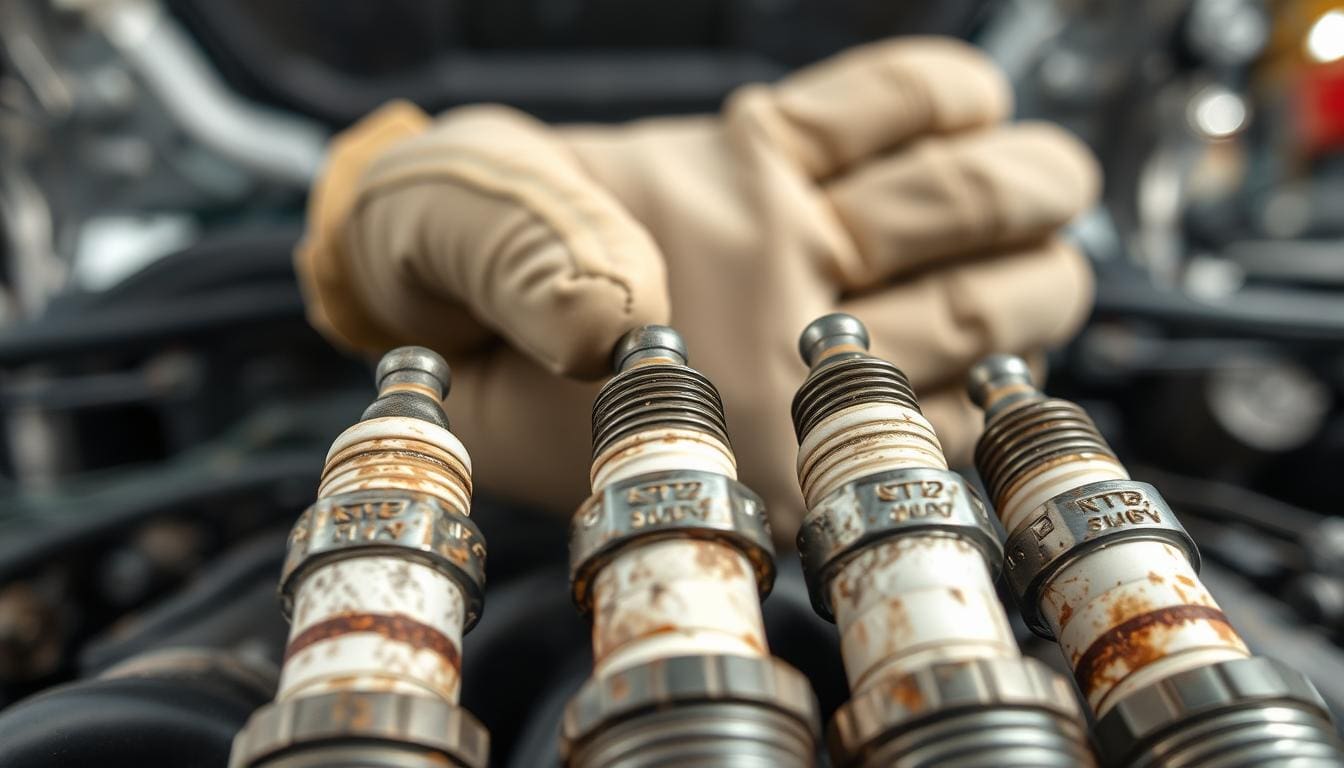
Small parts can have a huge effect on daily drivability. Worn spark plugs often cause sluggish acceleration, harder starts, and rough idling. Noticing these signs early helps you avoid bigger repairs and headaches.
We wrote this guide to help U.S. drivers spot when worn ignition components are the real cause of trouble. Our goal is to help you schedule service before misfires become costly.
Worn out usually means eroded electrodes, a wrong gap, or the incorrect specification installed. These issues build up slowly, so symptoms appear over time instead of all at once.
At Heaven Automotive, we follow a simple rule: verify first, replace correctly. Service intervals vary by make and model, so check your owner manual and avoid guesswork. We can diagnose your engine, explain the findings, and perform the repair to spec.
When done properly, this maintenance is straightforward. Done poorly, it leads to repeat misfires and extra cost. Hire Heaven Automotive to inspect and fix your car right the first time.
Key Takeaways
- Worn spark plugs cause hard starts, rough idle, and weak acceleration.
- Symptoms grow gradually; early checks prevent bigger repairs.
- Follow manufacturer service intervals for best performance.
- We verify before any replacement and use correct parts and specs.
- Heaven Automotive can diagnose your vehicle and perform the repair.
How Spark Plugs Affect Engine Performance, Fuel Economy, and Emissions
Proper ignition performance directly affects how your car feels and uses fuel. We explain how consistent firing in each cylinder supports smooth power and why correct parts matter.
Why ignition parts play a vital role
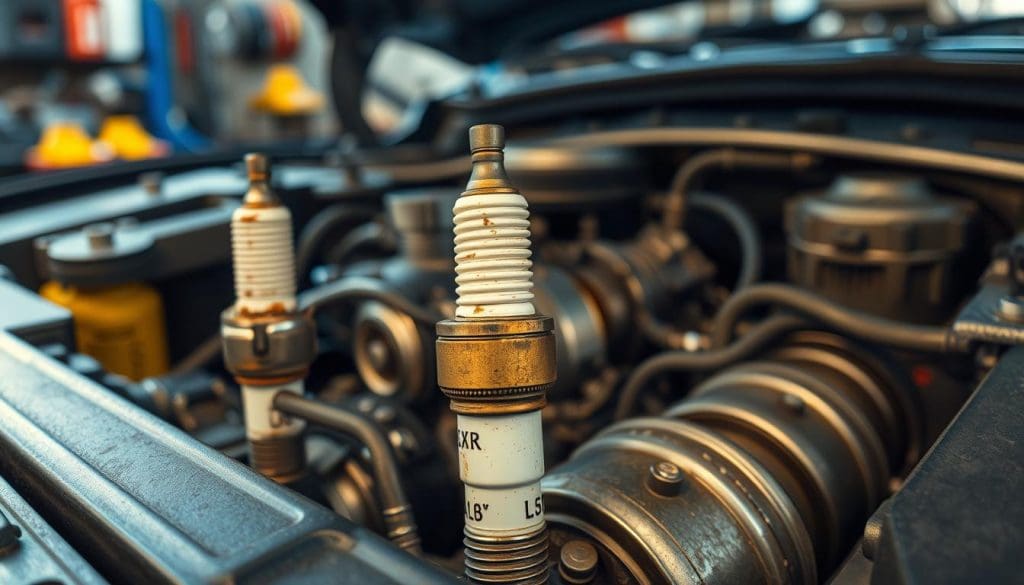
A spark plug ignites the air/fuel mix in each cylinder to make power. When ignition timing is steady, the engine idles smoothly and responds well under load.
What worn or incorrectly gapped parts can do
Worn or wrongly gapped plugs lead to misfires and incomplete combustion. That sends raw fuel into the exhaust and forces the catalytic converter to work harder.
Real-world impact on fuel use and emissions
Fixing an engine that is out of tune can improve mileage by about 4%, according to the US DOE. The EPA estimates a typical gasoline vehicle emits roughly 4.6 metric tons of CO2 per year, so even small inefficiencies add up.
Why we recommend correct service
Compatibility matters: thread size, heat range, and gap are engineered for each model. We verify specs and perform service so drivers avoid repeat issues.
| Issue | Effect on Engine | Impact on Fuel & Emissions |
|---|---|---|
| Worn electrodes | Incomplete combustion in cylinder | Higher fuel use, increased emissions |
| Wrong gap | Misfires and rough idle | Lower fuel economy, catalytic stress |
| Incorrect spec | Repeat drivability problems | Ongoing mileage loss and CO2 rise |
Signs Your Spark Plugs and Spark Plug Wires May Be Worn Out
Listen for uneven idling and watch for power loss—these are common signs your ignition system needs attention.
Hard starts, rough idle, and misfire codes
Misfires often trigger the check engine light and make an engine idle roughly. These symptoms commonly get worse under load or at specific RPMs.
We note that intermittent issues may appear fine one time and then return. That on-again, off-again behavior is typical of worn ignition parts.
Sluggish acceleration and loss of power
Weak or inconsistent spark leads to hesitation during merges and climbs. Drivers report slower throttle response and lower top-end power.
Dropping fuel economy
Incomplete combustion wastes fuel and lowers mileage. A vehicle that feels “out of tune” may use more gas without any change in driving habits.
When wires, coils, or boots are the real culprit
Look for visible cracking, brittle insulation, or arcing on plug wires and boots. If misfires return after you change spark plugs, coils or boots may be at fault.
- Quick checks: age/interval for worn plugs; visible damage for wires.
- Smart move: we diagnose at Heaven Automotive to confirm the root cause before swapping parts.
How We Handle Spark Plug Replacement the Right Way
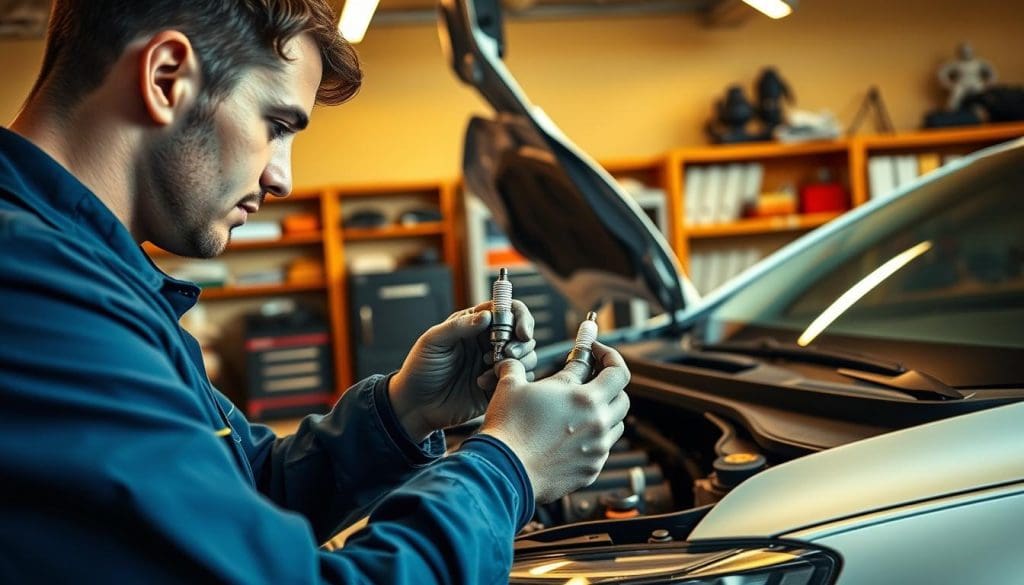
At Heaven Automotive we follow a step-by-step process to get ignition work done right the first time. We verify the exact part in the owner manual and never accept “close enough” substitutions.
Tools and prep
We gather the correct spark plug socket, plug socket extensions, and a torque wrench before work begins. This makes access and final tightening predictable and safe for the cylinder head.
Careful removal and inspection
We remove wires or coil-on-plug units one at a time, keeping them in the correct order. We clean dirt from the seat area with air or a vacuum so debris won’t fall into a cylinder.
Setting and installing new parts
We set the gap with a gauge per the manual, hand-start new parts, then torque wrench tighten to spec. This protects threads and stops combustion leaks.
Final checks
We inspect wires and boots for cracking and apply dielectric grease only inside boots. After starting the engine we verify a smooth idle and recheck connections if misfires remain.
Conclusion
Catching ignition wear early saves time and prevents costly downstream repairs.
Worn spark plugs usually show as hard starts, rough idle, power loss, and falling fuel economy. Spotting these signs early helps avoid added stress to the catalytic converter and ignition coils.
Follow the manufacturer’s service intervals in your owner manual and act sooner if symptoms appear. Correct-spec parts, the right gap, clean installation, and precise torque protect the engine and cut repeat work.
Swapping parts without confirming compatibility can create misfires and wasted fuel. If you see any of these signs or you’re due for service, hire Heaven Automotive to inspect your ignition system and handle your spark plug replacement the right way.