

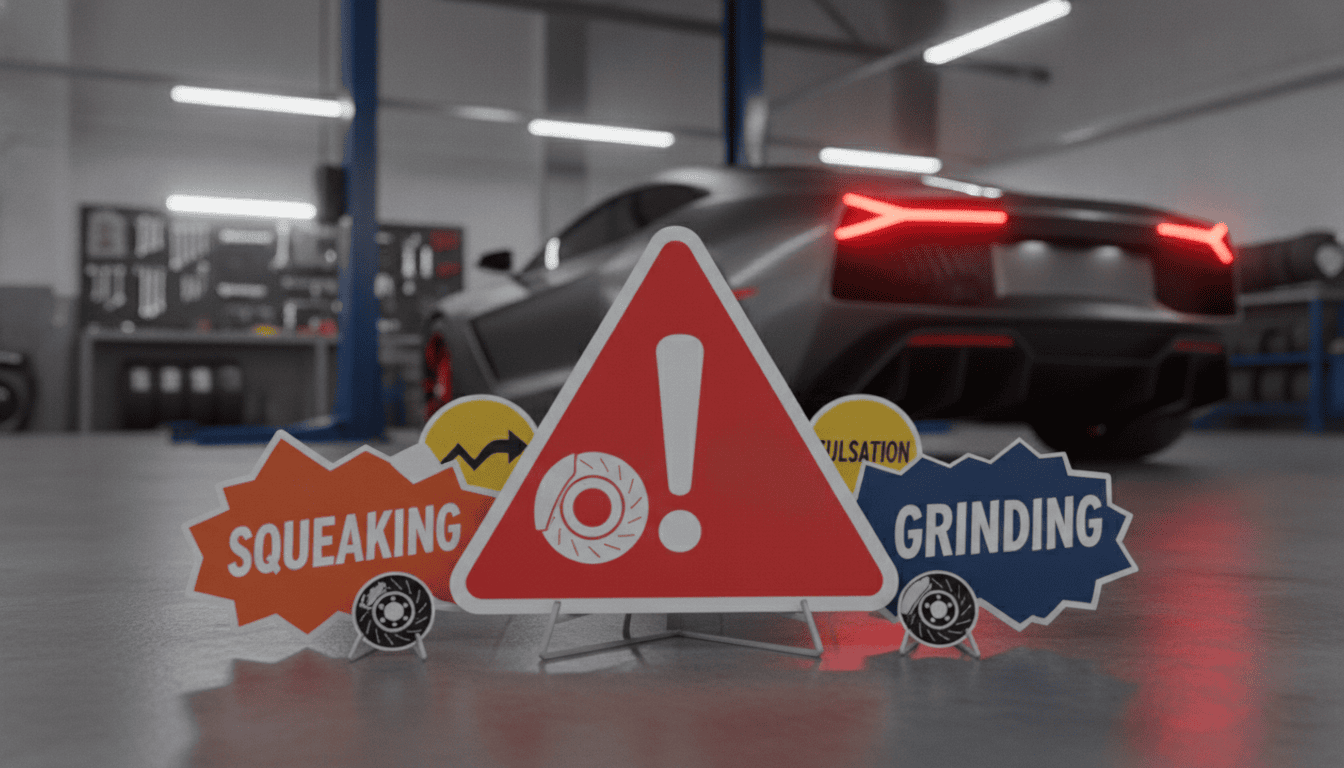
Unexpected noise when slowing down can feel stressful. Although squeaking brakes may not signal immediate danger, they often mean your vehicle needs a professional inspection.
Weather or humidity can cause temporary friction. Still, persistent brake noise when stopping should never be ignored. You must tell minor weather sounds from serious mechanical wear.
Grinding, scraping, or a soft pedal feel are critical brake warning signs. Your safety depends on a responsive brake system. If unsure, please visit Heaven Automotive at 6645 Poss Rd. San Antonio, TX 78238.
You can also reach our team for expert advice at (210) 682-3898.
Key Takeaways
- Not all vehicle noises indicate a major mechanical failure.
- Moisture often causes temporary sounds that resolve on their own.
- Grinding or scraping noises require immediate professional attention.
- Pay close attention to changes in pedal feel or dashboard lights.
- Contact Heaven Automotive in San Antonio for reliable safety inspections.
Understanding Brake Noises
Friction powers your braking system and often creates sounds you should learn to understand. When you press the pedal, brake pads clamp onto rotors to create heat and friction. This action is usually quiet, but moisture or other factors may cause vibrations.
If you notice persistent brake noise when stopping, note when it happens and how loud it sounds. Some noises are harmless, but others warn that parts may need replacement. If unsure, the team at Heaven Automotive can help at 6645 Poss Rd. in San Antonio, TX, or (210) 682-3898.
Common Types of Brake Sounds
Drivers often hear many sounds from their wheels. You might hear high-pitched squeaking brakes on cold mornings or after rain. Surface rust or moisture often causes these temporary sounds.
Other sounds need closer attention. Sharp squeals, scraping, or rhythmic clicking can show loose hardware or thin pads. Always note whether the sound happens only when pressing the pedal or continues while driving.
What Causes Each Sound?
Many brake squeal causes range from dust buildup to glazed brake pads. Glazing occurs when pads overheat and harden, creating a smooth surface that vibrates against the rotor. This vibration creates a high-pitched squeal.
In severe cases, you may experience grinding brakes. This harsh, metallic sound usually means your pad friction material is completely worn away. The metal backing plate then rubs directly against the rotor. This serious condition needs immediate professional inspection to prevent more damage to your vehicle’s braking system.
The Importance of Brake Maintenance
Your safety depends on the health of your vehicle’s braking parts. Regular brake maintenance helps your car stop reliably in any situation. Early action protects passengers and your wallet from costly emergency repairs.
How Regular Check-ups Can Prevent Problems
A routine brake inspection helps a technician find small issues before they cause major failures. Technicians can find thin pads, uneven wear, or leaking brake lines. Early repairs protect rotors and calipers, which cost much more to replace.
Many modern vehicles have a brake wear indicator that warns when pads grow thin. This small metal tab creates a distinct squealing sound when it touches the rotor, giving an early warning. If you hear it, visit a professional to prevent more brake system damage.
Signs Your Brakes Need Immediate Attention
Never ignore signs that your vehicle struggles to stop. If the brake warning light appears, seek professional help immediately. Other red flags include a soft or pulsing pedal, less stopping power, or pulling to one side during braking.
If you notice these symptoms, bring your vehicle to Heaven Automotive for a full evaluation. Our team is at 6645 Poss Rd. San Antonio, TX 78238, and we are ready to help. Call (210) 682-3898 to schedule your next service appointment. Taking action now keeps your vehicle safe and dependable for every mile ahead.
Squeaking Brakes: What Does It Mean?
If you notice squeaking brakes, learn what your vehicle may be telling you. This sound can startle you, but it does not always mean a major mechanical failure. Often, a brake noise when stopping comes from weather or brake system materials.
Causes of Squeaking Brakes
Vehicle owners should know several brake squeal causes. Common causes include worn brake pads, high-metal-content pad compounds, and road debris. Worn brake pads may have built-in wear indicators that signal when replacement is needed.
High-metal-content pads last well but often make noise, while road debris can contaminate the system. Excess heat can glaze the brake pad surface and create a high-pitched sound. Dry hardware or sticking calipers may keep pads from releasing, causing friction.
After new components are installed, the bedding process may cause temporary noise until pads and rotors fully seat.
Is it Dangerous to Drive with Squeaking Brakes?
You may wonder whether driving is safe when you hear these sounds. After rain, a car wash, or overnight parking, brief noise usually fades after a few normal stops. Persistent noise needs professional evaluation to protect your safety on the road.
Do not ignore constant sound or a change in pedal feel. For expert help, visit Heaven Automotive at 6645 Poss Rd. San Antonio, TX 78238, or call (210) 682-3898. They can perform a thorough inspection to determine whether your vehicle needs immediate service.
| Noise Type | Common Cause | Urgency Level |
|---|---|---|
| Brief Squeak | Moisture or Dust | Low |
| Constant Squeal | Worn Brake Pads | Medium |
| Deep Grinding | Metal-on-Metal | High |
Grinding Brakes: Urgent Warning Signs
Grinding brakes are more than a minor annoyance. They warn that your car’s safety system needs help. Unlike a light squeak from dust or minor wear, a constant metallic grind demands urgent brake repair.
Treat this sound as a critical sign that your stopping power is severely reduced.
What Causes Grinding Sounds?
The main cause is the total loss of brake pad friction material. When pads wear out, the metal backing plate rubs directly against the rotor. This condition, called metal on metal brakes, creates a harsh scraping sound whenever you slow down.
Driving this way is extremely dangerous because these metal parts are not designed to create friction. Your vehicle may stop less quickly and smoothly than before. If you hear this sound, stop driving and contact Heaven Automotive at 6645 Poss Rd. in San Antonio, TX.
Call (210) 682-3898.
Potential Damage from Ignoring Grinding Brakes
Ignoring these signs can turn a simple pad replacement into a larger, more costly mechanical failure. Continued driving risks severe brake rotor damage, which may require full disc replacement. The following list shows the risks of delaying service:
- Rotor Gouging: The metal backing plate will carve deep grooves into the rotor surface.
- Caliper Failure: Excessive heat and pressure can damage the brake calipers.
- Increased Stopping Distance: Your car will take significantly longer to come to a complete stop.
- Higher Repair Costs: Replacing rotors and calipers is far more costly than changing pads alone.
Do not wait for the situation to worsen. At Heaven Automotive, protecting your vehicle and road safety is our top priority. Contact our team today to restore your braking system to peak performance.
Squealing Brakes: Time to Inspect
A sharp squeal from your wheels can reveal what your car is trying to tell you. While squealing brakes can alarm you, they do not always signal a critical failure. These sounds often come from weather or the normal break-in process for new parts.
Why Brakes Squeal at Certain Times
Many drivers experience moisture-related brake noise after heavy rain or a trip through the car wash. A thin layer of surface rust can form on rotors, causing a temporary screech during the first few stops. New brake pads may also make noise during a “bedding-in” period until they fully fit the rotor surface.
These common brake squeal causes are usually harmless. They fade when brakes warm up or moisture evaporates. Noise that continues through your entire drive may mean brake pads reached their wear limit.
When to Seek Professional Help
Seek a professional brake inspection if noise grows louder or stays at one wheel. Ignoring these signs can cause costly repairs, such as damaged rotors or poor braking performance. Contact a professional if you notice any of these symptoms:
- A soft or “spongy” feeling when you press the brake pedal.
- Visible warning lights appearing on your dashboard.
- Persistent grinding noises that replace the initial squeal.
- Noticeable vibrations or pulling to one side while braking.
If you are unsure about your vehicle’s condition, the team at Heaven Automotive is ready to help. We provide thorough diagnostics to help keep you safe on the road. Visit us at 6645 Poss Rd. San Antonio, TX 78238, or call us at (210) 682-3898 to schedule your appointment today.
The Role of Brake Pads
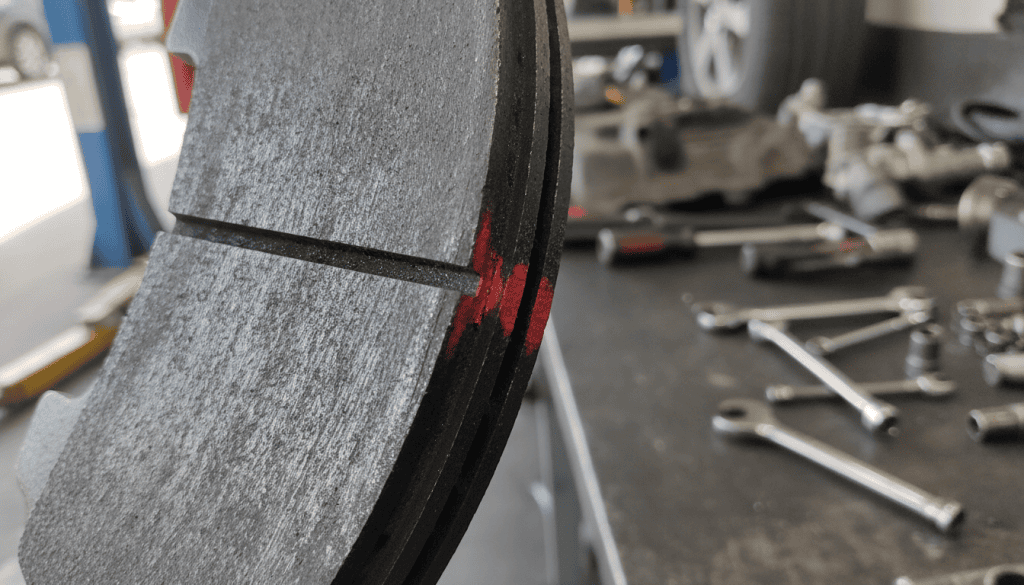
Brake pads are quiet heroes in your vehicle’s safety system. These parts rely on friction to slow wheels, but their effect depends on material, vehicle weight, and driving habits. Frequent heavy braking or carrying heavy loads can speed wear and make brake pad replacement necessary for vehicle ownership.
How Worn-out Brake Pads Affect Sound
Most modern vehicles have a built-in brake wear indicator designed to warn you before pad material runs out. This small metal tab makes a high-pitched noise when it touches the rotor, often signaling squeaking brakes. Ignoring this warning can cause severe damage when the pad backing plate grinds against the rotor.
Once friction material is gone, you may experience metal on metal brakes. This condition creates a harsh grinding sound and shows that your braking system is no longer safe. Visit Heaven Automotive for a professional inspection at 6645 Poss Rd., San Antonio, TX 78238, or call (210) 682-3898.
Types of Brake Pads and Their Noises
Different brake pad materials offer different performance and noise levels. Choose the right type for your driving style to support comfort and long-term reliability.
- Ceramic Pads: These are generally the quietest option and produce very little dust, making them ideal for daily commuters.
- Semi-Metallic Pads: These contain metal fibers that provide excellent stopping power, though they may produce more noise than ceramic alternatives.
- Organic Pads: These are softer and quieter but tend to wear out faster, often requiring more frequent brake pad replacement.
No matter the material, proper installation helps prevent unwanted squeaking brakes. Pads with high metal content may sound louder, but they should never sound like metal on metal brakes. If you are unsure about your pads, consult a technician to protect your safety on the road.
Brake Fluid: An Overlooked Factor
Safe stopping depends on your car’s brake fluid level and condition. This liquid carries hydraulic pressure from your foot on the pedal to braking parts at each wheel. Without enough clean fluid, your brake performance can suffer and put you and passengers at risk.
How Brake Fluid Levels Impact Performance
Low fluid levels can stop the hydraulic system from building enough pressure to engage the calipers. You may feel a soft brake pedal that feels spongy or sinks toward the floor. This weak resistance shows that your car cannot turn pedal pressure into strong stopping power.
Topping off the reservoir is rarely a lasting fix. A fluid drop often means worn brake pads, which make the pistons extend farther and use more fluid. It may also mean a brake fluid leak needing quick professional help to prevent system failure.
Symptoms of Low Brake Fluid
Early warning signs can help you avoid costly repairs or dangerous crashes. Act quickly if you see a dashboard warning light, a soft brake pedal, or puddles near the wheels. These signs show that your brake performance and your car’s hydraulic system may be unsafe.
If you suspect a brake fluid leak or have trouble stopping, bring your vehicle to Heaven Automotive. At 6645 Poss Rd. San Antonio, TX 78238, our team can find why you have low brake fluid. Call us at (210) 682-3898 to schedule a comprehensive inspection.
| Symptom | Potential Cause | Urgency Level |
|---|---|---|
| Sinking Pedal | Hydraulic Pressure Loss | Critical |
| Dashboard Light | Low Fluid or Sensor Fault | High |
| Visible Puddles | Brake Fluid Leak | Immediate |
| Spongy Feel | Air in Brake Lines | High |
Rotors and Their Impact on Brake Sounds
Your vehicle’s brake rotors provide the friction surface that helps your car stop safely. When you press the brake pedal, the pads clamp these metal discs and slow the wheels. Extreme heat, road debris, and friction can cause serious brake rotor damage over time.
Signs That Rotors Are Worn Out
You may notice warning signs when your rotors start to fail. If your brake pedal pulses or your steering wheel vibrates, you may have warped rotors. These signs can mean the rotor surface is no longer flat.
Other common warning signs include:
- Deep grooves or scoring visible on the surface of the disc.
- Blue heat spots caused by excessive friction and overheating.
- A persistent scraping or grinding brakes sound during normal stops.
- Uneven braking performance where the vehicle pulls to one side.
How to Know If You Need Rotor Replacement
Many people assume every noise needs immediate rotor replacement. Sometimes, worn brake pads or trapped debris cause the noise. A professional technician must measure the rotor’s thickness against the manufacturer’s specifications. This check shows whether you can keep using it safely.
If the metal is too thin or damage is too deep, rotor replacement becomes necessary for safety. For an accurate assessment, visit Heaven Automotive at 6645 Poss Rd. San Antonio, TX 78238. Call (210) 682-3898 to schedule a professional inspection today.
DIY vs. Professional Brake Repair
Brake safety matters, and every driver should know which home repairs are safe. Some tasks suit your garage, but others need a trained technician’s careful work. Knowing the difference saves time and helps keep your vehicle reliable on the road.
When You Can Tackle Repairs at Home
You might choose DIY brake repair for basic tasks outside the main hydraulic system. For example, many owners can perform a visual brake inspection for pad wear or check brake fluid levels. These checks show your vehicle’s condition without advanced mechanical training.
Always put safety first. For minor tasks, use the right tools and work in a safe place. Never disassemble complex parts if you lack the tools or are unsure how.
Benefits of Hiring a Professional Mechanic
Grinding noises, weaker braking, or rotor and caliper problems call for professional brake repair. These systems need special tools, exact torque settings, and expert hydraulic bleeding. A professional installs each part correctly and tests it for maximum reliability.
At Heaven Automotive, located at 6645 Poss Rd. San Antonio, TX 78238, our team handles complex systems. We offer a comprehensive brake inspection or full system overhaul to help keep you safe. Call (210) 682-3898; our experts provide high-quality alternatives to DIY brake repair.
Choosing the Right Mechanic for Brake Issues
When brakes make noise, choosing the right professional becomes your first priority. Your vehicle’s stopping power protects you, so never rely on guesswork. A precise, honest shop can give you peace of mind each time you drive.
Factors to Consider: Experience and Certification
Choose a certified brake mechanic with documented training in modern vehicle systems. Certifications show that technicians know current brake diagnostics and repair methods. A trusted shop will show its credentials and explain the repair process clearly.
Also, judge the shop by its clear prices and service policies. Professional teams should give you a detailed estimate before starting work. Ask about warranties so you stay protected if a part fails early.
Why Local Expertise Matters
Choosing a local auto repair shop can help with your daily driving needs. A shop familiar with San Antonio roads knows how heat and traffic affect brake wear. This local expertise supports advice that generic national chains may overlook.
A trusted neighborhood shop offers easy follow-up service and personal communication. If squeaking or grinding continues, contact Heaven Automotive for expert help. Find us at 6645 Poss Rd. San Antonio, TX 78238, or call (210) 682-3898 to schedule your professional inspection today.
Tips for Preventing Brake Noises
Preventing brake issues costs less than waiting for total system failure. Smart driving habits and regular care help you prevent brake noise early.
Regular Maintenance Tips
Use gradual braking instead of slamming the pedal to reduce wear. Avoid unnecessary high-speed stops to keep pads and rotors in good condition longer.
Less vehicle weight reduces stress on your braking system. Ask your mechanic to use high-quality replacement parts; cheap options often cause early squeaking brakes.
When to Schedule Brake Inspections
Follow a strict brake maintenance schedule to support road safety. We recommend a professional brake inspection every six months or 6,000 miles, whichever comes first.
Do not wait for the scheduled date if you hear unusual sounds or feel pedal changes. Early attention to minor squeaking brakes can protect rotors from worn pads and prevent costly repairs.
In the San Antonio area, visit Heaven Automotive at 6645 Poss Rd. The address is San Antonio, TX 78238. Call us at (210) 682-3898 to keep your vehicle running smoothly.
| Maintenance Task | Recommended Frequency | Primary Benefit |
|---|---|---|
| Visual Inspection | Every 6,000 Miles | Early Issue Detection |
| Brake Fluid Check | Every 6 Months | Consistent Performance |
| Pad Replacement | As Needed/Worn | Prevents Rotor Damage |
| System Cleaning | Annually | Reduces Brake Noise |
Why You Should Choose Heaven Automotive for Brake Repairs
Minor squeaking brakes often come from moisture or light surface rust on your rotors. Persistent grinding, a weak pedal, or dashboard warning lights can signal deeper issues. These problems need immediate attention.
Prompt brake repair can prevent long stopping distances and costly damage to your calipers or rotors. Early action protects your safety and your wallet.
Our Commitment to Quality Service
A professional brake inspection gives you peace of mind on the road. At Heaven Automotive, our team provides precise diagnostics and reliable repairs. We help keep your vehicle stopping safely.
Visit our shop at 6645 Poss Rd. San Antonio, TX 78238, to speak with our experts. Call (210) 682-3898 to schedule your next appointment. Hire Heaven Automotive to fix your vehicle and restore confidence behind the wheel.