

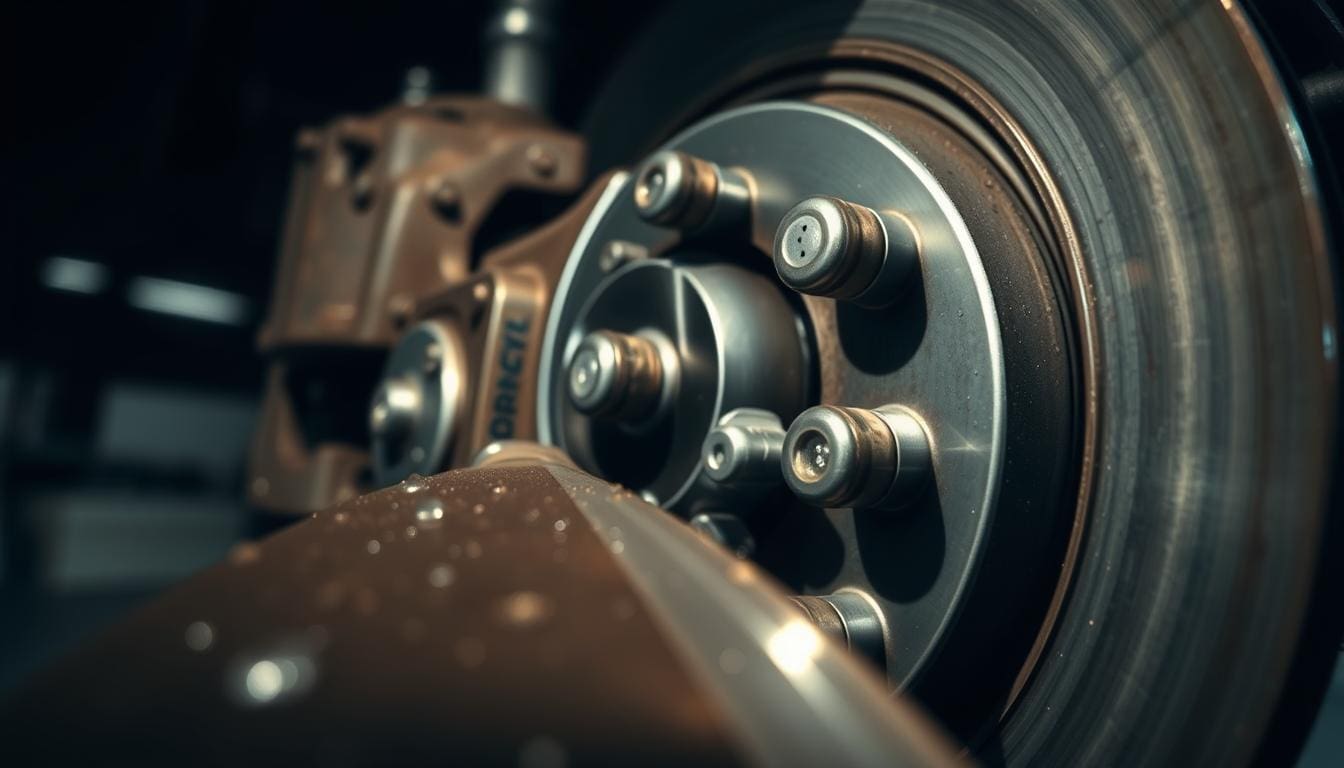
Hearing a high-pitched sound when you apply the brake in your car can be alarming. That noise often signals a problem in your vehicle’s brake system that needs attention right away.
You rely on brakes for safe travel, so a persistent squeal is not something to ignore. A simple squeak may point to worn pads, glazed rotors, or an issue with the caliper hardware. Any unusual sound or vibration while stopping should prompt an inspection to prevent further damage.
Understanding why the sound occurs helps you choose the right fix and avoid costly repairs. If you drive in San Antonio, local shops like Miracle Body and Paint Collision Center stress immediate checks. For more detailed warning signs and repair options, see this helpful brake warning guide.
Key Takeaways
- High-pitched noise when braking often means worn components.
- Your brake system is a key safety element; act fast on persistent sounds.
- Small squeaks can lead to bigger failures if left unchecked.
- Professional inspection will identify the root cause of the squeal.
- Local service centers can perform prompt checks and repairs.
Understanding Why Your Brakes Are Squeaking
When your vehicle emits a sharp noise while stopping, it usually signals a part is worn or contaminated. Identifying common causes helps you decide if the issue is temporary or needs service.
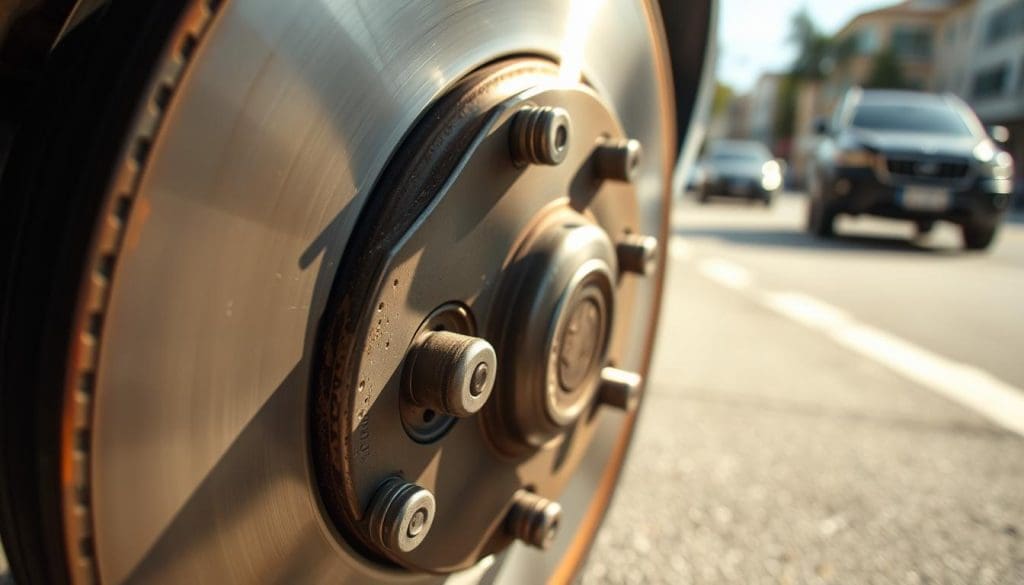
Many brake pads include a metal indicator tab. When the pad material gets thin, that tab rubs the rotor and creates a high-pitched squeal to warn you the pads need replacement.
Environmental factors also matter. Overnight moisture can leave a thin layer of rust on the rotor surface. That surface rust often causes temporary brake noise and typically clears after a few stops.
- Monitor persistent squeaks that do not fade after normal driving.
- Distinguish harmless surface rust from wear-related noises.
- Schedule an inspection if you hear a continuous squeal or feel vibration.
Miracle Body and Paint Collision Center recommends prompt checks when noises persist, since early action prevents more costly damage and keeps your vehicle safe.
Common Mechanical Causes of Squeaky Brakes
Many mechanical faults produce that telltale noise when you press the pedal, and most trace back to worn parts or poor lubrication.
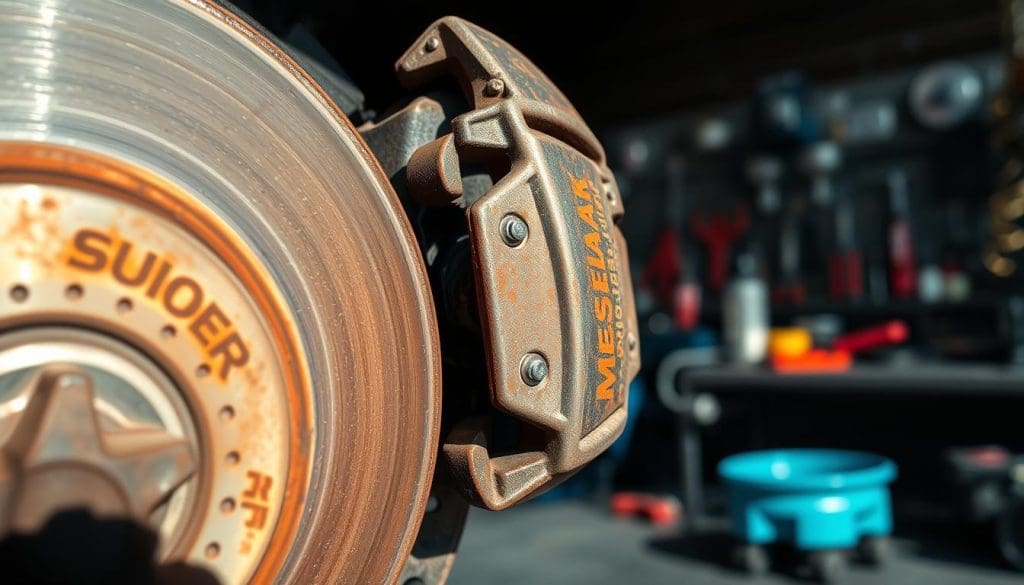
Worn brake pad indicators are designed to warn you. When the pad material gets thin, a metal indicator contacts the rotor and makes a sharp sound. This is a clear sign that pad replacement is due.
Hardware Vibration and Lack of Lubrication
Caliper slide pins and contact points need high-temperature grease. Without it, the caliper can vibrate and cause uneven wear and noise.
Low Quality Brake Pad Materials
Low-quality pads often contain more metal. That metal content creates persistent noise compared with premium ceramic options.
- Pads worn is the most common cause and a clear prompt for replacement.
- Debris between pad and rotor can cause grinding and needs immediate removal.
- Keeping the brake hardware free of rust and well-lubricated prevents many common causes.
For a deeper list of warning signs and repair options, check this brake warning guide.
Environmental Factors and Surface Contamination
Moisture and road spray can leave a thin layer of oxidation on rotor surfaces overnight. That light film often causes a high-pitched sound on the first stops after rain or high humidity.
The Impact of Moisture and Rust
Surface rust forms quickly when your vehicle sits in wet conditions. Driving in dry weather usually clears this thin layer as pads make contact with the rotor.
Contamination is another common cause. Oil, degreaser, or road debris on the pad material reduces friction and creates loud brake noise and a persistent squeal.
- Moisture and rust often produce a temporary thin layer on rotors.
- Dry driving can remove surface oxidation from pads and rotors over time.
- If noise continues after several stops, professional cleaning of pads, rotors, and brake hardware may be needed.
- Keep calipers and pads free of debris to prevent common causes of long-term noise.
When to Seek Professional Brake Repair
A loud grinding or change in pedal feel is more than an annoyance — it can be a sign of immediate danger.
If you hear metal-on-metal contact or persistent squeaky brakes, have the system checked right away. Letting the issue continue can damage rotors and calipers and raise repair costs.
Signs of Dangerous Metal on Metal Contact
Metal-on-metal contact happens when the pad material is gone and the backing plate grinds the rotor. That grinding sound is a clear sign your brake pads are dangerously worn.
- Grinding noise: immediate inspection is needed to prevent rotor scoring.
- Visible metal: if you can see exposed metal on the pad, schedule replacement now.
- Heat or smell: burning odors or hot wheels can mean severe wear or seized calipers.
Identifying Reduced Stopping Power
Reduced stopping force or a soft pedal may point to overheating, fluid leaks, or failing caliper hardware. These issues compromise safety and need professional service.
- If you feel vibration or pulling while braking, stop driving and get an inspection.
- Proper maintenance includes checking the pad material and brake hardware for wear and debris.
- Miracle Body and Paint Collision Center warns that prompt repair prevents costly rotor replacement and caliper damage.
When in doubt, have a certified technician inspect your pads, rotors, and calipers to keep your vehicle safe.
Conclusion
, When your stopping sound refuses to disappear, prompt inspection can save you time and money.
Addressing squeaky brakes early prevents further damage to your car and keeps your vehicle safe. Worn brake pads, rust on the rotor, or debris in the pad contact area can all reduce stopping power.
For reliable repair, hire Miracle Body and Paint Collision Center to fix collision repair damage and restore brake performance. We have two San Antonio locations to serve you.
North West: 6217 Grissom Rd, Leon Valley — (210) 680-1987. North East: 4650 Walzem Rd — (210) 858-3630.
Call today to check pads, caliper hardware, and rotor material before small issues become costly.