

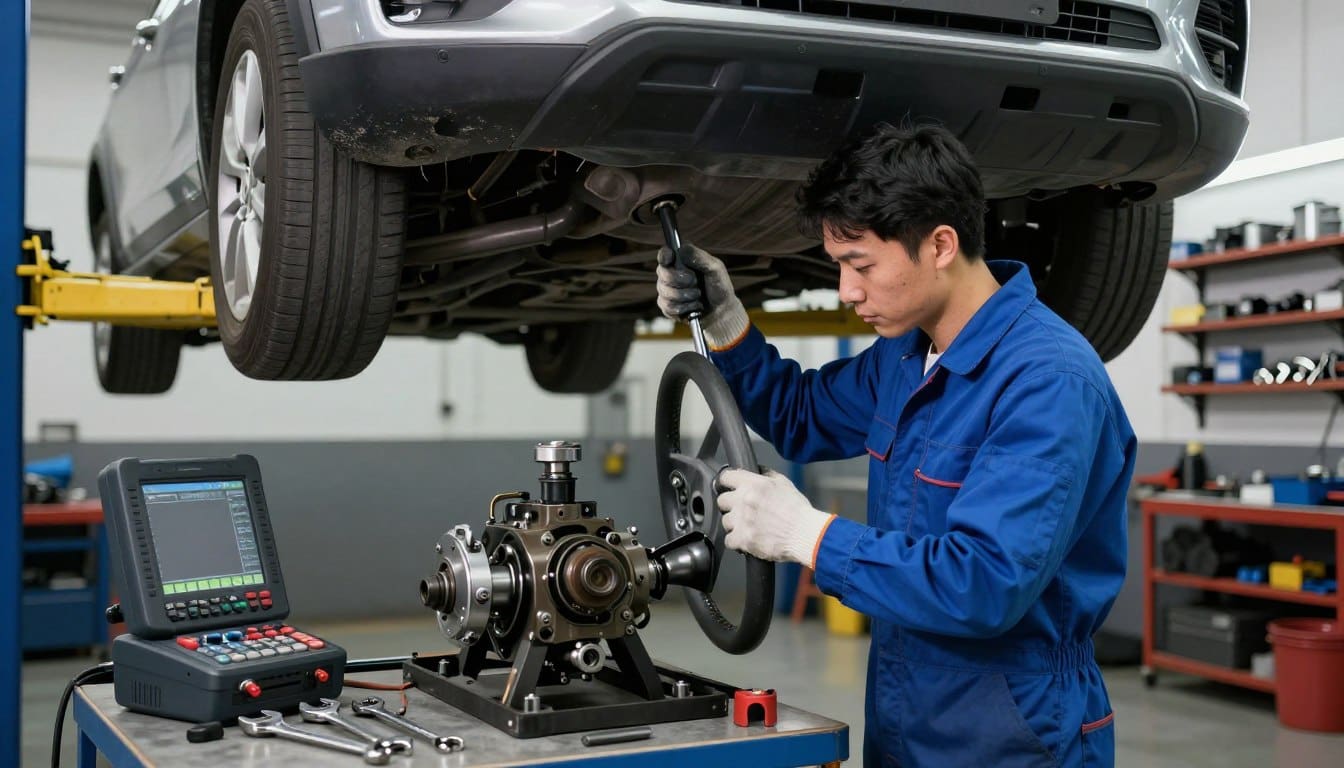
Your car is a complex machine that keeps you safe on the road. If you feel extra play in the wheel or hear clunking sounds, your car is trying to tell you something. Ignoring these early warning signs is risky and can lead to losing control.
Small problems can turn into big safety issues if not fixed. Getting a professional steering repair right away is key. It keeps your car safe and responsive every day.
Don’t wait until it’s too late to get help. A quick steering repair keeps your car handling well. It also gives you peace of mind while driving. Your safety depends on your car’s systems working right.
Key Takeaways
- Recognize that loose handling or unusual noises are critical red flags.
- Address minor mechanical issues immediately to prevent expensive future damage.
- Understand that your vehicle’s responsiveness is essential for road safety.
- Avoid the risks associated with driving a car that shows signs of instability.
- Schedule professional inspections to maintain optimal vehicle performance.
The Rising Trend of Steering System Failures in Modern Vehicles
Cars today are more advanced, putting a lot of stress on steering parts. The fast growth of automotive technology has brought in complex systems. These systems need precise settings, but their complexity often leads to more failures.
Keeping your steering system in good shape is now more complicated. In modern vehicles, sensors and computers are key to how your car steers. If these parts wear out or have software problems, steering can become unpredictable.
It’s important for drivers to stay informed about these changes. Regular maintenance can help catch problems early. This way, you can avoid losing control of your vehicle. Check out the table below to see how steering repairs have changed over time.
| Feature | Traditional Systems | Modern Systems |
|---|---|---|
| Complexity | Low (Mechanical) | High (Electronic/Hybrid) |
| Diagnostic Needs | Visual Inspection | Computer Diagnostics |
| Failure Frequency | Predictable Wear | Variable/Sensor-based |
| Repair Cost | Generally Lower | Higher due to Tech |
Understanding the Mechanics of Your Steering System
Every time you turn the wheel, a series of precise movements occur within your steering assembly. This complex network of parts works in harmony to translate your physical input into the directional movement of your vehicle. By learning how these components interact, you gain a better perspective on why regular maintenance is essential for your safety.
Components of Rack and Pinion Steering
The rack and pinion assembly serves as the heart of your vehicle’s steering. When you rotate the steering wheel, the steering column transfers that motion down to a small gear known as the pinion. This gear meshes with a long, toothed bar called the rack.
As the pinion turns, it pushes the rack from side to side. This lateral movement is then transferred to the wheels through tie rods, which connect the rack to the steering knuckles. This simple yet effective design allows for the responsive handling you expect while driving on the road.
The Role of Power Steering Fluid
In many modern vehicles, the physical effort required to turn the wheels is reduced by a hydraulic system. The power steering pump pressurizes the fluid, which then assists the rack and pinion assembly in moving the wheels with minimal force from the driver.
Power steering fluid acts as both a lubricant and a hydraulic medium within this closed loop. If the fluid level drops or becomes contaminated, the system loses its efficiency, often resulting in a stiff or noisy steering wheel. Keeping this fluid clean and at the proper level is a critical step in ensuring the longevity of your entire steering system.
Common Symptoms of Steering Failure You Should Not Ignore
It’s important to catch early signs of a failing steering system. This helps keep you in control of your vehicle. If your car doesn’t steer as it should, it might be a sign of wear and tear.
Fixing these problems early can prevent accidents. It keeps you safe while driving.
Identifying Loose Steering and Play in the Wheel
Does your steering wheel feel wobbly or move too much? This could mean loose steering. It often points to damaged or worn-out parts like tie rods or the steering rack.
Ignoring this play can cause you to lose control at high speeds.
Watch how much the wheel moves without resistance. If it feels disconnected, get a pro to check your suspension and steering linkage right away.
Why Your Vehicle Feels Hard to Steer
If your car is hard to steer, the issue might be with the power steering. This makes it tough to move in traffic or park. You might notice it when turning at low speeds or starting the car in the morning.
Several things can make steering hard, including:
- Low power steering fluid levels causing pump strain.
- A failing power steering pump that doesn’t provide enough pressure.
- A loose or slipping serpentine belt that drives the pump.
- Leaks in the steering gear assembly.
If your vehicle is noticeably difficult to handle, don’t wait. A car that’s hard to steer needs quick testing to find the problem. Fixing it early keeps you safe from loose steering or resistance issues.
The Dangers of Delaying Professional Steering Repair
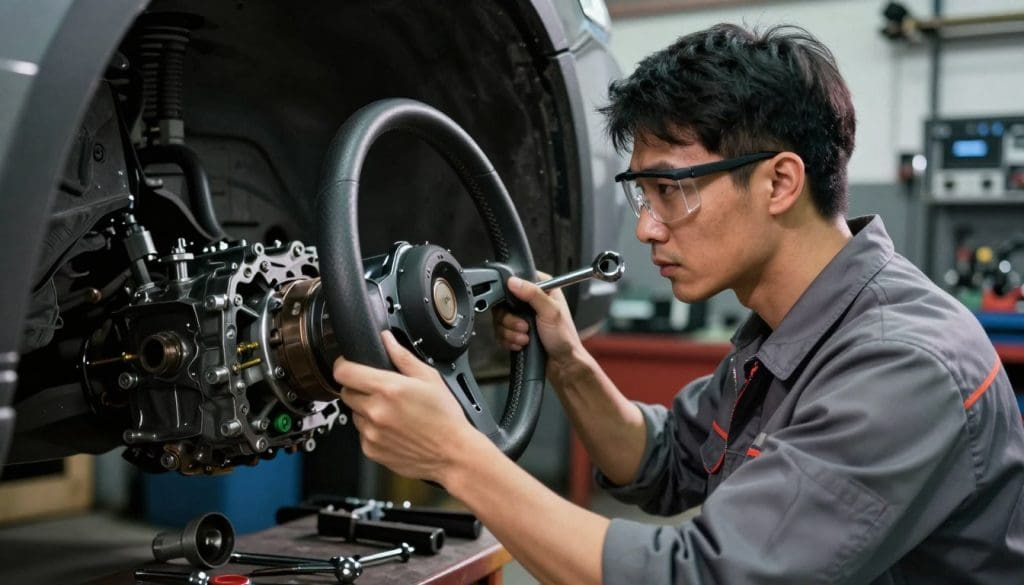
Putting off repairs on your steering system is a big risk to your safety. If your car handles differently, it’s essential to act fast. Ignoring these signs can lead to a complete breakdown when you least expect it.
Risk Factors During High-Speed Driving
Driving fast needs your steering to work perfectly. If it’s failing, your car might shake or pull to one side. These problems get worse at high speeds, making it hard to stay on course.
A bad steering system can cause you to lose control, even when changing lanes. If your steering wheel feels loose or hard to turn, it’s a warning sign. Consistent vehicle safety relies on your car responding right when you turn the wheel.
How Steering Issues Impact Emergency Maneuvers
In emergency situations, quick actions are key. If your steering system is faulty, it might not turn as expected. This delay could mean the difference between safety and disaster.
When you make emergency maneuvers, your steering takes a lot of stress. If it’s already damaged, it might break under pressure. Keeping your steering in good shape lets you handle unexpected dangers safely.
Local Trends in Steering Repair San Antonio Drivers Face
Driving in San Antonio can be tough on your car’s steering parts. The city’s streets put a lot of stress on your vehicle. Getting steering repair San Antonio early can stop small problems from becoming big safety risks.
Road Conditions and Their Impact on Suspension
Our area’s roads often have bumps and uneven spots. Running into potholes, curbs, and road debris can damage your car’s alignment and suspension. This makes your steering rack and tie rods work harder than they should.
After a while, this constant stress can make your steering feel loose and less precise. If your car pulls to one side after hitting a bump, it’s time to check your alignment. Ignoring these signs can cause uneven tire wear and more damage.
Why San Antonio Climate Affects Steering Components
The Texas heat is a big challenge for drivers here. High temperatures can dry out and damage your steering system’s rubber parts. This can lead to leaks in the power steering fluid, affecting how well your system works.
Also, the heat can change the power steering fluid’s viscosity, making it less effective. When you need steering repair San Antonio, our techs often find heat damage. Keeping up with your car’s maintenance helps keep your steering sharp during the hot summer.
The Importance of Regular Steering System Inspections
Regular checks are key to stopping wear and tear on your steering parts. They help catch small problems before they get big. Regular inspections keep your car safe and easy to steer.
What Technicians Look for During a Routine Check
Technicians use a detailed list to check your steering. They look at the steering rack and pinion for leaks or damage. These parts are important for steering your car.
They also check the tie rod ends and ball joints for any looseness. The power steering pump and belt get checked too. Finding these issues early is crucial for your safety.
Preventative Maintenance Versus Emergency Repairs
Some drivers wait until they hear a grinding noise to get help. This can lead to expensive repairs that could have been prevented. A quick check now saves a lot of money later.
The table below shows why regular checks are better than waiting for repairs:
| Feature | Preventative Maintenance | Emergency Repairs |
|---|---|---|
| Cost | Low and predictable | High and urgent |
| Safety | High confidence | Increased risk |
| Vehicle Downtime | Minimal | Extended |
Choosing preventative care saves money and stress. It keeps your steering system working well for a long time.
Diagnosing Power Steering Problems Early
Your vehicle often gives you hints when the steering system starts to fail. Spotting a power steering problem early can stop a small issue from becoming a big expense. By noticing how your car acts, you can fix problems before they risk your safety.
Recognizing Unusual Noises During Turns
Strange sounds while turning are a common sign of a power steering problem. If you hear a high-pitched whine or a deep groan, your system is likely in trouble. These sounds usually mean the pump is failing or the fluid levels are too low.
Don’t ignore these sounds as just road noise. When your steering system works too hard, it can cause damage. Getting a professional to check it out as soon as you notice these noises is the best way to protect your car.
Interpreting Warning Lights on Your Dashboard
Modern cars have sensors to warn you of problems. A light on your dashboard that looks like a steering wheel with an exclamation mark means there’s a fault in the power steering system. This light is a clear call for a professional to check your car.
If this light comes on, take it seriously like a check engine light. Driving with this light on can make your car extremely difficult to maneuver in traffic. Always get a qualified technician to fix any power steering issues before they make driving unsafe.
The Role of Power Steering Fluid in System Longevity
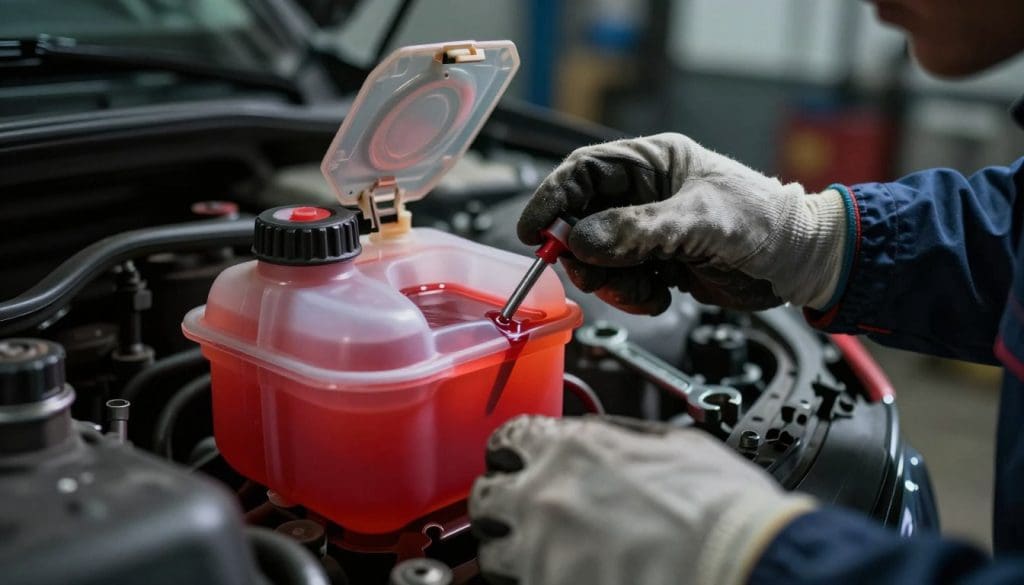
Think of power steering fluid as the lifeblood of your steering system. It helps you turn the wheel easily and keeps metal parts lubricated. Without it, your steering system would face too much friction and heat, leading to a big power steering problem.
Signs of Fluid Contamination or Leaks
Checking your fluid regularly is a smart move. Look for amber or reddish puddles under your car, signs of a leak. If the fluid looks dark, gritty, or smells burnt, it’s contaminated and needs to be changed right away.
Ignoring these signs can lead to a bigger power steering problem. Leaks can cause the system to lose pressure, making it hard to steer. Catching leaks early can save you from expensive repairs.
Why You Should Never Ignore Low Fluid Levels
Keeping the right amount of fluid in your steering system is important. Low levels can cause the pump to draw in air, leading to damage. This can wear out the pump and rack, making repairs costly.
If your steering feels stiff or hard to move, check the fluid level right away. Consistency is key for a reliable and safe vehicle. Don’t wait for a complete failure before adding more fluid, as it’s cheaper to do it early.
Technological Advancements in Electric Power Steering
The move from old hydraulic setups to Electric Power Steering (EPS) has changed how cars interact with the road. Old systems used engine pumps and fluid, but now, cars use electronic motors. This change makes cars more fuel-efficient and adds new driver-assistance features.
Differences Between Hydraulic and Electric Systems
The main difference is in power source. Hydraulic steering uses a belt-driven pump for fluid, giving a mechanical feel. On the other hand, EPS has an electric motor directly on the steering rack or column. It only works when you turn the wheel.
EPS is controlled by a computer, so it adjusts help based on speed. You get a light feel in parking and a firm feel on highways. But, it’s now based on digital signals, not just mechanical pressure.
Common Failure Points in Modern EPS Units
Even though EPS is efficient, it has its own problems. Unlike hydraulic systems, EPS can have software issues or faulty steering sensors.
If a sensor fails, the steering might feel heavy or unresponsive. Software bugs can also cause the steering to act strangely without damage. So, regular checks are as important as fluid checks in older cars.
| Feature | Hydraulic Steering | Electric Power Steering |
|---|---|---|
| Power Source | Engine-driven pump | Electric motor |
| Maintenance | Fluid flushes required | Software updates/Sensor checks |
| Efficiency | Lower (constant load) | Higher (on-demand) |
| Failure Signs | Leaks and whining noises | Warning lights and sensor errors |
How Professional Diagnostics Save You Money
Smart car owners know that getting a professional check-up is a smart move. It’s not just a cost; it’s an investment in your car’s future. Catching problems early saves you from bigger costs later on.
Avoiding Secondary Damage to Tires and Suspension
When your car’s steering parts start to wear out, it’s not just one thing. A loose tie rod or worn bushing makes other parts work harder. This can lead to uneven tire wear and early replacement.
Getting a steering repair early on helps in many ways:
- It stops uneven tire wear that shortens tire life.
- It reduces strain on ball joints and control arms.
- It keeps your wheels aligned, saving fuel.
The Cost of Ignoring Minor Steering Vibrations
Many drivers feel slight vibrations at high speeds. These are often signs of wheel balance or worn-out parts. Ignoring these signs can lead to a big problem.
Here’s a table showing the cost of acting early versus acting late:
| Service Type | Initial Cost | Long-term Savings |
|---|---|---|
| Routine Diagnostic | Low | High (Prevents major damage) |
| Ignoring Vibrations | Zero | Very High (Requires full overhaul) |
| Suspension Repair | Moderate | Medium (Restores handling) |
Getting a professional check-up means you only fix what needs fixing. It’s the best way to keep your car safe and your money in your pocket.
Choosing the Right Facility for Steering Repair
When your car needs attention, picking the right place is key. Your car has complex systems that need special care. A shop that focuses on safety and precision keeps your car running smoothly.
What to Look for in a Certified Automotive Shop
A good repair center shows current certifications from known groups. These prove they follow strict safety rules. Look for shops with the latest tech to find problems fast.
Transparency is important too. A top shop will explain the steering repair work clearly before starting. They should give detailed estimates and explain why certain parts are needed.
The Value of Expert Technicians at Heaven Automotive
At Heaven Automotive, we know your steering system is key for safety. Our team is trained in complex mechanics. We aim for meticulous service to keep your car in top shape.
Choosing us means you value your car’s long-term health over quick fixes. We use advanced tools for every steering repair. Our focus on preventative care saves you from big problems later.
We promise to make every driver leave our shop feeling confident. Whether it’s a small tweak or a big overhaul, our experts set the highest standard of care. Trusting your car to Heaven Automotive means it will stay precise for years.
Safety Protocols for Steering System Maintenance

Keeping your vehicle’s steering system in top shape is a must. It’s all about safety, as any mistake can be very dangerous. Always choose expert care to keep your car safe and easy to drive.
Why DIY Steering Repairs Are Risky
Trying to fix steering problems at home can be very risky. These parts are complex, and a small mistake can cause loose steering at high speeds. Without the right tools, you might miss serious damage.
Experts are trained to handle these parts carefully. Skipping professional help can lead to bad installations and loss of control. Your safety is far too valuable to risk with DIY fixes.
The Importance of Using Quality Replacement Parts
The parts you use are just as important as the technician’s skill. Cheap or aftermarket parts can wear out fast and handle unevenly. High-quality, approved parts keep your steering tight and safe from loose steering.
Choosing premium parts means your car will last longer and work better. These parts meet high safety standards, ready for daily driving. Quality parts keep your car’s performance up and your investment safe.
| Feature | DIY Repair | Professional Service |
|---|---|---|
| Safety Standards | Often compromised | Strictly followed |
| Part Quality | Variable/Unknown | Certified/OEM |
| Diagnostic Tools | Limited/Basic | Advanced/Precision |
| Long-term Reliability | Low | High |
The Impact of Wheel Alignment on Steering Feel
Did you know your steering problems might be due to wheel alignment? Many think a pulling steering wheel means a big mechanical issue. But, proper wheel alignment keeps your car’s steering smooth and responsive.
How Misalignment Mimics Steering Failure
When wheels are misaligned, your car pulls to one side. This makes you steer often, feeling like your steering is loose or failing. It’s a common mistake to think this means expensive repairs.
Misalignment can make your car seem like it’s steering system is failing. Look out for these signs:
- The vehicle pulls consistently to the left or right on flat roads.
- The steering wheel appears off-center even when you are driving straight.
- You notice uneven tire wear across the tread surface.
- The car feels “vague” or unresponsive during minor lane changes.
The Connection Between Tires and Steering Precision
Your tires are the main contact with the road. If they’re not aligned, they don’t sit flat. This affects your steering precision and stability.
Fixing your alignment improves your suspension’s geometry. This ensures even tire wear and sharp steering. Getting a professional alignment check is a cost-effective way to keep your tires and steering in top shape.
Expert Advice on Handling Steering Emergencies
Driving and suddenly losing control of the steering is scary. It makes you feel like you can’t steer at all. The key is to stay calm and focus on stopping safely.
What to Do If Your Steering Locks Up
If your steering wheel locks up, don’t panic. Immediately take your foot off the gas. This lets the car slow down on its own.
Shift into neutral if it’s safe to do so. This helps the engine and wheels disconnect. Hold the wheel tightly, as you might have some control left.
Safe Pull-Over Procedures for Steering Loss
Slow down and use your brakes gently to steer toward the side. Don’t slam on the brakes, as it can cause a skid. Turn on your hazard lights to warn other drivers.
Once you’re safely stopped, put the car in park and use the emergency brake. Turn off the engine and call for roadside help right away. Don’t drive it again until a mechanic checks the steering.
| Emergency Step | Action Required | Safety Priority |
|---|---|---|
| Initial Reaction | Stay calm and lift foot off gas | High |
| Vehicle Control | Grip wheel firmly | High |
| Braking | Apply steady, gentle pressure | Medium |
| Final Stop | Engage parking brake | High |
Commitment to Quality Service at Heaven Automotive
Your vehicle needs top care, and that’s what we offer at Heaven Automotive. We know your safety depends on your car’s handling. That’s why we’re known for our steering repair San Antonio drivers rely on.
Our Approach to Comprehensive Vehicle Safety
We believe in proactive maintenance for safe driving. Our techs use advanced tools to spot issues early. This way, we make sure your steering system works perfectly.
Our team aims for reliable results every time. We treat your car like our own. That’s why locals trust us for their car needs.
Visit Us at 6645 Poss Rd. San Antonio, TX 78238
Having trouble with your car’s handling? Our experts are here to help. Find us at 6645 Poss Rd. San Antonio, TX 78238. We offer top-notch steering repair San Antonio services.
Call us at (210) 682-3898 to talk about your car or schedule a check-up. We’re committed to your safety and a smooth ride. Your safety is our top priority every time you visit.
Conclusion
Your steering system connects your wishes to the road. Keeping this link strong means you stay in control everywhere in San Antonio.
Small signs can mean big problems are coming. If your car vibrates or makes odd sounds, it’s a warning. Taking care of it early keeps your car safe and reliable for a long time.
Expert mechanics give you confidence on the road. The team at Heaven Automotive is ready to fix your steering system with care.
Book your service at 6645 Poss Rd. San Antonio, TX 78238 to get your car running great. Choose Heaven Automotive for a smooth, safe drive every time.