

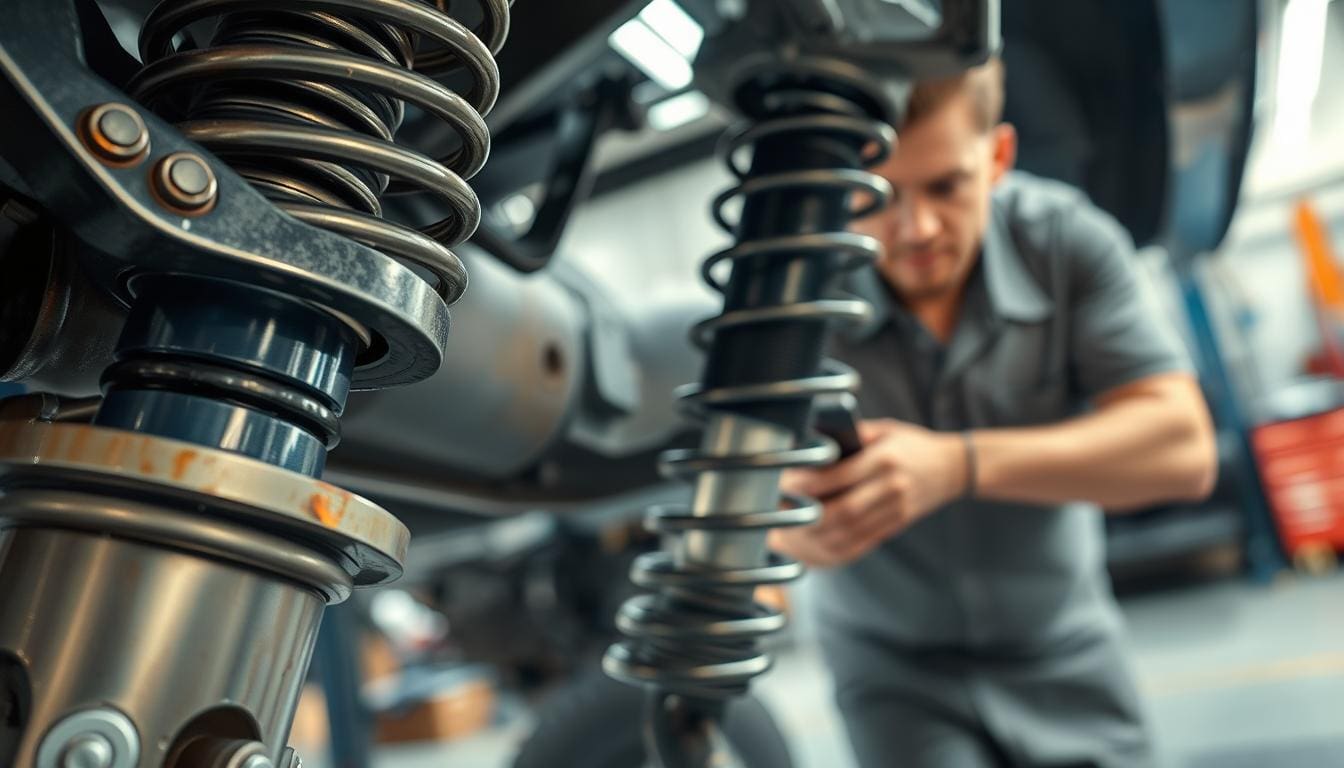
Your car’s ride affects safety and comfort. The systems under your vehicle keep tires on the road and help you stay in control. If your drive starts to feel off, you should act quickly.
Miracle Body and Paint Collision Center notes that ignoring early warnings can cause bigger damage and higher costs. Spotting issues early protects you and other road users.
The short list ahead will help you recognize common changes in how your car handles. Learn what to watch for and when to get a professional inspection.
Key Takeaways
- Early detection preserves safety and reduces future expenses.
- You should monitor how your vehicle steers, rides, and brakes.
- Small changes in handling often point to bigger underlying issues.
- Professional checks by trusted shops like Miracle Body and Paint can prevent costly outcomes.
- Understanding basic care helps extend the life of your car and parts.
Understanding Your Vehicle Suspension System
Understanding the parts that manage your ride makes maintenance easier. The car suspension system is a network of parts that smooth bumps and keep tires planted on the road. Knowing those components helps you spot when the vehicle needs attention.
Components of the System
The system includes springs, shock absorbers, struts, bushings, joints, and bearings. These parts let sway bars and linkages twist and move while absorbing impacts.
Key roles:
- Springs and absorbers manage vehicle weight for a smooth ride.
- Struts and shocks work together to tame bumps and motion.
- Bushings and bearings allow controlled movement of steering and suspension components.
Front Versus Rear Suspension
Front components play a major role in steering control and stabilization, especially on front-wheel-drive cars. Rear systems focus more on traction and load handling, which matters on rear-drive layouts.
Proper alignment — camber, caster, and toe — ensures even tire wear and better handling. Regular maintenance, like checking fluid levels and inspecting parts, keeps the car suspension system performing at its best.
Common Suspension Repair Signs to Watch For
Noticing how your car behaves on normal roads can help you catch problems before they grow.
Pulling to one side often points to damaged struts, worn joints, or simply an alignment issue. If your vehicle drifts toward one wheel, have the steering and components checked right away.
Bouncing over bumps means the shock absorbers or struts are not damping motion. A rough ride reduces control and can speed up tire wear.
One corner sits lower when a blown-out shock or weak springs lose support. That imbalance can cause uneven tire wear and extra stress on nearby parts.
- Look for uneven tire wear as a clear indicator of system issues.
- Perform regular maintenance and timely inspections to avoid costly repairs.
- Whether front or rear, early detection saves time and money at a professional shop.
For a full overview and tips on when to schedule service, see our suspension repair guide.
How Road Conditions Impact Your Ride
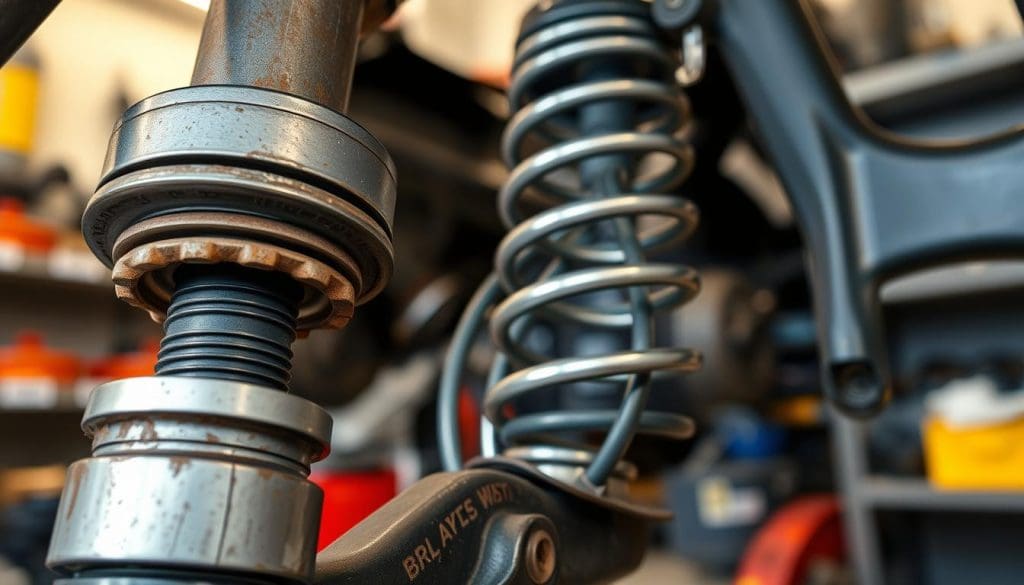
Every pothole and dip puts extra strain on the parts that keep your vehicle steady. Those impacts make shock absorbers and springs work harder than intended. Over time, that wear changes how your car handles and how comfortable your ride feels.
The Effect of Bumps and Dips
High-impact roads break down components faster. Driving over rough surfaces frequently stresses springs, struts, and shock absorbers. This leads to reduced damping and a harsher ride.
Excessive weight and hard braking can worsen the problem. The front of your vehicle may dip under load or sudden stops. That movement often points to failing shocks or worn struts and requires attention before more damage occurs.
- Rough roads accelerate wear on springs and absorbers.
- Struts and shocks absorb energy to protect other vehicle parts.
- If you feel every bump, your shocks struts are likely past their prime.
- Consistent exposure to poor road surfaces will shorten system life and call for professional checks.
Identifying Steering and Handling Difficulties
If steering feels heavy or the wheel sits off-center, your car may be trying to tell you something important.
Difficulty steering often links to worn parts or low fluid. Low power steering fluid, worn column bushings, or a failing pump can make the wheel hard to turn.
A vehicle that drifts or feels like it is pulling one side during cornering usually points to issues in the suspension system. That problem can also leave the steering wheel off-center and tires wearing unevenly.
Miracle Body and Paint Collision Center notes that a misaligned steering wheel is a common indicator of damage to steering or suspension components. Don’t ignore a persistent pull or unusual wheel play.
- Hard steering or wandering is often a sign your car suspension is not keeping wheels aligned.
- Check fluid levels and look for worn bushings or pump noise when you have handling difficulty.
- Addressing these problems promptly prevents more damage and keeps your vehicle safe to drive.
The Importance of Professional Collision Inspections
A post-collision check by a trained technician protects you from hidden damage. After any impact, components can bend or shift in ways that are not obvious during a quick look. A full inspection helps restore your vehicle to factory safety standards.
The Role of the Technician
Technicians start with a walk-around, then perform a test drive and undercarriage exam to detect trouble under the car. They check tires, springs, shock absorbers, and steering components for deformation or abnormal wear.
Diagnostic Equipment
Advanced alignment racks and scope tools reveal bent parts and misalignment that affect wheel tracking and tire wear. Trained mechanics use these tools to confirm if parts are beyond factory specs.
- Why it matters: Minor damage left unaddressed can cause uneven tire wear and poor handling on the road.
- Expertise: Pros with formal training, like the UTI Collision program, bring focused skills to complex vehicle inspections.
- Next steps: If your car pulls to one side or the wheel sits off-center, an alignment rack will pinpoint the source.
Testing Your Suspension at Home
Before you drive to a shop, try these easy steps to spot common problems yourself.
Bounce test: Push down on one corner of the hood or the trunk and let go. If the car bounces three times or more, your shock absorbers or struts are likely worn and need attention.
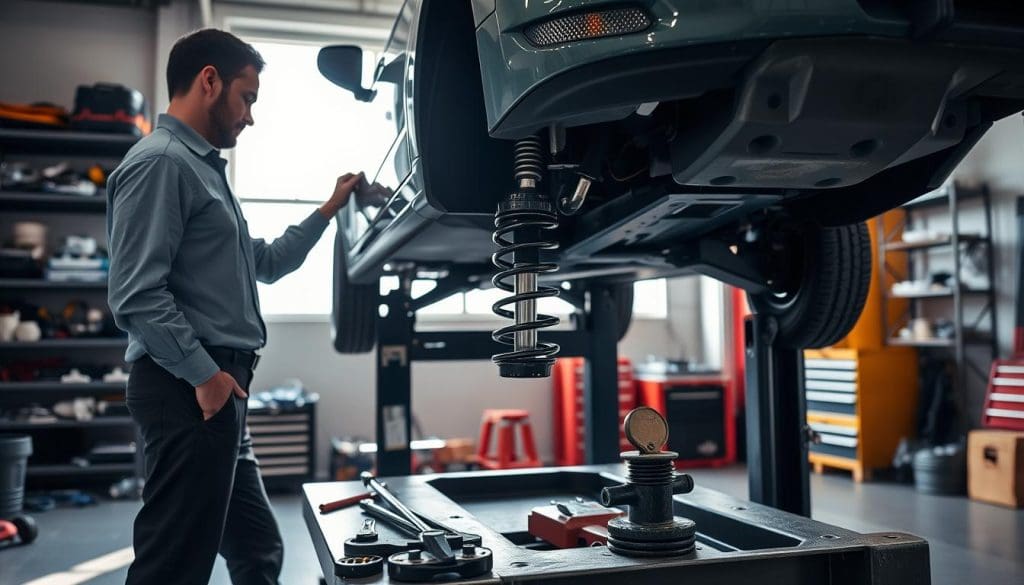
Visual inspection: Look for greasy or oily fluid on the body of the shocks or struts. A leaking absorber is a frequent problem that points to part failure and may require prompt repair.
- Check each corner with the bounce test to compare behavior across the system.
- Scan for uneven tire wear; this can reveal alignment or component issues on one side.
- Watch for torn bushings, broken mounts, or visible damage to springs and absorbers.
Regular home checks help you catch issues early and schedule maintenance before damage spreads to other parts. While these tests are useful, always consult qualified mechanics if you spot fluid leaks, uneven handling, or any suspected damage to steering or suspension components.
Conclusion
Prompt attention to handling and ride comfort prevents minor issues from becoming costly. Catching damage early saves time and money.
Maintain a smooth, safe ride by scheduling professional checks when you notice changes. Quick action reduces the chance of more extensive repairs later.
Hire Miracle Body and Paint Collision Center to fix your collision repair damage. We have 2 locations to serve you:
North West San Antonio – Leon Valley: 6217 Grissom Rd., San Antonio, TX 78238. Call (210) 680-1987.
North East San Antonio: 4650 Walzem Rd, San Antonio, TX 78218. Call (210) 858-3630.
With two convenient locations, Miracle Body and Paint Collision Center is ready to provide expert care your vehicle deserves.