

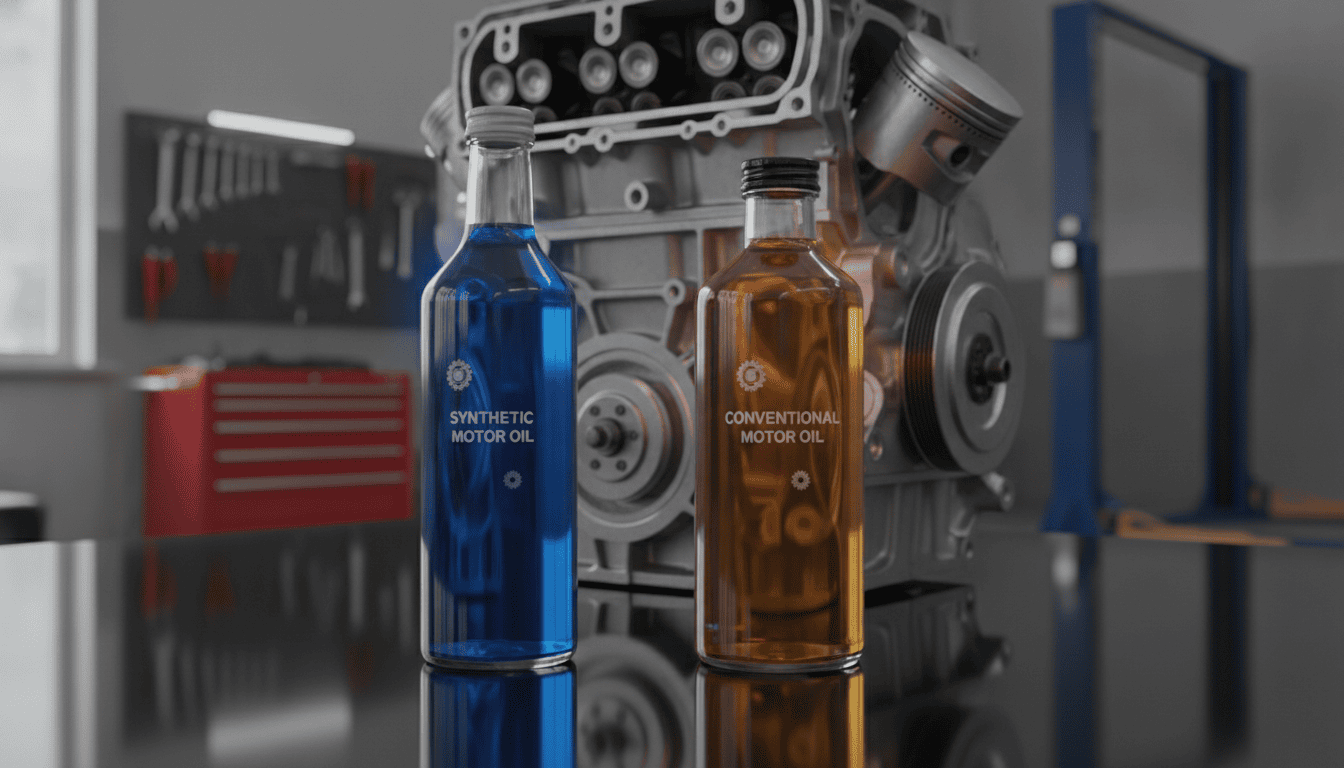
Choosing the right engine lubricant is critical for every driver. You may ask whether a motor oil comparison earns its cost or your car needs an engine oil upgrade. Your owner’s manual remains the best guide for viscosity and service intervals in this synthetic vs conventional oil guide.
Proper maintenance extends your vehicle’s life significantly. You may prioritize high-temperature performance or long-term cost savings. We will explore how these products protect internal components during daily commutes and support overall engine health.
If you need expert advice or professional service, Heaven Automotive is here to help. Our team provides reliable vehicle care at 6645 Poss Rd, San Antonio, TX 78238. Call us at (210) 682-3898 to schedule your next maintenance appointment today.
Key Takeaways
- Always consult your owner’s manual for manufacturer-recommended viscosity and service intervals.
- Premium lubricants often provide superior protection during extreme temperature fluctuations.
- Consider your driving habits and vehicle age when choosing between different fluid types.
- Regular maintenance is the most effective way to prevent costly engine repairs over time.
- Heaven Automotive in San Antonio offers professional guidance for all your vehicle service needs.
Understanding the Basics of Engine Oil
Engine oil protects vital vehicle parts from friction and heat. Learn how different lubricants work with your engine design. Call the experts at Heaven Automotive, (210) 682-3898, 6645 Poss Rd., San Antonio, TX 78238, to verify your vehicle’s proper specification.
What is Conventional Oil?
Conventional motor oil comes from crude oil refined through a standard process. It remains common in older vehicles with simpler engine designs. It lubricates well but lacks the chemical stability of newer oils.
What is Synthetic Oil?
Full synthetic motor oil is made in a lab with a consistent molecular structure. Its steady structure resists heat and pressure better than natural oils. A synthetic blend mixes both base stocks, offering protection at lower cost than full synthetic.
Key Differences Between the Two
The main difference is oil viscosity, or how easily oil flows at different temperatures. Proper oil viscosity protects your engine during cold starts and stays stable during fast highway driving. The table below shows the main differences.
| Oil Type | Base Composition | Performance Level | Ideal Use |
|---|---|---|---|
| Conventional | Refined Crude | Standard | Older Engines |
| Synthetic Blend | Mixed Base | Enhanced | General Daily Driving |
| Full Synthetic | Engineered | Superior | Modern/High-Performance |
Benefits of Synthetic Oil
Upgrading to quality lubricants can change how your engine handles daily stress. Choosing full synthetic oil benefits gives internal parts a cleaner, steadier environment.
Superior Engine Protection
The main benefit of this lubricant is its advanced synthetic oil protection. Unlike conventional oils, this formula has fewer impurities and resists breakdown over time.
This helps your engine stay cleaner for longer. Less sludge keeps vital parts lubricated and reduces harmful friction that causes early wear.
Better Performance in Extreme Conditions
The value of synthetic oil performance shows most during harsh weather. Synthetic oil flows quickly during cold starts, preventing dry friction when you turn the key.
It stays stable under heavy loads and intense heat. Whether towing a trailer or driving through a hot summer in San Antonio, your oil stays stable. It keeps its viscosity and helps keep your engine cool.
Improved Fuel Efficiency
Many drivers see a slight fuel-economy boost after switching to synthetic products. Because the oil creates less internal drag, your engine works less to move its parts.
Remember, results depend on your vehicle design and driving habits. If you notice unusual engine noise, leaks, or performance changes, contact the experts at Heaven Automotive. They are located at 6645 Poss Rd. San Antonio, TX 78238. Call (210) 682-3898 to schedule a professional inspection.
Benefits of Conventional Oil
You may wonder whether traditional engine oil remains a smart choice. Advanced formulas exist, but conventional oil remains trusted by drivers across the United States. It suits an older vehicle oil system that has used standard lubricants for years.
Cost-Effectiveness
Many drivers choose it because of its lower conventional oil cost. If your vehicle needs frequent changes or holds much oil, savings can grow quickly. This budget-friendly choice supports regular maintenance without straining your budget.
Easy Availability
You can find standard motor oil at a local service station or major retailer. It is almost always in stock, so you can change your oil on your schedule. You do not need to search for specialized products.
Satisfactory Protection for Older Engines
Vehicles with heavy wear may need a synthetic blend or specialized high mileage oil. These oils help condition seals and protect against deposits better than standard oil alone. They help engines with many miles run smoothly.
If you feel unsure, the team at Heaven Automotive can help. Visit 6645 Poss Rd. San Antonio, TX 78238, or call (210) 682-3898 about your maintenance needs. They can check your engine’s condition before you choose the right lubricant.
- Budget-friendly: Lower upfront expenses for routine service.
- Widely available: Easy to find at any auto parts store.
- Engine-specific: Ideal for older designs that do not require complex synthetic additives.
How Oil Quality Affects Your Engine
Your engine’s health depends on the oil moving through its parts. Base oil provides lubrication, but its chemistry helps your vehicle handle heat and stress over time. Choosing the right product protects your investment.
The Role of Additives in Engine Oil
Modern engine oil additives are advanced compounds that improve engine performance. Detergents clean inner surfaces, while dispersants hold contaminants in suspension. They help keep harmful debris from settling inside the engine block.
Anti-wear agents shield moving metal parts during cold starts and heavy loads. Without these chemicals, your engine would face much more friction. Consistent lubrication depends on active, effective additives.
Long-Term Effects of Low-Quality Oil
Inferior products and missed service intervals speed up oil degradation. This breakdown weakens the oil and creates thick, tar-like deposits. sludge prevention fails when oil cannot neutralize acids or control heat.
These deposits restrict oil flow and increase friction, causing early component wear. Even costly synthetic oil cannot fix missed service intervals or incorrect specifications. If you notice odd engine noises or performance drops, visit Heaven Automotive.
The shop is at 6645 Poss Rd. San Antonio, TX 78238; call (210) 682-3898.
Our team can assess your current oil condition and spot symptoms before small lubrication issues become costly repairs. Choosing quality oil and timely maintenance helps keep your vehicle reliable for years.
Recommended Change Intervals
Fresh oil helps your engine work at its best, but the right timing matters. Modern lubricants last longer, but follow your vehicle manufacturer’s specific guidelines. Heavy traffic, extreme temperatures, and frequent short trips can shorten oil life.
How Often Should You Change Synthetic Oil?
A synthetic oil change interval often lasts longer than traditional options, sometimes reaching 7,500 to 10,000 miles. However, severe service conditions, such as towing heavy loads or idling in city traffic, require more frequent changes. Always check your owner’s manual to avoid pushing your engine beyond its design limits.
If you are unsure about your needs, the experts at Heaven Automotive can help. Located at 6645 Poss Rd. San Antonio, TX 78238, our team offers guidance tailored to your driving habits. Call us at (210) 682-3898 to schedule your next service appointment.
How Often Should You Change Conventional Oil?
The conventional oil change interval is usually shorter, between 3,000 and 5,000 miles. This means more shop visits, but some drivers choose it for older vehicles or certain engine types. Consider the oil change cost difference and your needed maintenance schedule.
A cheaper option may seem smart, but ignoring the oil change cost difference can cause costly engine repairs over time. Whether you use synthetic or conventional oil, consistency protects your investment. If you need help choosing, call Heaven Automotive at (210) 682-3898 for a consultation.
Environmental Considerations
Every driver helps protect natural resources through responsible vehicle care. sustainable oil maintenance practices lower your car’s effect on the planet. Smart choices support a cleaner environment and help your engine run smoothly.
Eco-Friendliness of Synthetic Oil
Many people think synthetic oil is always better for Earth, but the truth is more complex. Synthetic oil often lasts longer, so drivers change it less often. Its production, however, uses much energy.
It is important to remember that no oil is entirely harmless to the environment.
Choosing an eco-friendly motor oil means reviewing the product’s full life cycle. Because synthetic oil lasts longer, it creates less waste over time. Still, handle these fluids with great care to prevent soil and water contamination.
Recycling Conventional Oil
Proper disposal is the most critical step in used oil recycling. Never pour old oil down a drain or onto the ground. It can badly harm local ecosystems. Instead, seal used oil and filters in secure containers before taking them to an authorized collection center.
If you need professional help with your vehicle’s fluids, Heaven Automotive is ready to help. Located at 6645 Poss Rd. San Antonio, TX 78238, our team offers expert guidance for managing waste responsibly. Call us at (210) 682-3898 to schedule your next service and keep your car in top shape.
| Maintenance Aspect | Synthetic Oil | Conventional Oil |
|---|---|---|
| Change Frequency | Lower (Less Waste) | Higher (More Waste) |
| Production Impact | High Energy Use | Moderate Energy Use |
| Recycling Potential | High | High |
| Disposal Requirement | Strictly Regulated | Strictly Regulated |
Cost Comparison: Synthetic vs Conventional
Understanding the true oil change cost difference means looking beyond your service invoice. The lowest upfront cost may not offer the best value over several years.
Initial Investment versus Long-Term Savings
A higher synthetic oil price is common compared with traditional options. However, synthetic products often support longer service intervals, so you visit the shop less often.
Fewer service appointments can reduce labor costs and limit engine wear over time. The cheapest quart today may cause higher repair bills later without enough protection.
| Feature | Conventional Oil | Synthetic Oil |
|---|---|---|
| Upfront Cost | Lower | Higher |
| Change Interval | Frequent | Extended |
| Engine Protection | Standard | Superior |
Factors Influencing Oil Prices
Several factors shape the conventional oil price at the register. These include the viscosity grade required by your manufacturer, additive quality, and oil filter type.
Labor rates and regional pricing also affect your total bill. For an accurate estimate for your vehicle, visit the experts at Heaven Automotive. They are at 6645 Poss Rd. San Antonio, TX 78238, and you can call (210) 682-3898 about your needs.
Balance your budget with your engine’s needs to support long-term reliability. Quality fluids today can help prevent costly mechanical issues later.
Performance in Different Weather Conditions
Your oil must stay stable through freezing mornings and scorching afternoons. Your engine needs steady lubrication to stop metal contact on every drive. Knowing how temperature affects your oil viscosity helps protect your vehicle for years.
Synthetic Oil in Cold Weather
Cold temperatures can thicken standard fluids and make engine starts harder. A quality cold weather oil flows fast to key parts when you start your car. This quick flow cuts wear during the first crucial seconds.
Synthetic oil keeps a steady flow in sub-zero conditions. The right grade helps your engine start reliably, even in frost. If you need help, Heaven Automotive at 6645 Poss Rd. in San Antonio, TX, can check your needs.
Conventional Oil in Hot Weather
High heat can make oil break down or thin, reducing its protection. A dependable high-temperature engine oil resists oxidation and helps prevent sludge during long summer drives. Proper oil viscosity helps keep your engine cool under heavy loads.
Conventional oil works well in moderate climates but may struggle under extreme heat. Watch your engine closely if you often drive in intense heat. For cooling advice or an inspection, contact Heaven Automotive at (210) 682-3898.
| Condition | Synthetic Performance | Conventional Performance |
|---|---|---|
| Cold Starts | Excellent flow | Slower circulation |
| High Heat | High stability | Risk of oxidation |
| Overall Protection | Superior | Satisfactory |
Vehicle Type and Oil Recommendations
Finding the best oil for my car starts with knowing your engine’s needs. Each manufacturer builds engines with unique tolerances, so wrong oil may cause early wear or performance problems. If unsure, Heaven Automotive at 6645 Poss Rd. San Antonio, TX 78238, can check owner’s manual and service history.
Best Practices for Modern Vehicles
When selecting modern vehicle oil, prioritize the specifications listed in your owner’s manual. Many newer engines feature turbochargers and variable valve timing systems that operate under extreme pressure. These components rely on specific viscosity grades for optimal lubrication and cooling.
Tighter engine clearances mean oil must flow quickly during cold starts while remaining stable under high heat. Never substitute conventional oil when the automaker requires synthetic oil. Doing so can void your warranty and harm sensitive internal parts calibrated for high-performance synthetic fluids.
Recommendations for Older Models
Finding the right older model oil recommendations means checking original manufacturer requirements, not just vehicle age. Some older engines run well with conventional oil, while others may benefit from high-mileage synthetic blends with seal conditioners. These additives help prevent leaks and maintain compression in engines that have seen years of service.
Always check the API classification on the bottle to meet standards for your engine generation. Oil that is too thin or thick can hurt oil pressure and fuel economy. Consider these factors when choosing your next lubricant:
- Manufacturer Specifications: Always follow the viscosity grade recommended by the brand.
- API Classifications: Ensure the oil meets the current industry standards for your engine type.
- Driving Habits: Frequent short trips or heavy towing may require more frequent changes regardless of the oil type.
Common Misconceptions About Synthetic Oil

Car care often brings persistent myths about engine lubricants. These myths can make drivers fear changes to their maintenance routines. Knowing the facts helps protect your vehicle for years.
Myths Debunked
One of the most common synthetic oil myths is that switching oil will automatically cause engine leaks. Synthetic oil does not create leaks. It may reveal old seal or gasket problems by clearing sludge from small gaps.
Another frequent concern involves switching oil types. You can mix synthetic and conventional oils without damage if viscosity and API specifications match your owner’s manual. If concerned, experts at Heaven Automotive, 6645 Poss Rd. San Antonio, TX 78238, can inspect your seals and records.
Consider these common concerns when evaluating your next service:
- Compatibility: Most modern oils are designed to be compatible with one another.
- Engine Damage: High-quality synthetic lubricants are engineered to protect, not harm, your engine components.
- Seal Integrity: If your engine is older, you might consider high mileage oil to help condition seals and prevent leaks.
The Truth About Oil Lifespan
Many owners think synthetic oil lasts forever, but that is not true. It resists breakdown better than conventional oil, yet collects dirt, fuel, and moisture over time.
Follow the manufacturer’s recommended intervals, not marketing claims about extreme longevity. Using high mileage oil gives older engines extra protection, but regular replacement still supports peak performance.
| Myth | Reality | Action |
|---|---|---|
| Synthetic causes leaks | It cleans existing deposits | Check seals at (210) 682-3898 |
| Cannot mix oils | Compatibility is standard | Match API specifications |
| Switching oil types is risky | Safe for most engines | Consult your manual |
Your driving habits and engine needs set the best service schedule. If you feel unsure, contact Heaven Automotive for professional guidance. They can guide the transition safely and keep your engine smooth for years.
Conclusion: Which Oil is Right for You?
Your vehicle’s age, maker’s rules, and local climate help you choose the right oil. Your owner’s manual gives the main viscosity and API specifications. Following these rules helps your engine run smoothly for years.
Full synthetic oil benefits include better performance in hot and cold temperatures and cleaner engine parts. These oils often allow longer service intervals in modern engines. Conventional oil still suits some older models with special needs.
Key Considerations for Your Vehicle
Finding the best oil for my car means balancing cost with long-term engine health. Consider your driving habits and your engine design’s specific needs. This synthetic vs conventional oil conclusion shows informed choices can improve performance.
Professional maintenance helps keep your vehicle in peak condition. Visit Heaven Automotive at 6645 Poss Rd. San Antonio, TX 78238 for expert guidance. Call (210) 682-3898 to Hire Heaven Automotive to fix your vehicle today.