

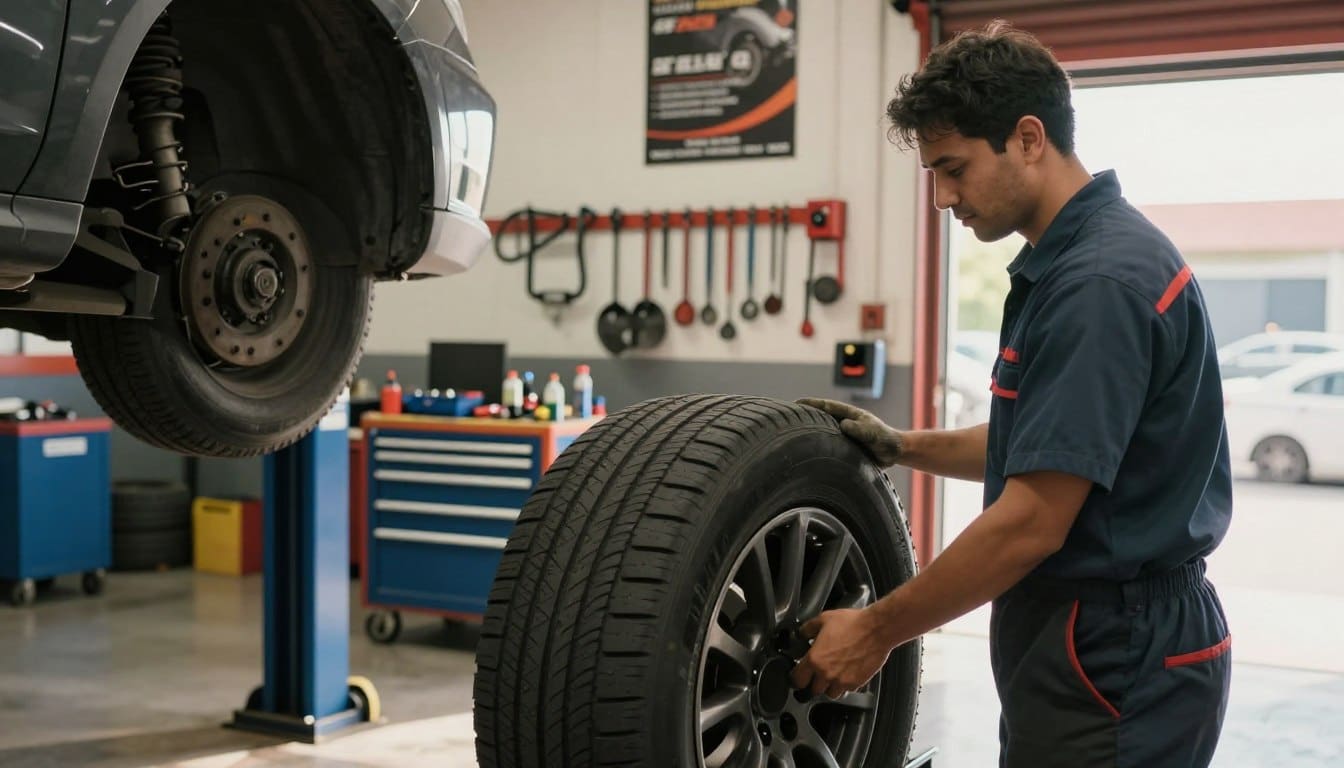
Keeping your car in good shape involves many small steps that add up to big savings. Many overlook how each wheel bears different pressures. Learning a few tire maintenance tips can prevent early tire replacements and keep your car running well.
Rotating your tires means swapping them between axles to wear them evenly. This makes your tires last longer and saves you money on gas. When looking for a tire rotation San Antonio service, aim for one that ensures a balanced and safe ride.
Not only will you notice better grip and fuel economy right away. Protecting your investment begins with regular care for your wheels. Regular maintenance prevents uneven wear and keeps your car responsive on long drives.
At Heaven Automotive, we focus on keeping your vehicle in top shape. Our team of experts provides the care you need for safe and smooth driving. Contact us today to book your next service and see the difference we make.
Key Takeaways
- Swapping positions ensures even tread wear across all four wheels.
- Regular upkeep significantly improves gas mileage and overall fuel efficiency.
- Consistent checks extend the lifespan of your vehicle’s expensive rubber.
- Balanced treads provide much better traction during heavy rain or snow.
- Proper service helps identify alignment issues before they become major problems.
- Professional care at a shop ensures the job is done safely for your specific model.
What Is Tire Rotation and Why Is It Important?
Tire rotation is key to keeping your vehicle’s tires even. It boosts performance and safety. Regular rotation extends tire life, improves handling, and lowers the chance of tire issues.
Definition of Tire Rotation
Tire rotation means moving your vehicle’s tires to different spots. It tackles uneven tire wear. This way, all tires wear out more evenly, lasting longer and working better.
Benefits of Regular Rotation
Regular tire rotation brings many advantages, including:
- Extended tire life
- Improved vehicle performance
- Enhanced safety
- Better fuel efficiency
By doing this, you get these perks and keep your vehicle in top shape.
When to Rotate Your Tires
How often to rotate tires varies. It depends on your vehicle’s maker’s advice and your driving habits. Usually, rotate every 5,000 to 8,000 miles.
| Driving Conditions | Rotation Frequency |
|---|---|
| Normal driving | Every 5,000 to 8,000 miles |
| Severe driving (e.g., off-road, extreme weather) | Every 3,000 to 5,000 miles |
Signs Your Tires Need Rotation
Your tires can tell you when they need a rotation. Knowing these signs can save you money and keep you safe on the road. Regular rotation is key to tire maintenance tips that make your tires last longer and your car run better.
Uneven Wear Patterns
Uneven wear on your tires is a clear sign they need rotation. Uneven tire wear shows up in different ways, like too much wear on the center or edges. It can happen from driving too much, not inflating tires right, or wheels being off-kilter.
| Signs of Uneven Wear | Causes | Effects |
|---|---|---|
| Excessive center wear | Overinflation | Reduced traction |
| Excessive edge wear | Underinflation | Increased risk of tire damage |
| Uneven wear across the tread | Misaligned wheels or improper rotation | Poor vehicle handling |
Vibration While Driving
If your car vibrates or shakes while moving, it might mean your tires are uneven and need rotation. This shaking can feel through the steering wheel or seat, getting worse at faster speeds. Uneven wear can make your tires unbalanced, causing vibrations that are not only annoying but also risky.
Changes in Handling
Changes in how your car handles can also point to uneven tire wear. If your car pulls to one side or feels less responsive when steering, it could be due to uneven wear. Regular rotation keeps your tires even and ensures your car handles well.
For more on why tire rotation is so important, check out Heaven Automotive’s article on the topic.
How Often Should You Rotate Your Tires?
Knowing when to rotate your tires is key to keeping your car running well and your tires lasting longer. The right time to rotate depends on your car’s maker, how you drive, and what experts say.
Rotating your tires regularly helps them wear evenly, improves grip, and boosts your car’s performance. Doing it on schedule can make your tires last longer and avoid early wear.
Manufacturer Recommendations
Car makers usually suggest rotating tires every 5,000 to 8,000 miles. But, always check your car’s manual for the exact time. This can change based on your car’s type.
Looking in your owner’s manual is a simple way to find out when to rotate your tires. This keeps you on the car maker’s maintenance plan.
Driving Conditions Impacting Frequency
Your driving style and where you drive can affect how often you need to rotate your tires. For example, driving in bad weather or on rough roads means you might need to rotate more often.
- Driving in extreme weather conditions
- Frequent driving on rough or unpaved roads
- Carrying heavy loads or towing trailers
Driving under these conditions can wear your tires unevenly. So, you’ll need to rotate them more often to keep them even and prevent damage.
General Guidelines for Rotation
While what your car maker says and your driving habits are important, there are general rules too. Generally, you should rotate tires every 6,000 to 8,000 miles. But, this can change based on your specific situation.
To keep your tires in the best shape, have them checked every time you rotate. This helps catch any problems early, like uneven wear or damage.
If you live in San Antonio and need reliable tire rotation services, Heaven Automotive is a great choice. Their skilled team can give you expert advice and service to keep your tires in great shape.
Different Types of Tire Rotation Patterns
Keeping your vehicle in top shape means knowing about tire rotation patterns. The right pattern can make your car run better and last longer. It all depends on your car’s setup and the tires you have.
Forward Cross
The forward cross pattern is great for cars with front-wheel drive. It moves the rear tires to the front but on the opposite sides. The front tires go straight back.
X-Pattern
The X-pattern, or cross-pattern, is best for all-wheel-drive cars. It moves the rear tires to the front on opposite sides. Then, the front tires move to the rear on opposite sides too.
Side-to-Side
For cars with rear-wheel drive or directional tires, the side-to-side pattern works well. It swaps the tires on each side from front to rear.
| Vehicle Type | Recommended Rotation Pattern |
|---|---|
| Front-Wheel Drive | Forward Cross |
| Rear-Wheel Drive | Side-to-Side or Rearward Cross |
| All-Wheel Drive | X-Pattern |
Regular tire rotation, including tire balancing San Antonio services, is key. It helps your tires wear evenly and last longer. Always check your car’s manual or talk to a pro to find the best pattern for your vehicle.
Tire Rotation and Vehicle Alignment
Understanding the link between tire rotation and vehicle alignment is key for tire health. Proper alignment helps your tires wear evenly. This is a big plus of regular tire rotation.
Misalignment can cause uneven tire wear, making tire rotation less effective. If your vehicle’s wheels are not aligned right, tires wear down faster on one side than the other.
How Misalignment Affects Tire Wear
Misalignment leads to uneven wear patterns, such as:
- Excessive wear on the inner or outer edges of the tires
- Uneven tread wear, leading to reduced traction
- Increased risk of tire damage or failure
The Importance of Regular Alignments
Regular alignments are key for even tire wear and vehicle performance. By aligning your vehicle’s wheels right, you can:
- Extend the life of your tires
- Improve fuel efficiency
- Enhance vehicle handling and safety
As part of your tire maintenance tips, get your vehicle’s alignment checked every 6,000 to 8,000 miles.
Indicators of Alignment Issues
Watch out for these signs of alignment problems:
- Uneven or rapid tire wear
- Vehicle pulling to one side while driving
- Steering wheel vibration or looseness
Fixing alignment issues quickly can stop more damage. It ensures your tire rotation works well.
DIY Tire Rotation: What You Need to Know
Learning to rotate your tires yourself can save you money and give you control over your car’s care. It’s a simple process if you know what to do and have the right tools. With the right guidance, you can do it easily.
Tools Required
First, gather the tools you need. You’ll need a lug wrench, a car jack, and jack stands for safety. Having a torque wrench is also a good idea to tighten lug nuts correctly. Check your car’s manual for the best tire rotation pattern and tools needed.
Essential Tools:
- Lug wrench
- Car jack
- Jack stands
- Torque wrench
Step-by-Step Guide
Rotating your tires is a simple process. Start by loosening the lug nuts with a lug wrench before jacking up the car. Raise the car until the tire is off the ground, supported by jack stands. Then, remove the lug nuts and take off the tire.
The rotation pattern varies by vehicle. Common patterns include the forward cross, X-pattern, and side-to-side. Always follow your car’s recommended pattern for even wear. If unsure, check resources on tire maintenance.
- Loosen the lug nuts.
- Jack up the vehicle.
- Remove the lug nuts and tire.
- Rotate the tire according to the recommended pattern.
- Replace the tire and hand tighten the lug nuts.
- Lower the vehicle and tighten the lug nuts to the specified torque.
Safety Precautions
When rotating your tires, safety comes first. Always follow your car’s manual for instructions. Make sure the car is on a level surface and the parking brake is on. Use jack stands for safety and never get under the car while it’s only on a jack.
Always be cautious when working under a raised vehicle, and consider having someone assist you for added safety.
Professional Tire Rotation Services in San Antonio
Getting your tires rotated by a pro is key in San Antonio. It’s better than doing it yourself. You get your tires rotated right and get extra checks for problems.
What to Expect from a Service
At a professional tire rotation service in San Antonio, you get a full check-up. They check tread depth, look for uneven wear, and balance your tires. They also check your vehicle’s alignment and suspension for a complete maintenance.
Tire balancing is very important. It makes sure your tires wear evenly and your car drives well. In San Antonio, many places include tire balancing in their packages.
Recommended Local Shops
San Antonio has many good tire rotation services. Look for shops with good reviews and quality service. Some even come to you for mobile tire rotation.
- Heaven Automotive is a trusted name in San Antonio, known for their professional service and competitive pricing.
- Other local shops may offer specialized tire rotation services tailored to specific vehicle types.
Comparing Costs versus DIY
DIY tire rotation might save money upfront. But, professional services offer long-term benefits. They can make your tires last longer, save fuel, and avoid expensive repairs.
For San Antonio drivers, professional tire rotation is a smart choice. It’s convenient and gives you peace of mind. If it’s time for a rotation, call Heaven Automotive to book an appointment.
Benefits of Professional Tire Rotation
Professional tire rotation is key for your vehicle’s performance and tire life. It ensures the job is done right and fast.
Quality Assurance
Professional tire rotation offers quality assurance that DIY can’t match. Taking your car to a pro means it’s done right, following the maker’s rules. This keeps your car running well and evenly.
Advanced Equipment
Pros use advanced equipment for tire rotation. This gear makes the job quick and precise, cutting down on mistakes. It’s a big plus for your tires’ life.
Expert Knowledge and Experience
Tire rotation pros know their stuff for all kinds of cars and tires. They pick the right rotation pattern for your car and driving style. Their know-how is key to keeping your tires in top shape.
Some main perks of getting your tires rotated by a pro include:
- Longer tire life
- Better car performance
- More fuel efficiency
- Safe driving
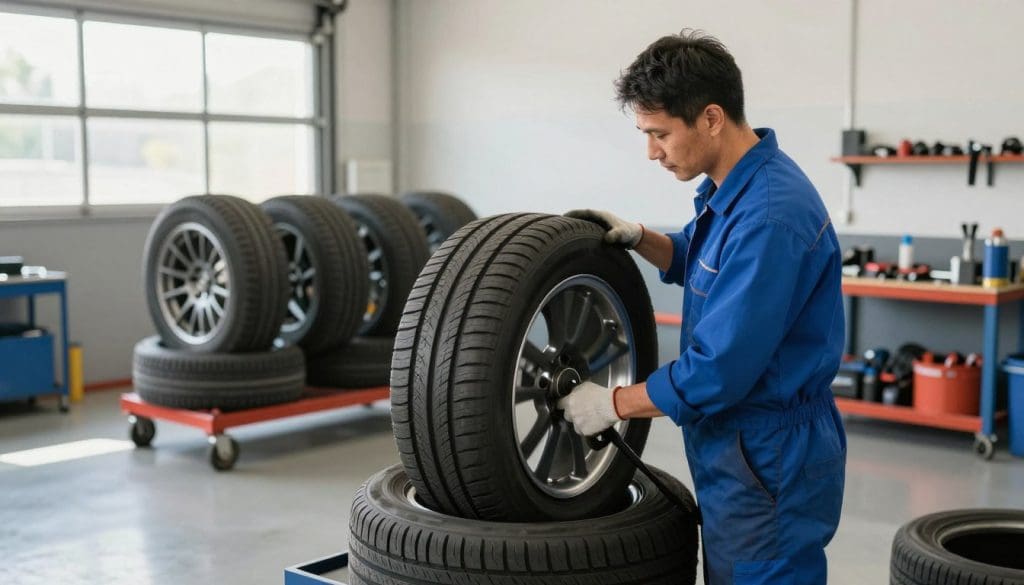
Choosing professional tire rotation means you’re caring for your car’s health. It’s a smart move for a smooth, safe ride for years.
Consequences of Neglecting Tire Rotation
Not rotating your tires can harm their life and your car’s safety. Uneven wear happens when you don’t rotate them. This leads to many problems.
Shortened Tire Lifespan
Uneven wear is a big problem if you don’t rotate your tires. It means tires wear down faster. Some parts get too worn, shortening their life.
By rotating your tires, they wear more evenly. This makes them last longer and saves you money.
Safety Risks
Ignoring tire rotation can be very dangerous. Uneven tire wear reduces traction. This can make your car skid or lose control on wet roads.
It also makes stopping harder, raising the risk of accidents. Regular rotation helps avoid these safety issues.
Increased Costs
Not rotating tires can also cost a lot. Replacing them early due to uneven wear is expensive. Plus, other problems like wheel damage or alignment issues can add to the cost.
Regular rotation is a simple way to avoid these costs. It keeps your car running well.
In summary, ignoring tire rotation leads to many problems. It shortens tire life, poses safety risks, and increases costs. Regular rotation helps keep your car safe and reliable.
Choosing the Right Tires for Your Vehicle
Choosing the right tires is key to your vehicle’s performance and safety. The right tires improve handling, fuel efficiency, and ride quality.
Factors to Consider
Several factors are important when picking tires. Your vehicle type matters, as different vehicles need different tires. SUVs and trucks need stronger tires than sedans.
Also, think about your driving conditions. If you drive in snow or heavy rain, you’ll need tires with special tread and materials.
- Vehicle type
- Driving conditions
- Tire size and compatibility
- Load capacity
- Speed rating
Tire Types and Their Impact on Rotation
Different tires affect rotation and performance differently. For example, all-season tires offer good traction, handling, and durability in many conditions.
Tire types and their characteristics:
| Tire Type | Characteristics | Impact on Rotation |
|---|---|---|
| All-Season Tires | Balanced performance in various conditions | Regular rotation recommended |
| High-Performance Tires | Enhanced handling and traction | More frequent rotation may be necessary |
| Off-Road Tires | Designed for rugged terrain and harsh conditions | Regular rotation is key for even wear |
Recommended Tires for Different Vehicles
The best tires for your vehicle depend on its make, model, and use. For passenger vehicles, all-season tires are a good choice. They balance performance and durability well.
For off-road enthusiasts, tires with aggressive tread and strong sidewalls are best. They handle tough terrain well.
At San Antonio Tire Pros, we stress the importance of picking the right tires. By considering your vehicle type, driving conditions, and tire type, you ensure your vehicle performs well and safely.
Environmental Impact of Tire Health
Keeping your vehicle’s tires in good shape is not just about safety. It also helps the environment. Regular tire rotation is key to reducing waste and the environmental harm from tire production and disposal.
Eco-Friendly Tire Management
Eco-friendly tire management means less harm to the environment. Regular tire rotation helps wear out tires evenly. This means you don’t need to replace them as often, which saves resources.
Benefits of Extended Tire Life for the Environment
Regular tire rotation has many environmental benefits. It cuts down on the number of tires going to landfills. It also saves the materials needed to make new tires.
Longer-lasting tires also mean fewer are burned or dumped in landfills. This reduces pollution and protects the environment.
- Reduces waste and landfill disposal
- Conserves raw materials for tire production
- Decreases the carbon footprint associated with tire manufacturing
Recycling and Disposal Options
When your tires wear out, dispose of them correctly. Many places have tire recycling programs. These programs turn old tires into useful products like rubber mulch and playground surfaces.
Recycling your tires supports a circular economy. It also reduces environmental harm from tire waste. In San Antonio, you can find local facilities that recycle tires, making it easy to manage waste responsibly.
Common Tire Myths Debunked
Understanding tire rotation myths can help you keep your tires in top shape. Many drivers in San Antonio and beyond have wrong ideas about when and why to rotate their tires.
“I Don’t Drive Much, So I Don’t Need to Rotate”
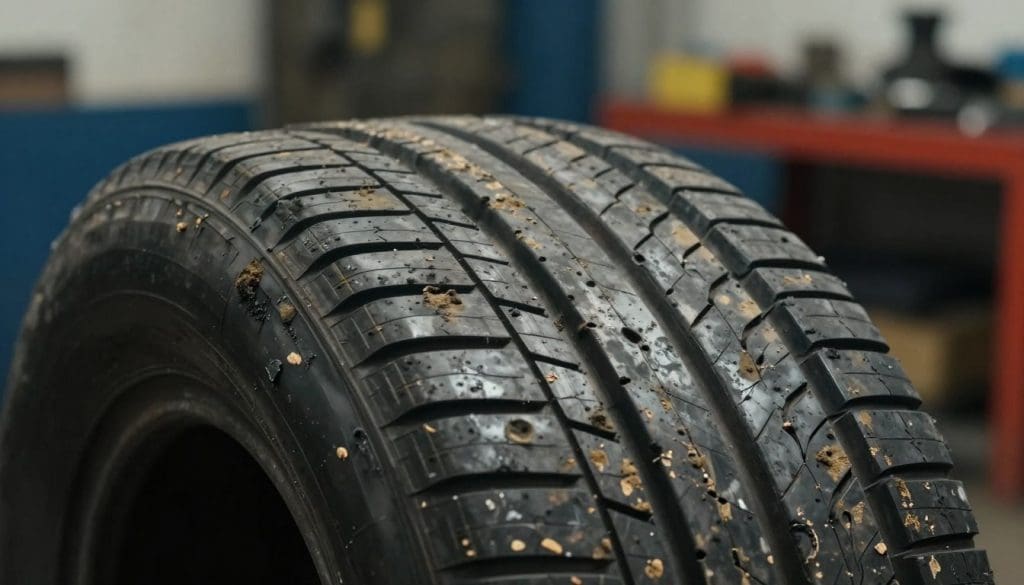
This myth ignores the fact that even little driving can cause uneven tire wear. This can happen due to bad inflation, misalignment, or the vehicle’s weight. Regular rotation is key to ensure even tire wear. Skipping it can shorten your tire’s life and harm your car’s handling and safety.
“All Tires Wear Out Evenly”
Many think all tires wear the same. But, driving habits, road conditions, and car specs can make tires wear differently. For example, front tires wear faster because of steering and braking. Regular rotation spreads out this wear, making your tires last longer and your car perform better.
“Tire Rotation Is Only for New Tires”
Some think rotation is only for new tires. But, it’s not true. All tires, new or old, benefit from rotation. It keeps tread wear even, improves grip, and boosts safety. Even used or older tires can last longer and perform better with regular rotation.
Knowing the truth about these myths helps you care for your tires better. This ensures your car runs smoothly and safely. If you need a tire rotation or advice on tire care, talk to a professional in San Antonio. They can help with tire balancing San Antonio and other maintenance needs.
Tire Rotation and Fuel Efficiency
Tire rotation is key for your tires’ life and your car’s fuel use. Keeping your tires in good shape boosts your car’s performance and saves fuel money.
Impact on Gas Mileage
Your tires’ state greatly affects your car’s gas use. Underinflated or unevenly worn tires make your engine work harder, using more fuel. Regular rotation keeps your tires even, avoiding underinflation and boosting fuel efficiency.
Not rotating tires leads to uneven wear. This uneven wear makes your engine work harder, lowering fuel efficiency. Regular rotation keeps your tires even, helping your car use fuel better.
Consequences of Inadequate Maintenance
Not rotating tires can harm your car’s fuel use. Inadequate tire maintenance can cause:
- More fuel use due to increased rolling resistance
- Shorter tire life, needing more replacements
- Less safe driving due to uneven wear and possible tire failure
Economic Benefits of Regular Rotation
Regular tire rotation boosts fuel use and saves money. It helps you:
| Benefit | Description | Estimated Savings |
|---|---|---|
| Improved Fuel Efficiency | Regular rotation reduces rolling resistance, improving gas mileage. | Up to 5% on fuel costs |
| Extended Tire Life | Even tread wear extends the life of your tires. | Up to 20% on tire replacement costs |
| Reduced Maintenance Costs | Regular rotation helps identify and address issues early. | Varies based on maintenance needs |
Adding regular tire rotation to your car care routine brings economic benefits. It also makes driving safer and greener.
Conclusion: Prioritize Your Tire Health
Keeping your vehicle’s tires in good shape is key. It helps extend their life, improves safety, and boosts performance. Understanding the role of tire rotation in preventing uneven wear is essential. This way, you can keep your vehicle running smoothly.
Key Takeaways
Regular tire rotation spreads wear evenly across your tires. This reduces the chance of uneven wear and related problems. The rotation frequency varies based on the manufacturer’s advice and your driving habits.
Take Action
To maintain your tires’ condition, book regular rotations with a reliable service provider. In San Antonio, Heaven Automotive at 6645 Poss Rd. San Antonio, TX 78238, or call (210) 682-3898 offers top-notch tire rotation services.
Long-Term Benefits
Regular tire rotation leads to better fuel efficiency, safety, and cost savings over time. Make it a habit to include tire rotation in your vehicle’s maintenance routine. You’ll see these benefits for yourself.