

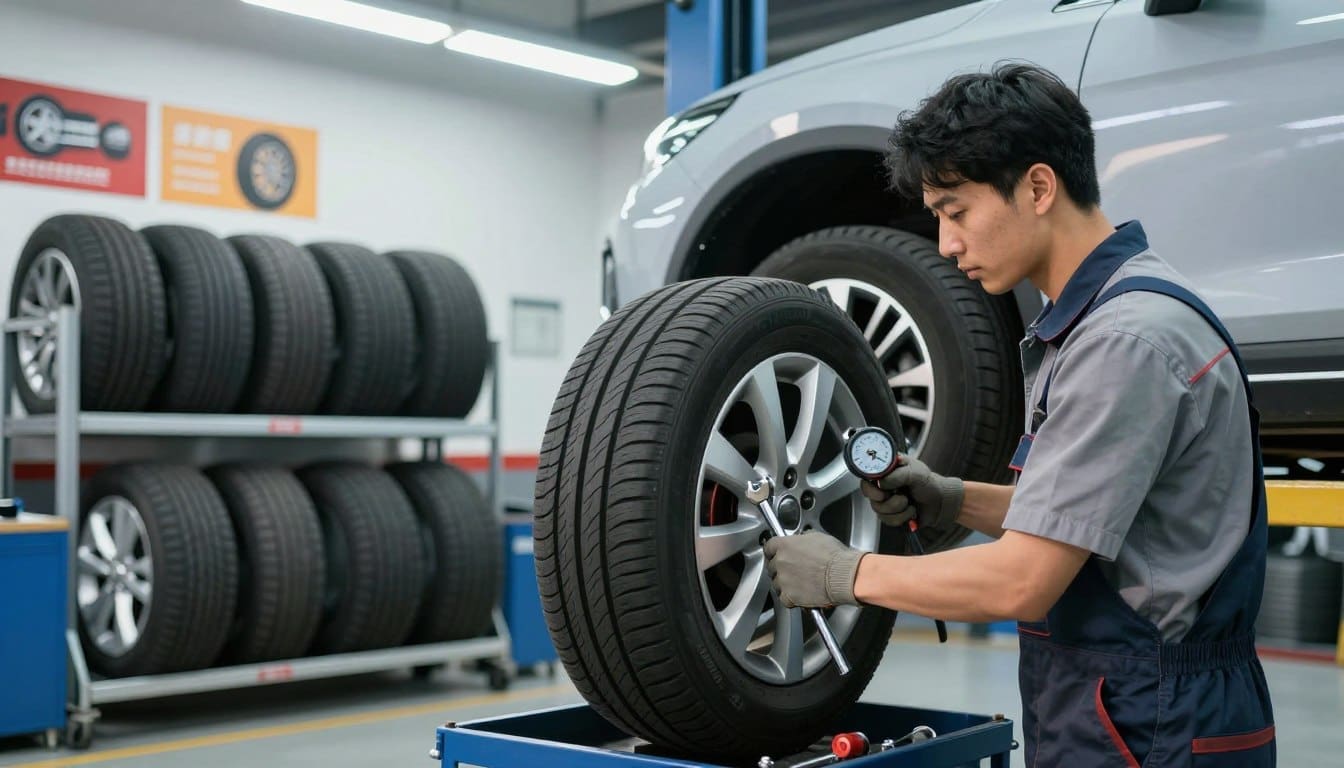
Do you want to get the most out of your vehicle’s rubber components? Many drivers overlook simple habits that keep their cars running smoothly. Consistent tire maintenance acts as the foundation for a safe and efficient driving experience on the road.
When you neglect your wheels, you risk uneven wear that forces you to replace them far sooner than necessary. Taking proactive steps today saves you significant money and stress in the long run. By moving your wheels to different positions, you ensure that every part of the tread wears down at an even rate.
Local experts often recommend a professional Tire Rotation San Antonio service to handle this task correctly. This quick procedure balances the load across your vehicle, which improves handling and fuel economy. You will find that regular care is the smartest way to protect your investment and keep your family safe during every trip.
Key Takeaways
- Regular care extends the lifespan of your vehicle’s wheels significantly.
- Moving wheels to different positions prevents uneven tread wear patterns.
- Professional service improves your car’s overall handling and safety.
- Consistent upkeep helps you save money on premature replacements.
- Proper maintenance boosts your vehicle’s fuel efficiency over time.
Understanding Tire Rotation
Tire rotation is a simple yet vital maintenance task. It prevents uneven tire wear across your vehicle. By changing the position of each tire, you ensure even tread wear.
This practice helps you get the most value from your tires. It also keeps your car handling predictably.
What is Tire Rotation?
Tire rotation involves moving your tires from one position to another. Front and rear tires face different stresses. For example, front tires handle steering forces, leading to accelerated shoulder wear.
Swapping positions regularly allows each tire to share the workload. This balanced approach fights uneven tire wear and extends tire life. Neglecting this can lead to premature tire replacement.
Common Methods of Tire Rotation
The rotation pattern depends on your vehicle’s drivetrain. Front-wheel drive, rear-wheel drive, and all-wheel drive vehicles need different patterns. Following the manufacturer’s recommended pattern is essential for safety and performance.
| Drivetrain Type | Primary Rotation Pattern | Goal |
|---|---|---|
| Front-Wheel Drive | Forward Cross | Balance front-to-rear wear |
| Rear-Wheel Drive | Rearward Cross | Distribute torque stress |
| All-Wheel Drive | X-Pattern | Ensure uniform tread depth |
| Directional Tires | Side-to-Side | Maintain rotation direction |
By following these standard methods, you can reduce uneven tire wear and improve traction. Always check your owner’s manual for the best pattern for your vehicle.
Benefits of Regular Tire Rotation
Regular tire rotation is key for your vehicle’s health and safety. It ensures each tire gets a fair share of work. This simple step helps prevent early tire replacements and keeps your car running well.
Improved Tire Lifespan
One big plus of regular rotations is stopping uneven tire wear. Front and rear tires face different forces, leading to uneven wear. By rotating them, you make sure all tires wear evenly.
Even tread depth means your tires last longer. This saves you money by delaying the need for new tires. Regular care lets your tires perform at their best, not fail too soon.
Enhanced Performance and Safety
Your car needs consistent contact with the road for stability. Regular rotations help your car handle like it should. This is key for sharp turns or quick stops.
Also, even tread depth is critical for your safety in bad weather. Balanced tires give better grip and shorter stops in rain or snow. Keeping your tires in top shape keeps you and your passengers safe on every trip.
How Often Should You Rotate Tires?
Keeping up with tire care is key to your car’s best performance. Consistency is the key to getting the most out of your investment in new rubber. By syncing your rotation schedule with your regular oil changes, you create a simple, stress-free way to remember this essential maintenance task.
Manufacturer Recommendations
Most car experts and makers say to rotate tires every 5,000 to 8,000 miles. Check your owner’s manual for the exact time for your car. Following these guidelines helps keep tread wear even across all four wheels.
If tracking miles is hard, many places suggest a six-month interval. This matches well with seasonal changes and oil change times. Sticking to this schedule prevents early wear and extends your tires’ life.
Driving Conditions to Consider
Your driving habits affect how fast your tires wear. If you often drive on rough terrain or drive aggressively, you might need to rotate tires more. High-speed turns and hard braking stress your tires more.
Towing heavy loads or carrying full passengers also speeds up tire wear. These conditions increase friction and heat, leading to faster wear. Always monitor your tires closely if you drive in heavy traffic or on steep roads, as these demand more frequent checks for safety.
Signs Your Tires Need Rotation
Your car tells you it needs something by changing how it handles and sounds. By listening to these signs, you can spot uneven tire wear early. This helps your tires last longer and work better in different conditions.
Uneven Wear Patterns
Looking at your tires is the best way to find problems early. Walk around your car and check the tread depth on all tires. If one side is much lower than the other, you have uneven tire wear.
This happens when tires stay in the same spot for too long. The way your car steers and the weight it carries can wear some tires faster. Finding these worn spots early lets you fix the problem with a simple rotation.
Vibration or Noise
Sometimes, you’ll hear a problem before you see it. If your car hums or vibrates at high speeds, it might be your tires. These sounds mean the tread is wearing unevenly, making the tire lose contact with the road.
Not paying attention to these sounds can damage your car’s suspension. A slight shimmy in the steering wheel means your tires need help. Fixing these issues quickly keeps your ride smooth and quiet.
| Symptom | Potential Cause | Recommended Action |
|---|---|---|
| Uneven tire wear | Lack of rotation | Schedule rotation |
| Steering vibration | Irregular tread | Balance and rotate |
| Increased road noise | Cupping or feathering | Inspect and rotate |
| Pulling to one side | Pressure imbalance | Check PSI and rotate |
The Tire Rotation Process
Rotating tires is more than just moving them around. It’s a precise mechanical procedure to ensure even tread wear. This keeps your car handling evenly across all four corners. Professional execution is key for safety and stability.
Steps Involved in Tire Rotation
The process starts with safely lifting the vehicle using a hydraulic jack and securing it on jack stands. Then, the technician removes each wheel to check tread depth and look for wear signs. This is also when tire balancing is done to stop vibrations at high speeds.
After checking, the wheels are moved to their new spots following the manufacturer’s pattern. The technician then puts the wheels back on and tightens the lug nuts with a torque wrench. This step is critical to prevent damage to the wheel studs and keep the wheels securely attached.
Tools Needed for Tire Rotation
Having the right tools is key for a successful service. Professional shops use specialized tools for accuracy and efficiency. Advanced machinery is often used to check weight distribution, which is why tire balancing is often part of this service.
| Tool Name | Primary Function | Importance |
|---|---|---|
| Hydraulic Jack | Lifting the vehicle | Essential for safety |
| Torque Wrench | Tightening lug nuts | Prevents stud damage |
| Balancing Machine | Ensuring tire balancing | Reduces road vibration |
| Impact Wrench | Removing lug nuts | Increases service speed |
Importance of Professional Tire Rotation
Letting a certified technician handle your tire rotation is key. It’s not just about moving the wheels. Your safety on the road depends on more than just tread depth.
Expertise and Equipment
Certified technicians have the skills to spot issues you might miss. They check for hidden damage or aging valve stems that could cause a blowout. This proactive approach prevents costly repairs and dangerous road incidents.
They also use the right tools to tighten lug nuts correctly. They make sure your Tire Pressure Monitoring System (TPMS) is working right. This keeps your dashboard alerts accurate after the tires are moved.
Avoiding Common Mistakes
Trying to rotate tires yourself can lead to uneven torque. This can harm your wheel studs or cause vibrations. Precision is the key to maintaining your vehicle’s alignment and handling.
Experts also check your suspension components. They can find wear patterns that show alignment or shock issues. Fixing these problems early saves money and keeps your drive smooth.
| Service Feature | DIY Rotation | Professional Service |
|---|---|---|
| Safety Inspection | Limited | Comprehensive |
| Torque Accuracy | Variable | Guaranteed |
| TPMS Calibration | Often Skipped | Included |
| Suspension Check | None | Detailed |
DIY Tire Rotation: Is It Worth It?
Handling your car’s maintenance can be fulfilling, but tire care needs to be precise. You might think doing it yourself saves money, but it’s key to consider the risks. Improper installation can cause uneven wear or even make driving unsafe.
Pros and Cons of DIY
Doing it yourself saves money right away. You skip the service fees and waiting time. Yet, you miss out on a pro’s inspection that shops offer.
Home mechanics often lack the tools for tire balancing. Without it, you might face vibrations at high speeds, wearing out your suspension early. Safety is key, and pros can spot issues you might miss.
Essential Tools for Home Rotations
If you’re going to do it yourself, you need the right tools. A good floor jack and two strong jack stands are essential to support the car. Never use a hydraulic jack alone under the car.
A reliable torque wrench is also a must. It ensures your lug nuts are tightened correctly. Over-tightening can harm your wheel studs, and under-tightening can cause the wheel to come loose. You might need to go to a shop for tire balancing to keep your ride smooth and safe.
Cost of Tire Rotation in San Antonio
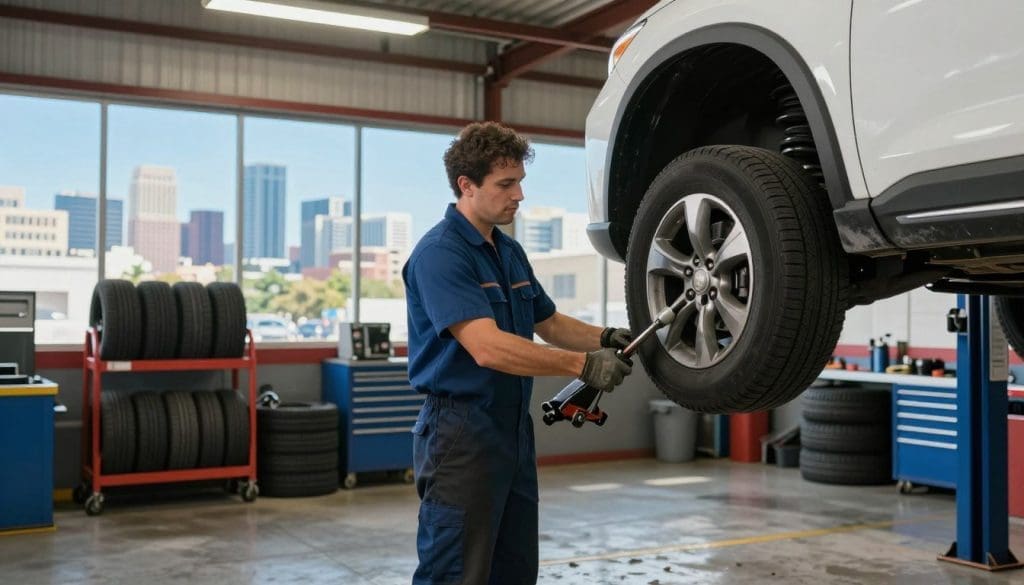
Looking for a reliable Tire Rotation San Antonio? Knowing the prices is a smart start. It helps keep your car safe and running well for years.
At Heaven Automotive, we offer clear prices for everyone. This way, you won’t be surprised when you bring your car in for service.
Average Prices for Tire Services
Prices for a standard service usually fall between $20 and $50. Local shops offer good rates to keep your car in top shape without costing too much.
Choosing a trusted provider means you get professional expertise and the right tools. This saves you money on big repairs later.
Factors Influencing Cost
Several things can change the final price. The type of vehicle you have, like a truck or sedan, might need different work.
Many shops also offer deals that include oil changes or brake checks. These packages can give you better value than buying each service separately.
| Service Type | Estimated Price Range | Typical Duration |
|---|---|---|
| Basic Tire Rotation | $20 – $40 | 30 Minutes |
| Rotation & Balance | $50 – $80 | 60 Minutes |
| Full Maintenance Package | $90 – $150 | 90 Minutes |
Choosing a reputable shop for your Tire Rotation San Antonio needs is key. Make sure to check if they offer warranties or loyalty discounts to save more.
Choosing the Right Service Provider in San Antonio
When you need a Tire Rotation San Antonio service, picking the right shop is key. It’s vital to find a mechanic you can trust. A good partner keeps your car safe and reliable for years.
Reputable Tire Shops
Look for places that value transparency and cleanliness. Shops with ASE certifications show they have trained technicians. These experts know how to take care of your vehicle.
A clean service bay is a good sign. It shows the staff is proud of their work and follows strict rules. Quality service providers will explain their process and answer your questions.
Online Reviews and Recommendations
In today’s world, your neighbors’ opinions are gold. Before you book a Tire Rotation San Antonio appointment, check Google Reviews or Yelp. Look for consistent praise on honesty and punctuality.
Ask friends or family for their advice. Their recommendations often lead to the best dependable service experiences. A bit of research ensures your car is in good hands.
Impact of Tire Rotation on Fuel Efficiency
Many drivers don’t see the link between car maintenance and fuel costs. Proper tire care means your car rolls easier, saving you money. This simple step helps avoid extra costs from poor car performance.
How Tire Maintenance Affects Mileage
Driving physics depends on tire and road interaction. Uneven tire wear makes your car work harder, using more fuel. This quickly empties your wallet at the gas station.
Well-maintained tires make your car glide smoothly. Regular rotations keep tread even, reducing drag. Regular care maximizes every gallon of gas.
Long-Term Savings from Regular Rotation
Small tire care efforts save big money over time. Your tires last longer, and fuel economy improves. These small savings add up to hundreds of dollars over years.
The table below shows how maintenance affects your car’s efficiency and costs. Proper care prevents early tire replacement and keeps your engine running well.
| Maintenance Status | Rolling Resistance | Fuel Efficiency | Long-Term Cost |
|---|---|---|---|
| Regularly Rotated | Low | Optimal | Low |
| Neglected | High | Reduced | High |
| Uneven Wear | Very High | Poor | Very High |
By focusing on these simple steps, you protect your investment and enjoy a smoother ride. Remember, uneven tire wear wastes energy. Stay proactive to control your fuel budget and keep your car running well.
Seasonal Considerations for Tire Rotation
Weather changes how your tires work with the road all year. As temperatures go up and down, your tires react differently. It’s important to keep your vehicle in good shape during these changes.
Don’t forget about tire balancing too. It helps your tires wear evenly. This stops uneven wear that happens when it’s really hot or cold. Keeping your tires in great shape saves money and makes driving better.
Winter vs. Summer Tires
Summer tires are made for hot weather and stay firm. They give you optimal grip on dry or wet roads. Winter tires are made for cold weather and stay flexible. They help your car grip snow and ice.
Changing your tires with the seasons is key. It’s a good time to check for damage. Make sure your tires match the local weather for maximum safety.
Timing Your Rotations Around Weather Changes
Keeping up with seasonal changes helps prevent problems. Many people get their tires checked in spring and autumn. This gets your car ready for extreme weather. It’s also a good time for tire balancing to fix any vibrations.
Checking tire pressure and alignment is also important. The right pressure keeps your tires in contact with the road. Here’s a guide to help your tires stay in top shape all year.
| Season | Primary Focus | Maintenance Task |
|---|---|---|
| Spring | Road Debris Check | Rotation & Balancing |
| Summer | Heat Resistance | Pressure Adjustment |
| Autumn | Tread Inspection | Rotation & Alignment |
| Winter | Cold Traction | Tire Swap & Pressure |
Additional Tire Maintenance Tips
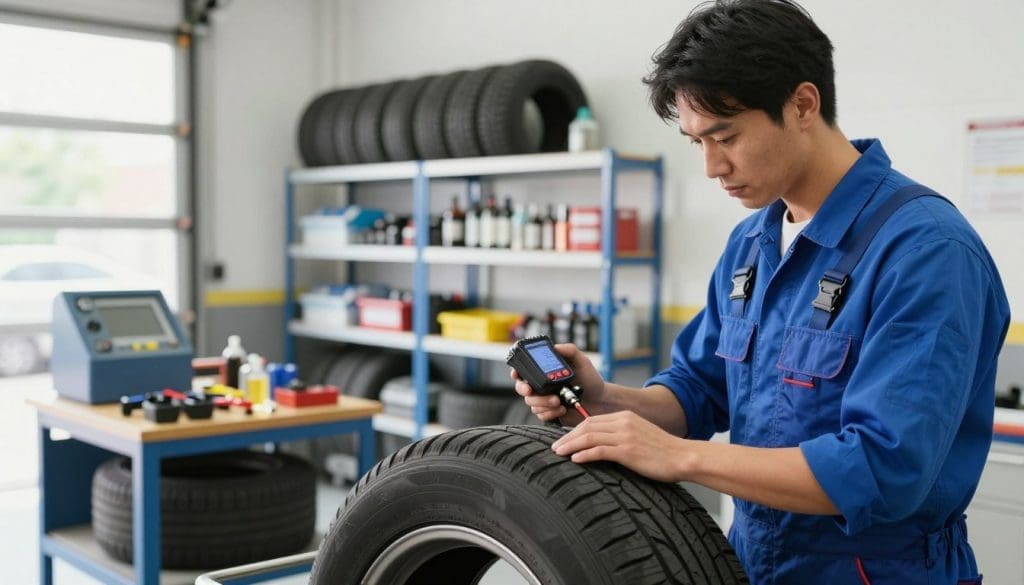
Keeping your tires in good shape is easy with a few simple habits. Rotating your tires is key, but regular tire maintenance is even more important. It makes driving safer and smoother.
By taking these steps, you can prevent your tires from wearing out too soon. This keeps your car running well.
Checking Tire Pressure
Keeping the right air pressure in your tires is very important. You should check it every month with a good tire gauge. Look for the recommended PSI on a sticker inside the driver’s side door jamb.
Driving on tires that are too low can cause them to get too hot and wear unevenly. On the other hand, tires that are too high can make your ride uncomfortable and affect your car’s grip. Properly inflated tires help you save fuel and drive better.
Monitoring Tread Depth
It’s important to check your tread depth regularly, more so in wet or snowy weather. You can use a penny test or a tread depth gauge to do this. If the tread is down to the wear bars, it’s time for new tires.
Checking your tread depth helps spot alignment problems early. Regular tire maintenance keeps your car’s tires gripping the road well. These small actions today can save you a lot of trouble and money later.
Conclusion: Prioritizing Tire Maintenance
Your vehicle needs regular care to run well. Tire maintenance is a small cost that brings big benefits in safety, performance, and saving money in the long run.
Keeping up with your service schedule makes your car reliable for every trip. By being proactive, you avoid sudden breakdowns and keep your rides smooth.
Heaven Automotive’s experts are ready to take care of your vehicle. Our team ensures your tires stay in the best shape.
Call Heaven Automotive at (210) 682-3898 to book your next service. You can also visit our shop at 6645 Poss Rd. San Antonio, TX 78238 for top-notch service today.