

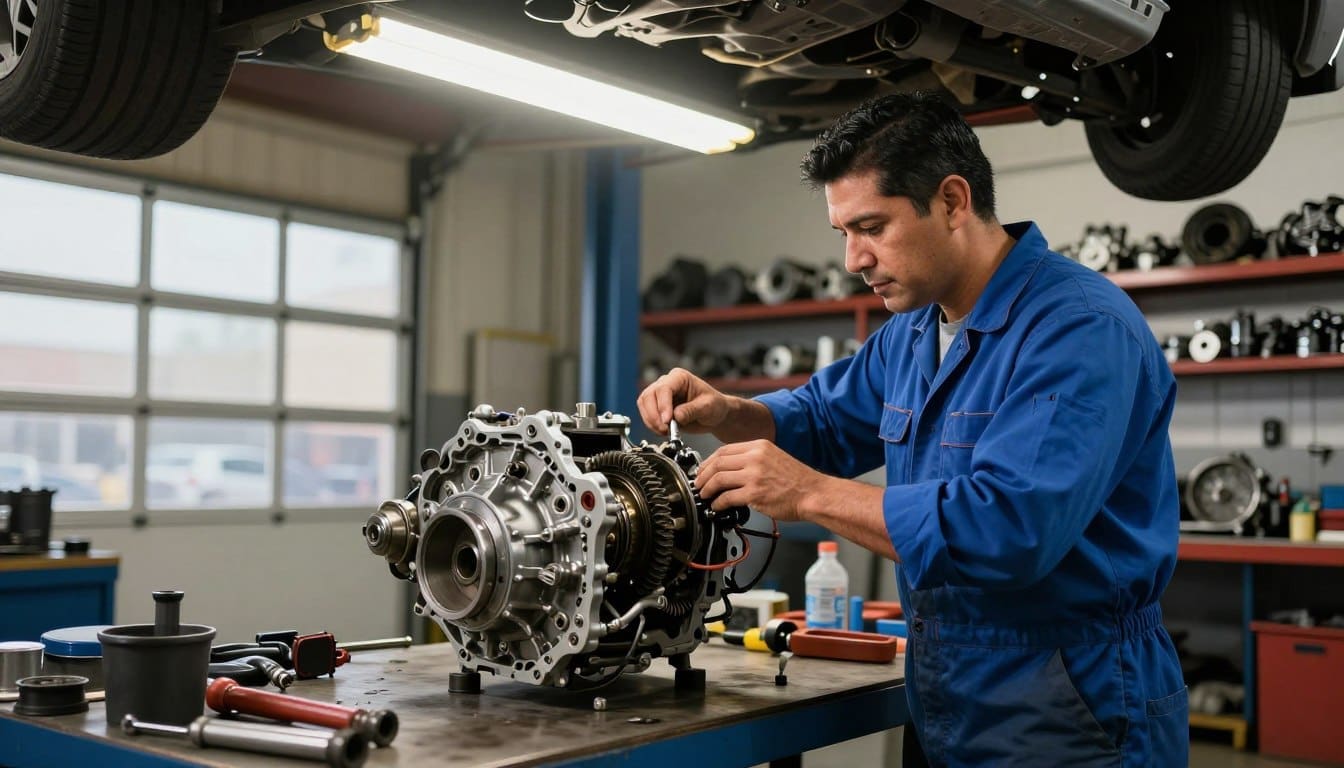
Your vehicle is a complex machine that needs all parts working together. If your car starts acting up, it can be overwhelming. But ignoring small warning signs can lead to big problems later.
Proactive care is key to keeping your vehicle safe and reliable. If you notice strange noises or delayed shifting, fix it early. This saves you time and money. If you need Transmission Repair San Antonio services, our team is here to help.
At Heaven Automotive, we focus on keeping your vehicle running smoothly. You can find us at 6645 Poss Rd. San Antonio, TX 78238. If you’re worried about your transmission, call us at (210) 682-3898 for expert advice.
Key Takeaways
- Recognizing early warning signs prevents costly mechanical failures.
- Strange noises or shifting delays require immediate professional inspection.
- Regular maintenance extends the lifespan of your vehicle’s drivetrain.
- Heaven Automotive offers expert diagnostics for your peace of mind.
- Contacting professionals early ensures your safety on the road.
Understanding Your Vehicle’s Transmission System
The transmission system is key to your car’s movement. It transfers power smoothly, letting your car move at different speeds. Without it, your engine can’t handle various driving conditions.
What Is a Transmission?
A transmission is like a gearbox. It uses gears to adjust the engine’s speed and torque for the wheels. This lets the engine work best, even when you’re moving fast or accelerating hard.
Importance of Your Transmission System
Your transmission is a complex and vital part of your car. It helps your engine not to work too hard, keeping it safe. Even small changes can mean it needs professional attention.
Common Types of Transmissions
Today’s cars use different ways to send power. Each has its own design, but they all aim to manage power well. Knowing about these can help you take care of your car better.
| Transmission Type | Mechanism | Best Use Case |
|---|---|---|
| Manual | Driver-operated clutch | Performance and control |
| Automatic | Hydraulic torque converter | Convenience and comfort |
| CVT | Belt and pulley system | Fuel efficiency |
Signs You Need Transmission Repair in San Antonio
It’s important to notice changes in your car’s performance to avoid big problems in San Antonio. Your car can show signs of trouble before it breaks down completely. By catching these signs early, you can avoid expensive repairs.
Unusual Noises When Shifting Gears
If your car makes strange sounds while driving, it might be a sign of trouble. Sounds like grinding, whining, or clunking when shifting gears are common. These sounds mean parts might be worn out or the fluid is lacking.
Don’t ignore these sounds. A small noise today could turn into a big problem tomorrow if not fixed.
Warning Lights on Your Dashboard
Modern cars have sensors to catch problems early. When you see a “Check Engine” light or a transmission warning, it’s time to check. These lights mean your car’s computer has found a fault.
- Check Engine Light: Often the first sign of a sensor or internal transmission error.
- Transmission Temperature Light: Indicates the system is overheating, which can cause permanent damage.
- Overdrive Light: May flash to signal a problem with the transmission control system.
Slipping Gears and What It Means
A slipping transmission is very dangerous. It happens when your car changes gears unexpectedly or doesn’t stay in the gear you chose. You might feel the engine revving high without speeding up, which is a sign of slipping.
This can be very risky, like when you’re trying to merge or drive in heavy traffic. If your car is struggling to stay in gear or shifting weirdly, get help right away. Fixing these problems early can save your car and your money.
Fluid Issues and Their Impact
Think of transmission fluid as the lifeblood of your car. It keeps everything moving smoothly under the hood. This special liquid provides the needed lubrication and cooling for gears to shift without friction. When this system is compromised, your vehicle’s performance often suffers immediately.
Low Transmission Fluid Levels
When your fluid levels drop, the transmission loses the hydraulic pressure needed to engage gears effectively. This lack of pressure often results in sluggish acceleration and delayed shifting. Consistent monitoring is your best defense against the internal wear caused by low fluid.
Transmission Fluid Leaks
A transmission fluid leak is a serious issue that requires immediate professional attention. If you notice red or brown puddles under your vehicle, you likely have a seal or gasket failure. Ignoring a transmission fluid leak can lead to a total loss of pressure, causing severe internal friction that may destroy your transmission components.
- Red, sweet-smelling puddles under the car.
- Burning odors while driving.
- Difficulty shifting between gears.
Dirty or Burnt Transmission Fluid
Over time, fluid breaks down due to extreme heat and debris accumulation. Clean fluid is typically bright red and translucent, while degraded fluid appears dark or opaque. If your fluid smells burnt, it indicates that your transmission is overheating and the internal parts are likely suffering from excessive heat stress.
| Fluid Condition | Appearance | Action Required |
|---|---|---|
| Healthy | Bright Red | None |
| Worn | Dark Brown | Schedule Change |
| Burnt | Black/Opaque | Immediate Inspection |
Taking proactive steps to check your fluid quality ensures a longer lifespan for your vehicle. Regular maintenance prevents minor issues from turning into expensive replacements. Always consult a specialist if you suspect your fluid is no longer protecting your transmission effectively.
The Role of Transmission Filters
Your transmission has a secret helper: the transmission filter. It keeps the fluid in your gearbox clean. This filter stops harmful debris from getting in. It keeps your vehicle’s parts from getting too hot and worn out.
Importance of a Clean Filter
A clean filter stops internal wear that can cause big problems. Fluid picks up metal shavings and clutch material as it moves. Without a clean filter, these particles can damage your transmission’s valves and gears.
Changing the filter regularly is key for good transmission maintenance. A clean filter helps your car shift gears smoothly. If you ignore this, your car might not perform well and use more fuel.
Signs Your Filter Needs Replacement
Pay attention to how your car drives. If it’s not shifting right or making weird noises, your filter might be dirty. A dirty filter stops fluid from getting where it needs to go. This can make your car hesitate or slip when you press the gas.
The table below shows the difference between a car with a clean filter and one with a dirty one:
| Feature | Clean Filter | Clogged Filter |
|---|---|---|
| Fluid Flow | Consistent and smooth | Restricted and erratic |
| Gear Shifting | Precise and quiet | Delayed or jerky |
| Internal Wear | Minimal | Accelerated damage |
| System Heat | Regulated | Overheating risk |
If you see these signs, change the filter right away. It’s a cost-effective way to keep your transmission running well. Avoiding expensive repairs is a big plus.
Problems with Shifting Gears
When your car won’t change gears, it’s a sign of bigger issues. These gear shifting problems can make driving hard and risky. It’s important to fix these issues early to avoid expensive repairs.
Difficulty Shifting Into Gears
Your car might feel hard to shift gears. It might feel like something is stuck or grinding. This usually means the clutch or synchronizers are wearing out.
Stuck in One Gear
At times, your car might go into “limp mode” to protect itself. This makes it hard to speed up on the highway. If your car won’t move, it’s a sign of a slipping transmission or sensor problem.
Transmission Hesitation
Transmission hesitation is when your car takes time to move after pressing the gas. The engine might rev high before it starts moving. This is often due to low fluid or worn-out bands, and needs quick attention.
| Symptom | Primary Cause | Urgency Level |
|---|---|---|
| Grinding Noise | Worn Synchronizers | High |
| Delayed Engagement | Low Fluid Pressure | Medium |
| Limp Mode | Sensor/Computer Error | Critical |
| Slipping Gears | Internal Wear | High |
Ignoring gear shifting problems can cause more damage. Being alert can help you catch issues early. Always see a mechanic if your car’s shifting is off.
The Cost of Ignoring Transmission Problems
Putting off transmission repairs can turn a small problem into a catastrophic financial burden. It might seem easier to delay a visit to the mechanic. But, your car needs a complex system that needs quick attention when it shows signs of trouble. Ignoring these signs usually makes things worse, not better.
Long-term Damage
When you notice slipping gears or odd noises, your transmission is already in trouble. Driving like this can cause irreversible damage to the gears, seals, and torque converter. Small metal shavings can damage these parts like sandpaper.
This damage can lead to a complete system failure. What might have been a simple fix becomes a major problem. It’s important to fix these issues before they ruin your car’s drivetrain.
Potential Repair Costs
The difference between small repairs and big fixes is huge. A simple fluid change or filter swap is a cost-effective investment compared to thousands for a new transmission. Waiting means missing out on cheap fixes that could have lasted years.
The table below shows the financial impact of delaying repairs versus staying on top of maintenance.
| Service Type | Estimated Cost | Risk Level |
|---|---|---|
| Routine Fluid Change | $150 – $300 | Low |
| Minor Sensor Repair | $400 – $800 | Moderate |
| Full Transmission Rebuild | $2,500 – $5,000 | High |
| Complete Replacement | $4,000 – $7,000 | Critical |
The Value of Timely Maintenance
Putting preventative care first is the best way to protect your investment. Regular checks help catch small problems before they get big. This keeps your car running smoothly and avoids unexpected breakdowns.
Regular maintenance gives you peace of mind. You know your car will work right every day. It’s always better to fix things early than to wait and face bigger problems.
DIY Checks for Transmission Issues
By paying attention, you can learn a lot about your transmission. While experts are key for big repairs, simple checks can help. These steps can catch problems early, before they turn into a slipping transmission.
Checking Transmission Fluid Levels
Transmission fluid keeps your car’s parts running smoothly. To check it, park on level ground and let the engine warm up. Find the transmission dipstick, pull it out, and clean it with a cloth.
Put the dipstick back in and pull it out again. Look at the level and color. Healthy fluid is bright red or pink and smells sweet. If it’s dark, brown, or smells burnt, get it checked by a pro right away.
Listening for Unusual Sounds
Your ears can warn you of mechanical problems. Turn off the radio and listen for grinding, whining, or clunking when shifting gears. These sounds mean parts are having trouble.
Notice how the car sounds when idling versus when in gear. Any abnormal clicking or buzzing might mean trouble with the torque converter or bearings. Catching these sounds early can save you money.
Observing Gear Performance
How your car accelerates and shifts shows its health. If shifting from park to drive is slow, or the engine revs high without moving, you might have a slipping transmission. This is a sign that needs quick action.
See if your car has trouble finding the right gear or seems to “search” at steady speeds. Smooth gear transitions mean everything is working well. If you notice hesitation or unexpected gear changes, tell your mechanic.
Choosing the Right Transmission Repair Shop in San Antonio
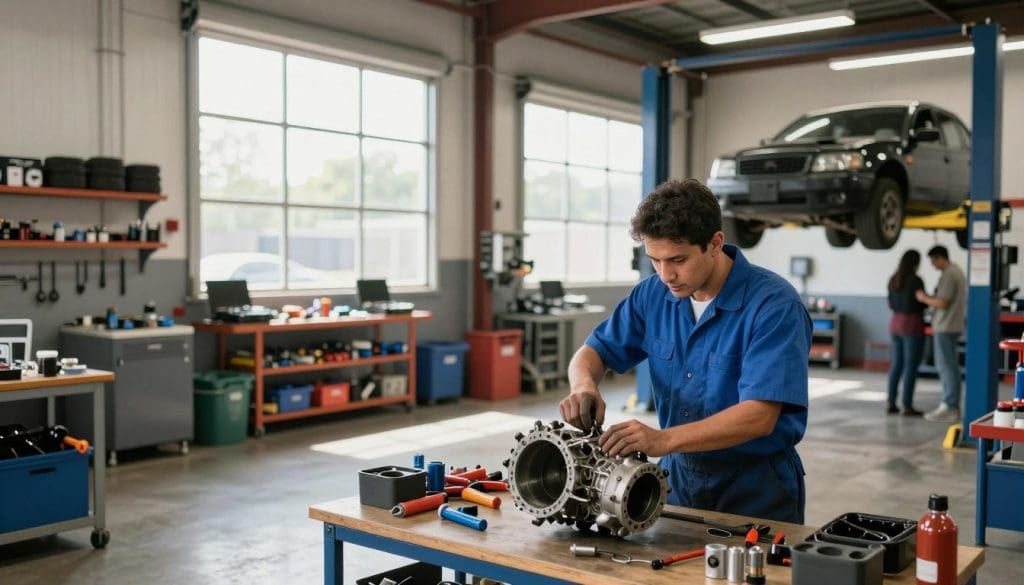
Finding a good shop is key to your car’s health. When you need Transmission Repair San Antonio, look for a team that knows their stuff and talks straight. The right choice keeps your car running smoothly and for longer.
Researching Local Transmission Specialists
First, find shops that focus on drivetrain systems. General mechanics might not have the right tools for big repairs. Check out Heaven Automotive at 6645 Poss Rd. San Antonio, TX 78238. Call us at (210) 682-3898 to talk about your car’s needs.
Whether it’s a small transmission fluid leak or a full overhaul, our experts are up to the task. We’re a trusted name in the area, known for our precision and honest service. Our techs get it right the first time.
Reading Customer Reviews
Customer feedback shows what you can expect from a shop. Look for praise on honesty, fair prices, and quick service. A good shop has happy customers who appreciate clear talk.
- Check for detailed reviews on specific repairs.
- See how the shop handles surprises.
- Make sure the shop is clean and professional.
Understanding Warranties and Guarantees
A solid warranty means a shop backs its work and parts. Always ask about coverage before big repairs. This commitment to quality means your money is safe from future problems.
At Heaven Automotive, we’re all about clear estimates. We think you should know exactly what’s going on with your car. Choosing a shop with strong guarantees means no more worries about transmission fluid leak issues.
The Importance of Regular Maintenance
Regular maintenance is key to avoiding unexpected car troubles. By taking care of your vehicle, you keep it running smoothly for years. Consistency helps you dodge expensive repair costs.
Schedule for Fluid Changes
Transmission fluid keeps your gears running smoothly. Over time, it breaks down and loses its protective qualities. Regular fluid changes prevent a transmission fluid leak that could leave you stranded.
Most cars need fluid changes every 30,000 to 60,000 miles. If you tow heavy loads or drive in city traffic, change it more often. This stops sludge buildup and prevents a transmission fluid leak.
Annual Transmission Inspections
Annual checks by a certified technician are essential. They spot problems early that you might miss. They check seals, gaskets, and sensors for wear.
During these visits, your mechanic does a detailed scan. This scan finds hidden codes that show transmission issues. Catching these issues early saves you money and stress.
Keeping Your Vehicle Running Smoothly
Regular care keeps your car shifting well. It also keeps your car’s value high and makes driving safer. A well-kept car is less likely to break down suddenly.
| Maintenance Task | Recommended Frequency | Primary Benefit |
|---|---|---|
| Fluid Level Check | Every 5,000 Miles | Prevents overheating |
| Fluid & Filter Change | 30k – 60k Miles | Removes debris/sludge |
| Professional Inspection | Once Per Year | Early failure detection |
| System Diagnostic | As Needed | Identifies sensor faults |
How to Communicate with Your Mechanic
Talking clearly with your mechanic is key. When you go to a repair shop, telling them what you see and hear helps a lot. Being specific lets the technician find the problem quickly.
Describing Symptoms Clearly
Be as detailed as you can about your gear shifting problems. Say if it happens when the car is cold or after it warms up. Tell them if you hear strange noises or feel a sudden jolt.
Keep a log of when these issues happen. If you can, go for a test drive with the mechanic. This lets them see the problem you’re facing.
Asking the Right Questions
If you don’t understand something, ask for help. Ask the mechanic to explain the parts and why they might fail. Find out how long the repair will take and if they use original or aftermarket parts.
Also, ask about the future of your transmission. Know if the fix is permanent or just a temporary fix. This helps you plan your budget and what to expect.
Understanding Repair Recommendations
After the mechanic gives you a diagnosis, read the estimate carefully. Make sure you know what repairs are needed and what’s just maintenance. If unsure about a big repair, ask for a second opinion or ask for a detailed cost breakdown.
Being informed about your car’s care is important. By asking the right questions, you get the best service for your car. This way, you can fix gear shifting problems and keep your car running well for a long time.
When to Consider a Transmission Replacement
Sometimes, your transmission can’t be fixed with simple repairs. Minor maintenance can help, but severe damage may require a new transmission. You need to decide if the gear shifting problems are worth fixing or if it’s time for a new car.
Signs a Repair Won’t Suffice
If your car keeps having trouble, even after many visits to the shop, it might need a new transmission. Gear shifting problems that don’t go away can mean serious damage inside. If you see metal shavings in your transmission fluid, it’s a bad sign.
Also, think about your car’s age and mileage. If fixing the transmission costs more than the car is worth, replacing it might be better. This way, you get a reliable long-term solution instead of trying to fix a broken system.
Comparing Repair vs. Replacement Costs
Choosing between repair and replacement depends on your budget and plans for the car. Repairing might seem cheaper at first, but if the gear shifting problems come back, you’ll spend more. Here’s a table to help you decide.
| Factor | Transmission Repair | Full Replacement |
|---|---|---|
| Initial Cost | Lower | Higher |
| Longevity | Short to Medium | Long-term |
| Warranty | Limited | Comprehensive |
| Best For | Minor wear | Catastrophic failure |
It’s best to talk to a trusted mechanic to see what’s best for your car. They can tell you if a rebuild or a new transmission is the most cost-effective choice for you.
The Future of Transmission Technology

Looking ahead, the future of transmission technology is bright. It promises better efficiency and reliability for drivers. The car industry is changing fast, affecting how cars use power.
Knowing about these changes helps you see how cars are getting better. These updates aren’t just about speed. They’re about making every bit of energy count.
Advances in Hybrid and Electric Transmissions
Hybrid and electric cars are changing car care. Many hybrids use electronic continuously variable transmissions (e-CVTs). These replace old gear sets with electric motors.
These systems make driving smoother by removing the shock of shifting. They also need less maintenance than old automatics. This means fewer repairs over time.
The Impact of AI on Transmission Reliability
Artificial intelligence is helping your car perform better. Modern cars use predictive maintenance to watch over the transmission. They check it in real-time.
These systems look at sensor data to spot problems early. This keeps your transmission running well. It also saves you from surprise repair costs.
What to Expect in Upcoming Vehicle Models
New cars will focus on mechanical simplicity and smart software. You’ll see more direct-drive systems. These skip the need for many gears.
These changes mean lighter cars and better gas mileage. Adopting these updates will keep you ahead in the car world’s shift toward sustainability.
| Feature | Traditional Transmission | Future Transmission |
|---|---|---|
| Complexity | High (Many moving parts) | Low (Simplified design) |
| Maintenance | Frequent fluid changes | Minimal/Predictive |
| Efficiency | Moderate | High (Optimized by AI) |
| Reliability | Dependent on wear | Enhanced by software |
Final Thoughts on Transmission Care
Your car has a complex system to move the wheels. Catching small problems early stops big issues later. Regular care keeps your car reliable for all your trips.
Taking Proactive Steps
Checking fluids and listening for strange sounds helps a lot. Fixing small issues early gives you peace of mind. Expert services in San Antonio prevent costly breakdowns by spotting wear early.
Building a Relationship with a Trusted Mechanic
A good mechanic knows your car’s history and needs. Heaven Automotive has the skills to keep your transmission running well. Visit us at 6645 Poss Rd. San Antonio, TX 78238 to talk about your car’s care.
Your Role in Vehicle Maintenance
You play a big part in your car’s long life with smart choices. Call (210) 682-3898 to book your next check-up. Choose Heaven Automotive for top-notch Transmission Repair San Antonio. We ensure your engine and gears work together smoothly for years.