


If your car starts to behave strangely while you drive, you need clear guidance. You may notice the engine revs higher while your vehicle does not pick up speed. That odd gap between revs and motion is often the first clue that the transmission is not shifting as it should.
Automotive writer Benjamin Hunting noted on July 11, 2024, that modern automatic systems are complex and demand prompt attention. When you feel the car hesitate to find the right gear, do not wait.
Early recognition can save you time and money before damage spreads to the engine or drivetrain. Book a professional diagnostic so a trained technician can check the automatic transmission and recommend proper service or repair.
Acting quickly keeps your daily commute safe and helps avoid costly breakdowns.
Key Takeaways
- Rising engine revs without speed often signal a problem with the transmission.
- Benjamin Hunting emphasizes the complexity of modern automatic systems.
- Noticing issues early can save you time and money.
- Have a professional run a full diagnostic and recommend service.
- Timely repair preserves engine and drivetrain health.
Understanding Transmission Slipping Symptoms
When your car hesitates under acceleration, it often points to a failing gear system that needs inspection.
An automatic transmission is a complex assembly that depends on precise hydraulic pressure and clean fluid to hold gears under load. Low pressure or degraded fluid can let internal parts fail to engage. That causes sudden loss of power and hard-to-predict shifting problems.
- A common sign is a jolting or delayed shift during highway acceleration.
- Another sign is revs rising while the car barely moves — the connection between engine and wheels weakens.
- Repeated hesitation or rough engagement often means internal wear and lower hydraulic pressure.
Ignoring these early warnings can turn a minor issue into a costly repair. Have a trained technician run a diagnostic so they can check fluid levels, pressure, and internal components. Fast service preserves drivability and helps avoid full unit replacement.
How a Slipping Transmission Affects Your Driving Experience
When your vehicle hesitates under load, you can feel the difference immediately. The engine may rev, but the car doesn’t pick up the expected speed. That delay makes merging and passing unsafe, especially on highways.

Delayed Acceleration
Delayed acceleration happens when the drivetrain fails to engage the correct gear quickly. You press the gas and the engine rises, but your speed barely changes. This lag is a practical warning that internal wear or control faults are preventing timely shifts.
Loss of Power
A loss of power often comes from the torque converter failing to lock properly. When the converter does not transfer torque efficiently, the entire system feels sluggish and unresponsive.
- Lagging during acceleration is common during highway driving.
- Consistent hesitation is a sign to have a mechanic inspect gears and related components.
- For guidance on next steps and repairs, see what to do if your transmission is.
Common Mechanical Causes Behind Gear Slippage
Mechanical faults deep inside the gearbox often show up as erratic shifts or sudden loss of drive.
Solenoid failure can block proper gear selection. A faulty solenoid may stop hydraulic circuits from directing pressure. That prevents gears from engaging and can make the car feel like it is slipping.
Clutch and Band Wear
Excessive clutch wear is a frequent mechanical problem. Worn clutch packs and bands cannot hold torque, so you lose driveline power during shifts.
When these parts wear, the unit struggles to maintain pressure. That leads to repeated trouble and poorer performance for your engine and drivetrain.
- A failing solenoid often needs diagnostic testing and professional repair.
- Dirty or low fluid harms the torque converter and accelerates clutch wear.
- A technician inspects bands, clutch packs, and other internal parts to determine if a rebuild or repair is required.
Preventive care matters: regular fluid checks and timely service help keep parts working in harmony and reduce the chance of major repair.
Identifying Leaks and Fluid Degradation
A small puddle of red fluid under your car can be the first sign that a major drivetrain part needs attention.
Leaking fluid is a major problem that can lead to overheating and permanent damage to internal parts. Over time, degraded fluid loses its ability to lubricate gears and bands. That raises friction, heat, and the risk of costly damage to your engine and driveline.
A clogged filter can restrict flow and stop the unit from shifting smoothly during your daily commute. Dark or burnt fluid on the dipstick shows the system has been running hot. A red or brown puddle under your vehicle is a clear sign you need professional service.
- Check fluid level and color regularly to catch issues early.
- Replace the filter and flush old fluid when contamination appears.
- Have a mechanic inspect the clutch, bands, and internal parts if burning odor or dark fluid is present.
Acting promptly and scheduling timely service can prevent small leaks from becoming major repair jobs and protect your vehicle for the long run.
Recognizing Unusual Noises and Burning Odors
Unusual sounds or a sharp burning smell from under the hood are immediate warnings you should not ignore. These cues often point to a problem inside the gearbox or torque converter and need prompt attention.
Grinding Sounds
Grinding during acceleration usually means the gears are not meshing correctly. You may hear this when shifting or while building speed.
Never dismiss grinding noises. They can cause rapid wear to internal parts and reduce your car’s performance.
Clunking During Shifts
A loud clunk when you change gears often signals worn mounts or failing internal components. This jolt is a sign the system cannot engage smoothly.
Have a mechanic inspect mounts, linkages, and gear packs if you notice repeated clunks while driving.
The Smell of Overheating
A distinct burning smell from the engine bay is a serious warning that the fluid is overheating and breaking down.
- The smell of burnt fluid suggests poor cooling or excess friction.
- Persistent burning smell often precedes larger mechanical issues and loss of speed.
- If you detect either a burning odor or odd noises, get the system checked right away to avoid costly damage.
The Importance of Professional Diagnostic Services
Modern vehicle computers store detailed fault data, and a trained technician uses that data to find real causes quickly.
When the check engine light illuminates, it can be a simple sensor alert or a warning of deeper trouble. A professional diagnostic service reads stored codes and tests live data to see if the issue involves the torque converter, internal bands, or electronic control circuits.
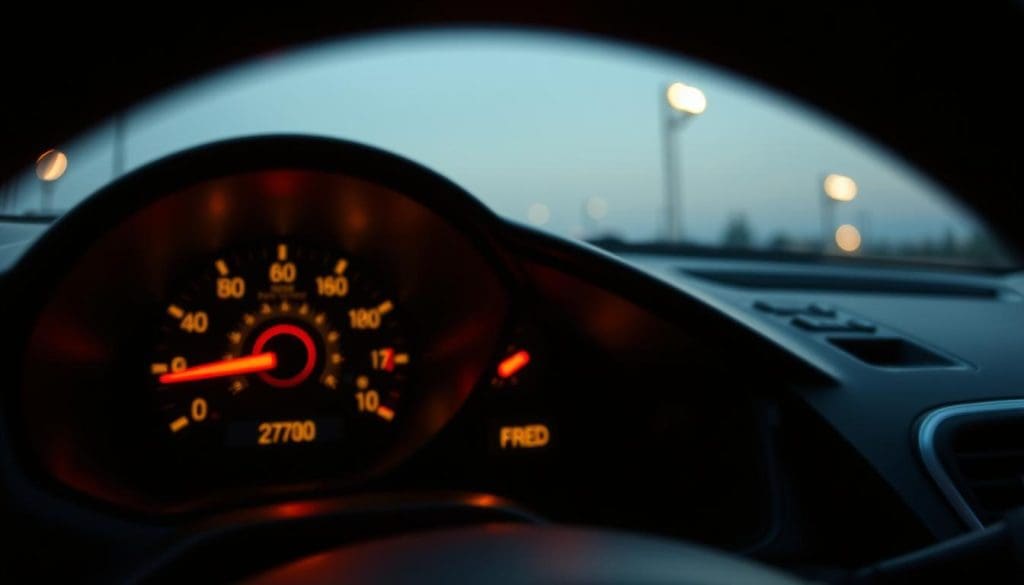
Technicians also check fluid condition and the filter to determine if contamination or wear is triggering the light. They can test pressure, solenoid function, and gear control so you get an accurate plan for repair.
- Accurate diagnosis prevents unnecessary parts replacement and restores true power and shift quality.
- A timely scan stops a small sign from becoming major damage that costs far more in time and money.
- Professional service calibrates the system and reveals hidden issues before full failure.
For more on when to schedule service, see common signs your transmission needs repair. Addressing the check engine light promptly protects your engine and keeps your vehicle reliable.
Conclusion: Schedule Your Repair with Miracle Body and Paint Collision Center
Prompt service keeps small faults from turning into expensive repairs for your vehicle.
If you notice unusual behavior in your car, contact Miracle Body and Paint Collision Center to schedule a professional repair. Our team handles collision repair and related mechanical work so you can drive with confidence.
We serve San Antonio from two locations. North West San Antonio – Leon Valley: 6217 Grissom Rd., San Antonio, TX 78238 — (210) 680-1987. North East San Antonio: 4650 Walzem Rd., San Antonio, TX 78218 — (210) 858-3630.
Hire Miracle Body and Paint Collision Center to fix your collision damage and get expert service. Do not wait — contact our team today to protect your vehicle and stay safe on the road.