

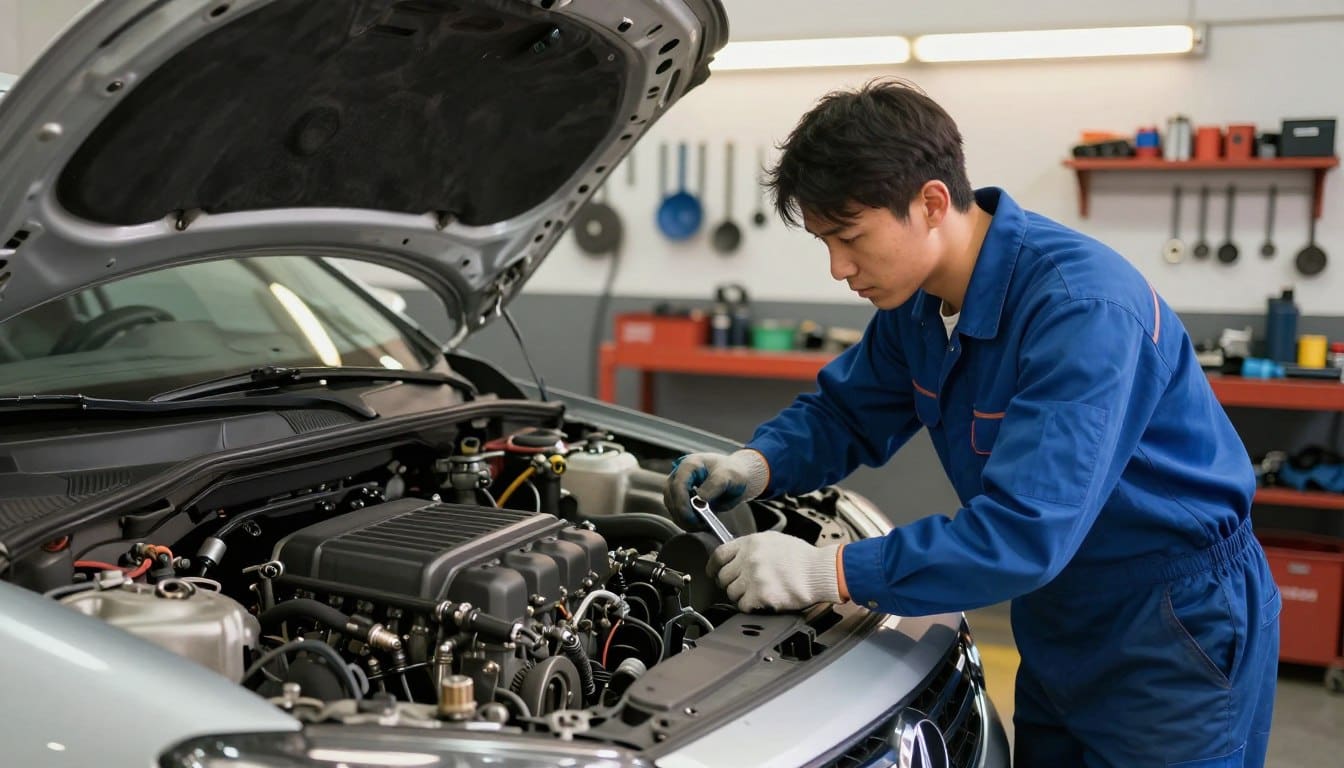
Many drivers today think modern cars don’t need tune-ups. They believe these cars can take care of themselves. But, skipping routine care can lead to expensive repairs later.
At Heaven Automotive, we think a professional tune up service is key for car owners. These checkups are important to keep your engine running well for years. They help fix small problems early, saving you money and making driving better.
Even with new technology, your engine has parts that wear out. Regular checks keep your car running smoothly and save on gas. Getting a good tune up service now helps avoid costly breakdowns later.
Key Takeaways
- Modern vehicles need regular maintenance to work right.
- Heaven Automotive says routine care makes your engine last longer.
- Ignoring small problems can cause big repair bills later.
- Regular checks keep your car running efficiently and safely.
- Looking after your car now means peace of mind every day.
The Evolution of Vehicle Maintenance
Car maintenance has changed a lot over the years. Back then, fixing a car was all about hands-on work. Now, your car is like a smart machine that takes care of itself.
From Carburetors to Computerized Systems
Years ago, engines used carburetors to mix air and fuel. These parts needed regular adjustments to work right. If the weather changed or the car was idle, you had to tweak it yourself.
Now, cars have advanced computerized systems. Sensors watch over the engine, making tiny changes all the time. This means you don’t have to constantly adjust your car to keep it running well.
The Shift in Maintenance Intervals
Thanks to new technology, cars need service less often. Older cars needed tune-ups every few thousand miles. Today’s engines are built with tighter tolerances and last longer, so you don’t need to visit the mechanic as much.
But, your car is not maintenance-free. Even though the work is now digital, you need experts to check on it. The table below shows how maintenance has changed over time.
| Maintenance Aspect | Older Vehicles | Modern Vehicles |
|---|---|---|
| Fuel Delivery | Mechanical Carburetor | Electronic Fuel Injection |
| Ignition Timing | Manual Adjustment | Computer-Controlled |
| Service Frequency | Frequent (3k miles) | Extended (7k+ miles) |
| Primary Tool | Wrench and Screwdriver | OBD-II Diagnostic Scanner |
Why Modern Vehicles Stil Require a Tune Up Service
You might think your new car is maintenance-free, but it’s not. Every time you drive, your engine faces a lot of stress. Even with new technology, the basic physics of combustion stays the same. A professional tune up service is key to keeping your car running well for years.
The Reality of Wear and Tear in Modern Engines
Modern engines work under extreme heat and pressure. Even with new materials, parts like valves and pistons wear down. Some say spark plugs can last up to 100,000 miles, but that doesn’t mean the rest of the engine is safe.
Over time, carbon builds up in the engine. This can block airflow and mess with fuel ignition. Ignoring these changes can make your car less powerful and less fuel-efficient.
Why Manufacturer Recommendations Are Not Always Enough
Your owner’s manual gives a good starting point for maintenance. But it assumes perfect driving conditions. Your real-world driving habits and environment affect your engine’s life more than you think.
Things like city driving, extreme temperatures, short trips, and heavy loads can wear down your engine faster. Regular maintenance is key to catching problems early. This way, you can avoid expensive repairs later on.
By getting a proactive tune up service, you can spot worn parts before they fail. This helps you save money on tune up cost by avoiding big repairs.
Understanding the Components of a Modern Tune Up
Modern cars have changed the tune up process a lot. Older cars needed manual adjustments to run well. Now, today’s cars need a more advanced approach to stay in top shape.
A modern tune up is more than just manual tweaks. It’s a detailed process to keep your car running smoothly and efficiently.
The Shift from Mechanical Adjustments to Digital Diagnostics
Before, mechanics spent a lot of time adjusting carburetors and timing manually. Now, your tune up service uses advanced computer software to talk to your car’s systems.
Technicians use special scanners to check for errors and watch data from sensors in real-time. This digital shift helps find problems early, preventing big engine failures.
Essential Checks for Today’s Complex Vehicles
Even with digital tools, hands-on maintenance is key for your car’s health. A standard service visit includes changing engine air filters and spark plugs for better combustion.
Regular oil changes are also important to keep parts lubricated and clean. These tasks, along with digital checks, help your engine run smoothly.
| Maintenance Task | Traditional Method | Modern Approach |
|---|---|---|
| Ignition Timing | Manual Adjustment | Digital ECU Control |
| Fuel Delivery | Carburetor Tuning | Electronic Injection |
| Diagnostics | Visual Inspection | OBD-II Scanning |
| Air Intake | Manual Cleaning | Sensor-Based Monitoring |
By focusing on these key areas, your car gets the care it needs to perform well. Regular checks are essential for long-term reliability.
The Impact of Spark Plug Replacement on Engine Efficiency
A simple spark plug replacement can make a big difference. These small parts ignite the air-fuel mixture in your engine. When they work right, your car runs smoothly and strong.
How Worn Plugs Affect Fuel Economy
With time, spark plug electrodes wear out from heat and chemicals. When they get fouled or worn, they can’t spark well. This causes engine misfires, making your car work too hard.
You might feel your car hesitate when you accelerate or idle. This is because the engine isn’t burning fuel efficiently. So, your gas mileage drops a lot.
The Importance of Using Manufacturer-Specified Plugs
Choosing the right parts is key, just like the spark plug replacement itself. Modern engines need specific plugs for the best performance. Using the wrong plugs can harm your engine.
Always check your owner’s manual or talk to a trusted mechanic. High-quality, manufacturer-specified plugs are made for your engine. They keep your car running like new for a long time.
How Fuel System Cleaning Improves Performance
A clean fuel system makes your car run better and more efficiently. When you get a modern tune up, experts focus on keeping your fuel system healthy. This ensures your engine gets the right amount of fuel for best performance.
Addressing Carbon Buildup in Direct Injection Engines
Direct injection engines spray fuel directly into the combustion chamber. But, this can lead to stubborn carbon deposits on intake valves. These deposits can block airflow and mess with your engine’s performance.
Ignoring these deposits can cause your car to lose power and use more fuel. A modern tune up uses special cleaners to remove these deposits. This lets your engine breathe better and run as it should.
Benefits of Clean Fuel Injectors for Smooth Idling
Clogged fuel injectors can make your car idle roughly and hesitate. Dirty injectors can’t spray fuel evenly, making your engine work harder. This leads to a bumpy idle.
Cleaning your injectors during a modern tune up helps your car idle smoothly. You’ll notice your car is more reliable and efficient on daily drives.
| Symptom | Before Cleaning | After Cleaning |
|---|---|---|
| Idle Quality | Rough and shaky | Smooth and quiet |
| Acceleration | Hesitant response | Instant power delivery |
| Fuel Efficiency | Decreased mileage | Optimized consumption |
| Engine Health | Carbon buildup risk | Clean combustion cycle |
The Role of Air Filters in Engine Longevity
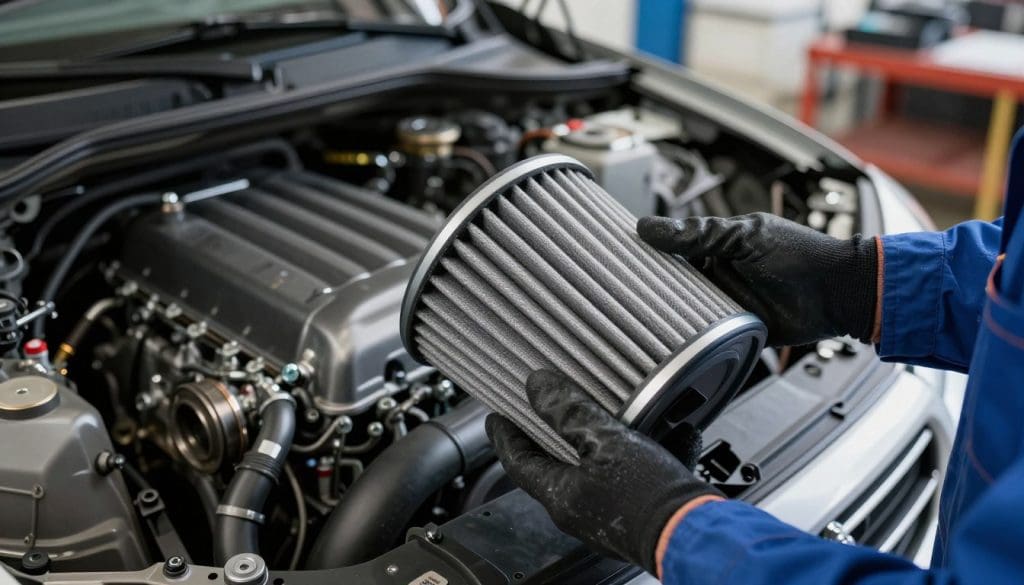
Your engine needs air to work, just like you do. The air filter is its main defense against harmful particles. It’s a cheap but vital part that keeps your engine running smoothly. If you ignore it, your engine’s performance can suffer, shortening its life.
Protecting Your Engine from Debris and Contaminants
Every drive brings in a lot of air for your engine to burn. This air carries tiny particles like dust and sand. A good air filter catches these before they damage your engine’s parts.
But if the filter gets clogged, your engine has to work harder. This can wear out parts faster. Regular checks help keep your engine safe from the road’s dangers.
The Link Between Airflow and Horsepower
Your engine needs the right mix of air and fuel to run well. A clean air filter lets your engine get the oxygen it needs. This means better performance and more power.
A dirty filter, on the other hand, limits airflow. You might feel your car slowing down or using more fuel. Keeping your air filter clean is a simple way to keep your car’s power up.
| Filter Condition | Airflow Quality | Engine Impact |
|---|---|---|
| New/Clean | Maximum | Optimal Power |
| Moderately Used | Reduced | Minor Efficiency Loss |
| Clogged/Dirty | Severely Restricted | Increased Wear & Poor MPG |
Identifying Signs Your Vehicle Needs Professional Attention
Your car often tells you it needs help before a dashboard light turns on. Modern cars have smart sensors, but they can miss early signs of wear. Paying close attention to how your car feels and sounds is key to catching problems early.
Recognizing Rough Idling and Hesitation
A rough idle is a common sign your engine needs a tune-up. If your car shakes or vibrates at a red light, it’s not running smoothly. This usually means spark plugs or fuel delivery systems need attention.
Engine hesitation is another warning sign. If your engine hesitates or “stumbles” when you press the gas, it’s not getting the right air-fuel mix. Addressing this promptly helps avoid damage to your ignition components.
Interpreting Changes in Fuel Consumption
A sudden drop in gas mileage means your engine is working too hard. Clogged air filters or fuel injectors make your car less efficient. You might find yourself filling up more often than before.
Keep track of your fuel economy to notice any changes. Even a small drop can mean your engine is burning fuel inefficiently. Taking action early can save you money on fuel costs in the long run.
When to Trust Your Instincts Over the Dashboard Lights
Many drivers wait for a “Check Engine” light before getting help. But by then, the problem may have caused expensive secondary damage. Your instincts are often better than a computer sensor that only alerts you under certain conditions.
If your car feels different or doesn’t act like it used to, get it checked. Trusting your intuition helps fix small issues before they become big, expensive problems. Regular maintenance keeps your car reliable for years.
The Economic Benefits of Regular Engine Tune Up San Antonio
Looking after your car is a smart way to save money. By getting regular engine tune up San Antonio, you avoid costly repairs later. This keeps your car running smoothly and saves you money in the long run.
Preventing Costly Major Repairs Through Early Detection
Small problems can turn into big ones if not caught early. Regular checks help spot these issues before they get worse. Fixing small things like spark plugs or filters saves you from big tune up cost bills.
Here are some ways regular maintenance saves you money:
- Reduced emergency repair bills by catching failing parts early.
- Improved fuel efficiency, saving you money on gas.
- Extended engine lifespan, letting you drive your car longer.
Maximizing the Resale Value of Your Vehicle
A car with a good service history sells for more. Buyers are willing to pay extra for a car that’s had regular engine tune up San Antonio. It shows you’ve taken good care of it.
Having your maintenance records in order is key. It shows you’ve not skimped on tune up cost. This honesty can get you a better price when selling or trading in your car. Investing in your vehicle today means a better value tomorrow.
Debunking Myths About Maintenance-Free Vehicles
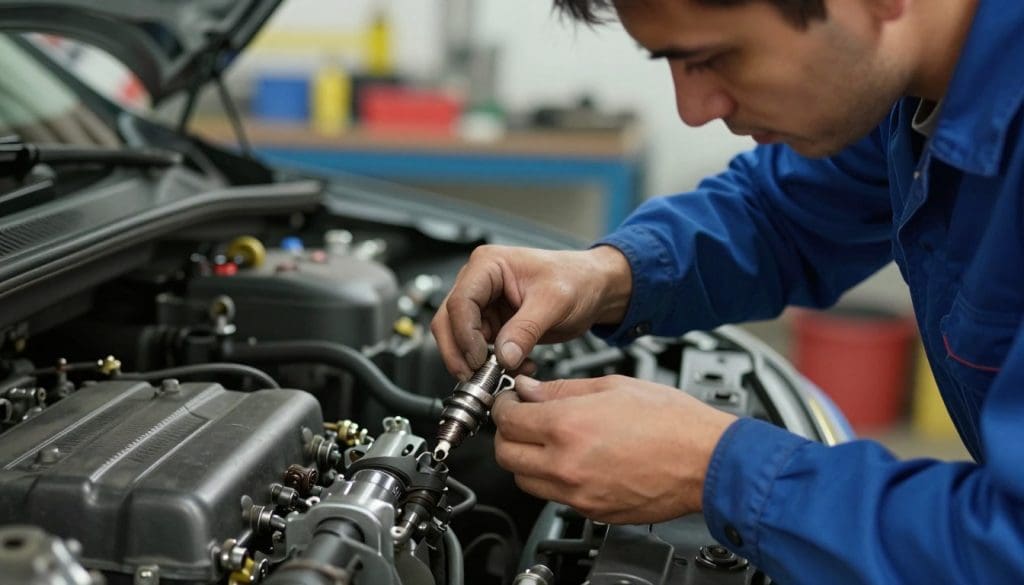
Many people think today’s cars are maintenance-free. But this is a big mistake. Even with new technology, cars need regular care because of physics and wear and tear.
Why No Car is Truly Maintenance-Free
Ads often say cars need less maintenance to sell them. But, real driving conditions are different. Traffic, weather, and short trips stress engines a lot. Ignoring these realities can cause parts to fail early.
Even the latest engines need regular checks to run well. Things like fluids and filters don’t last forever. Thinking cars are maintenance-free can hide serious problems.
The Dangers of Ignoring Routine Service
Skipping a spark plug replacement can cause big problems. Bad plugs make the engine work harder, leading to poor fuel use and damage to the catalytic converter. These issues can make your tune up cost much higher over time.
Not doing routine service is risky for your engine. Small, cheap maintenance helps avoid big, expensive repairs. Being proactive keeps your car safe and reliable for a long time.
| Maintenance Myth | The Reality | Potential Consequence |
|---|---|---|
| “Lifetime” Fluids | Fluids break down over time | Internal component corrosion |
| No Tune-Ups Needed | Sensors and plugs degrade | Reduced fuel economy |
| Self-Diagnostic Systems | Computers miss physical wear | Unexpected roadside breakdown |
| Sealed Transmissions | Oil stil requires changing | Transmission failure |
How Advanced Diagnostics Have Changed the Repair Landscape
Modern cars are like computers on wheels, needing advanced tools for upkeep. Gone are the days of just using mechanical skills. Today, engines use complex electronic units to control how they run. This change means a modern tune up now depends more on data than ever.
The Role of OBD-II Scanners in Modern Repairs
The On-Board Diagnostics (OBD-II) system is key for talking between your car and the mechanic. These scanners help find exact error codes, showing where problems are. Without this tech, finding small issues like engine misfires would be hard.
By connecting to the car’s port, a tech can see live data. This shows how sensors, fuel injectors, and ignition systems work. It turns fixing cars into a precise science, making sure your car runs well.
Why Professional Expertise Outperforms DIY Diagnostics
Many people buy their own scanners, but just getting the data is not enough. Knowing what the codes mean takes a lot of car knowledge. A simple code might point to a symptom, but a pro finds the root cause of the problem.
For example, a misfire code might seem like just a spark plug replacement issue. But it could also mean a failing ignition coil or fuel problem. Trying to fix it without the right data can waste time and money. Relying on a pro ensures your car is fixed right the first time, saving you money and keeping you safe.
Seasonal Considerations for Your Vehicle Health
When the seasons change, your engine might show hidden weaknesses. This can lead to unexpected breakdowns. To keep your car running well, get a professional engine tune up San Antonio.
Preparing Your Engine for Texas Heat
The Texas heat is tough on your car’s cooling and ignition systems. It can make fluids break down faster and stress your battery. Proactive maintenance helps avoid heat-related problems.
In summer, your engine gets hotter than usual. It’s important to check your radiator, hoses, and coolant levels. An engine tune up San Antonio ensures your ignition system works right, keeping your engine cool.
Ensuring Reliability During Temperature Fluctuations
Driving in dusty areas or construction zones can clog your air filters. This can hurt your engine’s performance. Keeping your air intake clean is key for good power and fuel use.
Reliability comes from adapting to changing environments. Regular checks can spot worn parts before they fail. Use this guide to keep your car in great shape all year.
| Season | Primary Focus | Key Action |
|---|---|---|
| Summer | Cooling System | Check Coolant & Hoses |
| Autumn | Air Intake | Replace Air Filters |
| Winter | Battery Health | Test Voltage Levels |
| Spring | General Tune Up | Engine tune up San Antonio |
The Long-Term Value of Preventative Maintenance

Many drivers see maintenance as just an expense. But it’s actually a smart financial move. By treating your car as an investment, you focus on preventing problems instead of fixing them after they happen. This way, you avoid the hidden costs that come from ignoring small issues.
Reducing Your Total Cost of Ownership
Regular maintenance is the best way to reduce your total cost of ownership over time. Replacing parts before they break saves other parts from damage. This keeps your repair costs down and predictable.
Not taking care of small issues can lead to big, expensive problems. Sticking to your maintenance schedule keeps your car running smoothly and reliably. Consistency is the key to saving money.
Peace of Mind on the Road
Regular care also gives you peace of mind. You can drive knowing your car has been checked by experts. This reduces the worry of unexpected breakdowns on your daily drive or long trips.
Having a reliable car is the best reward for keeping it well-maintained. When you trust your car, you don’t worry about it breaking down. Investing in your car’s health today means it will be there for you when you need it most.
| Maintenance Type | Cost Impact | Reliability Level |
|---|---|---|
| Preventive Care | Low (Predictable) | High (Consistent) |
| Reactive Repairs | High (Variable) | Low (Uncertain) |
| Neglected Service | Extreme (Critical) | None (Breakdown) |
Choosing the Right Professional for Your Automotive Needs
Finding a reliable partner for car repairs is key. Your car is a complex machine that needs careful attention. The right technician keeps your car running smoothly for years.
What to Look for in a Certified Repair Shop
Look for shops with ASE-certified technicians. These experts have passed tough tests and have lots of experience. A good shop will explain how they’ll fix your car and give you a clear price before starting.
Make sure the shop uses modern diagnostic equipment. Today’s cars have computer systems that need the right tools to check. A shop that keeps its staff up-to-date is a sign of quality service.
The Importance of Local Expertise and Trust
Choosing a local shop means you get a personal touch that big chains can’t match. For a top-notch engine tune up San Antonio, check out Heaven Automotive at 6645 Poss Rd. San Antonio, TX 78238. They offer expert service and care about making customers happy.
Local experts know your area’s driving conditions. They can suggest maintenance plans that fit your daily drive. Working with a local shop means your car gets the best care over time.
| Service Feature | Independent Local Shop | Large Chain Store |
|---|---|---|
| Personalized Attention | High | Low |
| Technical Expertise | Specialized | General |
| Diagnostic Tools | Advanced | Standard |
| Community Trust | High | Variable |
Conclusion
Your car is a key part of your daily life. Keeping it in top shape means regular service and expert care. Tune-ups are essential for a reliable and efficient car today.
Fixing small issues early helps avoid big problems later. This keeps your car safe and running well. You’ll feel confident with a well-kept engine.
Consider hiring Heaven Automotive at 6645 Poss Rd. San Antonio, TX 78238 for your car’s needs. Our team has the skills to keep your car running smoothly for years. Call us at (210) 682-3898 to book your service.