

We know a cold cabin is more than a nuisance — it can signal an underlying problem. At Heaven Automotive, we see the same signs: lukewarm air, heat that fades while driving, or a slow warm-up. These symptoms often point to a heater or cooling-system issue that needs proper diagnosis.
Our approach is simple: clear communication, upfront pricing before any work begins, and final testing to confirm the fix. That means no guesswork from our team — just accurate checks and honest guidance.
The vehicle’s heating system depends on three parts working together: engine temperature, coolant flow, and HVAC controls. When one element fails, cabin warmth drops and comfort suffers. We’ll explain the common root causes and how local driving conditions in san antonio can make some problems worse.
In the sections ahead we cover symptoms, root causes, safety risks, our diagnostic steps, and when to choose repair versus replacement. If you notice weak cabin heat, trust our technicians to diagnose the issue and recommend a lasting solution. For prompt heater repair San Antonio, we’re ready when you are.
Key Takeaways
- Weak cabin heat usually signals a cooling-system or heater fault that needs diagnosis.
- Heaven Automotive emphasizes clear communication and upfront pricing.
- Engine temp, coolant flow, and HVAC controls must work in sync for proper heating.
- Local driving in san antonio can influence symptom severity.
- Our technicians verify causes before recommending repair or replacement.
Weak Cabin Heat Symptoms That Signal a Heating System Problem
Small changes in vent temperature or airflow can reveal larger HVAC issues. We watch for patterns that point to specific faults and save you time at the shop.
Air is warm at idle but turns cold while driving
Air is warm at idle but turns cold while driving
This symptom often shows a circulation or thermostat issue. The engine may not hold operating temperature or coolant flow can drop at higher RPMs. Left unchecked, the condition usually worsens and can lead to more costly fixes.
Low airflow from vents even on high fan speed
Weak vent air on high settings tends to mean a failing blower motor, resistor, or a restriction in the ductwork. We check for debris and electrical faults that stop heated air from reaching the cabin.
Heat works on one side but not the other
Uneven warmth usually points to a blend door or actuator fault in dual-zone controls. That can leave one side cold while the other warms up.
Drivers in san antonio report these symptoms most on sudden cold mornings or rainy days when defrost is needed quickly.
- Document what you see: time, outside temp, driving speed, fan setting.
- Urgent vs mild: loss of heat while driving or no airflow is more urgent.
- When to call us: if symptoms repeat, schedule service with Heaven Automotive — intermittent issues often become consistent failures.
Most Common Causes of Weak Heat in Vehicles
Many drivers blame cold vents on the cabin controls, but the root often lies deeper in the cooling loop. We inspect the whole heating system to find the real source quickly.
Low coolant or leaks. Low coolant reduces heat transfer through the heater core and can signal a larger cooling issue.
Stuck-open thermostat. If the thermostat won’t close, the engine runs too cool and the cabin never gets hot enough.
Clogged heater core or air pockets. Scale or trapped air restricts hot coolant flow and cuts heating performance.
Water pump or circulation faults. Worn pumps or poor flow cause temperature swings and weak vent heat.
Blend door/actuator and blower issues. Mechanical or electrical failures can route cold air or cut airflow even when the unit is warm.
“We confirm root causes with pressure and flow checks before any work or parts are recommended.”
| Cause | Common Symptom | Quick Test | Typical Fix |
|---|---|---|---|
| Low coolant / leaks | No heat, low coolant level | Pressure test, visual leak check | Leak repair, refill, flush |
| Stuck thermostat | Engine runs cold, weak defrost | Temperature rise test | Replace thermostat |
| Clogged core / air | Warm engine but lukewarm vents | Flow test, bleed system | Core flush or replacement |
| HVAC parts / blower | Poor airflow, uneven temps | Voltage and actuator checks | Motor, resistor, or actuator work |
Why Weak Heat Gets Worse Over Time in San Antonio Weather
Hot summers and quick cool-downs create cycles that speed wear on hoses, seals, and circulation parts. Those cycles put extra strain on the cooling system that also supplies cabin warmth.
Stop-and-go traffic raises under-hood temperatures and shortens component life. Higher heat and frequent idle-to-drive shifts increase pressure on belts, pumps, and hose connections. Over time, small leaks or worn seals grow into noticeable loss of performance.
High heat cycles and stop-and-go driving stress cooling components
Repeated thermal cycling causes small failures to escalate. What starts as a subtle drop in vent temperature can worsen as coolant slowly escapes or internal deposits build.
Dust and debris can impact airflow and cabin comfort
Neglected filters and pollen buildup reduce blower efficiency and block ducts. That lowers perceived warmth even when the system itself is working.
Air conditioning and heating share the same blower and ducts, so poor conditioning performance often signals an airflow issue that affects heat delivery.
- Schedule routine maintenance before cold fronts to avoid surprises.
- Our service is a practical preventative job that confirms the root cause and helps avoid repeat visits.
“A small check now saves time and expense later.”
When Weak Heat Is a Safety Issue (Not Just Comfort)
Weak cabin warmth can be more than an annoyance — it can create real safety hazards on the road. We treat weak warm air as a safety concern, not a minor comfort complaint. Quick checks often reveal problems that affect visibility and engine health.
Defrost performance and windshield fogging
Poor defrost output raises fogging risk and lowers visibility. When vents lack warm airflow, windshields and side glass fog faster in rain or cold mornings. That puts drivers and passengers at greater risk.
We ask customers to note when fogging happens and what fan setting they used. This helps our team identify whether the issue is airflow, temperature, or a control fault.
Overheating risk tied to cooling-system faults
Weak cabin heat can also signal cooling-system trouble. Leaks, poor circulation, or a stuck thermostat can reduce vent warmth and raise engine temperature.
If you see the temp gauge climb, smell coolant, or notice steam, stop safely and get immediate service. Acting quickly protects the engine and prevents larger failures.
“We verify the cause, explain options, and document findings so customers can decide with confidence.”
- Check for fogging on initial startup and while driving.
- Watch the temp gauge and note any coolant odor or steam.
- Schedule heating repair before weather shifts to avoid emergency visits.
Heater Repair San Antonio: How We Diagnose Weak Heat at Heaven Automotive
At Heaven Automotive we begin every diagnostic with a clear, step-by-step inspection so you know exactly what we test and why.
Step-by-step inspection with clear communication
We walk you through each check in plain language. Our team documents findings and explains options before any work starts.
Cooling-system checks for leaks, pressure loss, and proper circulation
We pressure-test the cooling loop, scan for visible leaks, and verify coolant flow through the heater core. We also confirm thermostat warm-up behavior to see if the engine reaches proper operating temperature.
HVAC airflow and temperature verification at the vents
Our technicians measure vent airflow and temperature under different settings. We test blend door and actuator operation when side-to-side temps or mixes are inconsistent.
Upfront, easy-to-understand repair recommendations before work begins
We give a clear quote and a recommended way forward. You approve the plan and we confirm results with final testing so nothing is left to guess.
“We explain the problem, show the evidence, and offer an agreed path forward.”
Ready to schedule? If you notice weak cabin heat, call us today to book heater repair San Antonio services at Heaven Automotive.
Our Heater Repair Process: From Scheduling to Final Testing
Our process is built to move vehicles through accurate diagnostics and back on the road quickly. We combine fast scheduling with clear steps so you know what to expect.
Fast scheduling so you can get back on the road sooner
We prioritize convenient booking by phone or online. Appointments are set to minimize wait time and keep the job moving.
On the day of service we confirm symptoms, inspect the system, and run diagnostic tests. Then we explain findings and give an upfront quote before any work starts.
Quality parts and workmanship to resolve the root cause
We use proven parts and methods aimed at the root cause, not temporary fixes. Our team documents each step and answers your questions along the way.
If a repair needs extra days for parts or access, we communicate realistic timelines so you can plan.
Final system testing to confirm reliable heat and defrost
Before release we verify coolant flow, vent temperature, and blower performance. Final testing checks heat consistency and defrost effectiveness under drive conditions.
- Clear quote and scope before work begins.
- Professional service with documented results.
- Confirmed performance so the job is complete when you drive away.
“We aim for a simple, honest service experience that leaves no questions unanswered.”
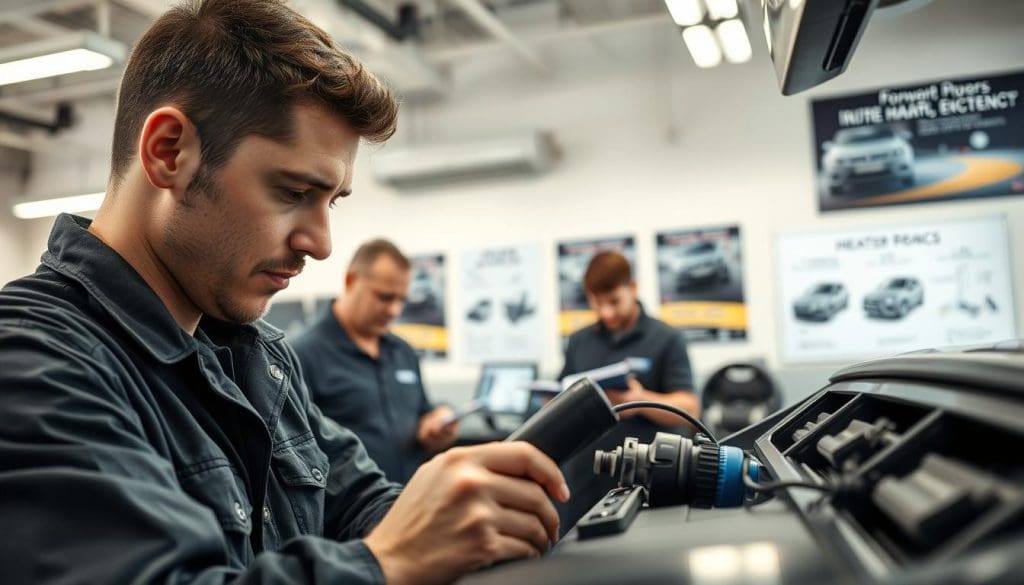
Repair vs Replacement: Choosing the Right Fix for Your Heating System
Deciding between a targeted fix and a full replacement affects cost, downtime, and long-term reliability. We start with a clear diagnosis so your choice is based on facts, not guesses.
When a repair makes the most sense
Minor faults often reward a simple fix. We favor a repair when the failure mode is isolated, labor access is straightforward, and the rest of the system shows healthy condition.
- Examples include fixing small leaks, bleeding air pockets, or replacing a faulty thermostat when the unit and core are sound.
- We compare estimated cost and downtime so you know the likely outcome of this way forward.
When component replacement is the smarter long-term option
Replacement becomes the better option for repeated failures, severe core restriction, or when long-term reliability matters more than short-term savings.
- Replacement may mean a specific part swap—actuator, blower motor, or a worn core—rather than replacing the entire heating system.
- Proper installation and OEM-quality parts are critical to avoid comebacks, so we explain installation steps and parts choices.
We explain options in plain language so you can approve the fix that matches your goals and budget.
Preventing Weak Heat with Routine Maintenance
Keeping coolant clean and circulating is the simplest way to protect cabin warmth all year. We recommend a proactive maintenance plan to catch small faults before they grow into bigger problems.
Cooling system service intervals and coolant condition checks
We check coolant condition, level, and concentration on every visit. That includes looking for contamination, rust, or low volume that reduces heat transfer.
Many drivers schedule system service around mileage and once per year for predictable upkeep.
How regular inspections help avoid surprise breakdowns
Routine inspections find small leaks, aging hoses, and early thermostat issues before they become costly.
Regular maintenance saves you time and preserves cabin comfort in changing weather.
Signs you should schedule service today instead of waiting
Schedule service today if you notice persistent lukewarm air, a coolant smell, recurring fogging, fluctuating gauge readings, or uneven cabin temps.
We act quickly to diagnose what the system needs and keep you comfortable on the road.
Why San Antonio Drivers Choose Heaven Automotive
We build long-term value by diagnosing the cause and explaining every step. Our approach keeps work clear and decisions simple for busy drivers in san antonio.
Professional technicians focused on doing the job right
Our technicians follow a step-by-step inspection and confirm results with final testing. We diagnose the root cause and fix that—not just the symptom.
Transparent pricing and no-surprise recommendations
We give an upfront quote and explain each recommended service. You approve the plan before any work begins, so there are no unexpected charges.
A service experience built around customer comfort and trust
Our team treats customers like neighbors. We share clear updates, keep the workspace tidy, and document final test results so you can leave confident your vehicle is safe and reliable.
| What you get | Benefit | Why it matters |
|---|---|---|
| Skilled technicians | Accurate diagnostics | Fewer repeat visits and better long-term value |
| Upfront pricing | No billing surprises | Clear budgeting and trusted decisions |
| Final testing | Verified performance | Safe defrost and dependable heat in local driving |
“We center our service model on clear communication, upfront pricing, and final testing to build trust.”
- We serve daily drivers, families, and commuters in san antonio who want dependable services.
- Call us to discuss symptoms, schedule service, or get a clear plan for repair san antonio.
Conclusion
A clear diagnosis is the first step to restoring reliable cabin warmth and safe visibility. We confirm whether the root cause is low coolant, a stuck thermostat, heater core restriction, airflow faults, or HVAC control failure. That verified approach protects comfort and safety, especially for quick defrost needs.
We treat the vehicle like a small home system: airflow, temperature control, and coolant circulation must all work together. Fixing it right the first time starts with our professional inspection and an expert recommendation before any work begins. Call today to schedule heating repair and hire Heaven Automotive to make your heater perform reliably when you need it most.