

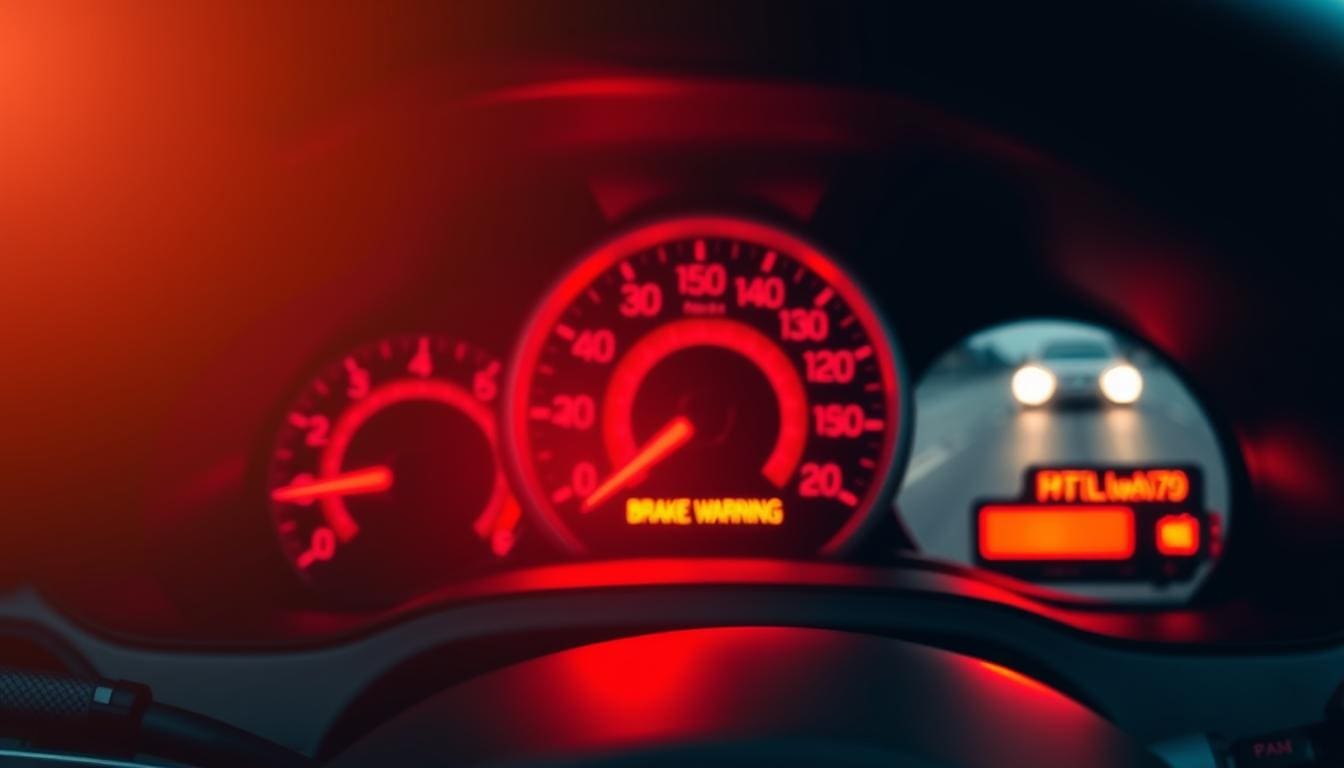
Warning lights and odd noises are not suggestions — they are signals. When drivers notice symptoms, waiting often turns a small issue into a bigger, costlier problem. We help local drivers find a clear next step with honest diagnostics and fast quoting.
In busy stop-and-go traffic or when merging on the highway, reliable stopping power matters. Our team at Heaven Automotive focuses on safety-first recommendations, clear explanations, and fixes based on verified findings. We offer flexible appointment times and straightforward communication to match modern service expectations.
Many issues stay manageable when addressed early. If you searched for brake repair San Antonio, you likely want a trustworthy local team and a simple path forward. We inspect your car, explain what we find, and suggest practical options that protect you and your vehicle.
Key Takeaways
- Warning signs mean act now — delays often increase damage.
- We provide quick quotes, flexible times, and clear communication.
- Heaven Automotive bases recommendations on verified inspections.
- Early service protects your car, your safety, and others on the road.
- Stop-and-go city driving makes dependable brakes essential.
Brake warning signs we never recommend ignoring
When your car starts talking back with noises or lights, it’s trying to tell you something important.
High-pitched noises — grinding, squealing, screeching, or rubbing — usually point to worn pads or metal contact. These sounds mean friction material is low or hardware is rubbing a rotor and needs prompt attention.
Vibration or pulsing
Feeling a pulse in the pedal or steering wheel often ties to warped rotors. Uneven surfaces reduce stopping smoothness and can worsen quickly.
Excessive pedal travel and delayed response
If the pedal travels farther than normal or stopping lags, that can signal pad wear or a hydraulic concern. This reduces safe braking performance.
Warning light
The dash light may indicate fluid level, hydraulic pressure, or ABS alerts. It demands diagnosis rather than guesswork.
“We recommend lowering speed, increasing following distance, and scheduling an inspection right away.”
- Noises that come and go still matter, especially in san antonio neighborhoods and heavy traffic.
- We advise contacting Heaven Automotive when these problems appear so we can inspect the system and advise on repair options.
| Symptom | Common Cause | Immediate Action |
|---|---|---|
| Grinding or squeal | Worn brake pads or metal contact | Reduce speed, schedule inspection |
| Pulsing pedal | Warped rotors | Avoid hard stops, book service |
| Dash light | Fluid/ABS/hydraulic issue | Do not assume—diagnosis needed |
| Long pedal travel | Pad wear or hydraulic loss | Increase following distance, seek help |
What can happen if you keep driving with brake problems
Ignoring early signs lets small faults become serious safety issues. On busy roads, predictable stopping matters. We urge prompt attention to avoid escalation.

Longer stopping distances and crash risk on san antonio roads
Worn pads and soft pedal feel increase stopping distance. That is dangerous where traffic, exits, and merging create sudden slowdowns.
Damage that spreads from pads to rotors, calipers, and parts
Small wear can cause a cascade effect. Scored rotors, seized calipers, and extra hardware damage often follow if left unchecked.
Loss of performance due to fluid, heat, and system wear
Heat buildup leads to fade and inconsistent pedal feel. Low or contaminated fluid can reduce hydraulic response and overall stopping performance.
- Increased stopping distance raises crash risk in city and highway traffic.
- Cascade damage turns a simple job into a larger, costlier repair.
- Heat and fluid issues cause reduced braking performance during repeated stops.
“We recommend scheduling an inspection at the first sign of trouble to protect safety and limit costs.”
| Problem | Likely outcome | Immediate action |
|---|---|---|
| Worn pads | Scored rotors, stressed calipers | Stop guessing—book an inspection |
| Overheating | Fade, inconsistent pedal | Limit heavy use, seek service |
| Contaminated fluid | Poor hydraulic response | Flush and test system |
Early maintenance usually costs less than replacing multiple parts. At Heaven Automotive, we prioritize safety and clear recommendations so you can avoid bigger problems down the road.
Why brake repair San Antonio should start with a professional inspection
Before we suggest parts or charges, we confirm what is actually failing under the wheel.
We begin with a clear, documented inspection. Our ASE-certified technicians check pad and shoe thickness, rotor and drum condition, caliper function, hose and line integrity, and fluid health.
Symptoms often overlap, so a targeted check prevents unnecessary replacement and keeps costs honest.
How we confirm the real issue
We look for uneven wear, heat marks, leaks at the wheel, and seized components.
Then we run a simple hydraulic and pedal test to rule out hidden failures.
What we report and why it matters
- Plain-language findings: what’s urgent, what can wait, and why.
- Written options with clear quotes and no pressure.
- Recommended care to keep the system safe for city and highway driving.
“Our goal is safe, consistent stopping power—not just masking the noise.”
| Check | What we look for | Typical recommendation |
|---|---|---|
| Pad/shoe | Thickness, glazing, uneven wear | Replace or monitor with timeline |
| Rotor/drum | Scoring, warp, heat damage | Resurface or replacement |
| Hydraulics & fluid | Leaks, contamination, level | Flush, repair lines, or part replacement |
| Wheel area clues | Caliper movement, leaks, wheel bearing heat | Targeted correction to prevent spread |
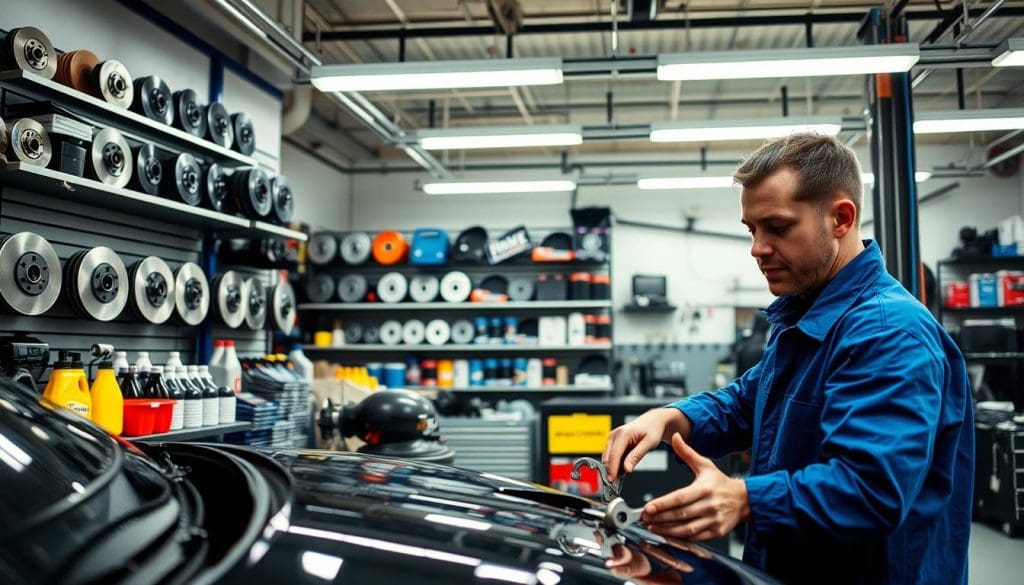
Common brake repair services we provide at Heaven Automotive
To make choices simple, we outline the most common services we perform and when each applies.
Brake pad replacement and shoe replacement
Brake pad replacement and brake shoe replacement
We replace pads on disc systems and shoes on drum setups. High-quality friction material reduces noise and lasts longer.
When to choose this: thin pads, metal contact sounds, or uneven wear at the wheel.
Rotor replacement and drum replacement
Brake rotor replacement and brake drum replacement
Damaged rotors or drums cause vibration, pulsing, and uneven stopping. We resurface when possible or replace when surfaces are beyond safe limits.
Brake fluid flush to restore performance
Brake fluid flush to restore braking performance
A fluid flush removes contamination and restores pedal feel. Fresh fluid reduces corrosion and helps the hydraulic system work as designed.
Hose, caliper, and wheel cylinder replacement
Brake hose, brake caliper, and wheel cylinder replacement
We replace hoses that leak, calipers that seize, and wheel cylinders that lose pressure. These parts can cause uneven braking or loss of force.
“We recommend services based on inspection, not a one-size-fits-all checklist.”
| Service | When it applies | Why it matters |
|---|---|---|
| Pad/Shoe replacement | Wear below spec, noise, metal contact | Restores stopping force and protects rotors |
| Rotor/Drum replacement | Warping, deep scoring, vibration | Eliminates pulsing and uneven wear |
| Fluid flush | Contamination, old fluid, soft pedal | Improves hydraulic response and safety |
| Hose/Caliper/Wheel cylinder | Leaks, seized parts, uneven braking | Prevents loss of pressure and wheel issues |
Our promise: we base each recommendation on inspection and focus on safety, clear options, and honest parts choices to keep your vehicle stopping reliably.
What to expect when you book brake service with our technicians
Booking service should be simple: tell us the symptoms, pick a time, and we handle the rest.
We respect your schedule and aim to make the appointment process quick and clear.
Scheduling your appointment around your time and vehicle needs
When you call, we ask a few questions about the issue and your vehicle. This helps us give realistic arrival and work estimates.
We coordinate parts and technician availability so the appointment fits your day. If extra parts are needed, we tell you before we start additional work.
Typical repair time expectations for common services
Many services finish in about 45–90 minutes, depending on the vehicle and findings. Complex jobs can take longer.
Factors that affect time include rusted hardware, rotor or drum condition, bleeding procedures, and whether both axles need attention.
“We keep customers informed and never proceed with extra work without approval.”
| Step | What to expect | Typical time |
|---|---|---|
| Initial inspection | Documented findings and options | 15–30 minutes |
| Typical service | Pad/shoe and minor hardware work | 45–90 minutes |
| Complex jobs | Resurfacing, multiple parts, bleeding | 2+ hours |
Our shop process aims to minimize downtime and get you back on the road safely. We provide clear information and respect your time at every step.
Quality, safety, and the parts that matter for reliable brake repairs
We insist on quality parts and methodical checks so your vehicle returns with predictable stopping performance.
Why premium parts help protect long-term performance
High-grade components matter. Premium pads, rotors, and hardware reduce noise and deliver more consistent stopping under repeated use.
Matched parts last longer and protect costly components from premature wear.
How experienced technicians prevent repeat issues
Our ASE-certified technicians install parts correctly and address root causes like sticking calipers or worn hardware.
This reduces callbacks and preserves predictable pedal feel on every trip.
Road-testing and final checks to confirm safe stopping power
We complete torque checks, fluid verification, and a short road-test. Bedding guidance and a final inspection confirm no abnormal vibration and steady braking performance.
“We prioritize safety and repeatable quality—not quick fixes that come back in a few weeks.”
| Step | What we verify | Why it matters |
|---|---|---|
| Part selection | Quality match to vehicle | Consistent performance and longevity |
| Installation | Hardware, torque, and alignment | Prevents uneven wear and noise |
| Final test | Fluid, pedal feel, road-test | Confirms safe stopping and confidence on the road |
How to know it’s time to schedule brake repair today
A subtle change in pedal feel today can mean bigger costs if we wait until tomorrow.
Early symptoms vs. urgent warning signs that shouldn’t wait
Early signs are easy to miss. Occasional squeal, mild pedal softness, or a faint vibration usually mean pads are wearing and an inspection is warranted.
Urgent signs need immediate attention: grinding, strong pull to one side, a persistent warning light, heavy vibration, or delayed stops. If you notice these, reduce driving and call us for an appointment.
How preventive maintenance can reduce future repair costs
Routine maintenance catches uneven wear, low or contaminated fluid, and stuck hardware before they spread. Addressing pads early often prevents rotor damage and larger jobs.
- If stopping feels less predictable than yesterday, schedule brake repair today with our team.
- Regular inspections limit downtime and keep long‑term costs lower.
- Every car and vehicle platform wears differently; we tailor service to your driving needs and local traffic patterns.
“Prompt inspection is the safest way to reduce risk and avoid bigger bills.”
| Sign | What it suggests | Action |
|---|---|---|
| Occasional squeal | Early pad wear | Book routine maintenance |
| Grinding or warning light | Serious contact or system fault | Schedule immediate appointment |
| Mild vibration | Possible rotor issue | Inspect and plan service |
We encourage San Antonio drivers to contact Heaven Automotive promptly when symptoms appear. Booking an appointment is the safest next step when problems show up.
Conclusion
Noticing early signs can save time, money, and keep you safer on the road. Warning lights, a soft pedal, or new noises are early alerts. Ignoring them often means longer stopping distances, more damage, and higher repairs.
Start with a professional inspection so we identify the real issue and avoid unnecessary replacement. Typical services include pads, rotors, fluid service, and targeted component work chosen for safety and performance.
Expect clear information, realistic time estimates, and final checks that confirm safe stopping. If the light is on, pedal feel changes, or vibration appears, schedule an appointment now to protect passengers and other drivers in san antonio traffic.
Hire Heaven Automotive — we’ll inspect, explain options, and get your vehicle back to reliable road performance with honest, quality work.