

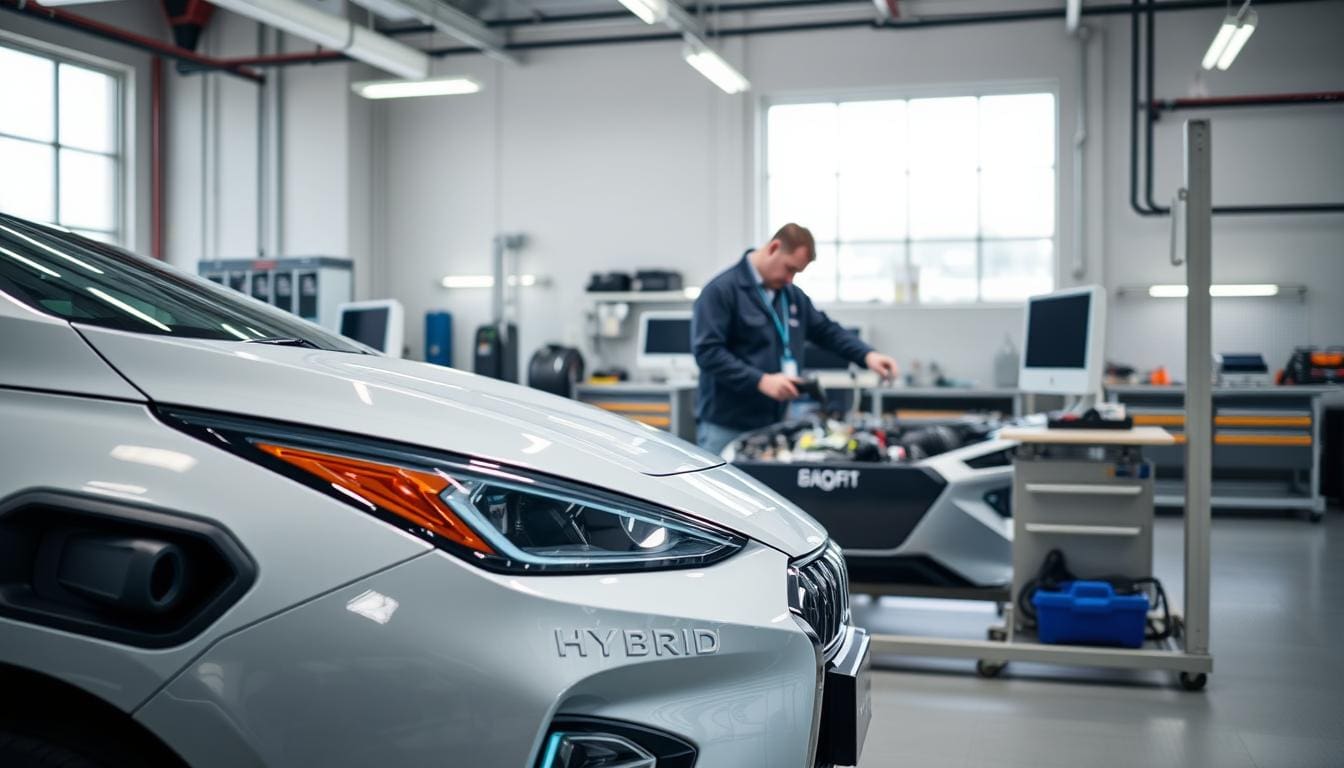
Modern hybrids pair a gasoline engine with electric drive and high-voltage battery systems. That mix makes upkeep more complex than standard car care. It also demands trained technicians, special tooling, and precise diagnostics to keep systems safe and reliable.
At Heaven Automotive, we treat this technology as interconnected. When one system is off, overall performance and fuel economy can fall. Our approach focuses on accurate diagnosis, professional repair, and preventive maintenance to control ownership costs.
We follow strict safety steps around high-voltage parts and use hybrid-capable tooling. Routine items like oil, brakes, cooling, and inspections still matter. But hybrids add checkpoints many general shops miss.
We’ll cover battery health, power electronics, cooling, regenerative braking, and drivability — and you can hire Heaven Automotive to keep your car running smoothly today.
Key Takeaways
- Hybrid systems combine multiple power sources and need precise attention.
- Choosing trained technicians protects safety and long-term reliability.
- Heaven Automotive offers accurate diagnostics and professional repair options.
- Routine maintenance still matters; hybrids add extra checkpoints.
- We can help with batteries, power electronics, cooling, and regenerative braking.
How Hybrid Technology Changes Routine Maintenance and Repair
Combining an engine and an electric drive alters what counts as normal maintenance and repair. We inspect shared components and monitor how the two power sources work together during everyday driving.
Electric motor torque helps with stop-and-go acceleration, reducing load on the gas engine and improving fuel economy in city traffic. That benefit also changes wear patterns and the intervals for common upkeep like oil and brake checks.
Hybrids add high-voltage batteries, inverters, converters, and control modules. These power electronics and cooling systems require specialized diagnostics and safety steps. Small electrical faults can affect overall performance and trigger complex fault codes.
We still perform familiar inspections, but we also verify system communication, battery health, and calibration. Precise adjustments matter because minor miscalibration can lead to drivability issues and reduced fuel economy.
- Shared workload: engine and motor affect wear differently.
- Extra electronics: require safety gear and tools.
- Precise care: catches small issues before they become major repairs.
Hybrid Vehicle Service: What We Inspect and Test at Heaven Automotive
We begin with a targeted diagnostic scan that pulls system-level codes and live data from the control modules. This step reads specialized fault codes that generic scans miss and guides every follow-up test.
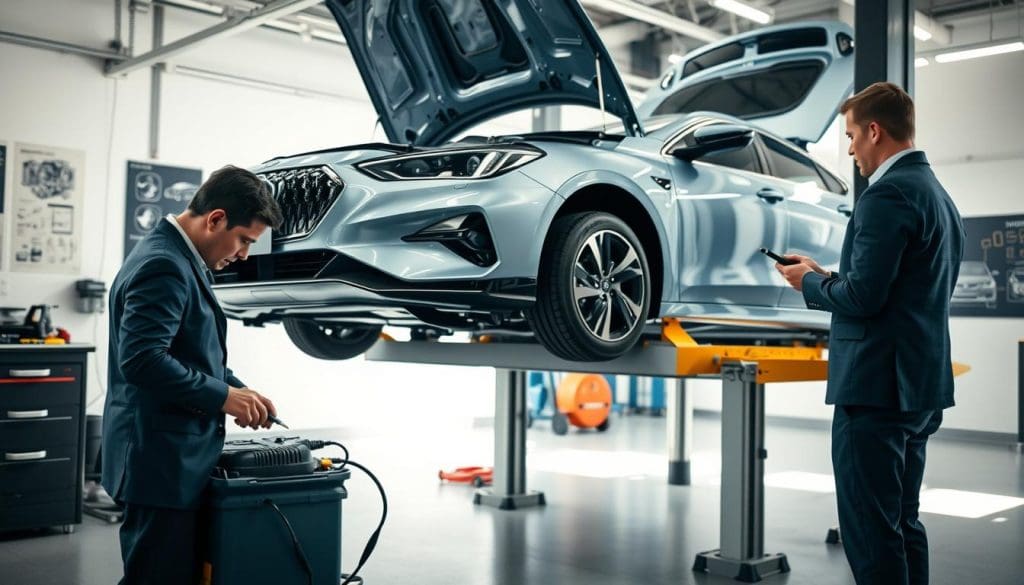
Hybrid-capable diagnostic scan and hybrid-specific fault codes
Our expert technicians connect hybrid-capable tools to retrieve manufacturer fault codes. We verify stored events and note intermittent errors before recommending repairs.
Live data review and system communication checks
We watch real-time data streams to confirm control modules, sensors, and power electronics are communicating correctly. Accurate communication prevents misdiagnosis.
High-voltage battery performance testing and battery health evaluation
Battery health is tested for capacity, imbalance, and voltage sag. Early detection protects long-term performance and reduces unnecessary replacements.
Inverter, converter, cooling, and drivetrain checks
We test inverter and converter operation, inspect cooling paths to prevent overheating warnings, and confirm fluid and transmission recommendations. After repairs, we validate drivability before closing the job.
Ready for answers? Call or schedule appointment to book a hybrid diagnostic appointment with us and get a clear estimate.
Battery, Charging, and Electrical Systems That Require Specialized Tools
Accurate battery testing separates normal wear from failure, preventing unneeded replacements and surprise bills.
Battery packs are costly because they combine many cells, cooling, and control electronics in one assembly. Replacing a pack is often the largest single repair on a hybrid car.
Diagnosis of charging and electrical systems requires specialized procedures and high-voltage safety checks. Our technicians trained in hybrid vehicles use manufacturer tools to verify power delivery and module communication.
Why the pack is so expensive
The pack includes cell modules, a management module, and cooling hardware. Each part adds cost and complexity to replacement.
Common battery-related issues we look for
- Cooling fan failures that cause overheating warnings.
- Electrical communication errors between modules and control units.
- Loose connections or localized cell imbalance.
When testing solves the problem versus replacement
We test cell capacity, balance, and voltage sag to separate aging from repairable faults. Targeted repairs, cooling fixes, or module replacements can restore health without a full replacement.
“Proper testing protects owners from unnecessary replacement and extends total hybrid life.”
| Diagnosis | Common Issue | Typical Outcome |
|---|---|---|
| Cell capacity test | Low capacity in one module | Module replacement or rebalancing |
| Cooling inspection | Fan failure or blockage | Fan repair and restored performance |
| Communication scan | Intermittent CAN errors | Connector repair or control module update |
Our approach: methodical testing, targeted repair services, and clear recommendations so the car stays safe on the road and total ownership costs stay lower over its life.
Regenerative Braking and Brake Wear: Why Hybrid Brake Service Is Different
Regenerative braking changes how slowing feels and how often friction brakes need replacement.
How it works: The electric motor(s) reverse to help slow the car while generating electricity to recharge the battery. That energy recapture reduces reliance on friction brakes and can lower typical brake wear.
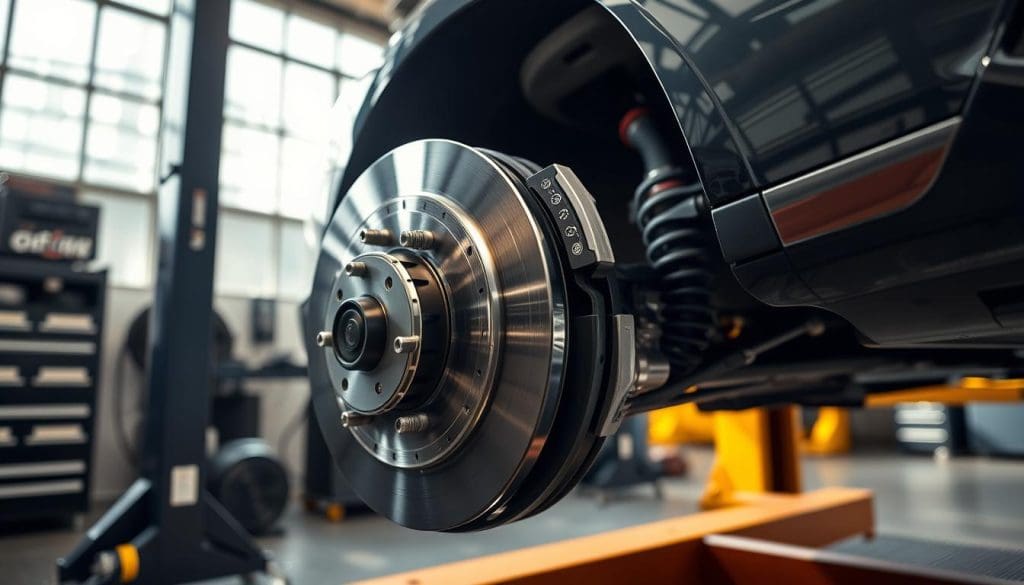
What smooth braking performance looks like
Smooth braking performance means a consistent pedal feel and a predictable handoff between regenerative braking and the friction system. Drivers should not notice sudden grabs or delays when the systems switch.
Why pads last longer but still need expert attention
Reduced friction use often extends pad life, yet the combined controls add complexity. Misadjusted braking controls or uneven wear can hide under normal mileage.
Signs we take seriously
- Unusual noises or vibration during stopping
- Longer stopping distances or inconsistent pedal feel
- Loss of regenerative braking behavior or warning indicators
How we evaluate brakes: We inspect pads, rotors, and calipers alongside the regenerative control logic. Proper diagnosis and timely repairs keep your vehicle running smoothly and protect the system’s efficiency benefits.
Warning Signs Your Hybrid Needs Service and Why Early Diagnostics Matter
A subtle change in how your car shifts between electric and gas power can mean a deeper problem. We watch for small cues because early checks often prevent larger auto repair work.
Hybrid system warning light or check engine light
Any warning light should prompt a diagnostic scan. Stored fault codes reveal whether the alert is an electrical fault, an engine issue, or a communication error.
Reduced fuel economy or rough switching
If fuel economy drops or the car does not switch smoothly between power sources, the problem can stress both the engine and the battery. Early testing helps us target the right auto repair steps.
Battery charge problems, overheating, and drivability concerns
Charge loss, overheating warnings, hesitation, or weak acceleration are urgent signs. Heat and electrical stress accelerate wear and can strand you on the road if ignored.
- Warning lights or persistent fault codes
- Lower fuel economy or rough transitions
- Charge/overheat alerts, loss of regenerative braking
- Hesitation, weak acceleration, or odd vibrations
“Early diagnostics protect both the electric and gasoline components and reduce unexpected repairs.”
Our team performs targeted testing first so we recommend repairs based on data, not guesswork. Schedule appointment today with Heaven Automotive and let us confirm the cause and outline next steps to keep your vehicle running smoothly.
Conclusion
Protecting complex power electronics and high-voltage packs starts with precise diagnostics and consistent inspection. Proper hybrid electric upkeep needs trained techs, correct tooling, and methodical testing to spot early faults.
We covered high-voltage battery health, power electronics, cooling checks, regenerative braking, and drivability diagnostics. These areas link directly to long-term reliability and lower life-cycle costs.
Accurate diagnostics reduce repeat repairs and extend component life by targeting the real problem, not guessing. We are the expert choice for careful maintenance repair on your car.
Hire Heaven Automotive to fix your vehicle — contact us to schedule a hybrid diagnostic and get your car back to dependable daily driving.