

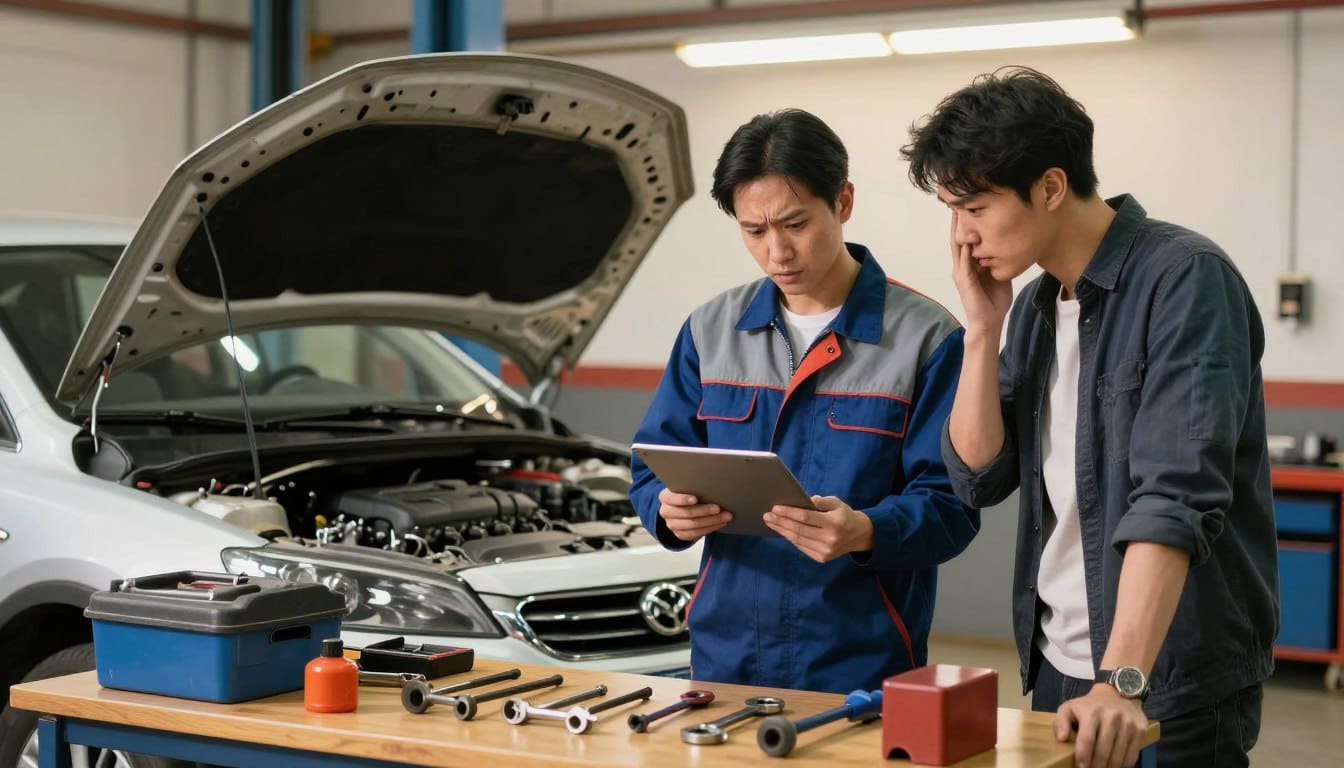
Having a car is more than just driving it. At Heaven Automotive, we see how simple actions can make your car last longer. We want to share essential insights that mechanics wish drivers knew to prevent expensive repairs later.
Our shop is at 6645 Poss Rd. San Antonio, TX 78238. We focus on keeping your car in top shape. Knowing your car’s needs helps you take care of it better. If you’re worried about your car’s engine or performance, call us at (210) 682-3898 for advice.
Key Takeaways
- Prioritize routine oil changes to prevent engine wear.
- Listen for unusual sounds early to avoid major failures.
- Check tire pressure monthly for better fuel efficiency.
- Follow your manufacturer’s recommended service schedule strictly.
- Build a relationship with a trusted local repair shop.
The Current State of Automotive Maintenance Awareness
The world of car care has changed a lot in the last ten years. With over 800,000 auto mechanics in the U.S., the industry is key to our daily travel. Knowing the right car maintenance tips is key to protecting your car and keeping you safe.
Why Modern Vehicles Require Specialized Attention
Today’s cars are much more complex than before. They use advanced computer systems and sensors that need specialized diagnostic tools to work right. Even simple tasks now need a skilled technician to avoid harming the car’s electronics.
Because of this, old ways of car care won’t do. Following the latest car maintenance tips helps meet the needs of today’s engines and transmissions. Getting professional help is now essential for your car’s long-term health.
The Cost of Ignoring Routine Service Intervals
Many think skipping service saves money. But, ignoring basic care can lead to catastrophic mechanical failures that cost a lot to fix. A simple oil change today can stop a big engine problem tomorrow.
The table below shows the difference between regular care and neglect:
| Maintenance Approach | Typical Cost Impact | Vehicle Reliability |
|---|---|---|
| Proactive Service | Low (Predictable) | High (Consistent) |
| Reactive Neglect | High (Emergency) | Low (Unpredictable) |
| Long-term Value | Retains Resale Value | Rapid Depreciation |
By focusing on these car maintenance tips, you avoid sudden car troubles. Regular care keeps your car in good shape, saves money, and makes it last longer.
What Mechanics Wish Drivers Knew About Preventative Care
What mechanics wish drivers knew is that your car’s health depends on consistent, informed attention. Many owners treat maintenance as a reactive chore instead of a proactive strategy for longevity. By understanding your vehicle’s specific needs, you can avoid the stress of unexpected breakdowns.
Debunking Common Myths About Oil Change Frequency
A common myth says every vehicle needs an oil change every 3,000 miles. But, modern cars have changed this rule. Now, some cars can go up to 15,000 miles or 12 months without needing an oil change.
But, driving in stop-and-go traffic or extreme climates can be risky if you wait too long. Engines use some oil, even if the schedule says not to change it yet. Always check your oil level at least once a month to keep it safe.
The Importance of Fluid Levels Beyond Engine Oil
Your vehicle needs more than just engine oil to work right. Mechanics often see damage from neglected transmission fluid, brake fluid, or coolant. These fluids are critical for safety and performance, but often get ignored.
Checking these levels is easy and can prevent big problems. For example, low brake fluid can make your pedal feel spongy, and bad coolant can make your engine overheat fast. Just a few minutes to check your reservoir levels can save you from costly repairs and keep your car running well.
Understanding Your Dashboard Warning Lights
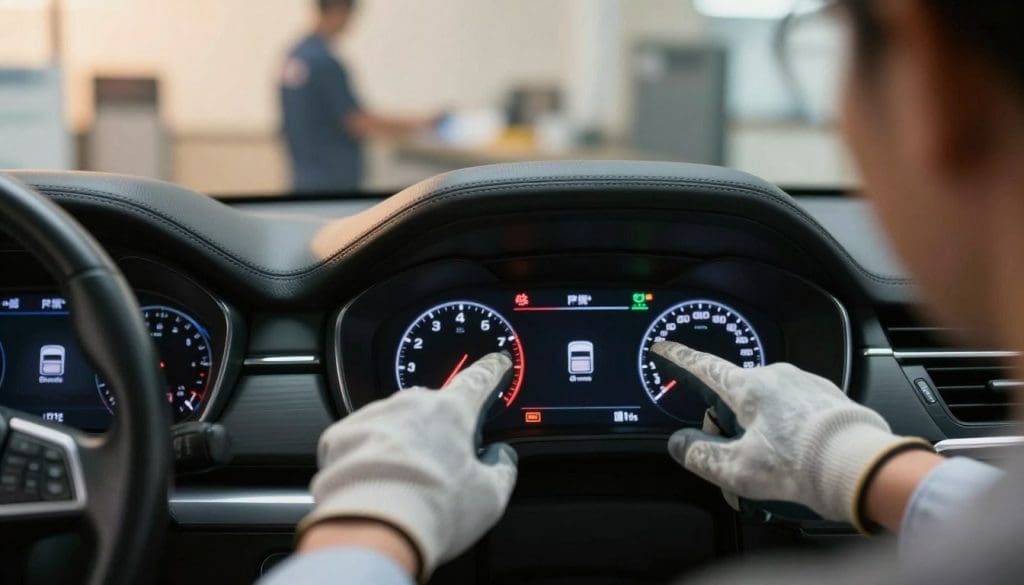
When a warning light turns on, your car is trying to tell you something. These lights are like messengers, alerting you to possible problems. Getting mechanic advice can help you figure out if it’s a small issue or a big one.
Decoding the Check Engine Light Signals
The check engine light is often misunderstood. A steady light means you need to check it soon, but it’s not urgent. But, a flashing light is a big warning. It means your engine is misfiring, which can harm your car.
Don’t ignore these lights. They’re your car’s way of saying it needs help. Mechanic advice says to scan your car for trouble codes right away. Even if it seems fine, your car might be stressed inside.
When to Pull Over Immediately Versus When to Keep Driving
Knowing when to stop can prevent big problems. Some lights just tell you something, but others mean serious danger. Here’s what to do:
- Red Oil Pressure Light: Pull over right away and turn off the engine to avoid damage.
- Temperature Gauge Spike: Stop safely to prevent engine damage.
- Steady Yellow/Amber Lights: You can drive to a shop for mechanic advice when it’s safe.
Always put your safety and your car’s health first. Ignoring these warnings is very risky. If unsure, pull over and check your manual.
Tire Health and Safety Standards
Keeping your tires in good shape is key for any driver. Your tires are the only part of your car that touches the road. So, their condition affects your safety. If you ignore your tires, you might have trouble controlling your car.
Monitoring Tread Depth for Optimal Traction
The tread depth is critical for road grip, more so in wet or slippery conditions. As tread wears, stopping and turning become harder. It’s important to check your tires often to see if they’re deep enough.
Try the penny test to see if your tires need a change. Put a penny in the tread grooves with Lincoln’s head down. If you see his head, it’s time to replace your tires for better traction.
The Critical Role of Proper Tire Pressure in Fuel Economy
Tire pressure changes with the weather. Tires can lose up to two psi each month. Keeping them at the right pressure saves you money on gas.
Under-inflated tires make your car work harder, using more fuel. The right pressure means even wear and longer tire life. Here are some quick tips:
- Check your tire pressure at least once a month with a reliable gauge.
- Always check pressure when the tires are cold, as driving heats the air inside.
- Look in your owner’s manual or the driver’s door for the correct psi.
- Check the sidewalls for any visible cracks, bulges, or debris.
Brake System Maintenance and Warning Signs
Your car’s ability to stop safely is key. Many drivers focus on looks like custom wheels or paint. But, the braking system is the real hero of your daily drive. It’s important to focus on performance to stop safely when traffic slows down.
Identifying Squeaks and Grinds Before They Become Costly
Modern brake pads have wear indicators to warn you. If you hear a high-pitched squeal when stopping, your pads need to be replaced. Ignoring this sound can damage your rotors and increase repair costs.
Grinding noises mean your pads are worn out. Fixing these sounds early saves money by avoiding rotor and caliper replacement. Regular checks keep your car safe and your wallet happy.
Why Brake Fluid Flushes Are Often Overlooked
Brake fluid absorbs moisture, which can harm your brakes. This can cause a spongy brake pedal or system failure. Mechanics often see brake fluid that’s dark and dirty.
A brake fluid flush removes old, moist fluid and adds new, clean one. This service protects your car’s parts from corrosion. It keeps your brakes working well in all driving conditions.
Battery Longevity and Electrical System Integrity
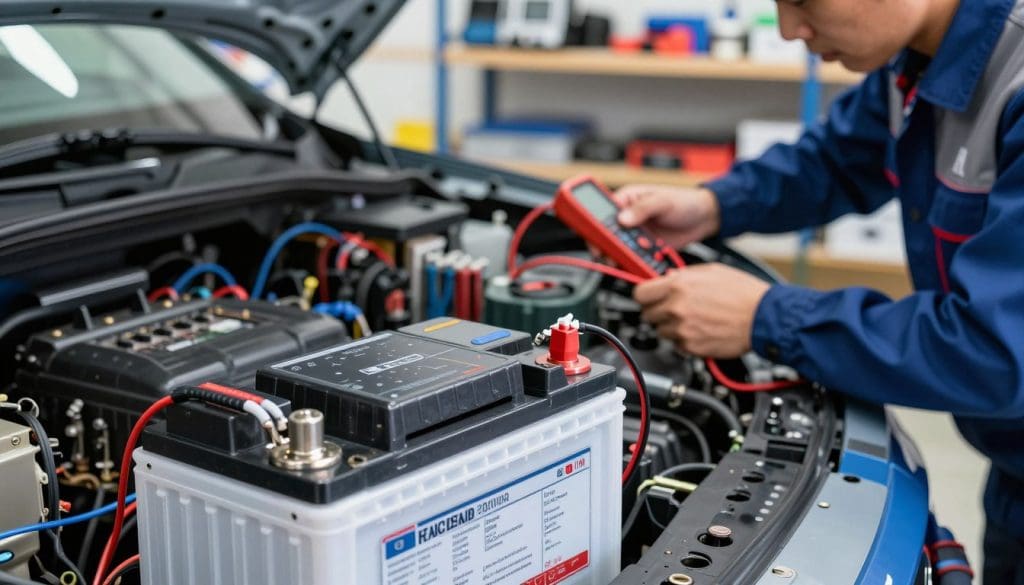
Your car battery is like the quiet engine that powers all your car’s electronics. The engine moves your car, but the electrical system keeps everything running smoothly. Keeping this system in good shape is key for your car’s long-term health and your peace of mind.
Recognizing the Signs of a Failing Battery
Spotting a battery problem early can save you from being stuck. A slow engine crank when you start the car is a big clue. If the engine seems to be straining, your battery might not have enough power.
Also, watch your headlights. If they seem dimmer than usual while the car is running, your battery might be losing its charge. Don’t ignore any battery warning lights on your dashboard that stay on after you start the car.
Preventing Corrosion on Battery Terminals
Corrosion, a white or blue powder, can build up on your battery terminals over time. It stops electricity from flowing well. Regular cleaning keeps your electrical system working right.
To clean this off, mix baking soda and water with a stiff brush. Make sure to disconnect the negative terminal first to avoid sparks. Keeping your terminals clean helps your alternator and battery last longer.
| Symptom | Potential Cause | Recommended Action |
|---|---|---|
| Slow Engine Crank | Low Battery Charge | Test Battery Voltage |
| Dim Headlights | Weak Battery Output | Inspect Alternator/Battery |
| Terminal Corrosion | Chemical Oxidation | Clean with Baking Soda |
| Dashboard Warning | Electrical Fault | Professional Diagnostic |
The Impact of Driving Habits on Vehicle Longevity
Your daily driving habits have a big impact on your car’s reliability. Routine maintenance is key, but your driving style affects how fast parts wear out. By tweaking your daily driving, you can extend your vehicle’s life a lot.
How Aggressive Driving Accelerates Component Wear
Driving aggressively, like speeding up fast and braking hard, puts a lot of stress on your car. This makes your engine and transmission work too hard, leading to early breakdowns. Constant stress on these parts can lead to expensive fixes that could have been prevented.
Your suspension system also takes a hit from aggressive driving. Hitting bumps at high speeds can damage your struts, shocks, and alignment. To keep your car in top shape, try these easy habits:
- Accelerate gradually to ease the load on your transmission.
- Keep a safe distance to avoid abrupt braking.
- Stick to speed limits to reduce wear on tires and brakes.
- Don’t shift gears while moving.
The Benefits of Warming Up Your Engine Properly
Many think they need to idle their cars for a long time, but today’s engines need a different approach. The best way to warm up your engine is to drive slowly for a few miles. This lets the oil circulate and reach its optimal operating temperature throughout the engine.
When you start your car, wait about thirty seconds before driving. Don’t speed up or brake hard until the temperature gauge shows a normal reading. This simple step makes sure your engine is well-lubricated, preventing unnecessary friction and damage.
Cooling System Failures and Engine Overheating
Heat is the main enemy of your engine. Your cooling system is its only defense. It includes hoses, a radiator, and a water pump. These work together to keep your vehicle cool.
If this system fails, heat can cause catastrophic mechanical damage. This damage is often too much to fix.
The Role of Coolant in Preventing Catastrophic Damage
Coolant, or antifreeze, does more than prevent freezing. It absorbs heat from the engine and carries it to the radiator. There, it is released into the air.
Without the right amount of coolant, your engine parts can warp or crack. This happens when they get too hot.
Check your coolant levels often. This keeps the system working right. If you smell something sweet or see green or orange puddles, you have a leak. Ignoring these signs can lead to engine failure.
What to Do When Your Temperature Gauge Spikes
If your temperature gauge goes into the red, act fast. Driving with an overheating engine can damage it badly. Here’s how to protect your engine:
- Turn off the air conditioning right away to ease the engine’s load.
- Turn on your heater to the highest setting. This pulls heat away from the engine.
- Find a safe spot to pull over and turn off the engine quickly.
- Wait until the engine cools down before opening the hood or checking the radiator cap.
Never open the radiator cap when the engine is hot. The steam can burn you badly. After it cools, check the reservoir level. If it’s low, add water and coolant to get to a repair shop. But, have the system checked for leaks right away.
| Component | Function | Maintenance Tip |
|---|---|---|
| Radiator | Dissipates heat | Keep fins clear of debris |
| Coolant | Regulates temperature | Flush every 30,000 miles |
| Hoses | Transports fluid | Check for cracks or bulges |
Suspension and Steering Component Wear
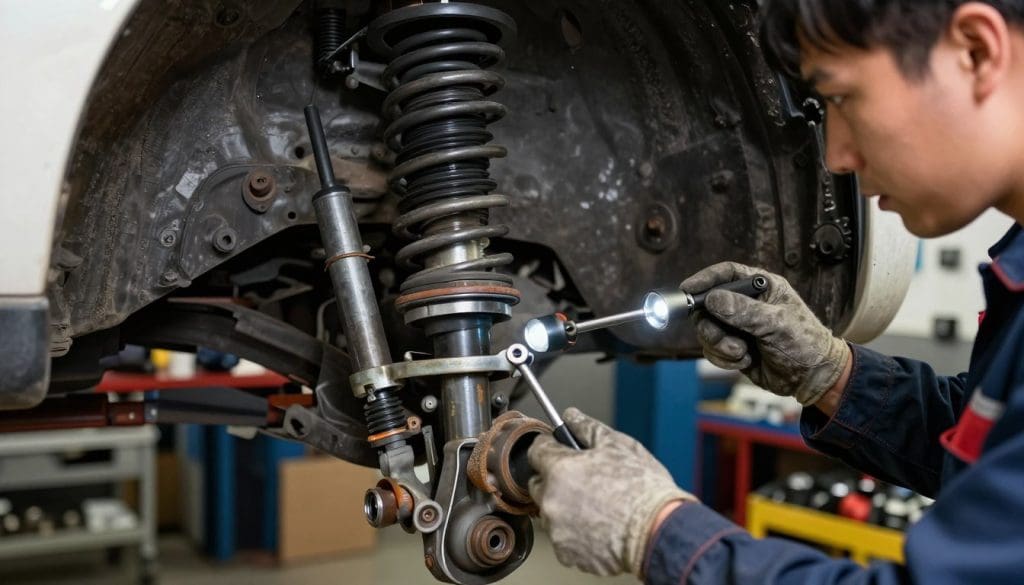
Your vehicle’s ability to handle the road depends on its suspension and steering systems. These parts work together to give you a smooth ride and control. Over time, they wear out from road conditions.
Ignoring these signs can make your drive less comfortable and less safe. By being proactive, you can catch small issues before they become big problems. Paying attention to your vehicle’s feedback helps protect your investment.
Identifying Clunks and Rattles in Your Undercarriage
Unusual noises from under your car often mean something is loose or worn. Clunks and rattles point to worn-out suspension bushings, struts, or shocks. These parts take a lot of stress every day.
If you hear knocking over speed bumps, don’t ignore it. This noise means a rubber bushing has cracked or a strut mount has failed. Fixing these early can prevent more damage and save you money.
Why Wheel Alignments Save You Money on Tires
Keeping your wheels aligned is very cost-effective. Misaligned wheels put uneven pressure on your tires, wearing them down faster. This means you’ll need to replace tires sooner than you should.
A professional alignment makes sure your tires meet the road right. This improves your fuel economy and makes driving more stable. The cost of an alignment is much less than buying new tires.
| Symptom | Potential Cause | Recommended Action |
|---|---|---|
| Clunking over bumps | Worn suspension bushings | Inspect and replace |
| Vehicle pulling to one side | Misaligned wheels | Perform alignment |
| Uneven tire tread wear | Improper tire pressure or alignment | Check pressure and align |
| Excessive bouncing | Worn shock absorbers | Replace shocks |
Transmission Care and Fluid Management
The transmission system is complex and expensive to fix. It connects your engine’s power to the wheels. Even small problems can cause big issues.
Recognizing Slipping Gears and Delayed Engagement
Your car tells you how it’s doing through how it runs. If the engine revs high but the car doesn’t speed up, it might be slipping gears. This means the clutches or bands aren’t working right.
Another sign is when shifting feels slow. This means the hydraulic pressure is low. Seeing these signs means you need to get it checked fast.
The Necessity of Transmission Fluid Exchanges
Transmission fluid does more than just lubricate. It also cools and helps with pressure. But, it breaks down over time and loses its protection.
Changing the fluid regularly keeps your transmission running well. It keeps the parts clean and cool. Sticking to the recommended service times is a good way to save money and avoid big repairs.
The Dangers of Neglecting Air and Cabin Filters
Your car needs clean air to run well, but many ignore car care basics like air and cabin filters. While many focus on oil changes, these filters are key for your engine and comfort. Neglecting them can lead to high repair costs and a bad driving experience.
How Clogged Filters Affect Engine Performance
Your engine needs the right mix of air and fuel to work well. A clogged air filter blocks this, making your engine work too hard. This can lower your fuel economy and horsepower.
Driving with a clogged filter can make your car hard to accelerate. It also puts extra stress on your engine. Keeping up with car care basics helps your car run as it should.
Improving Air Quality Inside Your Vehicle Cabin
The cabin air filter keeps outside pollutants out of your car. When it’s full, you might smell bad odors or get less air from your vents.
Changing your cabin filter often keeps your car air clean. Look for signs like bad smells or less air from vents. These are reasons to change your filter.
- A musty or stale smell coming from the vents when the fan is on.
- Reduced airflow even when the climate control is set to the highest speed.
- Increased dust accumulation on your dashboard and interior surfaces.
- Allergy symptoms that worsen while driving.
By taking care of your filters, you protect your engine and stay comfortable. Regular maintenance is key to good car care basics and saves money in the long run.
Seasonal Maintenance Challenges in San Antonio
The Texas sun and dusty roads are tough on your car. To avoid car repairs in San Antonio, you need to be proactive. Knowing how the local weather affects your car is key to keeping it running well.
Preparing Your Vehicle for Extreme Texas Heat
The heat in Texas is hard on your car’s cooling system. It works hard to keep your engine cool. Make sure to check your coolant levels and look for any damage in the hoses.
Your battery and tires also need extra care in the heat. Heat can damage your battery and make tires more likely to blow out. Keeping an eye on these can prevent big problems.
- Test your battery voltage before the peak summer heat arrives.
- Check tire pressure monthly to ensure it meets manufacturer specifications.
- Inspect belts and hoses for heat-related wear and tear.
Managing Dust and Debris Accumulation in Local Conditions
San Antonio’s dry air means more dust and debris. To avoid car repairs in San Antonio, clean your air filters often. A dirty air filter makes your engine work harder, which hurts your car’s performance.
Don’t forget about your cabin air filters. They keep the air inside your car clean. Dusty filters can make your car smell bad and reduce airflow. Keeping them clean helps your car stay in top shape.
| Component | Check Frequency | Benefit |
|---|---|---|
| Engine Air Filter | Every 5,000 miles | Better fuel economy |
| Cabin Air Filter | Every 10,000 miles | Cleaner interior air |
| Coolant Levels | Before summer | Prevents overheating |
Regular checks can help you avoid car repairs in San Antonio. These small tasks are cheaper than fixing big problems. Stay on top of maintenance for a better driving experience.
Choosing the Right Parts for Your Vehicle
Choosing the right parts for your car is key to keeping it running well for years. When a part breaks, the quality of the new one affects your car’s performance. High-quality parts help avoid car repairs in San Antonio caused by low-quality parts.
OEM Versus Aftermarket Parts Explained
OEM parts are made by the car’s manufacturer. They fit perfectly and meet the car’s exact standards. This ensures your car runs as it should.
Aftermarket parts come from other companies and are cheaper. Some are good, but others may not last as long. Knowing the difference helps you choose wisely.
- OEM Parts: Guaranteed compatibility and factory-tested performance.
- Aftermarket Parts: Often lower initial cost with a wider variety of price points.
- Compatibility: OEM parts eliminate the guesswork regarding fitment.
Why Quality Matters for Long-Term Reliability
Quality parts are a smart choice for long-term reliability and avoid car repairs in San Antonio. Cheap parts might save money upfront but can fail early and cost more to fix. Parts that meet or exceed specs protect your car’s engine and systems.
| Feature | OEM Parts | Aftermarket Parts |
|---|---|---|
| Fitment | Exact Match | Variable |
| Warranty | Manufacturer Backed | Varies by Brand |
| Reliability | High | Inconsistent |
Your car is a complex machine that needs precise parts to work right. Choosing high-quality parts means investing in your car’s safety and longevity. This proactive choice helps avoid car repairs in San Antonio and keeps your car running longer.
The Value of Professional Inspections
Modern cars are more complex than ever, making professional inspections key. The auto repair market is expected to grow by 7.6% by 2031. This shows that cars need more expertise to stay safe and reliable.
Why DIY Repairs Can Sometimes Lead to Bigger Problems
Fixing cars can be rewarding, but they’re like computers on wheels. Without the right tools, simple repairs can cause big problems. You might fix one thing but then face a series of electronic issues that cost a lot to fix.
Many people don’t realize how precise modern engines are. Using the wrong parts or not calibrating sensors right can harm your car’s safety features. Getting car maintenance tips from pros helps you know what you can do yourself and what needs a pro.
The Peace of Mind Provided by Certified Technicians
Choosing a certified technician means more than just a quick fix. It’s about long-term safety for your car. These experts are always up-to-date with the latest car tech. When you take your car to a pro, you know it’s done right.
Certified mechanics have tools you can’t get on your own. This means every check-up and repair is done right. By going for professional service, you keep your car’s value high and ensure it runs well for years.
| Service Aspect | DIY Approach | Professional Service |
|---|---|---|
| Diagnostic Accuracy | Limited by basic tools | Advanced computer scanning |
| Repair Quality | Variable and risky | Guaranteed and certified |
| Time Investment | High for complex tasks | Efficient and streamlined |
| Long-term Value | Potential for hidden damage | Maintains vehicle integrity |
Conclusion
Your car is a big investment that needs regular care to keep its value and safety. Working with a trusted mechanic ensures your car stays reliable for many years.
Listening to expert mechanic advice helps you dodge unexpected breakdowns and expensive fixes. Regular maintenance makes your drives safer for you and your passengers.
Visit Heaven Automotive to see the impact of dedicated service. Our team gives your vehicle the top-notch care it needs to stay in great shape.
Find us at 6645 Poss Rd. San Antonio, TX 78238. Call (210) 682-3898 to book your next service. Let our experts take care of your car with skill and honesty.