

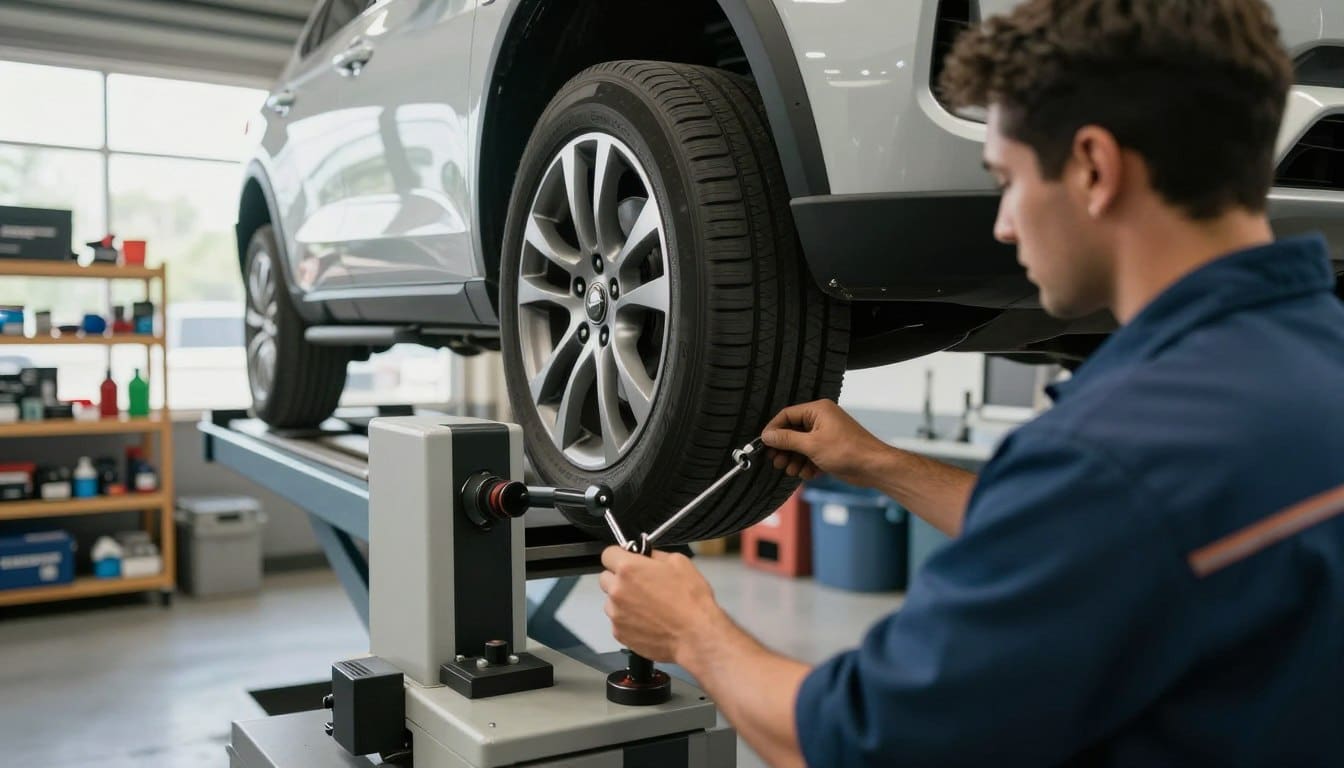
Driving should feel smooth and secure, yet many people notice a slight drift while cruising down the highway. If your steering feels off or your tires show uneven wear, your car likely needs a professional wheel alignment San Antonio checkup. These mechanical issues often lead to much larger problems if you ignore them for too long.
Minor shifts in your suspension can drastically impact how your vehicle handles during emergency maneuvers. Proper maintenance ensures that your car stays straight and reacts predictably to your every steering input. You will feel more confident on the road when your tires meet the pavement exactly as they should.
You deserve a ride that feels stable and reliable every time you start the engine. This is why keeping your vehicle tracking correctly is vital for your long-term safety and comfort. Heaven Automotive invites you to contact our expert team to keep your car in peak condition.
Key Takeaways
- Boosts driving control: Proper adjustments ensure your vehicle responds accurately to steering.
- Prevents tire damage: Correct geometry stops uneven tread wear before it ruins your tires.
- Enhances fuel economy: Reducing rolling resistance helps your engine work more efficiently.
- Protects suspension parts: Keeping components straight reduces unnecessary strain and costly repairs.
- Centers the steering wheel: A professional check ensures your wheel stays straight while driving.
- Increases road safety: Stable handling is critical for avoiding accidents during sudden stops.
Understanding Wheel Alignment
Wheel alignment is key to your car’s safety and handling. It adjusts the wheels so they meet the road at the right angle. This makes sure they’re parallel to each other.
What is Wheel Alignment?
Wheel alignment adjusts your car’s suspension. This connects the wheels to the car. It’s important for even tire wear and good handling.
Importance of Proper Alignment
Proper alignment is vital. It stops steering problems car owners face, like drifting. It also prevents tire wear issues by wearing tires evenly.
This even wear extends tire life and boosts fuel efficiency. It also makes your car safer to drive.
| Benefits | Description |
|---|---|
| Even Tire Wear | Proper alignment ensures tires wear out evenly, prolonging their lifespan. |
| Improved Safety | Reduces the risk of steering problems and improves vehicle handling. |
| Fuel Efficiency | Evenly worn tires improve fuel efficiency by reducing rolling resistance. |
By keeping your wheel alignment right, you boost your car’s performance and safety.
Signs Your Vehicle Needs Wheel Alignment
When your vehicle’s wheel alignment is off, it shows in several ways. This means it’s time for an adjustment. Spotting these signs early can prevent expensive repairs and make driving smoother.
Uneven Tire Wear
Uneven tire wear is a common sign of alignment problems. If your tires wear down more on one side, or the tread wears unevenly, your alignment is off. Checking your tire tread regularly can help catch alignment issues early.
Here’s a simple way to check for uneven tire wear:
- Visually inspect your tires for signs of uneven wear.
- Check the tread depth using a tread depth gauge.
- Look for signs of excessive wear on the edges or in the center of the tire.
Steering Wheel Off-Center
If your steering wheel is off-center when driving straight, your wheels are not aligned. This affects your vehicle’s handling and can cause more problems if not fixed.
Vehicle Pulling to One Side
If your vehicle pulls to one side on a straight road, it’s a sign of misaligned wheels. This can be due to many factors, including misaligned wheels, uneven tire pressure, or worn-out suspension parts. It’s important to have a professional check your vehicle to find and fix the issue.
| Signs | Description | Possible Cause |
|---|---|---|
| Uneven Tire Wear | Tires wearing down more on one side or uneven tread wear | Misaligned wheels |
| Steering Wheel Off-Center | Steering wheel tilted when driving straight | Improper wheel alignment |
| Vehicle Pulling to One Side | Vehicle drifts to one side on a straight road | Misaligned wheels or uneven tire pressure |
How Wheel Alignment Affects Safety
Correct wheel alignment is key for vehicle safety. It’s not just about driving straight. It’s also vital for your safety on the road. Misaligned wheels can cause many safety problems, like bad brake performance and less control over the vehicle.
Impact on Brake Performance
Wheel alignment greatly affects your brakes. Misaligned wheels can make stopping up to 20% harder, worse in wet or icy conditions. This delay can be the difference between avoiding or being in an accident. Proper alignment means your brakes work better, lowering accident risks.
Key Brake Performance Factors Affected by Wheel Alignment:
| Factor | Aligned Wheels | Misaligned Wheels |
|---|---|---|
| Stopping Distance | Optimal | Increased by up to 20% |
| Brake Wear | Even wear | Uneven wear |
| Vehicle Control | Better control | Reduced control |
Connection to Traction Control
Wheel alignment also affects your vehicle’s traction control. Proper alignment keeps your tires in good contact with the road. This improves your vehicle’s stability and how well it responds. Misaligned wheels can reduce traction, making it harder to control your vehicle, even on slippery roads.
To keep your vehicle safe, check its wheel alignment often. If you’re in San Antonio, find a trusted alignment service San Antonio to align your vehicle right.
The Driving Experience and Wheel Alignment
Driving feels better when your car’s wheels are aligned right. This makes your car handle well and safely. It’s key for a good driving experience.
Enhanced Steering Response
Correct wheel alignment makes steering more accurate. Your car will go straight without pulling. This makes driving more fun and easy.
Studies show that misaligned wheels cause steering problems car owners face. These include worn-out steering parts and poor handling.
Stability When Cornering
Good wheel alignment also helps your car stay stable in turns. It keeps your car on course, lowering the chance of skidding. This is vital for those who drive in tight spots or hilly areas.
| Benefits of Proper Wheel Alignment | Description |
|---|---|
| Improved Steering Response | Makes steering more precise and reduces effort needed to steer |
| Enhanced Stability | Improves vehicle stability when cornering, reducing the risk of skidding |
| Increased Safety | Reduces stopping distance and improves overall vehicle handling |
Proper wheel alignment makes driving safer and more enjoyable. Regular checks keep your car running well. They also help your tires and other parts last longer.
Types of Wheel Alignment Services
Knowing about different wheel alignment services is key for keeping your car in top shape. The right service makes your car run smoothly, keeps tires healthy, and makes driving comfy. In San Antonio, you can find many alignment services for various car needs.
There are many types of wheel alignment services. The main difference is how many wheels are aligned and what your car needs.
Two-Wheel Alignment
Two-wheel alignment, or front-end alignment, adjusts the front wheels. It’s best for cars with solid rear axles. It’s cheaper and good for those watching their budget or with cars needing only front alignment.
Four-Wheel Alignment
Four-wheel alignment, or all-wheel alignment, adjusts all four wheels. It’s recommended for most cars, including those with all-wheel drive. It ensures even tire wear and better handling, making it a smart choice for many.
Specialty Alignments for Performance Vehicles
Performance vehicles or cars with custom suspension systems need specialty alignments. These are made for the car’s specific needs, including any custom parts. These alignments improve handling and stability, perfect for drivers who love to push their cars hard.
The table below shows the main differences between wheel alignment services:
| Type of Alignment | Wheels Adjusted | Suitable For |
|---|---|---|
| Two-Wheel Alignment | Front wheels | Vehicles with solid rear axle |
| Four-Wheel Alignment | All four wheels | Most modern vehicles, all-wheel drive, four-wheel drive |
| Specialty Alignments | Varies | Performance vehicles, vehicles with modified suspension |
Picking the right wheel alignment service is critical for your car’s health and a smooth ride. If you’re not sure, talk to a mechanic or alignment expert in San Antonio.
The Wheel Alignment Process Explained
Getting a wheel alignment is a series of steps to fix tire wear issues and boost your car’s performance. It’s key for your safety and how well your car handles.
The first step is an initial inspection and diagnosis to find out what’s causing uneven tire wear. A technician will look at your car’s suspension and steering for wear or damage.
Initial Inspection and Diagnosis
The tech uses special tools to check your car’s wheel alignment. They see if it matches the maker’s specs. This tells them what adjustments are needed.
Adjustments of Angles
After figuring out what’s wrong, the tech makes adjustments to the wheel angles. They tweak the camber, toe, and caster angles to meet the maker’s standards.
Final Test Drive
After making the adjustments, a final test drive is done. This checks if the alignment is right and your car handles well. It makes sure the fixes worked.
| Step | Description |
|---|---|
| Initial Inspection | Checking for wear and damage in suspension and steering systems |
| Diagnosis | Measuring wheel alignment using specialized equipment |
| Adjustments | Modifying camber, toe, and caster angles to manufacturer’s specs |
| Final Test Drive | Verifying correct alignment and vehicle handling |
Recommended Wheel Alignment Frequency
Keeping your vehicle’s wheel alignment in check is key for its performance and safety on San Antonio roads. Regular checks prevent uneven tire wear and enhance handling.
Experts suggest checking your vehicle’s wheel alignment every 12,000 miles or annually. But, if you’ve hit a pothole or curb recently, or notice any misalignment signs, get it checked sooner.
Seasonal Adjustments
Seasonal changes can impact your vehicle’s alignment. Extreme temperatures can cause road surfaces to expand and contract, affecting your vehicle’s alignment. It’s wise to check your alignment during seasonal maintenance checks.
After Major Repairs
After significant repairs like replacing suspension parts or steering components, check your wheel alignment. This ensures your vehicle’s alignment is correct and you’re getting the best from your new parts.
| Event | Recommended Action |
|---|---|
| Every 12,000 miles or 1 year | Check wheel alignment |
| After hitting a pothole or curb | Check wheel alignment |
| After major suspension or steering repairs | Check wheel alignment |
Consequences of Poor Wheel Alignment
Poor wheel alignment quietly harms your vehicle’s health. It leads to many problems if not fixed. When your vehicle’s wheels are not aligned right, it causes a series of issues. These problems affect your vehicle’s performance and your safety on the road.
One big issue with poor wheel alignment is tire wear. Misaligned wheels put uneven weight on the tires. This leads to increased tire wear. Your tires wear out faster, and you need to replace them more often. This increases your maintenance costs.
Increased Tire Wear
Uneven tire wear from misalignment shows up in different ways. For example:
- Excessive wear on the inner or outer edges of the tires
- Uneven tread wear patterns
- Reduced traction and handling performance
Checking your tire wear regularly can spot alignment problems early. Here’s a comparison of proper vs. improper alignment on tire wear:
| Condition | Tire Wear Pattern | Effect on Vehicle |
|---|---|---|
| Proper Alignment | Even wear across the tire surface | Longer tire life, better handling |
| Poor Alignment | Uneven wear, often on edges | Reduced tire life, poor handling |
Fuel Efficiency Decrease
Poor wheel alignment also leads to a decrease in fuel efficiency. When your wheels are not aligned right, your vehicle’s rolling resistance increases. This makes your engine work harder, using more fuel.
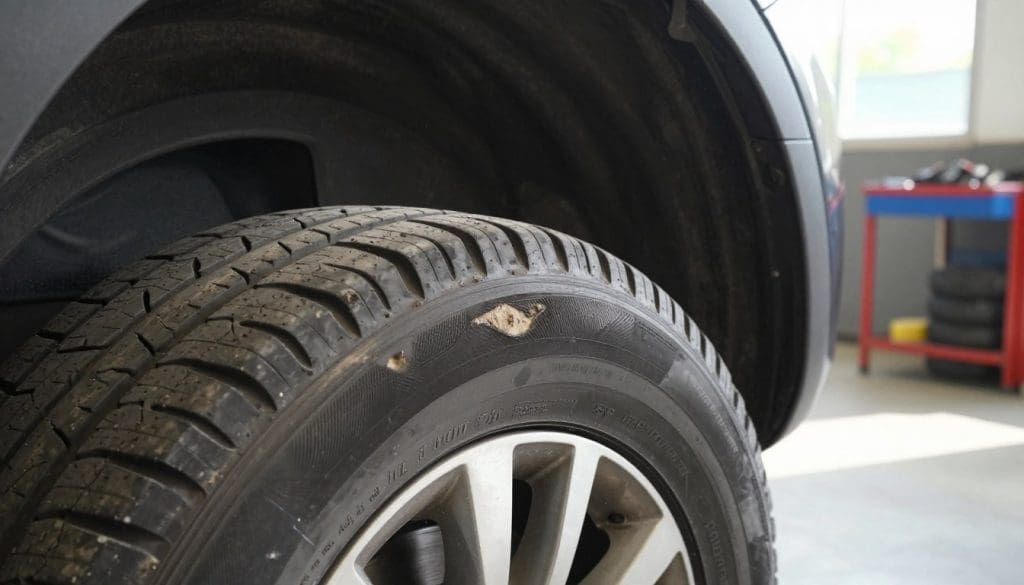
To avoid these problems, get your wheel alignment checked often. Look for signs like uneven tire wear or your vehicle pulling to one side. Getting professional alignment service in San Antonio keeps your vehicle in top shape.
Wheel Alignment vs. Wheel Balancing
Many car owners get confused about wheel alignment and balancing. But knowing the difference can help avoid steering problems. These two services are important for your car’s health, but they fix different issues.
Wheel alignment makes sure the wheels are straight and even. This helps your car handle better and wear tires evenly. Wheel balancing, on the other hand, makes sure the wheel and tire spin smoothly.
Key Differences
Wheel alignment and balancing serve different purposes. Alignment adjusts the wheels to match the car’s specs, improving handling and tire life. Balancing ensures the wheel and tire spin evenly, preventing vibrations.
- Wheel Alignment: Adjusts the angles of the wheels for proper contact with the road.
- Wheel Balancing: Ensures even weight distribution around the wheel and tire assembly.
When to Choose Each Service
Get your wheels aligned if your car pulls to one side or your tires wear unevenly. These signs mean your wheels are off, affecting fuel efficiency and suspension wear.
If you feel vibrations while driving, it’s time for balancing. You should also balance your wheels after getting new tires or a tire rotation.
- Choose wheel alignment if you observe uneven tire wear or your car is pulling to one side.
- Opt for wheel balancing if you feel vibrations while driving or after installing new tires.
Choosing a Wheel Alignment Service in San Antonio
Choosing the right wheel alignment service in San Antonio is key to your vehicle’s health. It affects how well your car performs, stays safe, and uses fuel efficiently.
For the best service, find local mechanics with a focus on wheel alignment. They have the skills and tools to fix your car’s alignment right.
Local Mechanics with Expertise
San Antonio has many auto repair shops for wheel alignment. Here’s what to look for:
- Experience with your car’s make and model
- Certifications from ASE or other trusted groups
- Modern tools for precise alignment checks
Importance of Customer Reviews
Customer reviews offer a peek into the service quality. Look for feedback on:
- The staff’s professionalism and friendliness
- The alignment service’s accuracy and quality
- The value for the money
By picking a trusted wheel alignment service in San Antonio, your car gets the care it needs. This ensures it runs at its best.
The Cost of Wheel Alignment Services
When you think about wheel alignment, cost is a big worry. Knowing what you’ll pay helps you plan your budget. It also helps you make smart choices for your car’s care.
The price of wheel alignment changes based on a few things. This includes the car type and how much alignment it needs. In San Antonio, prices usually fall between $75 and $150.
Average Pricing in San Antonio
In San Antonio, the cost of wheel alignment is set by local prices and the skill of the mechanics. Here’s what you might pay:
| Type of Alignment | Average Cost |
|---|---|
| Front-Wheel Alignment | $75-$100 |
| Four-Wheel Alignment | $100-$150 |
| Specialty Alignments | $150-$200 |
These prices are just estimates. The real cost might be different based on your car’s needs and the mechanic’s work.
Factors Influencing Cost
Several things can change how much you pay for wheel alignment. Knowing these can help you prepare for extra costs.
- Type of Vehicle: Luxury or special cars might need more work, making it pricier.
- Extent of Alignment Needed: If your car needs a lot of adjustments, it will cost more.
- Service Provider: Dealerships often charge more than independent shops or specialty places.
By thinking about these points and knowing San Antonio’s average prices, you can plan better for your car’s wheel alignment costs.
DIY Wheel Alignment: Is It Possible?
Aligning your vehicle’s wheels yourself might seem like a good idea. But, it’s important to know what it entails. Wheel alignment is key for your car’s safety, handling, and tire life.
Trying a DIY wheel alignment is possible, but it needs special tools and knowledge. Before you start, learn about the tools and challenges you might face.
For more info on wheel alignment’s effects, check out https://heavenautomotive.com/how-wheel-alignment-affects-your-ride-and-tire-wear/. It explains how it affects your ride and tire wear.
Tools You Need
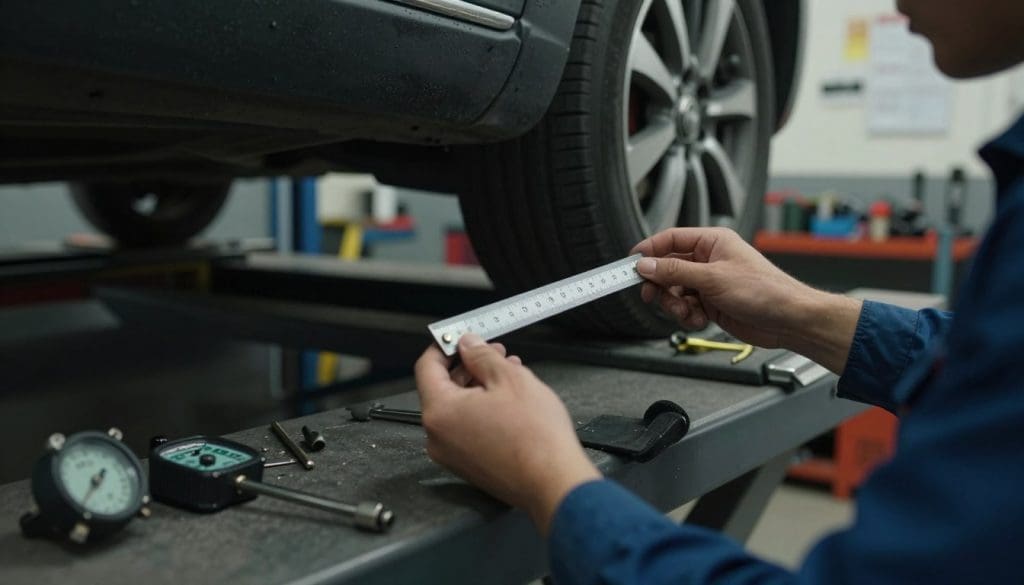
To align your wheels yourself, you’ll need specific tools. These include a wheel alignment gauge, a camber gauge, and sometimes a toe alignment tool. The tools needed depend on your vehicle’s make and model.
- Wheel alignment gauge
- Camber gauge
- Toe alignment tool
- Service manual for your vehicle’s specifications
Risks of DIY Alignment
Wrong wheel alignment can cause steering problems car owners fear. This includes uneven tire wear and less fuel efficiency. Also, it can make your car pull to one side, which is risky at high speeds.
Plus, if you’re new to DIY car repairs, you might make things worse. Wrong adjustments can lead to tire wear issues. These problems can cost you money and risk your safety on the road.
Maintaining Proper Wheel Alignment
To keep your vehicle in top shape, proper wheel alignment is key. It ensures your safety and improves your car’s handling. Regular checks can spot alignment problems early.
Tire wear issues often mean your alignment is off. Uneven wear can cause poor traction and handling. Fixing alignment problems quickly helps keep your car running well.
Regular Vehicle Checks
Regular checks are vital for wheel alignment. A mechanic will look at your suspension and steering for wear. They’ll also check your wheel alignment.
In San Antonio, finding a good wheel alignment service is important. A pro can adjust and repair your vehicle to keep it in great shape.
Keeping Suspension Parts in Good Condition
It’s also important to keep your suspension parts in good shape. Worn parts can cause misalignment, leading to uneven tire wear.
| Suspension Part | Signs of Wear | Action Required |
|---|---|---|
| Ball Joints | Clunking noises, uneven tire wear | Inspect and replace if necessary |
| Control Arms | Excessive play, worn bushings | Inspect and replace if necessary |
| Shocks/Struts | Leaks, excessive bounce | Inspect and replace if necessary |
By taking care of your suspension parts, you can keep your wheel alignment right. This boosts your car’s safety and performance.
Conclusion: Investing in Wheel Alignment
Proper wheel alignment is key for your vehicle’s safety and performance. It prevents uneven tire wear and boosts fuel efficiency. This also makes driving safer.
Benefits for Your Vehicle’s Health
Regular wheel alignment services can save you money on repairs. They help your tires and suspension last longer. In San Antonio, Heaven Automotive offers reliable services.
Enhance Safety and Performance
A well-aligned vehicle is safer and drives better. You’ll notice better steering and stability when turning. For top-notch alignment in San Antonio, call Heaven Automotive at (210) 682-3898. Or visit them at 6645 Poss Rd, San Antonio, TX 78238.