

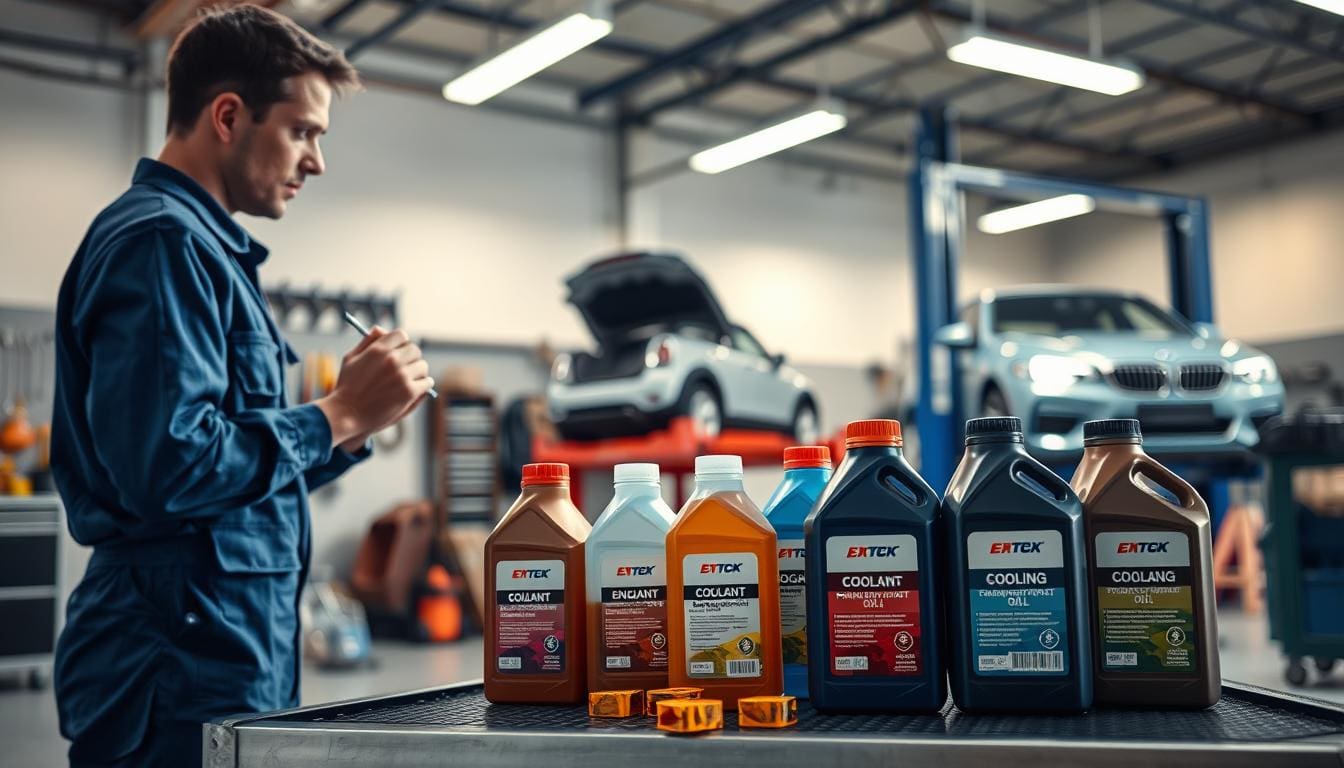
Small leaks and worn liquids can lead to big repairs. A low level or contaminated supply often starts as a minor annoyance and grows into a major engine problem that costs far more to fix than routine upkeep. For most drivers in the United States, a proactive step like a quick inspection delivers a high return on investment.
At Heaven Automotive, we are the local experts who help customers avoid roadside breakdowns. We inspect and top off oil, coolant, brake, transmission, drivetrain, steering, and washer systems. When we finish, we give clear findings and honest recommendations tied to your vehicle’s needs.
Most preventive maintenance visits take about 10–15 minutes in efficient quick‑service models. We focus on results that matter: cooler operating temps, smoother operation, and fewer surprise warning lights. Our goal is protection, not pressure—this is a bookable, practical option to keep your car working and control repair costs.
Key Takeaways
- Quick inspections catch issues before they require costly repairs.
- Heaven Automotive offers expert, fast checks for common systems.
- Typical visits take about 10–15 minutes when done efficiently.
- We provide clear findings and recommendations—not hard sells.
- Keeping liquids in good condition improves performance and safety.
Prevent Engine Damage with Routine Fluid Maintenance
Keeping key reservoirs topped and clean helps your engine run cooler and last longer. We focus on short, targeted inspections that look at both level and condition so you get clear next steps.
How low or contaminated liquids accelerate wear and overheating
Low or degraded fluids reduce lubrication and heat control. Moving parts rub harder. Temperatures climb. That speeds wear and raises the odds of major repairs.
Early detection of leaks and system issues before repairs get expensive
Contamination can show as dark oil, a burnt odor, milky residue, or debris. These signs mean protection is reduced and parts will fail sooner.
“Spotting a tiny leak today can avoid a costly repair tomorrow.”
We watch for common clues—spots under the car, sweet or burnt smells, and slow level drops between visits. Finding a seepage at a gasket or hose is almost always cheaper than fixing secondary damage.
We evaluate condition and likely causes, not just levels. That helps you choose the right maintenance and protects performance and safety on the road.
What Our fluid check service Covers at Heaven Automotive
We make a point inspection list so every major reservoir and system gets a fast, expert review.

Engine oil level and condition
We verify oil levels and inspect color and texture. This helps you time an oil change when real indicators appear, not by guesswork.
Coolant and brake systems
We top coolant reservoirs to protect against overheating in traffic and hot weather.
Brake reservoirs are inspected visually so pedal feel and stopping power remain consistent.
Transmission, drivetrain, and steering
Transmission/transaxle and differential checks help protect smooth shifting and drivetrain life.
We assess power steering and steering fluid for quieter, easier control and fewer steering issues.
Visibility and documentation
We also refill windshield washer fluid for safe sightlines in poor weather.
When levels or condition look abnormal, we document findings and explain next steps in plain language.
| Inspection | What We Look For | Why It Matters |
|---|---|---|
| Engine oil | Level, color, debris | Prevents wear; times oil change |
| Coolant | Reservoir level, concentration | Reduces overheating risk |
| Brake fluid | Transparent reservoir level | Ensures reliable stopping power |
| Transmission | Level, smell, color | Protects shifting performance |
| Steering & washer | Power steering fluid, washer top-off | Smoother control and clear visibility |
When to Schedule Fluid Level Checks and Service Intervals
Start with the manufacturer’s recommendations in your owner’s manual, then tailor timing to how you actually drive. Short trips, heavy traffic, towing, and extreme temperatures can all accelerate wear and shift service intervals sooner than the book suggests.
Following manufacturer guidance and real-world use
We urge customers to use manufacturer guidance as a baseline. Follow those recommendations, and then adjust if your miles or driving style are tougher than average.
When miles, habits, or severe conditions matter
If you rack up stop-and-go miles, tow frequently, or drive in extreme heat, plan more frequent checks. These conditions break down protection faster and can force an earlier transmission or oil change.
Warning signs between visits
Watch for spots under the car, sweet or burnt smells, dashboard lights, rough shifting, or slow engagement. A sudden need to add fluid may signal a leak or component issue that needs diagnosis, not repeated top-offs.
- Combine level checks with routine maintenance visits to avoid missed items.
- Bring your vehicle manual on a visit and we’ll help set a realistic schedule.
Why Fast, Professional Checks Matter for Performance and Safety
Quick, professional reviews of key systems help preserve performance and safety. We focus on speed without cutting corners so you get reliable results in a short visit.
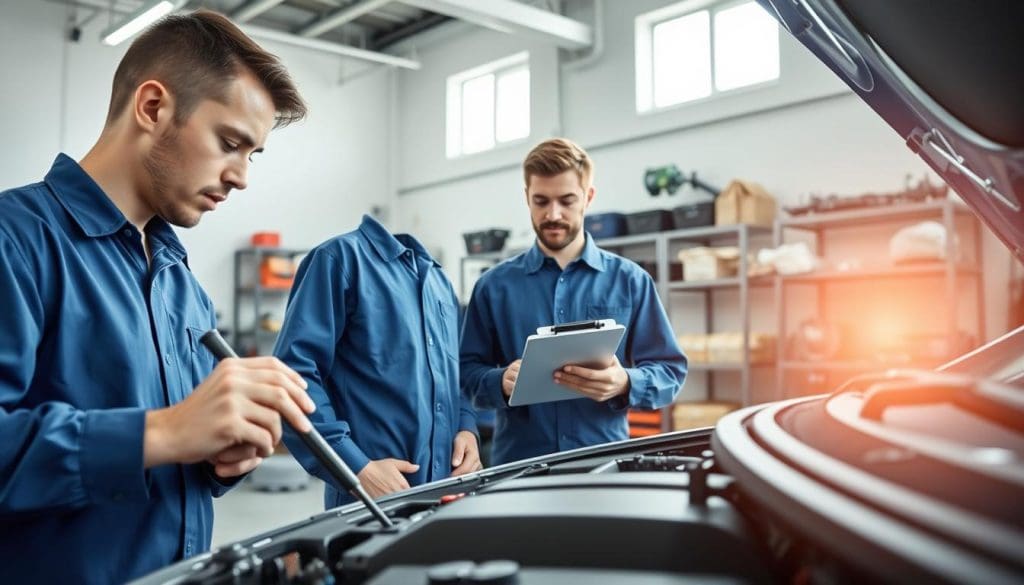
Efficient inspections inspired by quick‑service best practices
Many routine inspections are done in about 10–15 minutes when executed by trained technicians. That makes it easy to fit a visit into a busy day.
Fast checks increase the chance of finding a small issue early. Early fixes cost less and reduce downtime for your vehicle.
What our team evaluates during each inspection
Our technicians look beyond levels. We inspect color, smell, and signs of contamination or aeration.
We also look for visible leaks at reservoirs, hoses, clamps, seals, and underbody areas tied to each system.
- Color & odor: Dark, milky, or burnt smells hint at problems.
- Contamination: Particles or foaming can reduce protection.
- Leaks: Seepage often points to a failing seal or hose.
“A short, accurate inspection prevents surprises and protects safety.”
| Inspection Type | Typical Time | Primary Benefit |
|---|---|---|
| Quick preventive check | 10–15 minutes | Early detection; low downtime |
| Comprehensive review | 20–40 minutes | Deeper diagnosis of system issues |
| Follow‑up visit | Varies | Verify repairs and confirm stability |
Our experts summarize findings clearly and prioritize actions so you can decide with confidence. Reliable inspections protect performance and improve on‑road safety.
Fluid Exchange vs. Top-Off vs. Replacement: Choosing the Right Fix
A clear plan for topping off, exchanging, or replacing parts saves money and reduces downtime. We outline when each option helps and when it only hides an underlying issue.
When topping off is appropriate and when it can mask a leak
Top-offs restore levels after normal consumption or seasonal loss and are fast to do. They are practical when drops are small and consistent with normal wear.
Do not use repeated top-ups if you see sudden level drops or visible leaks. That can mask a problem that needs repairs or part replacement.
When a fluid exchange helps restore protection and reduce deposits
An exchange replaces degraded liquid to remove deposits and restore additives. This is especially important for transmission care and when oil smells burnt or looks dark.
Exchanges improve shift quality in the transmission and extend component life more than repeated top-offs.
When component repairs or replacement are needed to stop recurring fluid loss
Repeated low steering fluid or brake reservoir drops point to failed hoses, racks, pumps, or seals. In those cases, a replacement or targeted repairs fixes the root cause.
At Heaven Automotive, our recommendation favors correcting the cause first, then performing an exchange or oil change as needed to prevent repeat visits.
Conclusion
Simple, targeted inspections give clear actions so issues get fixed before they escalate. Routine attention prevents overheating, reduces wear, and makes repairs predictable and less costly.
Our checks look at both level and condition so you get plain next steps: a top-off, an exchange, or a repair based on evidence. This approach limits surprises and saves money over time.
Regular maintenance is especially valuable if you tow, drive in severe conditions, or log high miles. It keeps your vehicle dependable when it matters most.
Hire Heaven Automotive to inspect your car, recommend the right service, and repair leaks or worn components so you stay safe and confident on the road.