

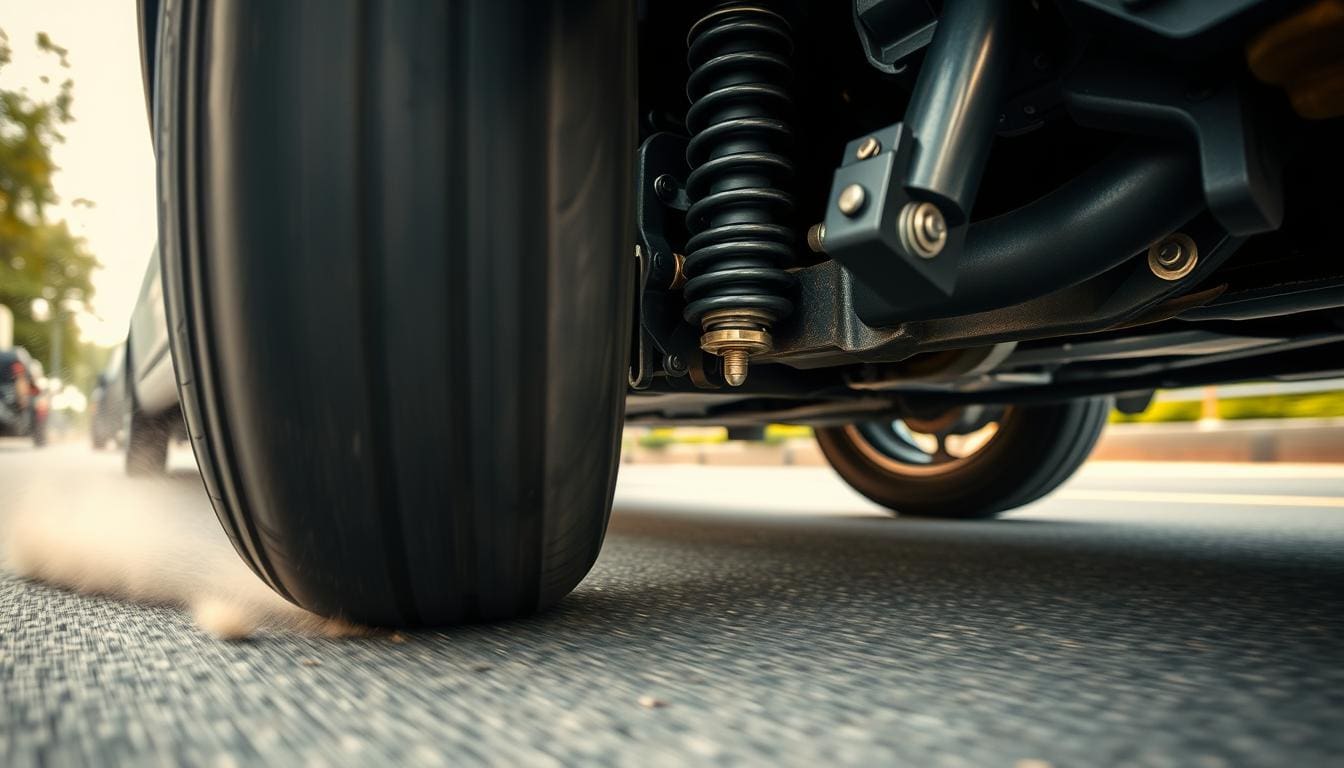
We know a shaky ride is alarming. At Heaven Automotive, we see this often and treat it as a solvable problem, not a mystery. Most cases trace back to tires, wheels, or suspension components rather than an instant mechanical failure.
The way shaking appears—smooth at one speed, rough at another—helps us locate the cause fast. That on/off feeling narrows the system involved. Noting speed ranges, road type, and load makes inspections quicker and more accurate.
We will document symptoms, run a methodical inspection, and recommend the safest, most cost-effective fix. Ignoring the sign can lead to bigger repairs and safety risks down the road.
Key Takeaways
- Speed-specific shaking often points to tires, wheels, or alignment.
- Record speed range and road conditions before you visit.
- Most cases are diagnosable and repairable without major expense.
- Prompt inspection prevents larger safety and repair problems.
- Heaven Automotive documents symptoms and recommends cost-effective repairs.
What car vibrations at specific speeds usually mean
When the shake appears only at certain speeds, we first look at what turns—tires and wheels—and how they contact the road.
Defining a “vibration band.” A vibration band is shaking that shows up in a narrow speed range, for example near highway pace. That pattern often implicates rotating components like a wheel or the tire rather than a steady engine fault.
Imbalance, uneven tire wear, separated tread, or a slightly bent wheel create harmonics you can feel in the steering wheel, seat, or floor. The location of the sensation helps us know which rotating part to inspect first.
Suspension alignment changes after potholes or curb strikes can mimic tire problems. Small angle shifts or worn parts may produce a persistent shake that behaves like a wheel problem but comes from the suspension.
Road conditions matter. Fresh pavement, grooved highways, or winter slush can amplify or hide the underlying cause. Vehicle load—passengers, cargo, or towing—shifts weight and can make a faint shake become obvious.
- Note the speed where shaking starts and stops.
- Check whether it changes with acceleration, coasting, or turns.
- Record where you feel it: steering wheel, seat, or floor.
| Likely cause | Typical symptom | When it appears | What we check |
|---|---|---|---|
| Tire imbalance / out-of-round | Steering wheel shake | Narrow speed band | Balance, tread, out-of-round |
| Wheel damage / loose lug nuts | Harsh pulses or wobble | On specific speeds | Wheel runout, torque lug nuts |
| Suspension misalignment | Shake that persists after tire fixes | After pothole or curb hit | Alignment, bushings, tie rods |
| Road or seasonal buildup | Intermittent, variable feel | Wet, slushy, or grooved surfaces | Inspect rims, undercarriage for buildup |
Next step: A few observations at home usually tell us whether the wheel/tire group is responsible or if deeper suspension work is needed. Heaven Automotive can confirm the diagnosis and recommend the right repair.
Quick checks we recommend before a repair appointment
Start with a few simple checks we can do safely at home before booking an appointment. These steps are quick, safety-focused, and often point us to the right next move.
Rule out seasonal buildup like snow and ice on rims and the undercarriage
Winter slush can freeze to rims and the undercarriage. Packed ice can feel like a mechanical fault and create sudden car shaking.
Run the vehicle through a warm car wash or carefully remove buildup by hand if safe. Many times the remedy is immediate and free.

Confirm tire pressure and look for obvious tire or wheel damage
Check tire pressure when tires are cold. Incorrect pressure can worsen shaking and hide other faults like imbalance or wear.
Do a walkaround. Look for bulges, cuts, uneven tread, or bent rims. Stop driving and contact us if you see severe damage.
Listen for new noises and note when the shaking starts and stops
Pay attention to thumps, humming, clicking, or grinding. Note the exact time and speed the shaking begins, changes, or stops. These details speed diagnosis.
Pay attention to steering wheel vibration versus seat or floor vibration
Where you feel the motion matters. Steering wheel shake usually points to front wheel or tire concerns. Seat or floor shaking can indicate rear wheels or driveline items.
- If shaking is sudden, severe, or makes the vehicle feel unstable, limit driving for safety.
- When simple checks don’t resolve the symptom, schedule maintenance with Heaven Automotive for a thorough inspection.
Common car vibration issues from tires and wheels
When shaking shows up only on the highway, we first inspect tires, balance, and wheel condition.
Old or worn tires
Age and tread wear change how a tire meets the road. Many quality tires last about three to five years.
Uneven wear creates a rough ride and can lead to noticeable vibration. Routine checks prevent bigger repairs.
Out-of-balance tires and rotations
Small weight differences cause shaking at speed. We recommend rotations and balance checks every 5,000–7,500 miles.
Proper balance extends tire life and reduces stress on suspension parts.
Out-of-round tires and separated tread
A bouncing or rhythmic thump often means a tire is out-of-round or the tread is separating. Left unchecked, this wears shocks and other parts.
Damaged wheels, loose lug nuts, and brake clues
Bent rims keep the wheel from contacting the road properly and send tremors through the steering wheel.
Loose lug nuts are a safety stop—torque must be checked immediately to avoid wheel loss.
If shaking is worse under braking, worn rotors can cause pedal pulsation. We inspect brakes and rotors as part of our service.
What we do: At Heaven Automotive we inspect tires and wheels, check balance, measure runout, verify lug torque, and recommend repair or replacement so you get a safe, smooth ride.
Suspension and alignment problems that cause shaking at speed
A single hard hit from a pothole or curb can change suspension geometry enough to make a smooth speed feel rough. These changes often show only once you reach highway pace.
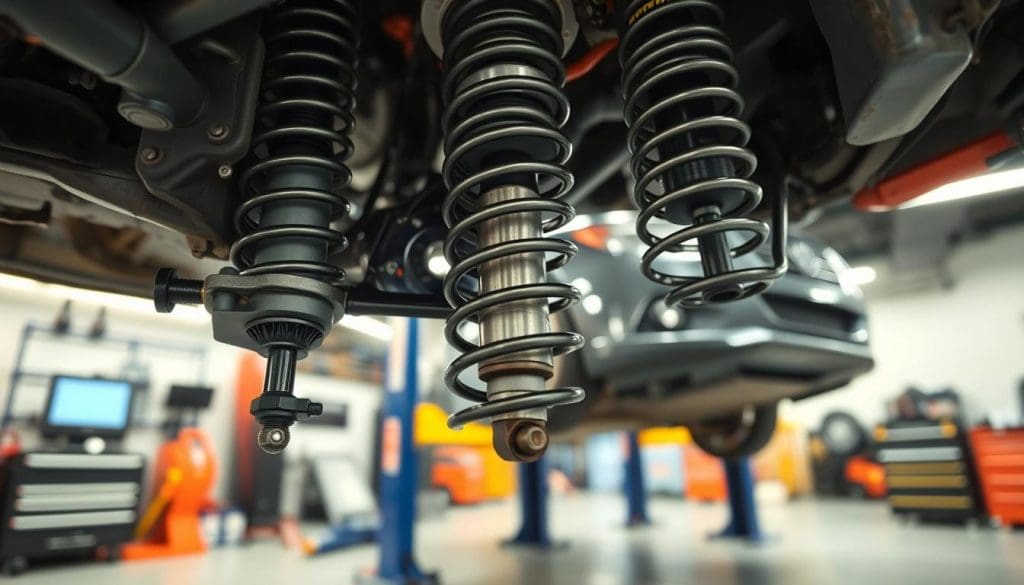
Suspension alignment issues after potholes, curbs, or minor impacts
Alignment angles can move after a strike. That shift may cause a steering wheel shake, a pull, or uneven tire wear that looks like a balance problem.
Why both can coexist: a bent wheel or imbalance often appears at the same time as an alignment problem. Noting how the vehicle tracks helps us decide which to fix first.
How worn suspension components can amplify vibrations over time
Worn bushings, loose joints, or aging components create small play that grows with use. At speed, those small movements amplify and show as roughness or harsh feedback.
Road conditions and loads can mask or worsen the symptom. If the shaking follows an impact or worsens over time, schedule an inspection soon to avoid larger repairs.
- We inspect steering and suspension components for looseness and measure alignment precisely.
- We recommend targeted repair or replacement, not blanket part swaps.
- Correcting alignment and worn parts restores road contact, handling, and reduces repeat vibrations.
Engine and idle-related vibrations that can feel worse on the road
When an engine stumbles at rest, that same fault can feel stronger once you drive. A rough idle often gives the first clue. Under load and changing RPM, small combustion or control faults amplify and push movement into the cabin.
Rough idle and tachometer clues
Use the tachometer as a diagnostic tool. Normal idle is about ~1,000 RPM in many vehicles. If idle is high, low, or hunts, the engine control or fuel system is likely involved.
Combustion and fuel delivery causes
Dirty fuel injectors alter spray patterns and cause uneven combustion. That leads to shaking, poor fuel economy, and sometimes a check engine light.
Ignition components and misfires
Worn spark plugs, bad wiring, or failing coils create misfires. Misfires show as rough running under acceleration and reduced performance.
Air intake and vacuum concerns
A clogged air filter restricts flow and can make the engine run rich. Vacuum leaks let extra air in, raising RPM and triggering rough idle behavior.
Sensors and mounts
Failing oxygen sensors can drive the system too rich or too lean, worsening drivability over time. Weak motor mounts let engine movement transfer directly into the cabin; a quick test is whether the motion lessens in Neutral.
“Prompt diagnosis stops small engine faults from becoming costly repairs.”
| Symptom | Possible cause | Quick check | When to seek service |
|---|---|---|---|
| High or hunting idle | Vacuum leak, faulty idle control | Watch RPM at idle; sniff hoses | If RPM fluctuates or rises suddenly |
| Rough idle with poor mpg | Dirty injectors, clogged filter | Check air filter, fuel system scan | If performance drops or CEL appears |
| Shudder under acceleration | Misfire from plugs/coils | Scan for misfire codes; inspect plugs | If misfires persist under load |
| Engine movement felt in cabin | Worn motor mounts | Compare feel in Drive vs Neutral | If motion transmits into steering or seats |
Next step: We recommend a prompt diagnostic at Heaven Automotive when engine-related symptoms appear. Early service saves time and reduces costly repairs while restoring reliable performance today.
Conclusion
Simple maintenance steps stop many common shaking causes and keep your vehicle safer on the road. Regular pressure checks, rotations, balancing, alignment, and lug-nut torque cut down repeats and extend component life.
Most speed-specific tremors trace to tires, wheels, or suspension. Note the speed range, where you feel it (steering wheel vs seat or floor), and whether braking changes the sensation to speed diagnosis.
If you suspect loose lug nuts or severe wheel damage, reduce driving and seek help immediately for safety. Prompt service prevents bigger repairs to brakes, suspension, and other parts.
Hire Heaven Automotive to inspect, diagnose, and repair your vehicle. We’ll give a clear plan, handle the needed maintenance or service, and get you back to a smooth, safe ride.