

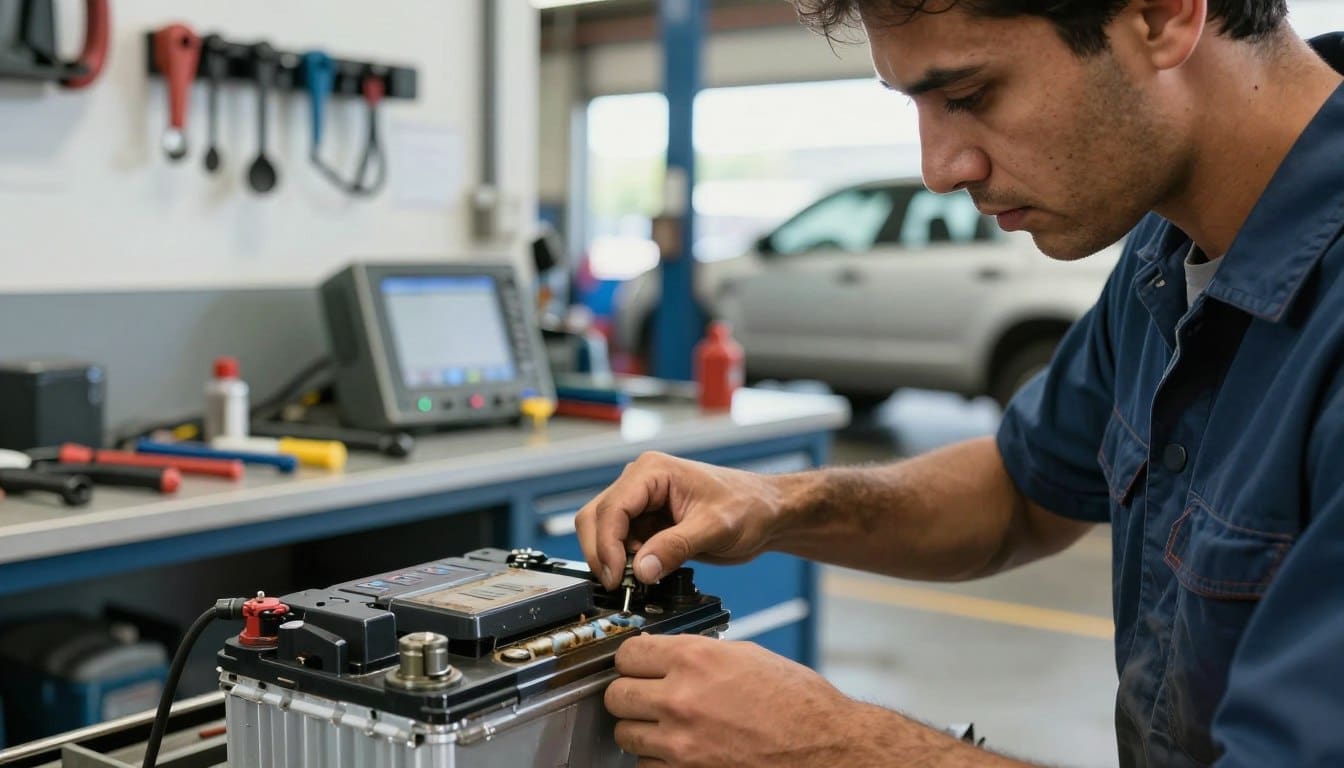
Ever turned the ignition key and got nothing? It’s really frustrating to be stuck on the side of the road. Knowing the signs of a dying battery can help avoid this.
Your car gives hints before it breaks down completely. Look out for dim headlights, slow engine starts, or odd electrical issues. Catching these signs early keeps your car running smoothly.
If you see these signs, Heaven Automotive can help. Our team offers top-notch diagnostics to keep you safe on the road. For Battery Replacement San Antonio services, call us at (210) 682-3898 to talk to our experts.
Key Takeaways
- Pay attention to slow engine starts or clicking sounds when turning the key.
- Dimming lights and dashboard warnings often signal an aging power unit.
- Regular inspections help prevent unexpected roadside emergencies.
- Professional diagnostics can identify hidden electrical issues before they escalate.
- Contact Heaven Automotive at (210) 682-3898 for expert local assistance.
Understanding the Importance of Your Car Battery
Your car battery is like the heart of your vehicle. It gives your car life every morning. Without it, your car won’t start, no matter how good the rest of the car is.
How the Battery Powers Your Vehicle
When you start your car, the battery sends electricity to the starter motor. Heaven Automotive says the battery starts the process, but it’s not alone. Once the engine starts, the alternator keeps the power flowing and recharges the battery.
Your car needs electricity to work. This includes:
- The ignition system for combustion.
- Advanced engine control modules.
- Interior and exterior lighting.
- Infotainment and navigation displays.
Effects of a Failing Battery on Performance
A weak or failing battery can hurt your car’s performance. When the battery’s voltage drops, the electrical system has trouble powering important parts. This can make starting the engine hard and cause dashboard lights to flicker.
Ignoring these signs can lead to a dead battery when you least expect it. A weak battery also makes the alternator work too hard. This can damage other expensive parts. Keeping your battery in good shape is essential for your car’s reliability.
Common Symptoms of Battery Failure
Your car often gives you hints before it stops working. By noticing these signs early, you can avoid getting stuck. Heaven Automotive says watching for these signs is key to keeping your car running well.
Warning Lights on Your Dashboard
A glowing battery icon on your dashboard is a clear sign of trouble. This light means your car’s electrical system is not working right. If it stays on while driving, it’s a sign your dead battery or alternator needs a pro to fix it.
Difficulty Starting the Engine
When starting your car takes longer than usual, it’s a warning sign. The engine might crank slower when you turn the key. If you ignore this, your car won’t start and you’ll be stuck.
Strange Noises When Starting
Listen for odd sounds when you try to start the engine. A fast clicking sound means the starter motor isn’t getting enough power. This often happens with a dead battery that can’t provide enough power. If you hear these clicks and your car won’t start, call Heaven Automotive for help.
| Symptom | Potential Cause | Urgency Level |
|---|---|---|
| Dashboard Battery Light | Charging System Failure | High |
| Sluggish Engine Crank | Low Battery Capacity | Medium |
| Rapid Clicking Sound | Insufficient Voltage | Critical |
Age of Your Car Battery
Keeping track of your car battery’s age is a smart move to avoid sudden breakdowns. Batteries in cars often stop working when they get old. By watching how long your battery has been in use, you can take care of your car’s health.
Average Lifespan of a Car Battery
Most car batteries last between three and five years. This is when you should think about getting a new one. You can find the battery’s age by looking at the date sticker on it.
If your battery is getting close to three years old, test it more often. Heaven Automotive says knowing when it was installed helps avoid starting problems. Don’t wait until your car has trouble starting to check your battery.
Factors Influencing Battery Longevity
Many things affect how long a battery lasts. How you drive every day is a big factor. Short trips can stop the alternator from fully charging the battery, causing it to wear out faster.
Also, the weather where you live can hurt your battery. Heat can cause the battery to lose its charge and corrode inside. Knowing these factors helps you know when your car needs a new battery for best performance.
Checking the Battery’s Physical Condition
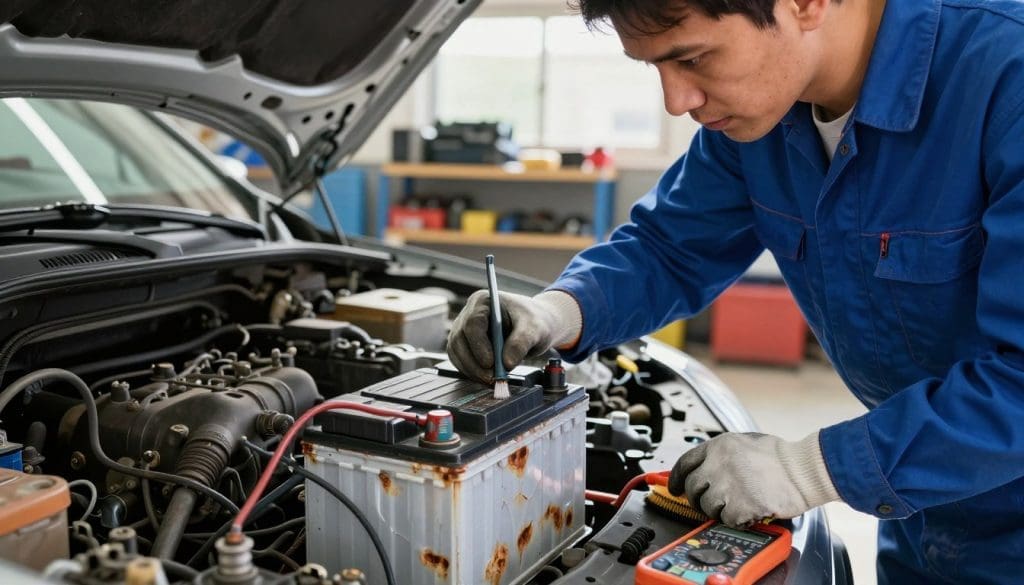
Don’t wait for your car to fail; a quick physical examination of your battery can save you from unexpected breakdowns. While performance tests are vital, a visual inspection often reveals critical warning signs that might go unnoticed. Heaven Automotive suggests that owners perform these checks periodically to ensure the long-term health of their vehicle’s electrical system.
Signs of Corrosion on Battery Terminals
One of the most common issues you might encounter is the buildup of corrosion around the battery terminals. This often appears as a powdery, white, or blue-green substance that can prevent a solid electrical connection. If left unaddressed, this buildup creates resistance, which makes it difficult for your engine to start reliably.
You should inspect the cables and clamps for any signs of fraying or heavy oxidation. Keeping these connection points clean is essential for maintaining a steady flow of power. If you spot significant buildup, it is wise to clean the terminals with a wire brush and a mixture of baking soda and water.
Cracks or Bulges on the Battery Case
Beyond the terminals, you must examine the battery casing itself for any signs of physical deformation. A battery that appears swollen or bulged is often a sign of internal damage caused by extreme heat or overcharging. Such conditions can lead to leaking battery acid, which is highly corrosive and can damage surrounding engine components.
Be on the lookout for the following indicators during your inspection:
- Visible cracks in the plastic casing that could lead to leaks.
- Bulging sides indicating the battery has been exposed to excessive heat.
- Wet spots or dampness around the base of the battery, suggesting a possible acid leak.
- Loose hold-down brackets that allow the battery to vibrate excessively while driving.
If you notice any of these physical warning signs, it is important to address the issue immediately. Ignoring these symptoms can lead to permanent damage to your vehicle’s electrical system or even total battery failure. When in doubt, consult a professional to determine if a replacement is necessary to keep your car running safely.
Testing Your Car Battery
If your car won’t start, start with a quick test. Knowing your battery’s health prevents breakdowns and expensive fixes. Regular battery testing keeps your car reliable and ready to go.
Using a Multimeter for Voltage Testing
Check your battery’s charge at home with a digital multimeter. Set it to DC voltage and connect the probes to the terminals when the engine is off. A good battery should read around 12.6 volts.
If the reading is much lower, your battery might not be holding a charge well. Consistent low voltage means it’s likely time for a new one. This simple test helps figure out if your battery is the problem.
Professional Battery Testing Services
But a multimeter might not show everything. Heaven Automotive offers expert battery testing to keep your car in great shape. Our techs use advanced tools for a detailed check of your starting system.
If your car won’t start, we can quickly find out if it’s the battery, alternator, or starter motor. Getting help from pros saves you time and avoids the hassle of fixing the wrong part. We’re committed to making sure your car runs smoothly with accurate and reliable checks.
Environmental Factors Affecting Battery Lifespan
Experts at Heaven Automotive say environmental stressors often cause batteries to fail early. The climate where you live greatly affects your battery’s health. Knowing these factors helps you keep your battery in better shape.
Extreme Weather Conditions
Heat is the biggest enemy of your car battery. High temperatures speed up chemical reactions inside, damaging the battery faster. Excessive heat can also cause the electrolyte fluid to evaporate, harming the battery’s charge-holding ability.
Cold weather is tough on your car during start-up. When it’s cold, engine oil gets thicker, needing more power from the battery. Cold weather also makes the battery less efficient in providing the needed power.
Regular Use vs. Long-term Storage
Your driving habits affect your battery’s lifespan. Regular driving keeps the alternator charging the battery. Short drives, though, might not fully charge the battery, causing sulfation.
Leaving your car in storage for a long time is risky. Even when off, small electrical draws can drain power. Over time, this can cause permanent damage. Always consider using a battery tender for long storage periods.
| Environmental Factor | Primary Impact | Risk Level |
|---|---|---|
| Extreme Heat | Fluid evaporation | High |
| Extreme Cold | Reduced cranking power | Medium |
| Long-term Storage | Deep discharge | High |
| Short Commutes | Undercharging | Medium |
When to Consider Battery Replacement
Keeping an eye on your car’s electrical health is key to avoiding a dead battery. Many wait until their car won’t start before acting. This can cause stress and extra costs. By watching your car’s performance, you can spot problems early.
Knowing the Right Time for Replacement
Heaven Automotive advises checking your battery if it’s over three years old. If your engine starts slowly or your headlights dim, it’s time for a check. Waiting for a total failure is not wise for your car’s health.
Regular tests show if your battery is holding a charge. If the voltage is too low, it’s safer to replace it. This step avoids the hassle of a dead battery on your daily drive.
Impact of Battery Age and Condition
Your battery’s age affects your car’s performance. As it gets older, it stores less energy. This makes your alternator work too hard.
Replacing a weak battery before it fails protects your alternator. A failing battery can cause expensive repairs if not fixed soon. Keeping your electrical system in good shape means better reliability and peace of mind.
| Indicator | Status | Recommended Action |
|---|---|---|
| Battery Age | Over 3 Years | Schedule Inspection |
| Engine Start | Sluggish/Slow | Test Voltage |
| Dashboard Lights | Flickering | Replace Battery |
| Case Condition | Bulging/Cracked | Immediate Replacement |
Benefits of Timely Battery Replacement
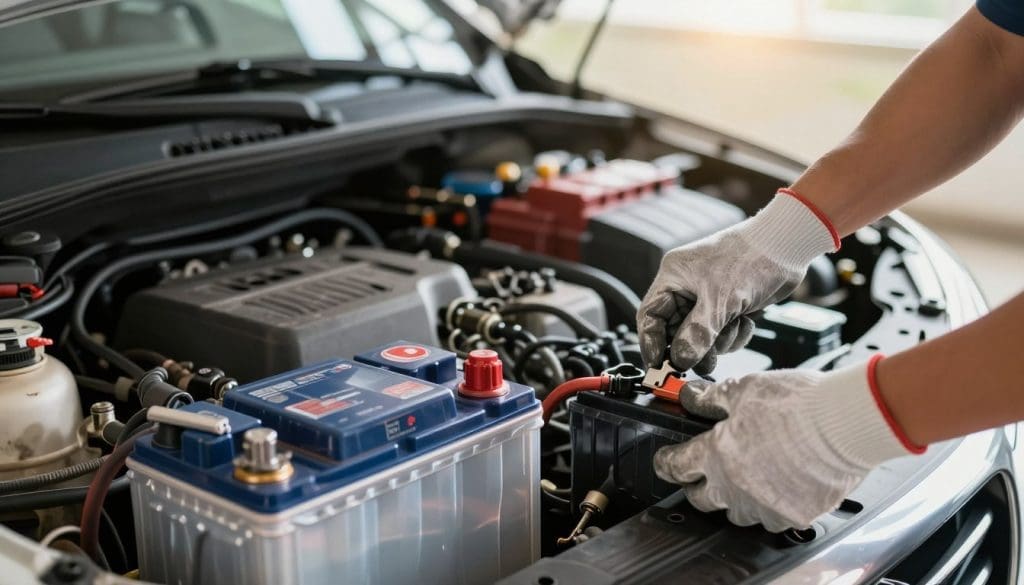
Replacing your car battery can make a big difference in your daily drive. Many wait until their car won’t start, but proactive maintenance is better. A new battery keeps your car running when you need it most.
Improved Vehicle Reliability
A good battery gives your car the consistent voltage it needs. Heaven Automotive says this keeps your engine management system working well. This means your car won’t stall unexpectedly and your lights and radio will work better.
Getting a new battery means you’ll have peace of mind on your daily drive. You’ll avoid being stuck in a parking lot or on the side of the road. A reliable car makes driving less stressful.
Enhanced Fuel Efficiency
Many people don’t know that a healthy battery helps save fuel. If your battery can’t hold a charge, your alternator has to work harder. This can make your car use more fuel over time.
A new battery helps your electrical system work better. This lets your engine run smoothly. A fresh battery is a cost-effective way to improve your car’s fuel efficiency.
| Feature | Old Battery | New Battery |
|---|---|---|
| Voltage Stability | Fluctuating | Consistent |
| Engine Strain | High | Low |
| Reliability | Unpredictable | High |
| Fuel Efficiency | Reduced | Optimized |
DIY vs. Professional Battery Replacement
If your car won’t start, you have two options. You can try to replace the battery yourself or get help from a local shop.
Pros and Cons of DIY Battery Replacement
Many people like fixing their cars themselves. The main advantage is saving money, as you don’t pay for labor at a shop.
But, DIY can be risky if you don’t have the right tools or know-how. A small error can cause electrical shorts or harm your car’s computer systems.
When to Seek Professional Help
Modern cars have complex electronics that need careful handling. If your car won’t start and you’re unsure, it’s wise to get a pro.
At Heaven Automotive, our team makes sure connections are secure and corrosion-free. We have the skills to avoid long-term damage to your car’s electrical system.
Choosing a professional ensures your car stays reliable and safe. If you’re concerned about your car won’t start issue, our technicians are here to help efficiently and expertly.
Types of Car Batteries Available
Your car needs a certain type of battery to work right. Choosing the right battery is essential for good performance and avoiding electrical problems.
Lead-Acid vs. Lithium-Ion Batteries
Most cars use lead-acid batteries. They are reliable and affordable. These batteries give the power needed to start the engine and run basic car parts.
Lithium-ion batteries are a newer option. They pack more power and are lighter. But, they need special chargers to work well and safely.
Choosing the Right Battery for Your Vehicle
Heaven Automotive guides you through battery choices. We look at your car’s make and model to find the best battery for you.
Choosing wisely helps your car’s electrical system work smoothly. Getting expert advice avoids problems that could damage your battery or car.
| Battery Type | Best Use Case | Key Advantage | Lifespan |
|---|---|---|---|
| Standard Lead-Acid | Daily Commuting | Affordability | 3-5 Years |
| AGM (Absorbent Glass Mat) | Start-Stop Systems | High Durability | 4-6 Years |
| Lithium-Ion | Performance/EV | Lightweight | 7-10 Years |
The Battery Replacement Process
Heaven Automotive stresses the importance of careful preparation and detail in battery replacement. When swapping out your old battery, following a precise procedure is key. This ensures your safety and the health of your vehicle’s electrical system. Taking your time helps avoid mistakes that could lead to expensive repairs.
Steps for Safely Removing the Old Battery
First, make sure your engine is off and the parking brake is on. Always wear gloves and eyewear because battery acid can be hazardous if it touches your skin or eyes.
Begin by disconnecting the negative cable first to avoid short circuits. After the negative terminal is free, remove the positive cable. Lift the battery out of the tray carefully, keeping it upright to prevent spills or leaks.
Installing the New Battery Properly
Before installing the new battery, check the tray for debris or corrosion. Clean the terminals with a wire brush for a strong electrical connection. This is essential for reliable starting power.
Put the new battery in the tray and secure it with the hold-down bracket. A loose battery can be damaged by vibration, shortening its life. Connect the positive cable first, then the negative cable, to finish the installation safely.
| Action Step | Safety Priority | Technical Goal |
|---|---|---|
| Disconnecting Cables | High (Prevent Shorts) | Isolate Power |
| Cleaning Terminals | Medium (Corrosion) | Ensure Conductivity |
| Securing Bracket | High (Vibration) | Prevent Physical Damage |
| Final Connection | Medium (Sparks) | Restore System Flow |
Finding Battery Replacement Services in San Antonio
If you’re looking for Battery Replacement San Antonio, you have many great choices. Finding reliable car care in the city is easy when you know where to look.
Local Auto Repair Shops and Dealers
Heaven Automotive is a top choice for dependable service. Located at 6645 Poss Rd. San Antonio, TX 78238, they offer expert diagnostics and installation. They’ll get you back on the road fast.
Call their service center at (210) 682-3898 to book an appointment or ask about their battery stock. Choosing a local shop means you get personal service and quality work for your car.
Mobile Battery Replacement Options
Mobile services are perfect if you can’t drive to a shop. They come to your home or office to install the battery.
This is great if you’re stuck in a parking lot or your driveway. Many local providers offer this Battery Replacement San Antonio service. It saves you from calling a tow truck.
| Service Type | Convenience Level | Typical Cost | Best For |
|---|---|---|---|
| Local Repair Shop | Moderate | Standard | Full Diagnostics |
| Mobile Service | High | Premium | Emergency Situations |
| Dealership | Low | High | Warranty Repairs |
Maintenance Tips for Prolonging Battery Life
Keeping your car’s battery in top shape is easy with a few habits. Regular battery testing helps catch problems before they get worse. This way, your car stays dependable and avoids sudden breakdowns.
Regular Inspection and Cleaning
Keeping your battery clean is key for good performance. Heaven Automotive suggests checking battery connections during oil changes. This ensures they’re tight and free of dirt.
If you see white or blue powder on terminals, clean them with a wire brush. This keeps the electrical connection strong.
Regular visual checks can also help. Look for corrosion or loose cables that might cause problems. Adding battery testing to your maintenance routine gives you peace of mind.
Importance of Proper Charging
Your driving habits affect your battery’s life. Avoiding short trips lets the alternator fully charge the battery. Short trips mean the battery never fully charges, leading to early failure.
If your car sits for long, use a trickle charger to keep voltage stable. This step helps prevent damage to internal parts. Remember, battery testing regularly checks if your charging habits are working.
Conclusion: Be Proactive About Your Car Battery
Looking after your car battery is key to avoiding dead battery issues. It keeps your daily life running smoothly and your mind at ease. Just be aware of any small changes in how your car performs.
Regular checks can turn a big problem into a small fix. You’ll feel sure your car will start every time you need it to.
Prioritize Your Battery Care
Simple actions like checking for corrosion or noticing slow engine starts can really help. They prevent big problems and save you money and time.
Expert Support for Your Vehicle
At Heaven Automotive, we know what your car needs. We offer top-notch inspections and replacements to keep you safe on San Antonio roads.
Call Heaven Automotive at (210) 682-3898 to book your service. Let our experts take care of your battery needs. Then, you can drive with complete confidence.