

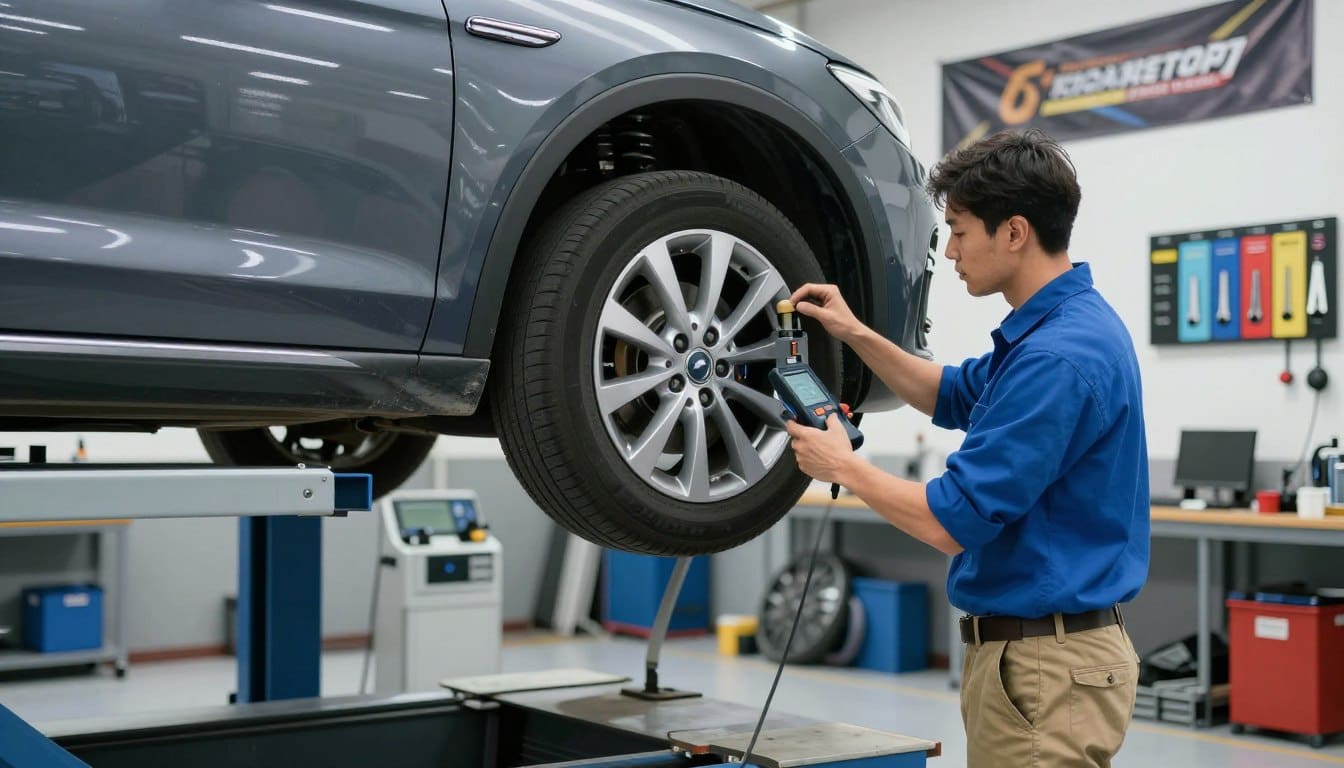
Does your car seem to have a mind of its own on the highway? If it keeps drifting or pulling to one side, you might have a suspension problem. Ignoring these signs can cause uneven tire wear and compromised safety on the road.
Proper maintenance is more than just driving straight. It’s key for your vehicle’s handling and fuel efficiency. When your tires are off, your engine works harder. This wastes gas and money.
If you live nearby, getting professional wheel alignment San Antonio services is smart. Expert technicians can quickly find if your steering needs adjustment for safety.
Key Takeaways
- Drifting or pulling means your vehicle needs immediate suspension attention.
- Correct positioning improves your car’s handling and overall safety.
- Proper maintenance helps you save money by increasing fuel efficiency.
- Uneven tire wear is a common symptom of poor suspension settings.
- Professional service ensures your vehicle remains reliable on the road.
Understanding the Mechanics of Vehicle Alignment
Your car’s ability to drive straight depends on precise settings called alignment. If these settings are off, your car may not stay straight. Precision is key for a safe and comfortable ride.
Experts use special tools to check these angles. They adjust your suspension to make sure your tires hit the road right. This keeps your car running well and keeps you safe.
Defining Proper Wheel Geometry
Proper wheel geometry means the angles of your suspension and steering systems are just right. These angles help your tires work well with the road. When everything is aligned, your car is stable and your tires wear evenly.
If these angles change, your car may not handle well. Keeping these angles correct is not just for comfort. It’s about making sure your car responds well to your steering. Consistent geometry means a reliable car.
The Role of Camber, Caster, and Toe
Three main measurements are key to alignment: camber, caster, and toe. Camber is how much the tire tilts when you look at it from the front. If it tilts toward the car, it’s negative camber. If it tilts away, it’s positive.
Caster is the angle of the steering axis from the side. It helps your steering wheel come back to center after a turn. Toe is the angle of the tires from above. The right toe setting keeps your tires from rubbing against the road.
| Alignment Angle | Primary Function | Visual Perspective |
|---|---|---|
| Camber | Cornering stability | Front view |
| Caster | Steering return | Side view |
| Toe | Tire wear control | Bird’s-eye view |
Why Your Car Pulls to One Side
Feeling your car pull to one side can make driving stressful. It’s like your car is trying to tell you something is off. Catching these signs early can save you from costly repairs later.
Mechanical Causes of Steering Drift
Uneven tire pressure is a common reason for car pulling. If one tire is lower than the others, it pulls the car. Always check your tire pressure to keep your car balanced.
Brakes can also cause steering issues. A stuck brake caliper can drag the car to one side. Worn-out suspension parts can also affect your car’s alignment, leading to pulling.
Environmental Factors Affecting Vehicle Tracking
The road itself can sometimes cause steering problems. Most roads have a slight slope to drain water. This slope can make your car pull toward the shoulder.
Strong winds can also affect your car’s path, more so for taller vehicles. While these factors are outside your control, they can hide deeper issues. If your car pulls even on flat roads, it’s time for a professional check.
| Symptom | Likely Cause | Recommended Action |
|---|---|---|
| Constant drift to one side | Uneven tire pressure | Check and inflate tires |
| Pulling only during braking | Stuck brake caliper | Professional brake inspection |
| Drift on uneven roads | Road crown/slope | Monitor for consistency |
| Pulling with vibration | Worn suspension parts | Schedule alignment service |
The Dangers of Ignoring Steering Issues
A slight pull to the side might seem minor, but it’s a serious safety risk. If your car doesn’t track straight, it means your suspension or steering is off. Ignoring these signs can cause a breakdown when you need your car most.
Safety Risks on High-Speed Highways
Driving fast needs precision and stability. If your car pulls to one side, you must constantly adjust the steering. This increases driver fatigue and makes quick reactions harder.
On busy highways, a car that drifts can hit others or veer off the road. The lack of stability makes it hard to stay on course. A small alignment problem can quickly turn into a dangerous loss of control at high speeds.
Increased Braking Distances and Handling Loss
Proper alignment ensures even tire contact with the road. Misaligned wheels make tires slip during hard stops. This means longer braking distances, which can lead to accidents.
Also, poor alignment stresses suspension parts too much. Over time, these parts can wear out or break. The table below shows the dangers of ignoring steering and alignment problems.
| Risk Factor | Impact on Driving | Severity Level |
|---|---|---|
| Steering Drift | Constant lane correction | Moderate |
| Uneven Tire Grip | Reduced braking efficiency | High |
| Suspension Strain | Risk of component failure | Critical |
| Driver Fatigue | Slower reaction times | High |
Identifying Signs of Misalignment

Knowing the early signs of misalignment is key for every driver. By watching how your car handles, you can fix small problems before they get big. Proactive maintenance keeps you safe and your tires lasting longer.
Visual Inspection Techniques for Drivers
A common sign is a steering wheel off center on a straight road. If your wheel leans even when straight, it’s misaligned. Also, check your tires for uneven wear.
Here are some visual signs to watch for:
- Excessive wear on the inner or outer edges of the tire tread.
- Feathering, where the tread feels smooth in one direction and sharp in the other.
- Visible cupping or scalloped dips across the tire surface.
- A noticeable pull to the left or right when you briefly loosen your grip on the wheel.
Auditory Clues from Your Suspension
Your ears can pick up suspension issues your eyes might miss. Unusual sounds while driving mean it’s time to check. A steering wheel off center often makes mechanical noises.
Listen for these sounds:
- Clunking or knocking sounds when driving over bumps or uneven pavement.
- A persistent squeaking noise that occurs when you turn the steering wheel.
- Grinding sounds that suggest metal-on-metal contact within the suspension system.
- Rattling vibrations that seem to originate from the front end of the vehicle.
If you hear or see these signs, don’t ignore them. Fixing them quickly keeps your car handling well. Consistent monitoring makes every drive safer and smoother.
The Importance of Professional Wheel Alignment San Antonio Services
Keeping your car in top shape needs more than basic tools at home. Trying to fix it yourself might not work, as today’s cars are very sensitive. Getting a wheel alignment San Antonio from experts makes sure your car drives just right.
Why DIY Alignment Tools Fall Short
Home alignment kits can’t match the calibrated accuracy needed for today’s cars. They use simple tools that can’t handle the tiny adjustments required. This can actually make your tires wear out faster and your car harder to handle.
DIY methods also miss the mark on your car’s geometry. A real wheel alignment San Antonio checks caster, camber, and toe all at once. Trying to fix one without the others can make your car unstable on the road.
The Heaven Automotive Standard of Excellence
At Heaven Automotive, we use the latest tech to keep you safe. Our team knows every car is different and needs special care. We offer a level of precision you can’t get at home.
Choosing us means your tires and suspension will last longer. We’re proud to offer a top-notch wheel alignment San Antonio experience. Here’s why going pro is better for your car.
| Feature | DIY Alignment | Heaven Automotive |
|---|---|---|
| Equipment Precision | Low (Manual Tools) | High (Laser Systems) |
| Safety Assurance | Uncertain | Certified Standards |
| Time Required | Several Hours | Efficient Turnaround |
| Long-term Results | Frequent Re-adjustments | Lasting Stability |
How Potholes and Road Conditions Impact Your Suspension
Your car’s suspension fights against the rough streets every day. Even small bumps can add up and affect your car’s balance. Consistent exposure to bad roads can lead to early wear and tear.
Navigating San Antonio Road Hazards
Drivers in San Antonio face many road dangers like potholes and uneven pavement. These issues put a lot of stress on your car’s steering and suspension. When a tire hits a pothole, it can damage the control arms and struts.
Even if your car seems okay after hitting a bump, it might have been affected. Over time, this can make your tires wear out faster. It also affects how well your car handles and how much fuel it uses.
Long-term Damage from Minor Impacts
Many people think only big accidents can mess up a car’s alignment. But minor impacts can be just as bad because they’re often overlooked. A series of small bumps can loosen parts and make your car pull to one side.
Not fixing these small problems can lead to big, expensive repairs later. Regular checks can help catch these issues early. This way, you can avoid costly damage and keep your car safe on Texas roads.
| Road Hazard Type | Primary Impact | Component Affected |
|---|---|---|
| Deep Potholes | Sudden Compression | Struts and Shocks |
| Uneven Pavement | Constant Vibration | Bushings and Bearings |
| Construction Debris | Surface Damage | Tire Tread and Rims |
| Speed Bumps | Vertical Stress | Ball Joints |
The Relationship Between Uneven Tire Wear and Alignment
Your tires connect your vehicle to the road. They often show hidden mechanical problems. Uneven tire wear is a sign of misaligned suspension.
By checking your tires, you can spot issues early. This helps avoid a major breakdown.
Reading Your Tire Tread Patterns
Regularly check your tread depth and pattern. This ensures your vehicle tracks straight. A feathered edge on your tires means your toe settings are off.
This pattern shows when your tire drags sideways. Camber wear, where the tire edges wear faster, also indicates a problem. It happens when the wheels tilt too much.
This is a common reason for car pulling during your daily drive. Spotting these signs early helps fix the issue before it’s too late.
Economic Consequences of Neglected Maintenance
Ignoring these signs can cost a lot over time. Allowing uneven tire wear means you’ll need to replace tires sooner. This is more expensive than a routine alignment.
Also, a car that pulls has higher rolling resistance. This makes your engine work harder, lowering fuel efficiency. Keeping your alignment in check saves money and keeps your car running well.
| Wear Pattern | Primary Cause | Recommended Action |
|---|---|---|
| Feathering | Incorrect Toe | Professional Alignment |
| Inner Edge Wear | Negative Camber | Suspension Inspection |
| Outer Edge Wear | Positive Camber | Alignment Calibration |
| Cupping/Scalloping | Worn Shocks/Struts | Component Replacement |
What Happens During a Standard Alignment Procedure

When your steering wheel off center, it means your car’s geometry is off. A professional alignment is more than a quick fix. It’s a meticulous process to get your car back to its original state. Technicians follow a detailed plan to ensure every angle is perfectly balanced for your safety.
The Calibration Process Explained
The process starts with a thorough check of your suspension and steering parts. If parts like tie rods or bushings are worn, they need to be replaced first. After confirming the parts are good, the technician attaches special sensors to each wheel.
These sensors talk to a central computer to measure the current wheel angles. The technician then adjusts the suspension linkages to get the camber, caster, and toe back to the right range. This precise calibration ensures your tires wear evenly and your car is stable.
Ensuring Precision with Laser Technology
Modern shops use advanced laser technology for better accuracy. By using laser beams, technicians can spot even the smallest alignment issues. This high-tech method reduces human error and sets a reliable baseline for adjustments.
The table below shows the main differences between old methods and new laser-guided alignment:
| Feature | Manual Alignment | Laser Alignment |
|---|---|---|
| Accuracy Level | Moderate | High Precision |
| Measurement Speed | Slow | Rapid |
| Data Reliability | Subjective | Computer-Verified |
| Adjustment Quality | Basic | Manufacturer-Specific |
Decoding the Steering Wheel Off Center Phenomenon
When your car goes straight but the steering wheel is off, it’s a sign of a bigger problem. This steering wheel off center issue makes drivers feel uneasy. It’s not just a cosmetic issue; it usually means there’s a mechanical problem that needs fixing.
Why Your Wheel Sits at an Angle
Your steering system is meant to work perfectly with your wheels. But when it’s not aligned right, the steering rack has to work harder. This makes the steering wheel move away from its center.
Several things can cause this problem:
- Uneven tire pressure on the front axle.
- Worn-out suspension parts like tie rod ends.
- Damage from hitting curbs or deep potholes.
- Incorrect adjustments from previous service visits.
Correcting Steering Column Calibration
To fix a steering wheel off center issue, technicians need to calibrate the steering geometry. Just making the wheel straight isn’t enough. The whole suspension must be set back to factory specs.
At Heaven Automotive, we use advanced laser tech for precise measurements. Our experts adjust the tie rods and check the thrust angle. This way, we make sure your steering wheel off center problem is fixed for good. Precision is the key to making your car safe and handle well again.
Factors Influencing Alignment Cost and Frequency
Understanding what affects your alignment cost is key to keeping your vehicle in top shape. Maintenance costs can seem random, but knowing the reasons helps you budget better. Ignoring suspension problems can lead to much higher costs later on.
Understanding Service Pricing Structures
Several things determine the price you pay for an alignment. The complexity of your vehicle’s suspension is a big factor in alignment cost. Cars with advanced systems need more precise adjustments, which can raise the price.
Labor costs and the technology used by the shop also affect your bill. Shops with high-end laser systems offer better accuracy. This is good for your tires and gas mileage. Here are some key factors that can change your service quote:
- Vehicle Complexity: Luxury or performance cars often need special equipment.
- Suspension Condition: Worn parts like tie rods may need to be replaced before an alignment.
- Service Scope: A simple front-end adjustment costs less than a full four-wheel alignment.
Determining Your Vehicle’s Alignment Schedule
Regular maintenance is key to avoiding early tire wear. You should check your alignment every 6,000 miles. But, if you drive on rough roads a lot, you might need to go more often.
Driving on bad roads can make your suspension go out of spec faster. Keeping track of your service history helps you stay on schedule. The table below shows how different driving conditions affect your maintenance needs:
| Driving Condition | Recommended Check Interval | Impact Level |
|---|---|---|
| Highway Commuting | Every 6,000 – 8,000 miles | Low |
| City/Urban Driving | Every 5,000 – 6,000 miles | Moderate |
| Rough/Rural Roads | Every 3,000 – 4,000 miles | High |
Being proactive with your vehicle’s care helps manage alignment cost over time. Regular checks prevent small problems from becoming big, expensive issues. This keeps your car safe, stable, and reliable.
Advanced Technology in Modern Alignment Systems
At Heaven Automotive, we use advanced digital tools to keep your vehicle perfectly aligned. Modern cars are complex, with sensors and computers needing extreme precision for maintenance.
Our technicians use top-notch diagnostic equipment to spot small issues that older methods might overlook. Some worry about the alignment cost. But, investing in modern tech can save you money on future repairs to your tires and suspension.
Computerized Diagnostics at Heaven Automotive
We use high-resolution laser sensors to map your vehicle’s geometry with great accuracy. These systems give us real-time data for precise adjustments.
This computerized approach avoids the uncertainty of older, manual methods. You get a detailed report showing your vehicle’s performance before and after the alignment.
Precision Adjustments for Modern Vehicles
Modern cars have Advanced Driver Assistance Systems (ADAS) like lane departure warnings and adaptive cruise control. These systems need your vehicle to track straight to work right.
If your wheels are slightly off, these safety features might give false warnings or not work. Our specialized equipment makes sure every adjustment meets the manufacturer’s exact standards. This keeps your safety tech working perfectly.
| Feature | Traditional Alignment | Computerized Alignment |
|---|---|---|
| Measurement Accuracy | Low to Moderate | High Precision |
| ADAS Compatibility | Not Supported | Fully Integrated |
| Service Speed | Slow | Fast and Efficient |
| Overall Alignment Cost | Variable | Cost-Effective Value |
Seasonal Maintenance Tips for San Antonio Drivers
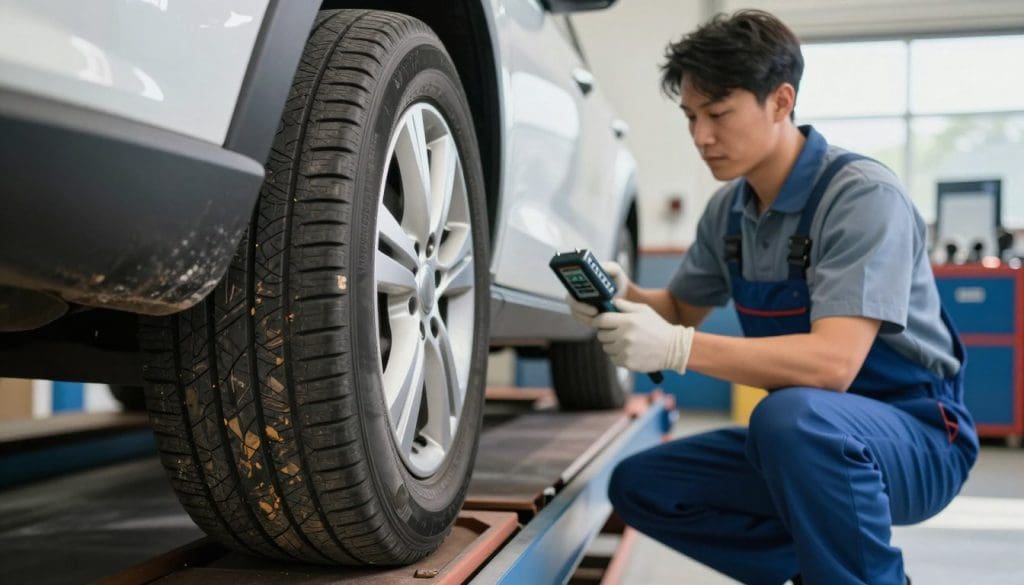
The summer heat in San Antonio can harm your car. High temperatures damage rubber parts and change tire pressure. Staying ahead helps keep your car running well in Texas’s tough weather.
Preparing Your Vehicle for Texas Heat
Heat makes tire air expand, leading to over-inflation. This affects how your tires grip the road. Regularly checking tire pressure is key to handling well in the heat.
The sun’s UV rays and hot roads dry out rubber parts. When these parts fail, your car’s alignment changes. Regular checks catch small problems before they cost a lot.
Routine Checks to Prevent Premature Wear
Regular maintenance stops uneven tire wear. Misaligned tires wear down faster in the heat. A simple check can prevent this.
Look for uneven tire wear every few months. Balding on one side means your alignment needs fixing. Fixing it early saves money and keeps you safe.
| Maintenance Task | Frequency | Benefit |
|---|---|---|
| Tire Pressure Check | Monthly | Prevents uneven tire wear |
| Alignment Inspection | Every 6,000 miles | Ensures vehicle stability |
| Suspension Bushing Check | Bi-annually | Avoids costly repairs |
| Tire Rotation | Every 5,000 miles | Extends tire lifespan |
The Role of Suspension Components in Vehicle Stability
Your vehicle’s stability is more than just the tires touching the road. The suspension system is key to your car’s handling and safety. When these parts fail, even the best adjustments won’t last.
How Shocks and Struts Affect Alignment
Shocks and struts help absorb road bumps and keep tires on the road. Worn parts can cause your car to bounce or lean during turns. This can lead to uneven tire wear and poor handling.
These parts carry your vehicle’s weight, so their wear affects wheel angles. Ignoring them can raise the alignment cost as they pull your settings off track. Replacing them is key to a stable ride.
Identifying Worn Bushings and Ball Joints
Bushings and ball joints are the suspension’s pivot points. Over time, they can become loose. This makes it hard to keep your wheels aligned with your steering.
Listen closely for clunking or squeaking when driving over bumps. These sounds mean your parts are worn. If steering feels loose, it’s time for a check-up. Fixing these issues early saves you from a higher alignment cost by preventing damage to your tires and steering rack.
| Component | Primary Function | Impact of Wear |
|---|---|---|
| Shocks/Struts | Dampening road vibration | Increased bouncing and instability |
| Bushings | Reducing friction in pivots | Loose steering and vibration |
| Ball Joints | Connecting control arms | Erratic wheel tracking |
Common Misconceptions About Wheel Alignment
Many car owners have old ideas about how their suspension works. These wrong beliefs can lead to not taking care of their car, which is dangerous. Knowing the truth helps you make better choices for your car’s health.
Debunking Myths About Tire Balancing vs. Alignment
People often mix up tire balancing and wheel alignment. Tire balancing makes sure the tire and wheel don’t vibrate at high speeds. On the other hand, wheel alignment makes sure your wheels hit the road right.
If your car pulls to one side, you need an alignment, not just balancing. Balancing won’t fix steering problems. The wrong fix can cause more damage to your car.
Why New Tires Require Immediate Alignment
Getting new tires is a big deal for your car. Many think new tires fix all problems, but that’s not true. If old tires wore unevenly, your car’s alignment is probably off.
Not getting an alignment with new tires can damage them fast. The wrong alignment will wear out your new tires quickly. Always check your alignment to keep your new tires safe and avoid car pulling issues.
Why Local Expertise Matters for Your Vehicle Health
Knowing the local roads is key to keeping your car in top shape. Choosing a shop that knows the local streets means your car gets the right care. A wheel alignment San Antonio service is more than just fixing your car. It’s about keeping you safe.
The Heaven Automotive Advantage in San Antonio
At Heaven Automotive, we offer personalized service that big chains can’t match. Our techs know how local roads affect your car. We treat every car like it’s our own, ensuring top-notch service.
Choosing us means your car gets:
- Expert Diagnostics: We find hidden problems with advanced tools.
- Regional Insight: We know how local terrain wears down your car.
- Quality Assurance: We promise excellence in every service.
| Service Feature | Local Expertise | Standard Shop |
|---|---|---|
| Road Knowledge | High | Low |
| Personalized Care | Yes | No |
| Precision Tools | Advanced | Basic |
Contacting Our Experts at 6645 Poss Rd. San Antonio, TX 78238 or (210) 682-3898
If you think your car needs a wheel alignment San Antonio, don’t wait. Visit us at 6645 Poss Rd. San Antonio, TX 78238. Our team is here to help with any car concerns.
Call us at (210) 682-3898 to book your next service. We’re excited to help you drive safely and smoothly.
Conclusion
Your car is a key part of your daily life in San Antonio. Keeping the wheels aligned is key to avoiding early tire wear and mechanical issues. This simple step keeps your steering sharp and your ride smooth for years.
Small changes now can save you from big repair costs later. You’ll feel secure knowing your car’s suspension works perfectly. Safe driving means your car handles roads well and tracks straight.
Heaven Automotive is here to help with your car’s maintenance. Our team uses top-notch tools to get your car back to its best. You should enjoy a smooth drive every time you get in.
Drop by our shop at 6645 Poss Rd. San Antonio, TX 78238 to talk to our experts. Call us at (210) 682-3898 to book your next service. Let us take care of the technical stuff so you can enjoy the drive.