

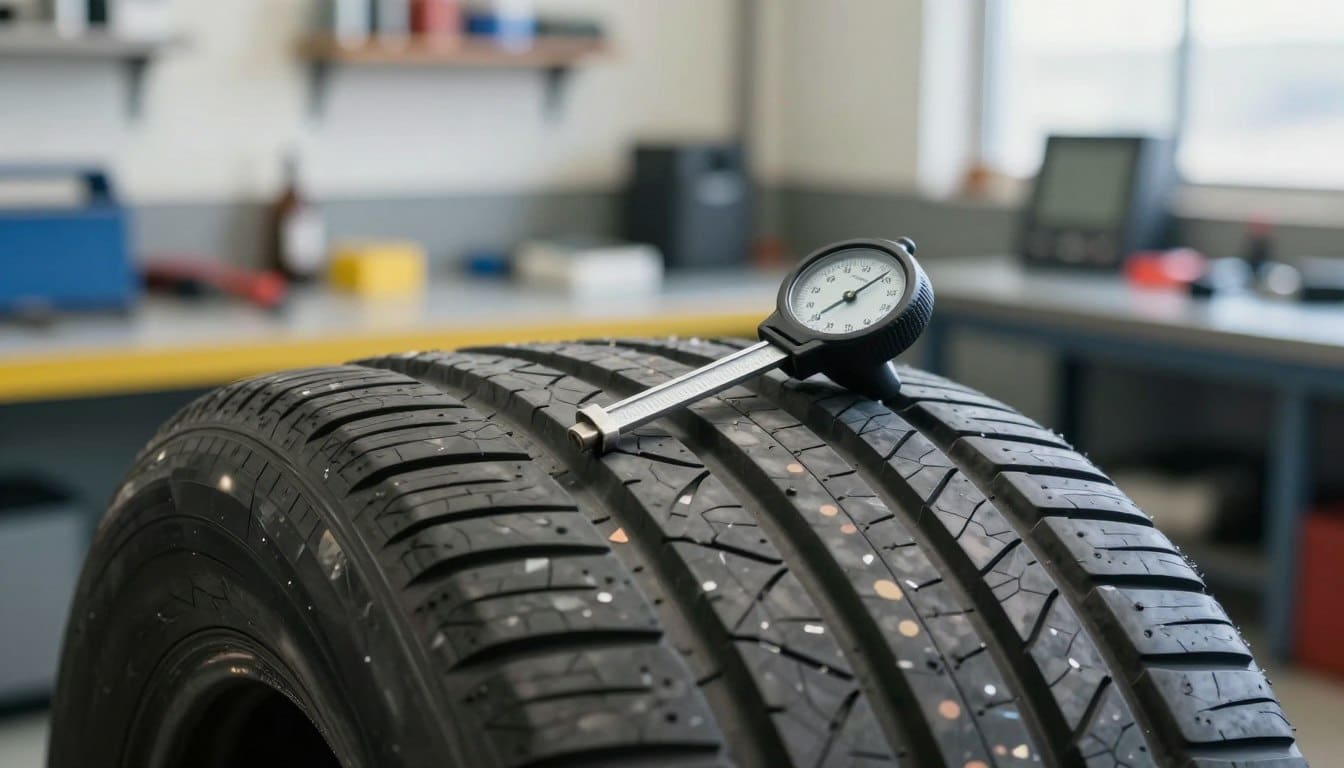
Your car depends on four small rubber patches for safety. When these wear down, stopping and steering become harder. Ignoring your wheels’ condition can lead to dangerous situations, like in wet or icy weather.
Checking your tire service tread depth regularly is a lifesaving habit. It helps prevent costly repairs and keeps you safe. You don’t need to be a mechanic to spot wear signs.
Knowing when to get tire service keeps your car reliable. Proper tread depth management ensures good traction and control. Follow these tips to keep your car safe and in top shape.
Key Takeaways
- Check your rubber condition monthly to ensure optimal road safety.
- Low patterns on your wheels significantly increase your stopping distance.
- Use simple tools like a penny to measure remaining rubber thickness.
- Uneven wear patterns often indicate alignment or suspension issues.
- Replacing worn components early prevents expensive long-term vehicle damage.
The Critical Importance of Tire Service Tread Depth
Have you ever thought about how much your safety depends on a thin layer of rubber on the ground? The tire service tread depth is key to keeping your vehicle safe on the road. Without enough depth, your tires can’t handle water or grip the road well, making daily drives risky.
Your tires are the main link between your car and the road. When the tread wears off, your tires can’t steer or brake as well. This makes it harder to turn sharply or stop fast when you need to.
Checking your tire service tread depth regularly is essential for car owners. Keeping an eye on tread levels helps your car stay safe in all weather. Regular maintenance keeps you and your passengers safe and makes your tires last longer.
Understanding the Mechanics of Tire Traction
Your vehicle’s connection to the road is thanks to engineering in your tires. The contact patch, where rubber meets asphalt, is key. Keeping the tire service tread depth right ensures this area works well.
How Tread Patterns Displace Water
Tread patterns are more than looks; they’re channels to move water. As you drive in the rain, these grooves clear water from the tire’s path. This is critical to avoid hydroplaning, where your car slides on water.
Worn tread means these channels are shallow and can’t clear water well. So, checking your tire service tread depth is key for safety in wet weather. Without deep grooves, water can’t be pushed away, making your tire ride on liquid.
The Relationship Between Rubber Compound and Grip
The rubber’s chemical makeup greatly affects your car’s handling. Makers mix polymers, silica, and oils to make a flexible yet durable rubber. This molecular engineering lets the tire grip the road’s tiny texture.
The grip comes from the rubber’s ability to stick to the pavement. Softer rubber gives better traction but wears faster. Finding the right balance ensures your car handles well in all situations.
| Feature | High-Performance Tire | All-Season Tire |
|---|---|---|
| Rubber Compound | Soft/Sticky | Balanced/Durable |
| Tread Depth | Moderate | Deep |
| Water Evacuation | Excellent | Good |
| Primary Benefit | Maximum Grip | Longevity |
The Dangers of Driving on Bald Tires
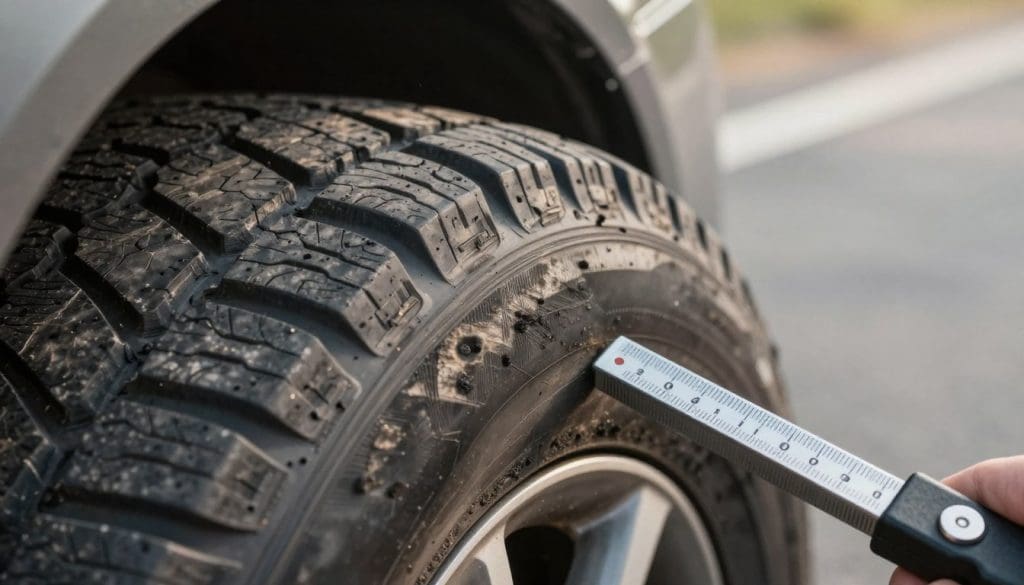
Your car’s safety depends on the rubber touching the road. When tire tread depth gets low, this connection becomes unstable. This can lead to accidents and damage to your vehicle.
Increased Risk of Hydroplaning
Tires have special patterns to move water away. But, bald tires can’t do this anymore. This failure makes your car slide on the road instead of gripping it.
This is called hydroplaning. It makes steering and braking very risky, even on dry roads.
Extended Braking Distances on Dry Pavement
Low tire tread depth also affects stopping on dry roads. Friction is key for stopping, but worn tires offer less. Without enough tread, your brakes have to work harder.
Driving on worn-out tires can be risky. Here are some dangers:
- It’s harder to make sharp turns safely.
- Stopping quickly becomes more likely to cause skidding.
- You’re more likely to hit road debris and get punctures.
| Tire Condition | Stopping Distance (Dry) | Safety Rating |
|---|---|---|
| New (10/32″) | 100 Feet | Excellent |
| Worn (4/32″) | 125 Feet | Moderate |
| Bald (2/32″ or less) | 160+ Feet | Dangerous |
Keeping your tire tread depth right is key to safety. Regular checks help your brakes work right when you need them.
Legal Standards and Safety Regulations for Tire Wear
Safety rules for tires help keep everyone safe on the road. It’s important to keep the right tire tread depth for your car. This is a must for all car owners in the United States.
These rules help your car grip the road well, no matter the weather. If you ignore them, you could face big problems. This includes failing inspections and a higher chance of accidents.
The 2/32 Inch Industry Standard
The car industry has set a clear rule for when a tire is too worn. The safe tire tread depth is 2/32 of an inch.
At this depth, your tire can’t push water away from the road. This makes it hard to steer and stop safely. Seeing this as a must for replacement, not just a guide, is key.
State Inspections and Liability Concerns
Most states make these safety rules part of their car checks. If your tires are too thin, your car won’t pass. You’ll need to get new tires.
There are big risks if you crash with bald tires. You could be seen as careless. This could lead to:
- Legal Liability: You might be seen as negligent for driving a car that’s not safe.
- Insurance Denials: Your insurance might not cover the accident if your tires were bad.
- Traffic Citations: You could get fined for driving a car that’s not safe.
Following these rules is more than just avoiding fines. It’s about keeping your car safe for you and others.
How to Perform the Penny Test for Tire Safety
You can check your tire tread depth at home with just a penny. This simple method is a great way to check your car’s safety. You don’t need any special tools or a visit to the mechanic.
Step-by-Step Guide to the Lincoln Test
To start, grab a standard United States penny. Here’s how to check your tire tread depth accurately:
- Park your car on a flat, level surface and apply the parking brake.
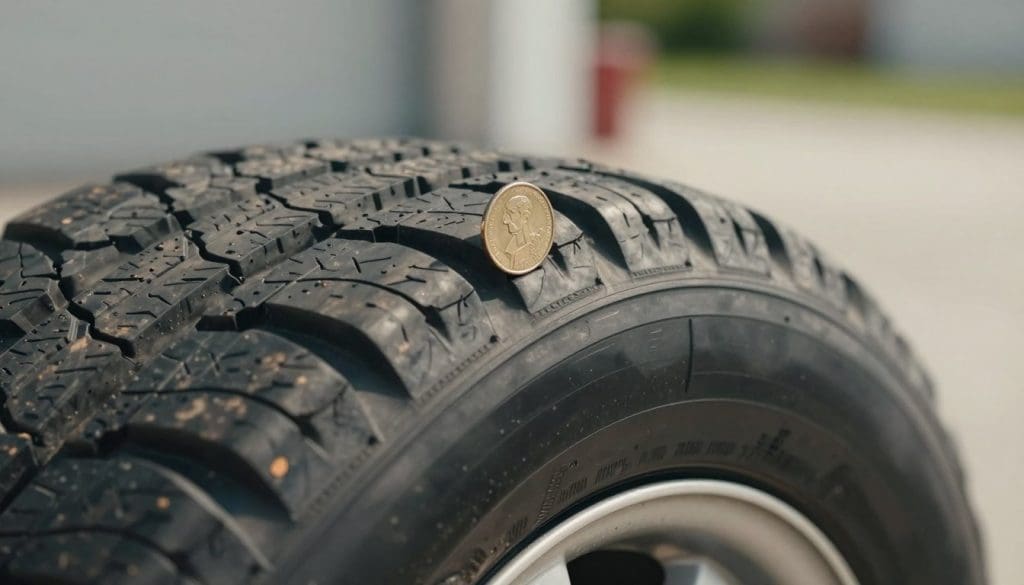
- Hold the penny so Lincoln’s head is upside down and facing you.
- Put the penny’s edge into the tire’s deepest groove.
- Check different spots around the tire to see if wear is even.
Interpreting the Results of Your Penny Test
After inserting the penny, look at how much of Lincoln’s head you can see. If you see his head, your tire tread depth is too low. This means your tires are dangerously worn and need to be replaced right away.
If Lincoln’s head is hidden by the rubber, your tires are safe. Always check all four tires. Wear patterns can differ a lot across your vehicle.
Utilizing Tread Depth Gauges for Precision
Many drivers check their vehicle with simple visual cues. But, a digital gauge gives you the exact data you need for peace of mind. Missing early signs of bald tires can be dangerous. A small, affordable tool lets you check your tread with professional accuracy.
Why Digital Gauges Offer Better Accuracy
Digital tread depth gauges avoid the mistakes of manual checks. They give a clear, numerical reading, making it easy to know your tread levels. With a precise electronic sensor, you can track your tire’s rubber levels closely.
Unlike coins or rulers, digital gauges are made for tires. They give consistent readings, helping you spot uneven wear early. This is key for catching problems before they get worse.
Reading the Color-Coded Indicators
Most gauges have a color-coded system for easy reading. These indicators act like a safety traffic light for your vehicle. Green means your tires are good, yellow means it’s time to start thinking about replacing them.
When it hits red, it’s a clear sign you’re on bald tires. This quick feedback helps you decide when to get your tires checked. See the table below for how these measurements translate into safety steps.
| Measurement Zone | Tread Depth (Inches) | Safety Status |
|---|---|---|
| Green | 4/32″ and above | Safe for driving |
| Yellow | 3/32″ | Monitor closely |
| Red | 2/32″ or less | Replace immediately |
Identifying Uneven Wear Patterns on Your Tires
Your tires show how well your vehicle is doing through wear. Normal use will make them bald over time. But, uneven wear can mean there’s a mechanical problem. Checking your tread often can help you spot these issues before they’re a safety risk.
Causes of Inner and Outer Edge Wear
Seeing the inside or outside edges of your tires wear faster than the middle means your vehicle might have an alignment issue. This is called camber wear, which happens when the wheels tilt too much.
Inner edge wear means your wheels might be tilted too much inward. Outer edge wear suggests they’re tilted too much outward. Not paying attention to these signs can make your tires bald faster, leading to early replacement.
Detecting Cupping and Feathering Issues
There are also more complex wear patterns like cupping or feathering. Cupping looks like dips in the tread and means your shocks or struts need replacing. It makes your tires bounce on the road.
Feathering makes the tread feel smooth in one direction but sharp in another. This usually comes from wrong toe settings. Look out for these signs to keep your vehicle safe:
- Cupping: A rhythmic vibration or thumping sound while driving.
- Feathering: A jagged, saw-tooth feel when you run your hand across the tread.
- Edge Wear: Visible bald spots on the inner or outer shoulders.
Fixing these problems early stops your tires from getting bald too soon. Regular checks keep your suspension and alignment in good shape. This gives you a smoother and safer drive.
Environmental Factors Affecting Tire Longevity in San Antonio
Keeping your tires in San Antonio means knowing how local factors speed up wear. South Texas’s climate is tough, unlike other places. Knowing these challenges helps protect your car and keeps you safe.
The Impact of High Texas Temperatures on Rubber
The hot weather in San Antonio breaks down rubber fast. This heat makes rubber lose its stretchiness and get hard. This leads to tiny cracks on the sidewalls, weakening the tire.
When rubber dries out, it can’t grip the road well. Driving on bald tires is a real risk if you ignore these signs. Regular checks can prevent a blowout.
Navigating Rough Road Surfaces and Debris
San Antonio’s roads are rough, wearing down your tires quickly. The streets are often rough and have debris that can damage tires. This makes your tires wear out faster.
Driving on rough roads can cause hard-to-fix damage. If you often drive on bad roads, your tires will wear out faster. Paying attention to your surroundings helps your tires last longer.
| Environmental Factor | Primary Effect | Maintenance Action |
|---|---|---|
| Extreme Heat | Rubber brittleness | Check for sidewall cracks |
| Abrasive Asphalt | Rapid tread loss | Rotate tires regularly |
| Road Debris | Puncture risk | Inspect tread depth |
| UV Exposure | Chemical degradation | Park in shaded areas |
The Role of Tire Pressure in Preventing Premature Wear
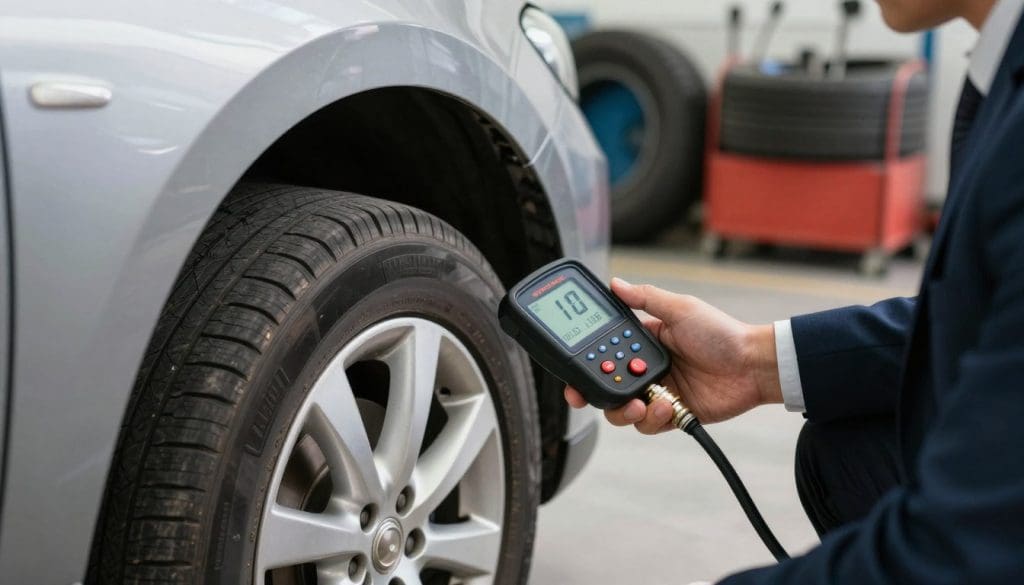
Keeping your tires at the right air pressure is key to avoiding early wear. By maintaining the recommended pressure, your tires stay in good contact with the road. This simple step can help your tires last longer and prevent the need for an early tire replacement San Antonio drivers often face.
Dangers of Under-Inflation
Under-inflation puts too much stress on the tire sidewalls. This causes the tire to flex more, leading to significant internal heat. This heat weakens the tire, making it prone to blowouts at high speeds.
Under-inflated tires also wear down faster, mainly on the outer edges. The center tread doesn’t touch the road as much, so the edges bear the weight. This uneven wear means you’ll need to replace your tires sooner than you should.
Risks Associated with Over-Inflation
Many drivers worry about low pressure, but over-inflation has its own dangers. Over-inflated tires have a bulging center tread. This reduces the contact patch, hurting your vehicle’s handling and braking.
These tires are also more likely to get damaged by road hazards. The tight rubber can’t absorb impacts well, leading to punctures or damage. This might mean you’ll need a professional tire replacement San Antonio service.
| Condition | Primary Risk | Wear Pattern | Impact on Safety |
|---|---|---|---|
| Under-Inflation | Heat Buildup | Outer Edges | High Blowout Risk |
| Correct Pressure | Optimal Grip | Even Wear | Maximum Control |
| Over-Inflation | Reduced Traction | Center Tread | Poor Handling |
When to Seek Professional Tire Replacement in San Antonio
Knowing when to get a tire replacement San Antonio is key for drivers. It’s not just about tread depth. The rubber’s structure is also critical for safety.
Ignoring aging signs can cause blowouts on Texas roads. Being proactive keeps your car reliable for daily drives.
Evaluating the Age of Your Tires
Check your tires for replacement if they’re over six years old, even with good tread. Rubber degrades over time due to oxidation and weather.
To check your tire’s age, look for the DOT code on the sidewall. The last four digits show the week and year made. This helps you know if your tires need to be replaced.
Recognizing Dry Rot and Sidewall Cracking
Look for environmental damage signs on your tires. Dry rot shows as small, spider-web cracks on the sidewall or between tread grooves.
These cracks mean the rubber is losing strength and flexibility. If you see them, it’s time for tire replacement San Antonio services to avoid a failure.
Your safety depends on your tires’ condition. If unsure about cracks, get a certified technician’s opinion. They can tell if your tires are safe for driving.
Signs Your Tires Are Compromised Beyond Repair
Knowing the difference between a small puncture and a serious tire failure is key for drivers. Some tread problems can be fixed, but other damage makes a tire unsafe. If you see these warning signs, get tire replacement San Antonio services right away to avoid a blowout.
Identifying Punctures in the Sidewall
The sidewall is the most vulnerable part of your tire. It’s not as strong as the tread area, which has steel belts. Any damage here can weaken the whole tire.
Because the sidewall flexes a lot, patches or plugs won’t stay in place. Trying to fix it is very dangerous and not allowed by safety rules. If you see a nail or a cut in the sidewall, the tire needs to be replaced.
When Internal Structural Damage Occurs
Damage can also be hidden inside the tire. It shows up as a bulge or bubble on the sidewall. This means the inner liner has been damaged, letting air get to the outer rubber.
Driving on a tire with this kind of damage is very risky. It can fail suddenly at high speeds. If you notice any bumps or vibrations that don’t go away, get a tire replacement San Antonio check. Ignoring these signs is dangerous for you and your passengers.
| Damage Type | Repair Status | Safety Risk |
|---|---|---|
| Tread Puncture | Usually Repairable | Low if fixed early |
| Sidewall Cut | Never Repairable | Extreme |
| Internal Bulge | Never Repairable | Critical |
| Tread Separation | Never Repairable | High |
The Impact of Worn Tires on Fuel Efficiency and Performance
Many drivers don’t realize how their tires affect their fuel costs. While engine care is important, tire condition is just as key for efficiency. A simple penny test tires check can keep your vehicle running well.
Increased Rolling Resistance and Fuel Consumption
Worn tires make your car harder to move, as they increase rolling resistance. When tread is low, tires work less efficiently. This means your engine has to work harder, leading to more fuel use.
This extra engine work can also cause long-term damage. Keeping tread depth right helps your car move smoothly. It saves money and protects your engine.
Handling and Steering Responsiveness
Your tires connect your car to the road. Worn tires make steering slow and unpredictable. Your car may feel less stable or take longer to turn.
Here are some key effects of worn tires on your car:
- Reduced steering precision during high-speed maneuvers.
- Increased likelihood of skidding on slick or wet surfaces.
- A noticeable decline in overall vehicle stability and control.
- Longer braking distances that compromise your reaction time.
If you see these signs, it’s time to check your tread. The penny test tires method is a good way to see if your tires are gripping well. Healthy rubber is vital for your car’s performance.
Seasonal Maintenance Tips for Optimal Tire Health
Keeping your tires in top shape is easier than you think. By following a few simple steps, you can make your tires last longer. Instead of waiting for a warning light, proactive care is key to keeping your car safe. Regular penny test tires checks are good, but consistent maintenance is even better.
The Importance of Regular Tire Rotations
Rotating your tires every 5,000 to 7,000 miles is essential. This keeps the tread even by moving tires around. Front tires get more wear from steering, so moving them to the back helps balance the load.
Regular rotation stops one tire from wearing down too fast. This keeps your car’s traction and handling good in all weather. Always check your owner’s manual for the right rotation pattern for your car.
Checking Alignment to Prevent Irregular Wear
Proper wheel alignment is as important as rotation for your tires. Misaligned wheels can cause uneven wear on the inner or outer edges. Professional alignment checks should be part of your seasonal routine to catch these issues early.
If your car pulls to one side on a straight road, it’s time to see a technician. Fixing alignment problems early saves money by avoiding early tire replacement. Even a small misalignment can cause a lot of tread loss, making penny test tires harder to pass.
Common Myths About Tire Longevity Debunked
Many drivers think their tires are good as long as they look fine. But, tires have a hidden expiration date, even if they look new. Rubber, the material tires are made of, gets weaker over time, even when not in use.
The Truth About Tire Expiration Dates
Rubber ages due to oxidation, a chemical change. This makes the rubber dry out and crack. Most tire makers say to replace tires after six to ten years, even if they look good.
You can’t tell if a tire is old just by looking. Safety experts strongly advise checking the Department of Transportation (DOT) code on your tire sidewall to find out when it was made.
Why Visual Inspection Is Not Enough
Just looking at your tires is not enough. It misses hidden dangers like internal damage. You need a better way to check if your tires are safe.
The penny test tires method is a good way to check. It shows how much tread you have left. Using this method often helps spot wear before it’s too late.
Using both physical checks and knowing your tire’s age is key. Don’t rely on looks alone. Always choose safety over guessing.
Conclusion
Your car depends on four small rubber patches to stay on the road. Taking care of these parts is key to your safety every day.
Checking your tire’s tread and pressure regularly is important. It helps avoid sudden failures. This care keeps everyone safe and your car in good shape.
Experts at Heaven Automotive can give you peace of mind. They can fix your car and check your tires for hidden issues. Visit us at 6645 Poss Rd. San Antonio, TX 78238 for a detailed check.
Our team knows how tough local roads can be on your tires. Call us at (210) 682-3898 to book your next service. We’re here to help you stay safe on the road for a long time.