

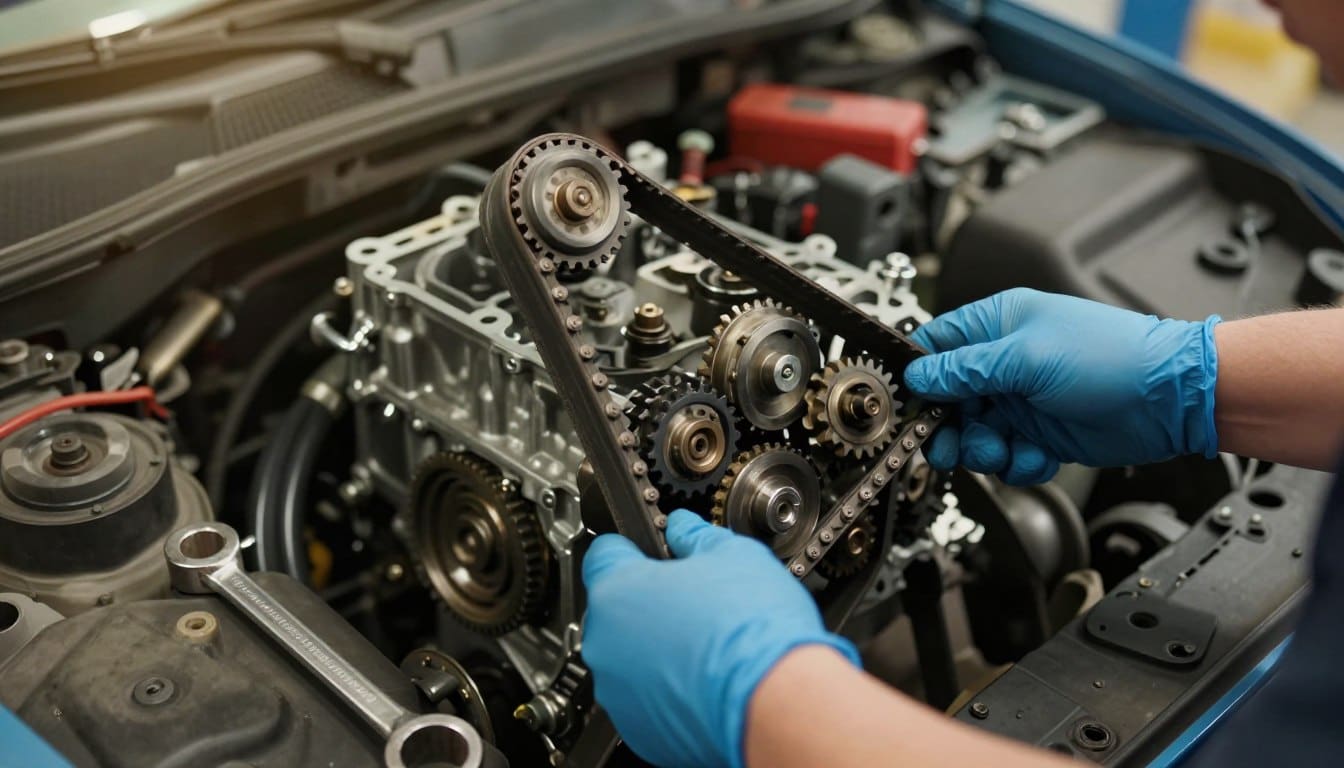
Your car has a complex system to keep the engine running well. Most drivers ignore these parts until they fail suddenly. Proactive care is key to avoiding costly repairs.
At Heaven Automotive, we focus on your peace of mind. We check for wear before it’s too late. A timing belt chain service keeps your motor running smoothly for years. Knowing how these parts work helps you keep your car in top shape.
Don’t wait for a warning light to show up. Regular inspections keep your car safe and your investment protected. Let our experts handle the details, so you can drive with total confidence.
Key Takeaways
- Neglecting internal engine components often leads to sudden, costly roadside breakdowns.
- Heaven Automotive emphasizes proactive inspections to extend the lifespan of your vehicle.
- Understanding your car’s maintenance needs helps you avoid unnecessary stress and repair bills.
- Regular checkups ensure your engine remains reliable and performs at its peak.
- Professional care is the best way to protect your automotive investment for the long haul.
The Critical Role of Timing Components in Modern Engines
Your vehicle’s performance depends on a complex system. It keeps all parts moving in sync. This system is key to turning fuel into motion.
When everything works together, your car runs well. But, if timing is off, performance drops or damage can happen.
How the Timing Belt Synchronizes Your Engine
The timing system coordinates the crankshaft and camshaft. The crankshaft moves pistons, while the camshaft controls valves.
The timing belt connects these two. It makes sure valves open when pistons are in the right spot. This perfect synchronization lets your engine breathe and produce power.
Distinguishing Between Timing Belts and Timing Chains
Timing belts and chains do the same job but are different. Belts are made of rubber and need to be replaced often.
On the other hand, timing chains are metal and last longer. Many drivers like cars with timing chains because they’re more durable.
But, even chains need oil to work right. Keeping up with maintenance is key, no matter the system, to keep your engine running well for years.
The Hidden Dangers of Ignoring Your Timing Belt
Your engine needs precise timing to run well. Ignoring the timing belt can turn a simple drive into a big problem. This rubber part is key to your engine’s smooth operation. Regular timing component service keeps your engine running smoothly.
What Happens When a Belt Snaps While Driving
If a timing belt breaks while driving, it’s instant and severe. The pistons and valves lose sync, causing damage. This can bend valves, damage piston heads, and even crack the engine block.
You’ll hear a loud noise and lose power. Your car will stop, leaving you in danger. The engine won’t start again until big repairs are done.
The Financial Impact of Catastrophic Engine Failure
A broken belt can cost a lot more than regular maintenance. When the engine fails, you might need a new cylinder head or engine. These repairs are expensive and take a lot of time.
By getting regular timing component service, you avoid these big problems. Preventive care is cheaper than emergency repairs. See the table below for the difference between maintenance and repairs.
| Service Type | Estimated Cost | Risk Level | Vehicle Downtime |
|---|---|---|---|
| Preventative Belt Replacement | Moderate | Low | 1-2 Days |
| Emergency Engine Repair | Very High | Critical | 1-2 Weeks |
| Full Engine Replacement | Extreme | Total Loss | 2+ Weeks |
Ignoring your car’s timing component service schedule is risky. Keep your car running well by taking care of it before it’s too late.
Understanding the Interference Engine Phenomenon
If you own a vehicle with an interference engine, you must pay close attention to your maintenance schedule. This design is common in many modern vehicles. Yet, it carries a higher risk if your timing belt fails unexpectedly.
Why Interference Engines Are More Vulnerable
In an interference engine, the space inside the combustion chamber is extremely limited. When the piston reaches the top of its stroke, it occupies the same physical space where the valves open.
The timing belt acts as the conductor, ensuring that valves open and close at the exact millisecond the piston moves out of the way. If the belt snaps, this synchronization is lost instantly. The valves remain open while the piston continues to move, leading to a catastrophic collision between the two components.
Identifying If Your Vehicle Has an Interference Design
Determining your engine type is vital for your vehicle’s long-term health. Most manufacturers do not label this design clearly on the engine cover. So, you may need to consult your owner’s manual or a professional technician.
You can often find this information by checking your vehicle’s service specifications or searching your VIN in a manufacturer database. If your car is classified as having an interference engine, you should never exceed the recommended mileage intervals for timing belt replacement. Proactive care is the only way to avoid the severe internal damage that occurs when these precision parts fail.
Professional Timing Belt Chain Service Requirements
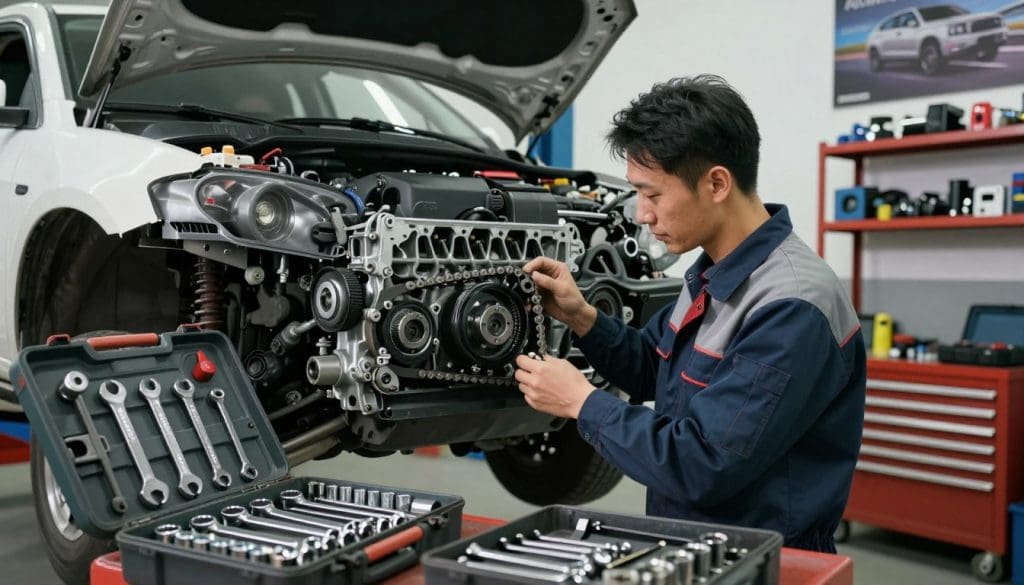
For complex engine work, getting help from a pro is usually the best choice. A timing belt chain service needs special tools and deep knowledge. Most home garages don’t have these. Using certified experts keeps your car safe and reliable.
Why DIY Repairs Often Lead to Further Damage
Trying to fix your engine timing by yourself is risky. Without the right tools, you might mess up the timing or damage parts. This can lead to costly repairs that are more than a pro visit.
Modern engines have tight tolerances, meaning small mistakes can cause big problems. A wrong move during a timing belt chain service can make pistons hit valves. This might mean you need a new engine.
The Importance of Precision Timing and Alignment
When working on your engine, precision is key. Every part must align perfectly for the engine to work right. Professional technicians use special tools to keep everything in place.
Experts make sure everything is tightened just right. This care helps your engine last longer and run better. Proper alignment prevents problems and saves fuel.
| Service Aspect | DIY Approach | Professional Service |
|---|---|---|
| Tool Quality | Standard Hand Tools | Specialized OEM Tools |
| Accuracy | Manual Estimation | Precision Calibration |
| Warranty | None | Parts & Labor Guarantee |
| Risk Level | High | Minimal |
Recognizing the Early Warning Signs of Belt Wear
Your car often tells you it needs something before it breaks down. By noticing small changes, you can fix engine wear early. This saves money and keeps you safe on the road.
Audible Clues Your Engine Is Giving You
A strange noise from the front of the engine might mean your timing belt is failing. You might hear a ticking sound that gets faster when you speed up. This happens when the belt stretches or loses tension.
You might also hear slapping or grinding noises. These sounds mean the belt is loose and hitting the timing cover. If you hear these audible warnings, get a professional to check your car right away.
Visual Inspection Techniques for Vehicle Owners
If you’re okay with opening the hood, you can do a quick visual check. Look for fraying, cracking, or missing teeth on the belt’s rubber surface. Even small damage can mean the belt is almost done.
Also, check for oil leaks near the timing cover. Oil can make the rubber break down faster. If you see any of these signs, it’s time to get a professional to look at your car.
| Symptom | Potential Cause | Urgency Level |
|---|---|---|
| Rhythmic Ticking | Belt Tension Loss | High |
| Visible Cracks | Material Fatigue | Critical |
| Slapping Noise | Loose Belt | Critical |
| Oil Contamination | Seal Failure | Moderate |
Manufacturer Maintenance Schedules and Recommendations
Mileage is not the only sign you need a timing belt replacement. Many people think their belt is fine if they haven’t hit the mileage mark. Time is just as critical as distance for rubber parts.
Why Mileage Isn’t the Only Factor for Replacement
Rubber gets worse over time, no matter how much you drive. Changes in temperature and air can make it brittle and crack. Waiting for mileage can leave you with a belt that’s dangerously close to failure.
Car makers suggest replacing belts based on time or mileage, whichever comes first. Sticking to these time-based guidelines helps avoid engine damage. Getting a timing belt replacement San Antonio experts recommend keeps your car running well, even if you don’t drive far.
The Impact of San Antonio Climate on Rubber Components
The local weather affects how fast engine parts wear out. San Antonio’s hot summers speed up rubber breakdown. High temperatures in the engine area make your timing belt harden faster.
When rubber gets stiff, it can snap under the tension needed for engine sync. This makes regular maintenance a must for locals. Getting a timing belt replacement San Antonio folks can prevent engine damage from the Texas sun and heat.
The Evolution of Timing Chain Technology
You might think a metal timing chain lasts forever. But that’s not true. These parts have gotten better but need care to keep your engine running well.
Are Timing Chains Truly Maintenance-Free
Many people think a timing chain is good for life and never needs work. But, “lifetime” really means the warranty period, not forever.
Not taking care of your engine can cause big problems later. Even though these chains are strong, they can stretch and wear out. This can hurt your engine’s performance.
Common Failure Points in Modern Timing Chain Systems
Today’s systems use special parts like hydraulic tensioners and plastic guide rails. These parts often break first, not the metal chain itself.
Not changing your oil is the biggest enemy of these systems. Sludge from old oil can stop the tensioner from working right.
- Hydraulic Tensioner Failure: Without oil, the chain gets loose.
- Guide Rail Wear: Heat makes plastic guides break.
- Chain Stretch: Too much wear causes timing problems.
| Feature | Timing Belt | Timing Chain |
|---|---|---|
| Material | Reinforced Rubber | Hardened Steel |
| Service Interval | Strict Mileage/Time | Condition-Based |
| Primary Risk | Sudden Snapping | Stretching/Tensioner Failure |
| Maintenance Cost | Predictable | Variable/Higher if ignored |
Components That Should Be Replaced Simultaneously
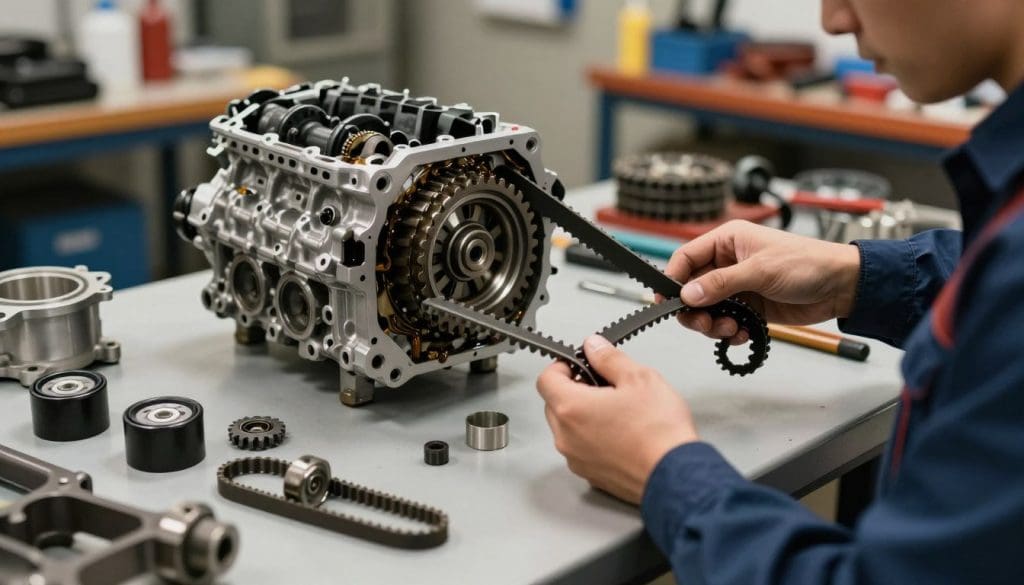
Replacing a single rubber belt is not enough for a full timing component service. When your mechanic opens the engine, they see many important parts that wear out together. Replacing them all at once saves money and avoids extra work later.
The Role of the Water Pump in Timing Service
The water pump often runs on the timing belt. If it fails soon after the belt is replaced, you’ll have to redo the whole job. It’s smart to replace the pump with the belt because it’s already exposed during the timing component service.
Doing this keeps your cooling system working well. It stops a coolant leak from ruining your new timing parts. This approach is cost-effective and gives you peace of mind for many miles.
Tensioners and Idler Pulleys Explained
The timing belt needs tensioners and idler pulleys to work right. These parts have bearings that wear out, just like the belt. If a pulley stops working, it can break the belt and damage your engine.
Replacing these parts during your timing component service makes sure the belt works well. A new tensioner keeps the belt tight and smooth, which helps your engine last longer. Think of these parts as a single system, not separate items.
| Component | Primary Function | Why Replace Together |
|---|---|---|
| Timing Belt | Synchronizes engine valves | Prevents total engine failure |
| Water Pump | Circulates engine coolant | Shares labor path and lifespan |
| Tensioner | Maintains belt pressure | Prevents belt slippage or snapping |
| Idler Pulley | Guides belt movement | Ensures smooth, quiet operation |
The Cost-Benefit Analysis of Preventative Maintenance
Timing is everything when it comes to car maintenance. Many people see routine maintenance as an extra cost. But it’s really a shield for your wallet. Neglecting your car can lead to a big repair bill that could have been avoided.
Knowing how your car works is key, even more so for interference engines. These engines have pistons and valves in the same space. If a timing part fails, these parts crash, causing major damage that might need a new engine.
Comparing Service Costs to Engine Replacement Costs
Looking at the numbers shows the value of maintenance. A timing service is a known cost that keeps your car running well for years. But waiting for a failure turns it into a big financial problem.
| Service Type | Estimated Cost | Risk Level |
|---|---|---|
| Routine Timing Service | Moderate | Low |
| Emergency Engine Repair | Very High | Extreme |
| Full Engine Replacement | Extremely High | Total Loss |
Long-Term Value of Proactive Vehicle Care
Investing in your car today has significant long-term benefits. A well-maintained car is reliable, so you won’t get stuck on the side of the road. It also adds value when you sell or trade it in.
Proactive care means you can enjoy driving without worrying about engine problems. By servicing your interference engine before it fails, you get peace of mind. Here are the main benefits of regular maintenance:
- Enhanced Reliability: Your car will start and run every day without fail.
- Higher Resale Value: A car with a good maintenance history sells for more.
- Avoidance of Stress: You won’t have to deal with the stress and hassle of sudden breakdowns.
In the end, preventing problems is cheaper than fixing them. Taking charge of your maintenance schedule is the best way to protect your investment and keep your car running for years.
Common Misconceptions About Timing Belt Longevity
Many drivers think their timing belt will last as long as the car. This belief comes from not understanding how rubber parts wear out. Ignoring the reality of material fatigue can cause the engine to fail suddenly.
Debunking Myths About Belt Durability
Some think a quiet engine means the belt is fine. But, rubber parts can weaken long before they look worn. Internal wear is invisible to the eye during a quick check.
Another myth is that modern belts can’t break. While they’re made better, they’re not invincible. You should see the timing belt as a consumable maintenance item, not a permanent part.
Why You Should Not Wait for the Check Engine Light
Many wait for a dashboard light before getting service. But, timing belt systems often don’t have sensors. By then, the engine might already be damaged.
A timing belt can break without warning. Relying on your car’s computer for alerts is risky and can lead to high repair costs. Stick to your car’s recommended service schedule to protect your engine.
Selecting the Right Parts for Your Vehicle
When you need a timing belt replacement San Antonio, the quality of parts is key. Your engine needs precise timing to work right. Cheap parts can cause it to fail early. Choosing wisely today saves you money in the long run.
OEM Versus Aftermarket Timing Components
OEM parts are made by the same team that built your car. They fit perfectly and meet factory specs. They cost more, but they’re reliable.
Aftermarket parts are cheaper and more available. Some are as good as OEM, but others might be cheaper by using lower quality materials. Always check with a pro to make sure they fit your car.
| Feature | OEM Parts | Aftermarket Parts |
|---|---|---|
| Compatibility | Perfect factory fit | Varies by brand |
| Quality | Strict standards | Ranges from low to high |
| Warranty | Manufacturer backed | Varies by retailer |
Ensuring Quality Standards for Your Engine
Quality is essential for your engine’s timing. Cheap parts can cause big problems if they break. Always choose durability and precision over saving money.
When getting a timing belt replacement San Antonio, ask about the parts. Good shops use top-quality materials. This keeps your car safe and running well.
The Impact of Driving Habits on Component Life
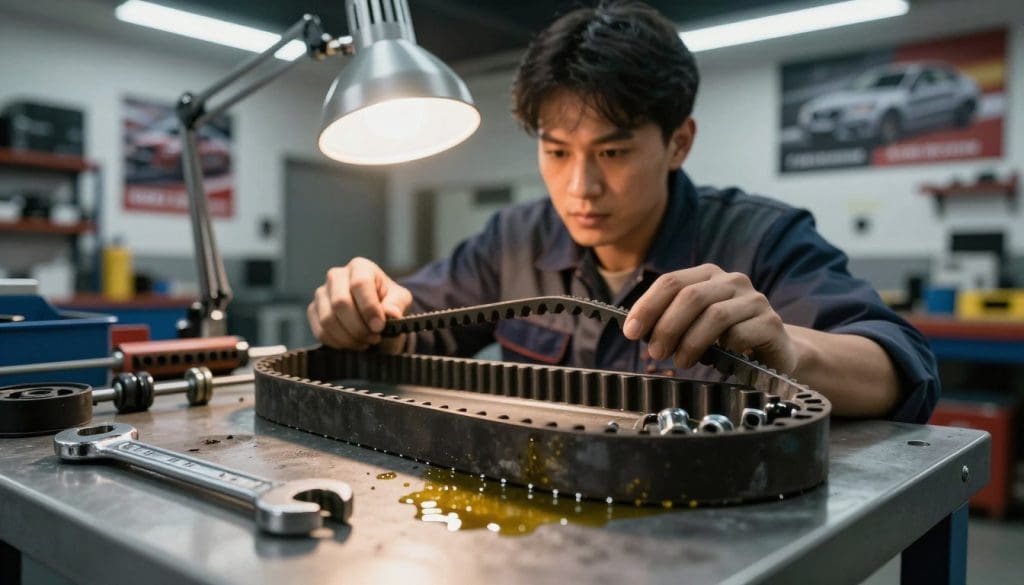
Driving habits play a big role in when you need a timing component service. While car makers give mileage tips, your habits and where you drive can mean you need service sooner.
Stop-and-Go Traffic and Its Effect on Wear
Driving in heavy city traffic is tough on your engine. It idles a lot and goes through heat cycles often. Even when stopped, the engine keeps running, stressing the timing belt and pulleys.
This constant friction speeds up wear on rubber parts. If you’re stuck in traffic a lot, you might need to get your timing component service sooner to avoid breakdowns.
How Extreme Heat Accelerates Rubber Degradation
High temperatures break down rubber faster. When it’s hot outside and your engine is hot too, the belt gets brittle and cracks.
Proactive maintenance is key in hot areas. Watching your engine closely helps avoid damage from the heat.
| Driving Condition | Impact on Belt | Service Urgency |
|---|---|---|
| Heavy City Traffic | High Idling Wear | High |
| Extreme Heat | Material Brittleness | Critical |
| Highway Driving | Consistent Tension | Moderate |
Adjusting your timing component service based on your driving can save your engine. Knowing how your driving affects your car helps keep it running well for a long time.
Safety Protocols During Engine Maintenance
When you open the hood for engine work, safety is key. Automotive repair has big parts, high-pressure systems, and sharp edges. These can hurt you if not handled right. Sticking to safety rules keeps you and your car safe.
Protecting Your Engine During Complex Repairs
Complex repairs mean getting deep into the engine block. If your car has an interference engine, mistakes are very risky. A wrong move during timing part replacement can cause big problems.
Precision is the only way to keep the engine’s timing right. Using the right tools and following the maker’s torque steps is key. This prevents bolts from breaking or parts from moving wrong. It helps avoid big damage that can turn a simple job into a major fix.
Why Professional Diagnostics Are Essential
Today’s cars have complex computer systems for engine control. Professional diagnostics help find hidden problems that you can’t see. These tools show the engine’s health before starting any work.
Professional diagnostics are very important for interference engines. Experts use special software to check timing and sensor data. This makes sure the engine works as it should. Choosing professional service keeps your car safe and reliable for many years.
Current Trends in Automotive Engine Design
Engine design is changing to focus on power and saving fuel. Engineers work hard to cut down on friction and boost efficiency. These changes affect how your car drives.
How Manufacturers Are Changing Timing Systems
Recently, the use of timing chains has become more common. These metal chains replace old rubber belts. They last longer and work better under stress.
Manufacturers like them because they fit with modern, high-power engines. Here are some key trends:
- Using lighter, stronger alloys to cut down on weight.
- Adding variable valve timing systems that need precise timing chain timing.
- Creating advanced lubrication channels to help metal parts last longer.
What Future Vehicle Owners Need to Know
Knowing about these changes helps you take better care of your car. Even though these systems are durable, they need regular maintenance. Always follow your car’s service schedule to avoid damage.
Being aware of your engine’s needs is key to protecting your investment. Proactive care is the best way to avoid expensive repairs. By keeping up with these advancements, your car will stay reliable for many years.
Why Heaven Automotive Is Your Trusted Local Expert
At Heaven Automotive, we get how complex modern engines are. Our team is all about giving reliable solutions for those who want the best and safest drive. We treat every car like it’s our own, making sure your engine gets the best care.
Our Commitment to Quality Service in San Antonio
We’re proud of our timing belt chain service, needing top-notch skill. Our techs use the latest tools to keep your engine in perfect sync. Choosing us means you get premium-grade components that meet or beat the maker’s specs.
Need a simple check-up or a big fix? Our shop is all about being upfront. We think clear talk is key to a great customer experience. When you pick us for your timing belt replacement San Antonio needs, you’re choosing a team that cares about your car’s future.
Visit Us at 6645 Poss Rd. San Antonio, TX 78238
We make service easy. Our place is at 6645 Poss Rd. San Antonio, TX 78238. It’s easy to get to, so you can get back to your day without waiting.
Contact Our Team at (210) 682-3898
Don’t let a small problem turn into a big engine issue. Call our pro team at (210) 682-3898 to book your next visit. We’re here to answer your questions and guide you on your car’s care.
| Service Feature | Heaven Automotive | Standard Shop |
|---|---|---|
| Technical Expertise | Certified Specialists | General Mechanics |
| Part Quality | OEM/High-Grade | Generic Aftermarket |
| Warranty Coverage | Comprehensive | Limited |
| Customer Support | Personalized | Automated |
Conclusion
Your car needs everything to work together perfectly to run well. If you ignore your timing system, you risk big problems like expensive repairs or even engine failure. Taking care of your car ahead of time is always the best choice.
Experts know how to keep your engine in top shape. By choosing professional help, you make sure your car is well-maintained. This way, your car stays reliable and avoids common issues from bad maintenance.
San Antonio’s tough weather demands a reliable car. At Heaven Automotive, we have the skills to keep your engine running great. Come visit us at 6645 Poss Rd. San Antonio, TX 78238 to talk about your car’s needs.
Make sure your car stays in good shape by getting it checked by our team. Call our service department at (210) 682-3898 to set up a time. We’ll take care of the technical stuff, so you can drive worry-free.