

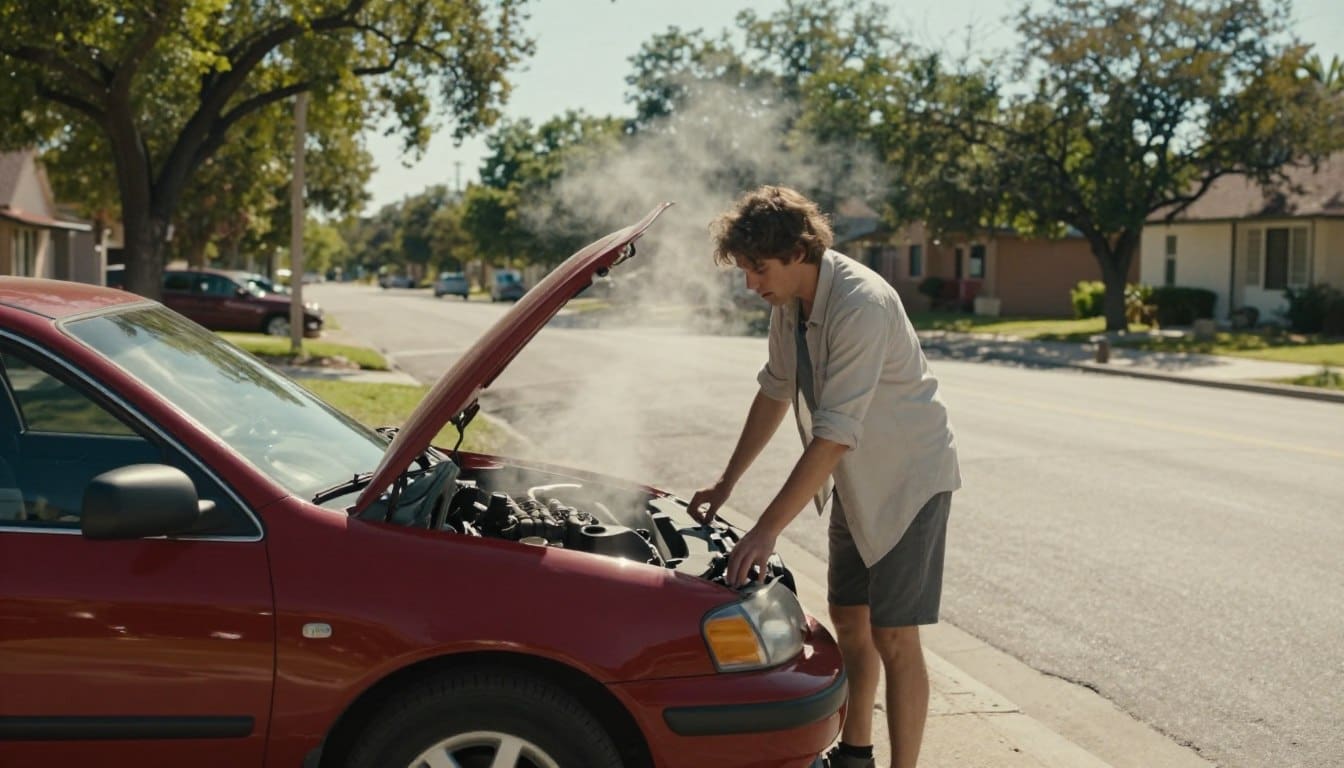
Driving in San Antonio’s summer heat is tough on your car. The high temperatures often cause car overheating San Antonio drivers face during the hottest months.
Knowing why your engine struggles in the heat is key to avoiding expensive repairs. If your cooling system fails, you might end up stuck on the side of the road.
Many people don’t know that extreme weather is a big reason for car overheating texas residents face every year. Keeping your cooling system in good shape helps it work well, even when it’s very hot.
If you’re having trouble, Heaven Automotive is here to help. You can visit us at 6645 Poss Rd. San Antonio, TX 78238 or call (210) 682-3898. We’re ready to assist you safely through the summer.
Key Takeaways
- High temperatures significantly increase the risk of engine cooling failure.
- Regular maintenance is essential to prevent long-term mechanical damage.
- Watch your dashboard temperature gauge closely during hot summer days.
- Heaven Automotive provides expert support for local cooling system issues.
- Always keep your coolant levels topped off to ensure optimal performance.
The Reality of Car Overheating Texas Heat Waves
In San Antonio, your car battles extreme heat every day. It’s not just about keeping cool with the air conditioner. The real fight is happening under the hood, where car overheating texas is a big problem during the hottest months.
Rising Temperatures in San Antonio
Most cars are built to run well between 195°F and 220°F. But in South Texas, the heat often pushes them too far. When it’s very hot outside, your car’s cooling system has a tough time keeping up.
This makes your car work harder to stay cool. If it’s not ready for the heat, it can break down quickly. Staying proactive is key to keeping your car running well all summer.
How Extreme Heat Impacts Engine Performance
When your engine hits 230°F, you’re in trouble. At this point, the risk of serious engine damage is high. You need to watch your dashboard gauges closely to avoid overheating.
Running too hot can damage your engine’s parts. Knowing how car overheating texas affects your car is important. By spotting problems early, you can protect your engine from the summer heat.
Understanding the Mechanics of Your Cooling System
Every time you drive, a complex series of components works together to keep your engine cool. This network is designed to dissipate heat away from the engine block efficiently. When it works right, your vehicle stays cool even on the hottest Texas afternoons.
The Role of the Radiator
The radiator is the main heat exchanger in your vehicle. Hot fluid from the engine goes into it to cool down. Efficient airflow is key here, as it helps the fluid cool before it goes back to the engine block.
Coolant Circulation and Thermostat Function
Your engine needs a steady flow of fluid to run safely. The water pump pushes this liquid through the system. The thermostat controls this flow, keeping the engine at the right temperature.
If the thermostat fails or the flow is blocked, the engine will overheat quickly. Keeping these parts in good shape is essential for your engine’s long-term health. Below is a table showing the main parts that keep your engine running smoothly.
| Component | Primary Function | Maintenance Need |
|---|---|---|
| Radiator | Dissipates heat from fluid | Check for debris |
| Water Pump | Circulates coolant flow | Inspect for leaks |
| Thermostat | Regulates temperature | Replace if stuck |
| Cooling Fan | Increases airflow | Test motor function |
Common Causes of Car Overheating San Antonio Drivers Face
Your car’s cooling system works hard in San Antonio’s hot summers. Even small problems can cause car overheating in San Antonio. Knowing these common issues can help you avoid breakdowns.
Low Coolant Levels and Leaks
A coolant leak is often the main reason for overheating. If coolant levels get too low, the system can’t cool the engine. You might see bright colors under your car or smell something sweet while driving.
Ignoring these signs can cause more damage. Always check your coolant levels. Fixing a leak quickly stops the engine from overheating.
Broken Cooling Fans
Your cooling fan is key when your car is idling or moving slowly. If the fan motor or electrical relay breaks, the radiator can’t cool the liquid. This causes the temperature gauge to rise quickly when you’re stopped.
Faulty Water Pumps
The water pump is the cooling system’s heart, circulating coolant. If it fails, coolant stops moving. This leads to car overheating in San Antonio. A high-pitched whine from the front of your engine means the pump needs a check-up.
Identifying the Warning Signs of an Overheating Engine
Spotting early signs of an overheating engine can save you from big repairs. Your car tells you it’s okay through small changes. Stay alert while driving to catch these signs before they get worse.
Dashboard Warning Lights and Gauges
Watching your dashboard is key to keeping an eye on engine temperature. Most cars have a temperature gauge that turns red when it gets too hot.
If a warning light comes on, stop as soon as it’s safe. Not paying attention to these lights can lead to expensive engine damage.
Steam and Unusual Odors
Before the gauge shows trouble, your senses might warn you. Steam from under the hood means your cooling system is in trouble.
A sweet, syrupy smell inside or out is another sign. It means coolant is leaking, which keeps your engine from cooling down right.
Performance Sluggishness
When your cooling system fails, your car’s performance drops. You might feel like your car is slow or hard to start.
A heater that blows cold air is another sign. This means coolant isn’t moving through the heater core, which is a big warning for your engine.
Immediate Steps to Take When Your Car Overheats
When your car starts to overheat, acting fast is key to protect your engine. Acting quickly helps avoid serious damage or expensive fixes. If the temperature gauge goes up, it’s time to act fast for your safety and your car’s health.
Pulling Over Safely
Spot the warning signs and pull over safely. Use your turn signal to warn others. Getting off the road fast eases the engine’s stress and keeps you safe from traffic.
Turning Off the Engine
After pulling over safely, turn off the engine right away. This stops the engine’s heat and lets the cooling system work. Patience is essential here, as the engine needs time to cool down naturally.
Avoiding the Radiator Cap Hazard
Don’t open the radiator cap while the engine is hot. The cooling system is under extreme pressure, and opening it can cause serious burns. Wait at least thirty minutes before touching the cap to let it cool down.
| Action Step | Primary Goal | Safety Level |
|---|---|---|
| Pull over immediately | Reduce engine load | High |
| Turn off ignition | Stop heat generation | High |
| Wait 30+ minutes | Release pressure safely | Critical |
| Check coolant levels | Identify possible leaks | Moderate |
The Dangers of Ignoring Overheating Symptoms
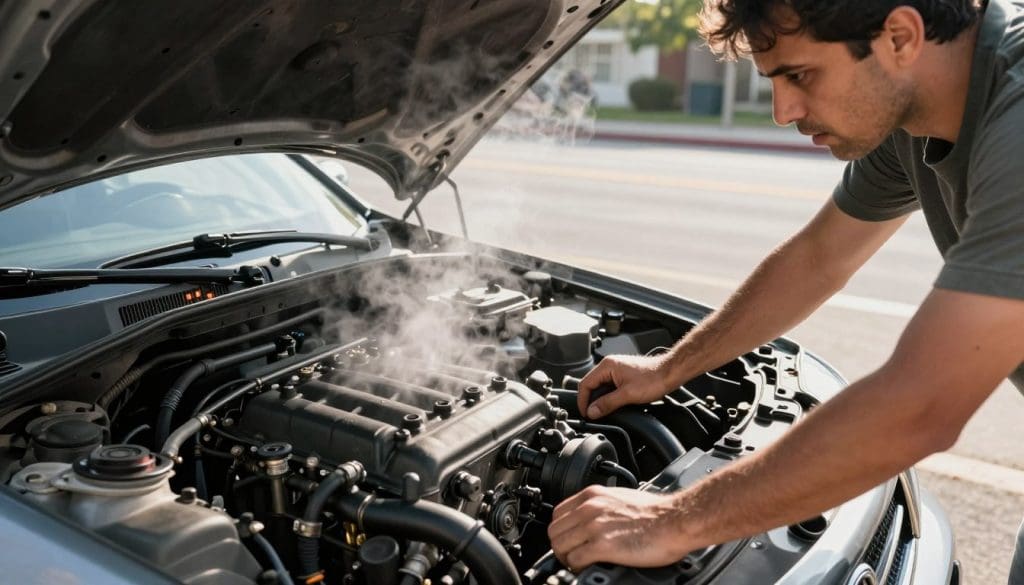
When your engine gets too hot, every mile you drive increases the risk of damage. Many drivers think the problem will fix itself. But, heat is a relentless force that quickly damages metal parts. Driving on, hoping for the best, often leads to a huge catastrophic repair bill.
Potential Engine Block Damage
The engine block is the heart of your car. It’s not made to handle extreme heat. When it gets too hot, the metal can warp or crack under the pressure. This usually means you’ll need to rebuild or replace the entire engine.
When the block is damaged, the engine’s cylinders lose their strength. You might notice a big drop in power or hear distressing knocking sounds from the hood. Fixing the heat problem right away is cheaper than fixing a ruined engine.
Head Gasket Failure Risks
A common and expensive problem from overheating is a blown head gasket. This seal keeps coolant and oil separate. When the engine gets too hot, the gasket can fail completely, causing serious damage.
A failed head gasket can make your exhaust smoke white and lose coolant fast. Ignoring these signs can cause irreversible damage to pistons and valves. It’s better to stop and get help than risk losing your car’s vital parts.
Cooling System Repair Essentials for Texas Vehicles
In San Antonio, your car’s cooling system is key when it’s hot. It’s not just about adding coolant. Getting cooling system repair from pros keeps your car running well in the heat.
Flushing the Cooling System
Your coolant gets old and can’t protect your engine anymore. Flushing it is a must for cooling system repair. It gets rid of bad stuff and old coolant.
This makes your radiator work better and keeps your engine cool. We use top-notch parts and offer a 1-year parts and labor warranty. This makes you feel secure.
Replacing Worn Hoses and Belts
The Texas heat is tough on your car’s rubber parts. Hoses and belts can break easily, causing big problems. It’s important to check and replace them often.
Fixing these issues before they fail saves you from big headaches. Proactive maintenance is cheaper than fixing a broken engine. Letting experts handle these repairs keeps your car running smoothly all summer.
Preventative Maintenance Strategies for San Antonio Summers
Beat the Texas heat by taking care of your car. Consistent care helps avoid engine overheating. Small tasks keep your car running well all season.
Regular Coolant Level Checks
Checking coolant levels is key to engine protection. Make sure the fluid is at the right level. Our team does pressure tests and checks temperatures to catch problems early.
If coolant levels drop often, it might mean a leak. Fixing small issues early saves money on big repairs. Always check the engine when it’s cool before adding fluid.
Inspecting Radiator Fins for Debris
Your radiator needs airflow to cool the engine. Debris like leaves can block the fins. This makes your cooling system work too hard.
Check the front of your car for dirt regularly. Keeping it clean helps your cooling system work better. Here’s a list of important maintenance tasks for a cool car.
| Maintenance Task | Frequency | Primary Benefit |
|---|---|---|
| Coolant Level Check | Monthly | Prevents overheating |
| Radiator Inspection | Every 3 months | Ensures airflow |
| Pressure Testing | Annually | Detects hidden leaks |
| Hose Examination | Bi-annually | Avoids sudden bursts |
The Impact of Stop-and-Go Traffic on Engine Temperature

Stop-and-go driving can reveal weaknesses in your car’s heat management. When stuck in traffic, your car can’t get the airflow it needs. This often leads to overheating Texas heat problems that can harm your engine.
Why Idling Increases Heat Stress
Idling makes your engine rely on the cooling fan for air. If the fan is not working right, the engine temperature rises fast. This is a common sign of cooling system failure seen in traffic jams.
Without the breeze from driving, engine heat has nowhere to escape. Proper fan function is key to keep the temperature gauge from rising while waiting for traffic to move.
Managing Engine Load During Peak Traffic
Try to avoid idling when you can. If you’ll be stopped for a while, turning off your engine helps your cooling system. Being mindful of your engine load helps protect it from overheating Texas heat.
If your car has trouble keeping a steady temperature while idling, it needs a check-up. Fixing these small issues early can save you from big repairs. Reliable cooling performance is essential for driving in San Antonio’s busy streets.
Choosing the Right Coolant for Your Vehicle
Protecting your engine from Texas heat needs more than water. You need the right coolant. Choosing the right fluid is vital for your engine’s health and cooling system’s efficiency. The wrong coolant can cause corrosion or fail to manage heat during hot summer days.
Understanding Manufacturer Specifications
Check your owner’s manual for the coolant type your engine needs. Manufacturers design cooling systems for specific coolants. These coolants protect against rust on aluminum and iron. Never assume all coolants are the same, as the wrong one can harm your engine.
If you’re not sure, go to a local parts store or a professional shop. They can confirm the right coolant for your vehicle. Following these guidelines keeps your cooling system running well, no matter the temperature.
The Importance of Proper Coolant-to-Water Ratios
Getting the coolant and water mix right is key. A 50/50 mix is usually recommended for most cars. It balances freezing protection and heat transfer. Wrong ratios can cause poor heat dissipation, stressing your water pump and radiator.
Also, watch your cooling system’s condition. A coolant leak is a big deal, not just for your car but also for the environment. The sweet smell of coolant can attract kids, pets, and wildlife, leading to poisoning.
If you see coolant under your car, fix the coolant leak right away. It’s good for your engine and the planet. Keeping your system sealed and filled ensures your car stays reliable.
Professional Diagnostics vs. DIY Repairs
When your engine temperature gauge goes up, you have a big decision to make. You can try to fix it yourself or call a certified mechanic. Modern cooling systems can be tricky, and simple fixes might not solve the problem.
It’s important to know when to ask for help. This can save you a lot of time and stress.
When to Seek Expert Assistance
If your car keeps overheating, even after basic checks, it’s time to call a pro. Expert technicians have skills that are hard to match at home. They charge for diagnosis separately to keep things clear.
This way, you get a fair and honest look at your car’s health. Technicians can focus on finding the real problem without rushing. This gives you a clear roadmap for any repairs needed.
The Risks of Improper Cooling System Maintenance
Trying to guess what’s wrong can lead to spending too much money. You might replace a thermostat, only to find the real issue is a water pump or leak. Professional technicians use special tools to find the exact problem.
Fixing complex issues without the right tools can damage your engine. Precision is key when working with pressurized systems. Getting help from experts ensures the job is done right, keeping your car running well for years.
How Heaven Automotive Supports San Antonio Drivers
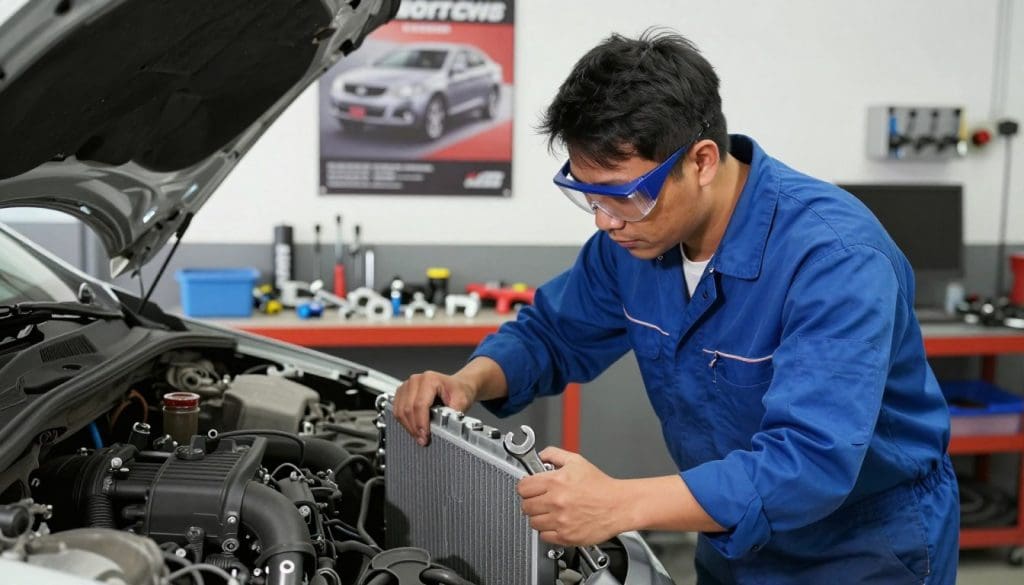
When the Texas sun gets too hot, Heaven Automotive is here to help. We know driving in San Antonio is tough on your car. Our goal is to keep your vehicle running smoothly, no matter the temperature.
Expertise in Local Climate Challenges
Our techs know how heat affects cars in our area. They focus on preventative care to avoid breakdowns. This way, you won’t get stuck on the side of the road.
We adjust our checks to fit South Texas’s unique weather. This helps us catch problems early. You can count on us for honest advice that keeps you safe and your car running long.
Comprehensive Cooling System Services
We provide top-notch cooling system repair services. From radiator leaks to water pump failures, we’ve got you covered. Our work is reliable all year round.
Need help? Visit us at 6645 Poss Rd. San Antonio, TX 78238. Or call (210) 682-3898 to book your next service. We’re your go-to for car care in San Antonio.
| Service Task | Importance Level | Recommended Frequency |
|---|---|---|
| Coolant Flush | High | Every 30,000 Miles |
| Hose Inspection | Critical | Every Oil Change |
| Cooling System Repair | Essential | As Needed/Annually |
| Water Pump Check | High | Every 60,000 Miles |
Preparing Your Vehicle for Seasonal Temperature Shifts
Even when summer’s heat fades, your engine needs careful attention. The extreme temperatures push cooling components to their limits. Taking the time to inspect your vehicle now can prevent small issues from becoming major failures.
Transitioning from Summer to Fall Maintenance
The transition period between seasons is perfect for a thorough checkup. Look for signs of wear on hoses, belts, and seals that may have become brittle. Identifying these hidden weaknesses early lets you replace parts before they fail.
Don’t think cooler weather means your cooling system is safe. Summer damage can show up as leaks or slow performance when it gets cooler. A professional inspection ensures your radiator and water pump are ready for the months ahead.
Long-term Reliability Tips
Regular maintenance is key to avoiding expensive repairs and keeping your vehicle reliable for years. Cooling system problems can lead to transmission overheating and other issues. Keeping your fluids clean and your system pressurized protects your investment.
Follow the schedule below to keep your vehicle in top condition throughout the changing seasons.
| Maintenance Task | Summer Focus | Fall Focus | Frequency |
|---|---|---|---|
| Coolant Level Check | High Priority | Verification | Monthly |
| Hose Inspection | Leak Detection | Brittle Check | Quarterly |
| Radiator Cleaning | Debris Removal | Corrosion Check | Bi-Annually |
| Belt Tension | Heat Stress | Wear Analysis | Annually |
By staying diligent with these tasks, your car will handle temperature shifts easily. Reliability is built through consistent care instead of reactive repairs. Trusting your vehicle to perform starts with the steps you take today.
Conclusion
Keeping your car in good shape is key to reliable transportation. By watching your cooling system, you can make your engine last longer. This way, you avoid the hassle of sudden breakdowns on the road.
Ignoring small problems can lead to big issues. You should feel safe driving in San Antonio’s heat. Fixing things now saves you from costly repairs later.
Heaven Automotive is here to help with your cooling system needs. Visit us at 6645 Poss Rd. San Antonio, TX 78238. Call (210) 682-3898 to book your next check-up. Keep your car running smoothly all year.