


When you walk into an auto shop, you might feel lost with all the technical terms. You should know what you’re paying for before any work starts. Getting a car repair estimate explained clearly is the first step to feeling confident.
This guide will help you understand auto billing and service documents. By learning to read these forms, you can avoid unnecessary stress and make smart choices about your car’s health. We aim to make this process clear so you can talk easily with your service advisor.
Knowing how to read these papers lets you find any problems and check if the work is really needed. Soon, you’ll be able to review your bill clearly and without worry.
Key Takeaways
- Learn to identify the difference between parts costs and labor fees.
- Understand how to spot unnecessary services before you approve them.
- Gain the confidence to ask your service advisor the right questions.
- Discover how to verify that the work performed matches the initial quote.
- Protect your budget by mastering the language of automotive billing.
The Importance of Having Your Car Repair Estimate Explained
When you drop your vehicle off at the shop, the document you receive is more than just a list of parts. Getting your car repair estimate explained is key to keeping things clear between you and your service provider. It makes sure you know what you’re paying for before any work starts.
A written estimate is like a formal agreement that keeps you safe from surprise costs. It’s vital whether you need a simple oil change or a big engine fix. It’s even more important for insurance claims, where you need proof of the work done.
Don’t accept vague verbal quotes when you can have a detailed document. Relying on a spoken promise can lead to confusion or arguments later. When you understand your car repair estimate in detail, you can make better choices for your car’s care.
| Feature | Verbal Quote | Written Estimate |
|---|---|---|
| Legal Protection | None | High |
| Clarity of Costs | Low | High |
| Insurance Ready | No | Yes |
| Accountability | Difficult | Clear |
In the end, a clear shop will always explain each part of your car repair estimate. If you’re unsure about anything, ask for more details. Your peace of mind is worth the time to review the details carefully.
Understanding the Anatomy of a Standard Repair Quote
Learning about a auto repair estimate can help you manage your car’s maintenance costs. A repair quote is like a contract that shows what your car needs. Knowing how it’s set up can make you feel more in control when you visit the shop.
Understanding car repair quote layouts is key for car owners. It lets you quickly check if the shop is fixing the right problems for your car. This knowledge helps you avoid any surprises about the work being done.
Breaking Down the Header Information
The top part of your document has important details. You should see the shop’s name, address, and how to contact them. It also has the date of your visit and a unique estimate number.
Make sure your contact info is right to avoid any mix-ups. Accuracy in the header is important if the service advisor needs to call you. Also, check that the document clearly states the problem or service you need.
Identifying the Vehicle Identification Number and Mileage
Every auto repair estimate must have your car’s 17-character VIN. This code lets the technician get the right parts for your car. Without the correct VIN, there’s a chance of getting parts that don’t fit.
The current mileage is also key for your car’s records. It helps the shop keep track of your car’s maintenance history. Understanding car repair quote details means knowing these numbers are vital for your car’s health.
Decoding Parts and Labor Costs
Every auto repair estimate has two main parts: the cost of parts and the time to install them. These parts and labor costs are the heart of your bill. Remember, extra costs can pop up if a technician finds more damage than expected.
How Shops Calculate Labor Rates
Repair shops use standard time guides to figure out their charges. These guides give an estimated time for tasks based on a tech’s experience. Efficiency is key, making sure you’re charged fairly for the time needed.
The hourly rate can change based on where you are and the repair’s complexity. If a tech finds seized bolts or hidden rust, the job might take longer than expected. That’s why it’s important for shops to be clear about parts and labor costs.
Distinguishing Between OEM and Aftermarket Parts
When you look at your quote, you’ll see a choice between OEM and aftermarket parts. OEM parts are made by the car’s maker, ensuring a perfect fit and quality. Aftermarket parts are made by other companies and are often cheaper.
Deciding between OEM and aftermarket parts depends on your needs and your car’s age. While OEM parts give you peace of mind, aftermarket parts can save money. Knowing the difference helps you manage your parts and labor budget better.
| Feature | OEM Parts | Aftermarket Parts |
|---|---|---|
| Compatibility | Guaranteed fit | Varies by brand |
| Cost | Higher price point | Generally more affordable |
| Warranty | Standard factory coverage | Varies by manufacturer |
| Quality | Matches original specs | Ranges from budget to premium |
In the end, finding the right balance between parts and labor quality keeps your car safe and reliable. Always ask your service advisor why they chose a certain part for your repair.
Navigating Diagnostic Fees and Shop Supplies
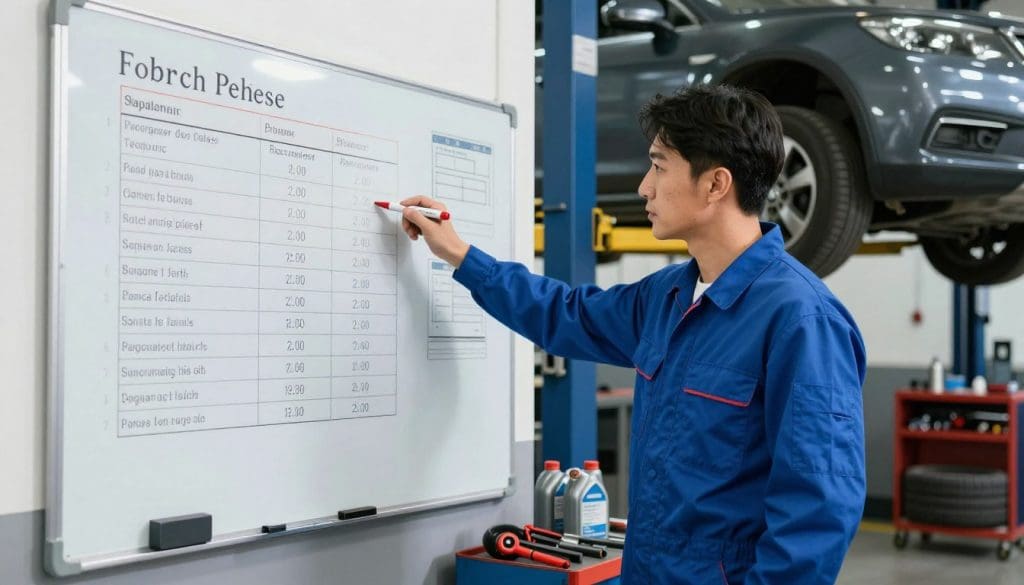
It’s important to understand the details on your invoice. While parts and labor are key, other items are vital for a complete service. This ensures you get a professional experience.
Why Diagnostic Fees Are Separate from Repair Costs
Diagnostic fees might seem like an extra cost. But they cover the specialized time and advanced equipment needed to find the problem. This is a unique service that happens before any repairs start.
Technicians spend hours using complex systems to diagnose issues. This work is billed separately from part replacements. It’s a distinct service that requires expertise.
What Are Shop Supplies and Why Are They Charged
Shop supplies are materials used during repairs that aren’t specific to one part. They keep your car clean and safe during service.
Examples include:
- Cleaning solvents and degreasers for engine components.
- Shop rags and specialized paper towels.
- Lubricants and penetrating oils for seized bolts.
- Protective covers for your seats and steering wheel.
When looking at your understanding car repair quote, ask your service advisor about these fees. Find out how long the repair will take and what warranties are included. Being open about these details helps you trust the service you’re getting.
The Role of Taxes and Environmental Disposal Fees
When you get your repair cost San Antonio bill, you’ll see more than just parts and labor. There are government fees for taxes and environmental disposal. These costs are for following the law and keeping our planet safe. Knowing about them helps you understand the full cost of car care.
Understanding Local Tax Regulations in San Antonio
In Texas, auto repair shops must charge sales tax on parts and labor. These taxes are not extra fees. They are mandatory rules from state and local laws. Your estimate will show these taxes based on current rates in your area.
These taxes help fund local services and infrastructure. Remember, they are a standard part of the repair cost San Antonio people pay. Honest repair shops are clear about these taxes.
Why Disposal Fees Exist for Fluids and Tires
Today’s cars use hazardous materials like motor oil and coolant. When these are replaced, they can’t just be thrown away. Shops must pay for responsible collection and recycling to protect the environment.
Old tires also need special disposal to avoid illegal dumping. These fees cover the cost of using certified waste services. By paying these fees, you help keep our ecosystem safe and ensure waste is handled properly.
Identifying Necessary Repairs Versus Recommended Maintenance
Managing your vehicle’s maintenance budget is all about knowing the difference between urgent fixes and future care. When you look at a repair estimate, you’ll see both. It’s important to know which is which to make informed financial decisions and keep your car running well.
Prioritizing Safety-Critical Repairs
Repairs that affect your car’s safety are a top priority. Issues with your brake system, steering linkage, or suspension need to be fixed right away. Not doing so can be risky and might damage other parts of your car.
Think of these repairs as the base of your car’s health. Worn-out tires or brake pads increase the risk of accidents. Always put these first to keep you and your passengers safe.
Evaluating Preventive Maintenance Suggestions
Preventive maintenance helps your car last longer and avoid expensive repairs later. These tasks, like changing air filters or flushing cooling systems, don’t need to be done now but are important for your car’s future. Check your owner’s manual or talk to your service advisor to see when they’re needed.
Here’s a table to help you sort out what needs to be done:
| Category | Urgency Level | Impact |
|---|---|---|
| Safety-Critical | Immediate | High risk to driver and vehicle safety |
| Performance-Related | Moderate | Affects fuel economy and engine longevity |
| Preventive Maintenance | Scheduled | Ensures long-term reliability and value |
By balancing these, you can manage your budget well without hurting your car’s value. Consistent maintenance helps avoid big repair bills later.
How to Spot Inflated Estimates and Hidden Charges
Understanding an auto repair estimate needs careful attention. When you get a quote, the technical terms and long lists of parts can be confusing. But, taking time to review it can save you a lot of money and avoid extra work on your car.
Comparing Quotes Across Different Repair Facilities
Getting multiple quotes is a smart way to check if prices are fair. If you can, visit two shops to compare what they say your car needs. Consistency in quotes means the repairs are likely needed.
Watch out for a shop with a much higher quote without a good reason. While some shops might charge more for special labor, the main parts and time should be similar. Using a auto repair estimate from another shop can help you find the best deal.
Asking for Clarification on Vague Line Items
If you see unclear terms, ask your service advisor to explain. Phrases like “shop supplies” or “miscellaneous fees” need clear answers. You have the legal right to know what you’re paying for before agreeing to work.
A good mechanic will explain each item on your auto repair estimate. If a shop gets defensive when you ask questions, it’s a warning sign. A trustworthy shop is open and clear, and your peace of mind is worth it.
| Indicator | Fair Estimate | Inflated Estimate |
|---|---|---|
| Labor Hours | Matches industry standards | Excessive for the task |
| Parts Pricing | Competitive market rates | Significantly above MSRP |
| Line Item Detail | Clear and descriptive | Vague or bundled fees |
| Communication | Welcomes your questions | Avoids direct answers |
The Legal Rights of Vehicle Owners Regarding Estimates

Understanding the legal side of auto repair estimates helps you keep control over your car’s care. When you take your car to a shop, you enter a professional agreement with legal protections. Knowing your rights can save you from financial stress and keeps the service provider accountable.
Written Estimates Versus Verbal Agreements
Always ask for a written estimate before starting any work. Verbal agreements are hard to enforce if problems arise later. A written document clearly outlines the work and costs.
Getting a written quote protects you from surprise charges. If a shop won’t give you a written document, it’s a big warning sign. You have the right to clear, documented services for your car.
- Make sure the document lists parts and labor clearly.
- Check that the shop has your signature or digital okay.
- Keep a copy of the estimate in your glove box for easy access.
What Happens When Repairs Exceed the Original Quote
Repairs might uncover hidden problems not seen at first. But, a good shop must get your okay for extra costs over a certain amount. They must contact you and get clear permission for any extra charges.
Don’t rush into extra work without knowing why it’s needed. You can ask for a new estimate and decide later. The table below shows what you should expect from your service facility.
| Scenario | Shop Responsibility | Your Right |
|---|---|---|
| Cost increase under 10% | Notify you of the change | Request a written update |
| Major unexpected repair | Provide a new estimate | Approve or decline the work |
| Parts availability delay | Inform you of timeline | Seek alternative solutions |
Talking openly with your service advisor helps in these situations. If a shop seems to be breaking the rules, ask for a manager or get a second opinion. Your vehicle is a big investment, and you should get clear information at every step.
Common Terminology Used in Auto Repair Estimates
Understanding your car repair estimate starts with knowing common terms. Shops use short forms to save space, but this can confuse you. Learning these terms helps you talk about your car’s needs with any service advisor.
Defining Technical Acronyms and Shop Jargon
Repair quotes use abbreviations for parts and procedures. Knowing these acronyms lets you see where your money goes for parts and labor.
- OEM: Original Equipment Manufacturer parts, made by your car’s maker.
- R&I: Remove and Install, used when a part is removed to access another area.
- Diag: Short for diagnostic time, the labor to find a mechanical issue’s cause.
- A/M: Aftermarket parts, made by other companies and often cheaper.
Understanding Warranty Terms on Parts and Labor
When you get repairs, you want them to last. Reputable shops offer warranties for parts and labor.
It’s important to know if the warranty is limited or comprehensive. A standard warranty lasts a certain time, like 12 months or 12,000 miles. Make sure the shop’s warranty is honored at other locations if you travel a lot.
Keep your final invoice safe. It proves your service and is needed for warranty claims on parts and labor in the future.
The Impact of Vehicle Age and Condition on Repair Costs
The age and condition of your vehicle greatly affect the repair cost San Antonio drivers face. As your car gets older, its parts wear out, making repairs more complex. Knowing this helps you budget better for your car’s needs.
Why Older Vehicles Often Require More Extensive Diagnostics
Older cars need more time for diagnosis because their parts are often worn. Technicians must do extra tests to find the real problem. This extra time is necessary to find the cause, not just the symptoms.
Getting to parts in older engines can be tough due to tight spaces and worn-out parts. Mechanics spend more time carefully removing parts to reach the problem area. This increases labor costs, which is common for long-term car maintenance.
The Reality of Rust and Seized Components
Rust is a big problem for older cars, making bolts and fasteners hard to remove. Simple repairs can turn into big jobs if parts are stuck. These unexpected hurdles make the job take longer, raising the repair cost.
These issues aren’t about bad workmanship but the natural wear of an older car. Knowing this helps you budget better. The table below shows how car condition affects service costs.
| Service Factor | Newer Vehicle | Older Vehicle |
|---|---|---|
| Diagnostic Time | Minimal | Extended |
| Component Access | Straightforward | Complex |
| Fastener Condition | Clean/Easy | Corroded/Seized |
| Repair Cost San Antonio | Standard | Variable |
How Technology Has Changed the Repair Estimate Process
Gone are the days of handwritten notes on greasy paper. Modern car tech has changed how we get and look at repair estimates. Now, it’s all much more user-friendly.
These new tools aim to build trust and help you understand your car’s needs better. Digital tools make it possible to offer clarity that was hard to get before.
Digital Inspections and Photo Documentation
Many shops now use digital vehicle inspections. Technicians take clear photos or videos of your car’s parts, like brake pads or leaks. They send these to your phone.
This way, you can see what the technician sees. Seeing the problem firsthand makes you feel more sure about the repairs.
The Shift Toward Transparent Online Quoting Systems
Online quoting systems make it easy to review estimates from home. You don’t have to rush to decide at a service counter anymore.
These systems let you approve or decline repairs with just a click. This transparent approach keeps you in charge of your budget and car’s care.
| Feature | Traditional Estimates | Digital Estimates |
|---|---|---|
| Communication | Verbal or Paper | Email or App |
| Visual Proof | None | Photos and Videos |
| Review Process | In-person only | Remote access |
| Approval Speed | Slow | Instant |
Evaluating the Reputation of Your Repair Facility

Choosing the right mechanic means looking beyond the cost. A detailed estimate is important, but the skill of the mechanic is key. You want to know your car is in good hands.
Checking Certifications and Technician Training
Professional certifications are a quality benchmark in the auto world. Look for shops with ASE-certified technicians. These experts pass tough exams to show they know their stuff.
Also, ask if the team has brand-specific training for your car. Modern cars need special tools and software. A shop that keeps its team up-to-date is more likely to fix your car right.
The Value of Local Reviews and Community Trust
What others say can mean a lot. Check online to see what people in your area think. Good feedback about transparency and communication shows a reliable shop.
Word of mouth is powerful. Ask neighbors and friends about their experiences. Shops with strong community ties usually care more about customer happiness.
| Indicator | High-Quality Shop | Warning Sign |
|---|---|---|
| Technician Status | ASE Certified & Trained | No verifiable credentials |
| Communication | Clear, detailed updates | Vague or dismissive answers |
| Customer Feedback | Consistent positive reviews | Frequent complaints on service |
| Facility Standards | Clean, organized workspace | Disorganized and cluttered |
When to Seek a Second Opinion on Your Estimate
Your gut feeling about an auto repair estimate is very important. If a quote seems off or unclear, you don’t have to act right away. Getting a second opinion is a smart move to protect your money and your car’s health.
Signs That a Quote Might Be Misleading
Be cautious if a shop pushes for expensive work without explaining it well. A good auto repair estimate is clear and easy to understand. If the service advisor uses unclear language or can’t explain the problem, it’s time to think twice.
Be careful of shops that suggest repairs that don’t seem related to your problem. Feeling rushed or pushed into a decision is a red flag. A reliable shop will always answer your questions and give you time to decide.
Communicating Your Concerns to the Service Advisor
If you’re unsure, speak up and be clear. Ask the advisor to show you the damaged parts or explain each repair on your auto repair estimate. You might say, “I’d like to know why this repair is needed now.”
If you’re not satisfied with the answers, ask for a copy of the estimate and tell them you need time. You can always get a second opinion from another shop. This way, you make a choice based on facts, not pressure.
| Indicator | Red Flag Behavior | Professional Standard |
|---|---|---|
| Communication | Vague or dismissive | Detailed and patient |
| Pressure | High-pressure sales tactics | Respects your decision time |
| Documentation | Handwritten, messy notes | Clear, itemized printout |
| Transparency | Hides old parts | Offers to show damaged parts |
The Benefits of Building a Relationship with a Local Mechanic
Choosing a local repair shop for your car’s needs is more than just oil changes. It means your car is in good hands. This partnership helps you keep your repair cost San Antonio drivers worry about down.
Long-Term Savings Through Consistent Maintenance
Regular car care extends your vehicle’s life. Catching small problems early saves you from big, costly repairs later. Proactive care is cheaper than emergency fixes.
A trusted mechanic knows your car’s needs over time. They’ll tell you when services are due, avoiding urgent problems. This keeps your repair cost San Antonio budget steady all year.
Personalized Service at Heaven Automotive
At Heaven Automotive, we offer personalized car safety. Located at 6645 Poss Rd. San Antonio, TX 78238, our team learns your car’s history. We give advice that keeps your car running well for years.
Working with a team that knows you means getting expert recommendations for your life. Call us at (210) 682-3898 to see the local partnership difference. We aim to keep your vehicle reliable and safe on Texas roads.
| Service Approach | Maintenance Frequency | Impact on Repair Cost San Antonio |
|---|---|---|
| Ad-hoc Repairs | Only when broken | High and unpredictable |
| Consistent Maintenance | Scheduled intervals | Low and budgeted |
| Professional Partnership | Ongoing monitoring | Optimized for longevity |
Preparing Your Vehicle for a Professional Inspection
Getting your vehicle ready for a professional inspection is a smart move. When you arrive with a clear report of your car’s issues, technicians can work better. This helps you understand the car repair quote and avoid delays.
Documenting Symptoms Before You Arrive
Before you go to the repair shop, observe your car’s behavior. Writing down specific problems helps technicians find the cause quickly. Pay attention to:
- Strange noises: Note if they happen during braking, accelerating, or turning.
- Vibrations: See if the shaking occurs at certain speeds or when idling.
- Warning lights: Write down which dashboard icons are on and if they stay on or flicker.
- Fluid leaks: Note the color and where any spots are on your driveway.
Communicating Clearly with Your Service Team
When you arrive, share your notes with the service advisor. Clear communication is key in the auto industry. Explaining your concerns helps the shop give a more accurate understanding car repair quote.
If you’re unsure about something on your estimate, ask. A good service team will explain everything. Together, you’ll make sure your car gets the high-quality care it needs without breaking the bank.
Conclusion
Understanding a repair estimate is now easier for you. You know how to check parts, labor, and shop fees. This knowledge helps protect your money and ensures your car gets the right service.
Working with a trustworthy mechanic makes car ownership better. You should find a team that is honest and clear in their communication. This way, you can feel secure every time you drive.
Bring your car to Heaven Automotive for your next service. We are at 6645 Poss Rd. San Antonio, TX 78238. Call us at (210) 682-3898 to book your inspection. Let us help your car run well for many years.