

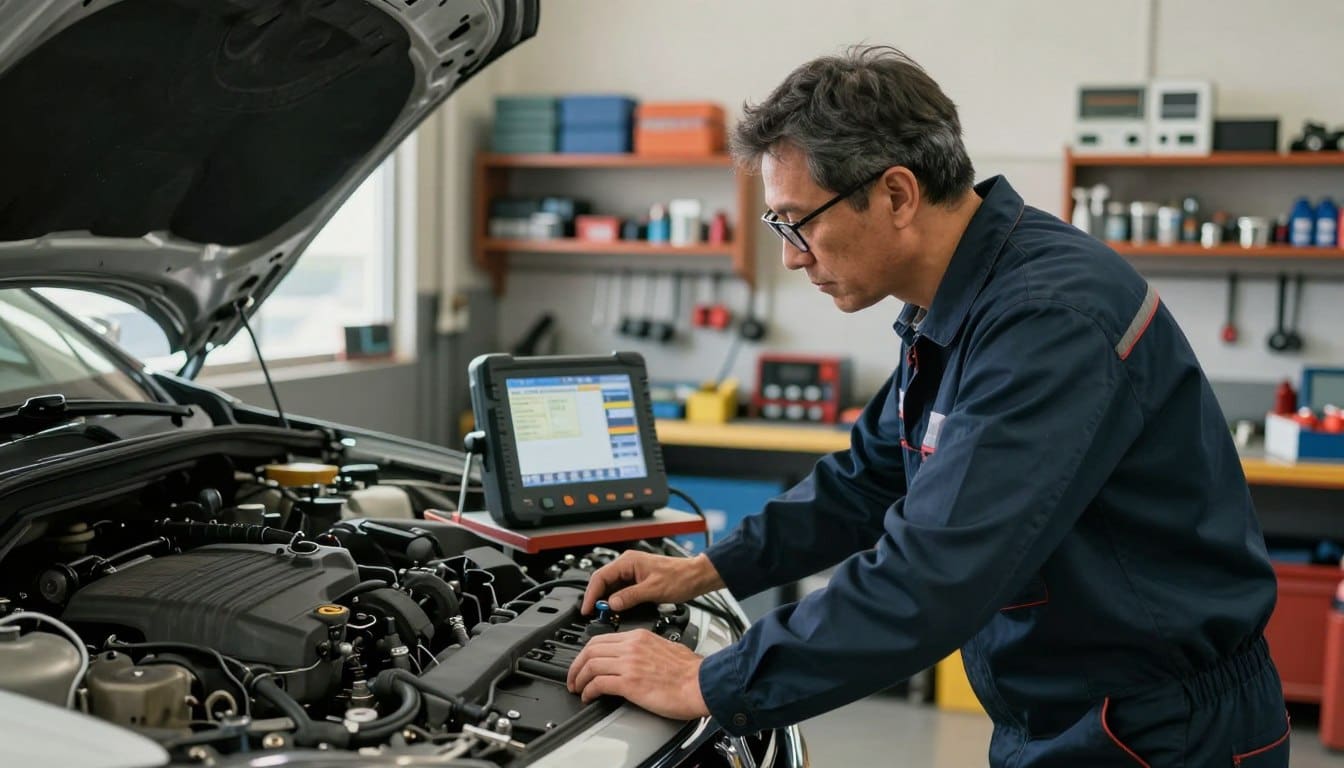
Dealing with car maintenance can be tricky. You want your car to run well without spending too much. Learning to avoid unnecessary car repairs helps you only pay for what’s needed.
At Heaven Automotive, we value honesty with every driver. Located at 6645 Poss Rd. San Antonio, TX 78238, our team puts your peace of mind first. If you have questions about your car, call us at (210) 682-3898. Talk to a trusted expert about your needs.
Key Takeaways
- Understand your vehicle’s basic maintenance schedule to prevent over-servicing.
- Always ask for a detailed explanation of why a specific service is recommended.
- Seek a second opinion if a quote feels unusually high or confusing.
- Build a relationship with a local shop that values honesty and clear communication.
- Regular inspections help you catch minor issues before they become expensive problems.
The Current State of Auto Repair Transparency
The auto repair world is changing fast, moving toward full transparency. For a long time, repairs were a mystery to car owners. Now, shops are learning that trust is key.
Shifting Standards in the Automotive Industry
New laws and standards are making the industry more open. For instance, New Hampshire law requires shops to give written estimates if asked. This is a step toward making everyone accountable.
Many good shops now use open-book pricing. This means they show you exactly what you’re paying for. It helps you avoid unnecessary costs.
The Impact of Consumer Awareness on Service Quality
Thanks to the internet, you know more about your car than ever. This knowledge makes mechanics work harder to be honest. They need to keep their good name.
Finding a honest auto repair San Antonio shop is easier now. Look for places that are open and clear about what they do. They offer:
- Clear itemization of every part and labor hour on your final invoice.
- Visual documentation of worn components before they are replaced.
- Educational explanations regarding why a specific repair is necessary for safety.
The push for honest repairs is making the whole market better. Choosing a transparent shop saves you money and ensures your car gets the right care.
Understanding How to Avoid Unnecessary Car Repairs
Keeping your car in good shape doesn’t have to cost a lot if you know how to avoid unnecessary car repairs. Many drivers get confused by car terms and end up paying for services that don’t help much. By learning about your car, you can control your maintenance costs and make sure your money is well spent.
Recognizing the Difference Between Maintenance and Repair
It’s important to know the difference between regular maintenance and repairs. Maintenance means doing things like oil changes or tire rotations to keep your car running well. On the other hand, repairs are needed when something breaks or fails.
You can save money by doing simple maintenance tasks yourself. For example, changing a cabin air filter can cost up to $70 at a shop, but it’s easy to do yourself. Here are some maintenance tasks you can do to avoid costly repairs:
- Checking and topping off windshield washer fluid.
- Inspecting tire pressure levels regularly.
- Replacing engine air filters and cabin air filters.
- Monitoring battery terminal cleanliness.
Why Proactive Care Reduces Emergency Service Needs
Proactive care is key to keeping your car in good shape for a long time. By following your car’s service schedule, you can catch small problems before they get big. This way, you avoid the need for expensive emergency services.
Regular care stops the domino effect of neglect. Small parts like belts or hoses are cheaper to replace yourself than to fix after they break. By being consistent, you protect your investment and keep your car reliable for years.
Recognizing Common Upselling Tactics
Learning to spot aggressive upselling in shops is key to saving money. Service centers often use high-pressure sales to make more money. Knowing what to look for helps you avoid upselling and only get the repairs your car really needs.
The Pressure of Time-Sensitive Offers
Mechanics might say you need a repair immediately to avoid a breakdown. They might offer a “limited-time discount” if you agree right away. This is to stop you from checking the real cost or need of the service.
Remember, real safety issues aren’t solved by quick sales. If a shop pushes you to decide fast, slow down. You can ask for a written estimate and leave to check the details elsewhere.
Identifying Unnecessary Fluid Flushes and Additives
Some shops push services your car doesn’t need. For example, many cars have sealed systems that don’t need manual lubrication. Yet, some shops might list a “lube job” on your bill.
Be cautious of aggressive marketing for engine flushes or fuel additives. Most makers don’t recommend these for regular maintenance. Always check your owner’s manual to see what’s recommended for your car.
| Service Type | Common Upsell | Reality Check |
|---|---|---|
| Chassis Lube | Required for all cars | Sealed systems need no lube |
| Engine Flush | Prevents sludge buildup | Rarely needed with oil changes |
| Fuel Additives | Boosts performance | Usually unnecessary for modern fuel |
| Coolant Flush | Urgent “dirty” fluid | Follow manufacturer mileage intervals |
The Importance of Diagnostic Accuracy
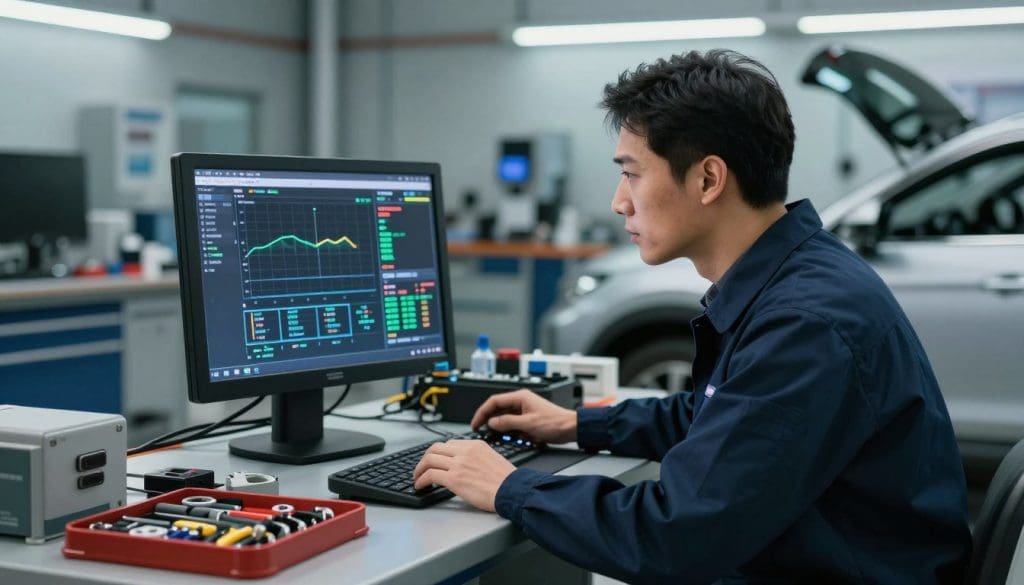
Finding the exact cause of a mechanical failure is key to saving money. When you take your car in for service, you want a clear explanation. Diagnostic accuracy is the base for a fair and professional repair.
Why Guesswork Leads to Costly Mistakes
Many repair shops try different things without knowing what’s wrong. This can lead to replacing parts that work fine. It’s not only a waste of time but also very expensive for you.
Guessing can mean replacing a sensor or valve hoping it fixes the problem. But if it doesn’t, you’re back to square one and out of money. Asking for a precise diagnosis before any big work helps save your budget and ensures your car gets the right care.
The Role of Modern Diagnostic Equipment
Today’s cars are like computers that need advanced tech to run right. They adjust fuel and ignition settings to keep your engine running well. Because of this, they need special tools to read error codes correctly.
A good mechanic uses these tools to find the exact problem in the car’s systems. They rely on data-driven insights to spot failing parts before they break down. This way, they keep your car reliable and maintenance costs low.
Why You Should Always Request a Second Opinion
Going to a second opinion mechanic is a smart move. It helps protect your wallet and keeps you calm. If a shop says you need a pricey repair, you don’t have to agree right away. Verification is a standard practice that makes sure you’re paying for real services, not just guesses.
When to Seek Verification for Major Repairs
Always get a second look for big repairs like engine or transmission work. These jobs are expensive and need special skills. If the diagnosis seems unclear or the price is too high, slow down.
It’s also smart to get a second opinion mechanic if many systems in your car fail at once. While some problems are connected, too many repairs at once might be a scam. Always listen to your gut if something feels off.
How to Approach a Second Mechanic Professionally
When you see a new shop for a second check, don’t be aggressive. Just say you want a second look to make sure you know what’s needed. Most good mechanics respect a customer who cares about their car.
Give the new shop the first estimate, but don’t share the initial diagnosis yet. This lets the second opinion mechanic check things out without bias. Being calm and polite helps you keep control over your car and your money.
| Repair Scenario | Action Required | Why Verify? |
|---|---|---|
| Major Engine Overhaul | Seek Second Opinion | High cost and complexity |
| Routine Oil Change | Not Necessary | Standardized pricing |
| Sudden Transmission Failure | Seek Second Opinion | Risk of misdiagnosis |
| Suspicious Upsells | Seek Second Opinion | Avoid unnecessary costs |
Decoding Your Vehicle Owner Manual
The secret to keeping your car in top shape without spending too much is in your owner’s manual. This guide is the ultimate authority on what your car needs to stay in great condition. By following these official guidelines, you can dodge upselling tricks that target drivers who don’t know better.
Understanding Manufacturer Service Intervals
Many service centers push for maintenance schedules that benefit their profits more than your car’s needs. For example, changing engine oil more often than needed is common. While some shops recommend oil changes every 3,000 miles, many car makers suggest doing it every 5,000 to 10,000 miles.
Always check your manual to see what the car’s engineers recommend. Following these intervals helps protect your engine and keeps costs down. Ignoring these guidelines can lead to unnecessary expenses that don’t help your car last longer.
Separating Essential Maintenance from Dealership Upsells
It’s important to know the difference between necessary maintenance and extra services. When a service advisor suggests a “special” flush or additive, compare it to your manual. If it’s not listed, you can safely say no to upselling attempts.
The table below shows the difference between what shops often recommend and what car makers usually suggest for keeping your car healthy.
| Service Type | Shop Recommendation | Manufacturer Standard |
|---|---|---|
| Oil Change | Every 3,000 miles | 5,000–10,000 miles |
| Engine Flush | Every visit | Rarely required |
| Fuel Additives | Every oil change | Only if specified |
| Coolant Flush | Every 2 years | Every 50k–100k miles |
By keeping this info on hand, you can control your car’s maintenance budget. Your goal is to prioritize safety and avoid services that don’t match your car’s needs. Being informed helps you avoid unnecessary expenses.
Identifying Red Flags at Repair Shops
Spotting dishonesty early can save you from bad repair practices. When you enter a service center, your instincts are key. If something seems wrong, trust your gut and leave before work starts.
Vague Estimates and Lack of Itemization
A good repair shop gives a clear, written estimate before starting work. This estimate should list all the work and costs in detail. You should see the price for parts and labor, and when it will be done.
Watch out for shops that just give a total price without details. If they can’t explain what you’re paying for, they might be hiding costs. Demanding transparency is your right and helps you avoid overpaying.
Pressure Tactics and Fear-Based Sales
Some shops use high-pressure sales to make you decide fast. They might say your car is dangerously unsafe or that a part will fail soon. These tactics aim to make you act without thinking or getting a second opinion.
If you feel rushed or scared by a mechanic, step back. A trustworthy mechanic will explain the urgency with facts, not scare tactics. Remember, you decide what happens to your car, no matter the pressure.
The Role of Digital Vehicle Inspections
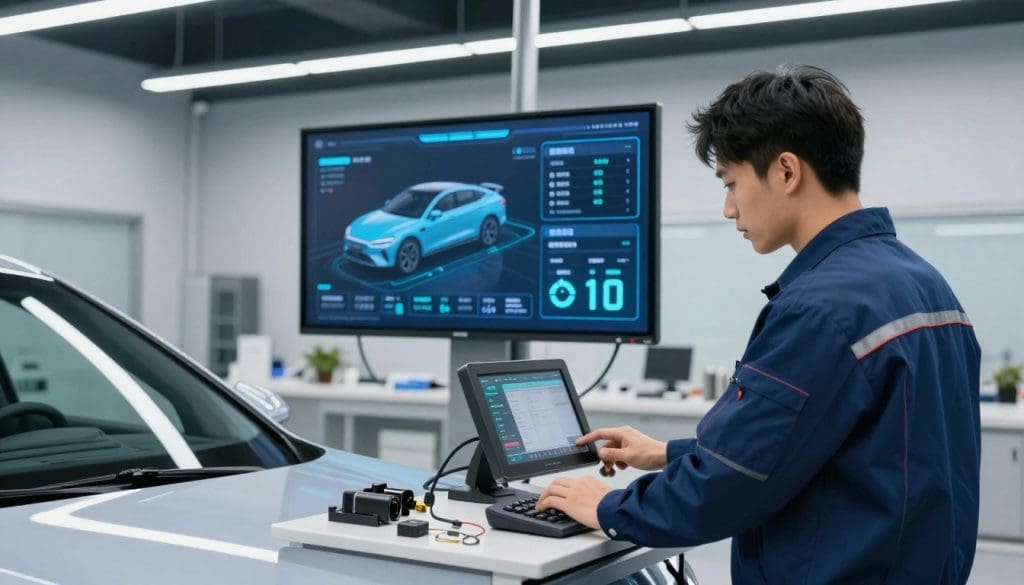
Digital vehicle inspections have changed the repair experience. Now, you can see the condition of your car with your own eyes. Before, you had to trust what a service advisor or technician said.
Today, shops use advanced software to show you your car’s condition. You get a digital report that lets you see everything. This makes you more confident in the repairs you choose.
Visual Evidence as a Tool for Trust
Technicians can now take high-quality photos or videos of worn parts. This visual evidence is a clear record of the damage. You can see what the mechanic sees, making it easier to understand the problem.
This approach builds trust between you and the shop. You don’t have to wonder if a part needs to be replaced. You can look at the evidence yourself. Transparency is now the norm during service visits.
How Photos and Videos Empower the Vehicle Owner
Digital documentation lets you make decisions at your own pace. You’re not rushed to choose while at the service counter. You can look at the photos, do research, and decide what’s best for you.
This technology also helps you plan repairs. You can tell what’s urgent and what can wait. This empowerment means you’re in charge of when and how your car is maintained.
| Feature | Traditional Inspection | Digital Inspection |
|---|---|---|
| Communication | Verbal/Phone call | Visual/Digital report |
| Evidence | None/Trust-based | Photos and videos |
| Decision Speed | High pressure | Self-paced |
| Transparency | Low | High |
Navigating Manufacturer Recommended Maintenance
Knowing what your car really needs is key to saving money. Many drivers feel forced to agree to every service on a shop’s list. But, learning to avoid upselling means understanding the difference between must-do safety tasks and nice-to-have services.
Distinguishing Between Safety and Convenience
Important safety tasks include brake pads, tires, and fluid changes. These keep you safe on the road. On the other hand, convenience services are about minor improvements or looks. For instance, modern car AC systems rarely need refrigerant, making AC system recharging often a waste of money.
Be cautious of fuel injector cleanings or engine flushes not in your owner’s manual. Shops often push these to make more money, not to help your car last longer. By following the manufacturer’s schedule, you can dodge upselling that doesn’t really help.
The Truth About Extended Warranty Requirements
Many owners think skipping a dealer-recommended service will void their warranty. This is a myth shops use to get your business. But, federal law lets you get maintenance at any qualified place as long as you keep records.
Your warranty only needs you to follow the manufacturer’s minimum maintenance schedule. You don’t have to pay for extra services not in your manual. Knowing these rules is the best way to protect your rights and avoid upselling next time.
Understanding Parts Quality and Pricing
Did you know that where a replacement part comes from can affect your car’s performance over time? Every repair is a choice between different parts, each with its own pros and cons. Making the right choice can save you money now and keep your car running well later.
OEM Versus Aftermarket Parts Explained
OEM parts are made by the same company that built your car. They are guaranteed to fit perfectly and meet the exact specs of your car. But, they usually cost more.
Aftermarket parts are made by other companies and can fit many different cars. Some are significantly cheaper, but their quality can vary. It’s best to use OEM parts for important engine or safety systems. For cosmetic or non-essential repairs, high-quality aftermarket parts might be okay.
How Part Selection Affects Long-Term Reliability
The parts you choose today can affect how often you need repairs in the future. Cheap parts can fail early, costing you more in the long run. Investing in quality parts can save you money over time.
It’s also important to have parts installed correctly. For example, new tires need to be balanced for a smooth ride. Once balanced, you usually won’t need adjustments unless you notice a problem.
| Feature | OEM Parts | Aftermarket Parts |
|---|---|---|
| Compatibility | Guaranteed fit | Varies by brand |
| Cost | Higher | Often lower |
| Warranty | Manufacturer backed | Varies by supplier |
Always talk to your mechanic before they start work. Ask them to explain why they recommend certain parts for your car. Transparency in this process helps you get the best value for your needs.
The Value of Building a Relationship with a Trusted Mechanic
Having a long-term bond with a local mechanic changes how you see car care. It’s not just about one-time visits anymore. Finding a shop that offers honest auto repair San Antonio drivers trust is key to a worry-free car ownership.
Consistency in Service History
A consistent service history is like a map for your mechanic. Regular visits mean they keep a detailed log of every service. This continuity helps them catch problems early, saving you money.
Knowing your car’s history, mechanics avoid unnecessary work. They know what’s been done and what’s next. This saves you time and money.
Why Familiarity Leads to Better Vehicle Care
Familiarity creates a special bond between you and your mechanic. You’re not just another customer; you’re a partner in your car’s health. This trust leads to better service and honest auto repair San Antonio residents deserve.
Trusting your mechanic means you can ask more questions. They’ll explain the nuances of your car’s performance. This helps you make better choices. Here’s why a long-term relationship is better than just one-time service:
| Feature | Transactional Shop | Trusted Partner |
|---|---|---|
| Service Records | Often fragmented | Comprehensive history |
| Advice Quality | Generic recommendations | Tailored to your car |
| Trust Level | Low | High |
| Cost Efficiency | Higher risk of upsells | Focus on long-term value |
Choosing a shop that values long-term relationships is wise. You get a partner who cares about your safety and your car’s life. This proactive approach keeps your car reliable for years.
How to Ask the Right Questions Before Work Begins
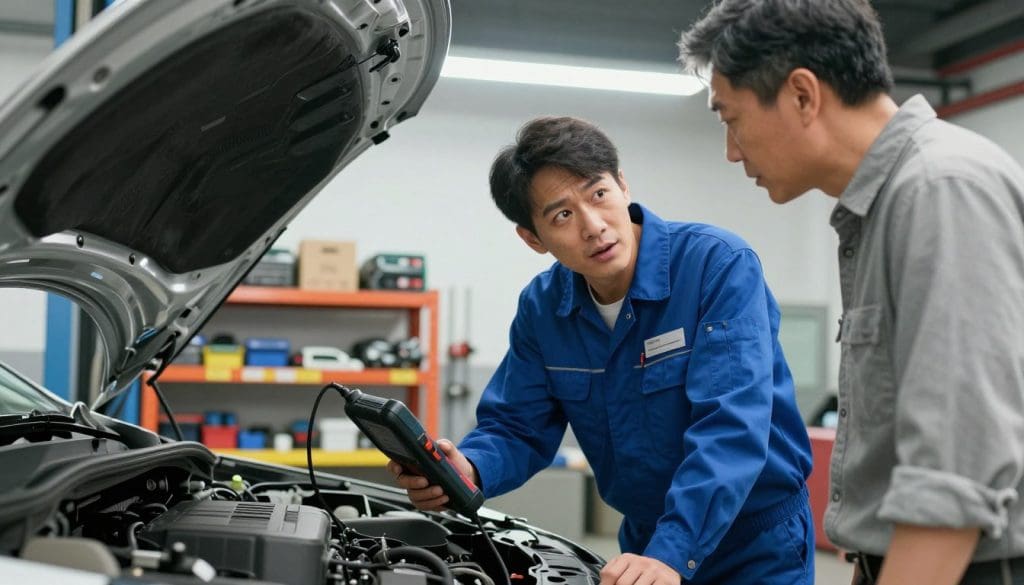
Starting your vehicle repair journey early is key. Clear communication with your mechanic ensures you only pay for what you need. If unsure about a diagnosis, getting a second opinion mechanic is a good idea.
Clarifying the Scope of the Repair
Before work starts, ask for a detailed, written explanation of the problem. You should know why a part needs to be replaced and how it impacts your car’s safety or performance. Always ask for an itemized estimate to see the cost of parts and labor separately.
If the explanation is unclear or too technical, ask the technician to show you the problem on your car. A good shop will explain the diagnostic process clearly. This way, you can avoid unnecessary services that might not be needed at your current mileage.
Requesting Old Parts for Inspection
You have the right to get your replaced parts back after the service. This is physical proof that the repair was done and the old part was faulty. But, this might not apply if the parts are under warranty or part of a core exchange program.
When you pick up your car, ask to see the old parts before paying. If the shop says they can’t show you the parts or claims they were thrown away, it’s a warning sign. In such cases, getting a second opinion mechanic for future repairs is a smart move.
Documenting Your Repair History
Keeping a logbook is your best defense against unnecessary repair costs. By documenting every visit to the mechanic, you build a solid history. This habit keeps you informed about your vehicle’s needs.
Maintaining a Digital or Physical Log
You can choose from paper files or mobile apps to keep your service records. A physical folder is a simple option. Just store every receipt and estimate in a binder in your glove box or office. Consistency is the key to a good system.
Digital tools offer ease and quick access. Many apps let you upload receipts and set reminders. Pick a method that works for you, but make sure to record the date, mileage, parts replaced, and labor costs for each visit.
How Records Prevent Duplicate Services
A clear history stops shops from suggesting unnecessary services. If a mechanic suggests a fluid flush or filter replacement, check your records first. This prevents redundant charges and keeps your relationship with the service provider strong.
Also, detailed records are key for disputing charges or verifying warranties. Showing proof of past maintenance proves you care about your vehicle’s health. This often leads to more accurate and honest assessments from mechanics.
| Method | Pros | Cons | Best For |
|---|---|---|---|
| Physical Folder | No tech skills needed | Can be misplaced | Long-term storage |
| Mobile App | Instant access | Requires data entry | Daily tracking |
| Spreadsheet | Highly customizable | Time-consuming | Detailed analysis |
Protecting Your Consumer Rights in Texas
When you look for an honest auto repair San Antonio service, knowing your rights is key. Texas law has rules to make sure you’re treated fairly at the mechanic. Knowing these rules can save you money and stop shops from taking advantage of you.
Understanding State Regulations for Repair Shops
In Texas, there’s a rule about estimate changes. Shops can’t charge more than 10 percent over the original estimate without your explicit approval. If they find more problems, they must call you to get your okay before fixing it.
You should get a written estimate before any repairs start. This should list the parts and labor needed for your car. If a shop won’t give you a written estimate, it’s best to go somewhere else for an honest auto repair San Antonio service.
Resources for Resolving Disputes
If you disagree with a repair shop, there are ways to solve the problem. First, talk to the shop manager to try to fix it. If that doesn’t work, you can file a complaint with the Texas Department of Licensing and Regulation (TDLR) or the Office of the Attorney General.
It’s important to keep all invoices, estimates, and messages. These are essential evidence if you need to take your case to a consumer protection agency. Being ready helps you protect your money and interests.
| Consumer Right | Action Required | Legal Protection |
|---|---|---|
| Written Estimate | Request before work | Mandatory disclosure |
| Price Variance | Limit to 10% over | Authorization required |
| Dispute Resolution | Contact TDLR | State oversight |
| Parts Return | Ask for old parts | Right to inspection |
Industry Trends in Automotive Service Ethics
Transparency is now key in car maintenance across the U.S. Shops are changing how they work with car owners. This means you might not need a second opinion mechanic for every small problem.
The Move Toward Open-Book Pricing
Many repair shops are starting to use open-book pricing. They give you a detailed list of costs before starting work. This shows they’re honest about their profits.
This change helps you know what you’re paying for. When shops share their costs or explain their rates, it builds long-term trust. You won’t worry if you’re being overcharged for basic services.
Technological Advancements in Repair Transparency
Modern tech is a big help in keeping the car industry honest. Digital vehicle checks let techs show you photos and videos of your car. These reports prove if repairs are really needed.
With digital checks, you can see your car’s condition clearly. This reduces the need to get a second opinion mechanic. Digital tools help you make smart choices about your car’s care without breaking the bank.
Conclusion
Being a good car owner means being proactive and clear in communication. You can avoid costly repairs by knowing your car well and keeping service records. This knowledge is key.
Choosing a reliable shop makes driving better. You should find a team that cares about your safety and budget, not just making a quick sale. Honest mechanics focus on keeping your car running well for a long time.
Heaven Automotive is here to give your car the care it needs. Our team at 6645 Poss Rd. San Antonio, TX 78238 wants to teach you about your car’s needs. We use accurate tests and talk openly to help you avoid unnecessary repairs.
Call us at (210) 682-3898 to book your next service. Working with us means you get the trust and care your car deserves. Your car will stay reliable for many miles to come.