

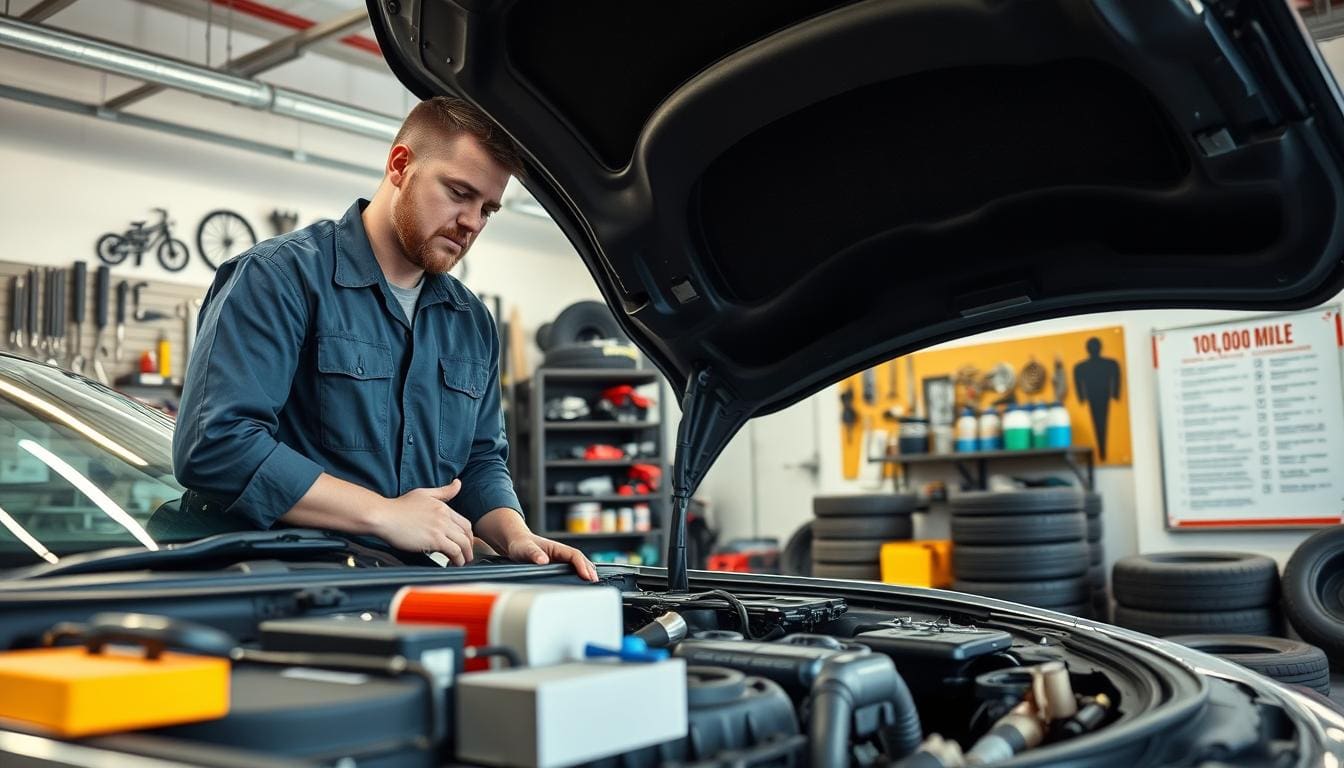
Reaching the 100,000-mile mark is a milestone for any vehicle. You’ve logged years of trips, errands, and road trips. Now is the time to give your car focused care to keep it reliable for the road ahead.
Bluebonnet Ford’s 100k-mile service offers a full revitalization of core systems so your vehicle runs smoothly for the next phase. A standard oil change is essential at this interval, and specialists will also inspect belts, brakes, and fluid systems to spot wear caused by heat and friction.
Our guide explains which service steps matter most and why proactive attention protects your investment. By scheduling the right checks now, you keep your car dependable for daily commutes and long-distance travel across the United States.
Key Takeaways
- Hitting the 100,000-mile mark signals a comprehensive service check.
- An oil change is a key step to protect engine life.
- Specialized inspections catch wear from years of use.
- Proactive service helps extend your vehicle’s reliability.
- Follow a professional checklist to safeguard your daily driving.
Understanding the Importance of Maintenance at 100000 Miles
When your vehicle nears the 100,000-mile mark, it’s a smart time to review key service items. Proactive care from Bluebonnet Ford and others shows that regular attention is the main factor in longer vehicle life.
An oil change and full fluid inspection protect engine parts and help keep your vehicle running. These steps reduce the risk of major breakdowns and costly repairs later.
Today is an ideal time to plan a service visit. Following factory intervals also helps preserve resale value and ensures each system meets safety specs.
- Preventive service: stops small issues from becoming big repairs.
- Engine care: oil and fluids shield core components.
- Long-term value: routine checks keep vehicles reliable.
Essential Engine and Performance Components
A focused check of ignition and intake systems boosts your car’s power and economy. At the 100,000-mile mark, technicians often find wear that hurts how the engine breathes and fires.
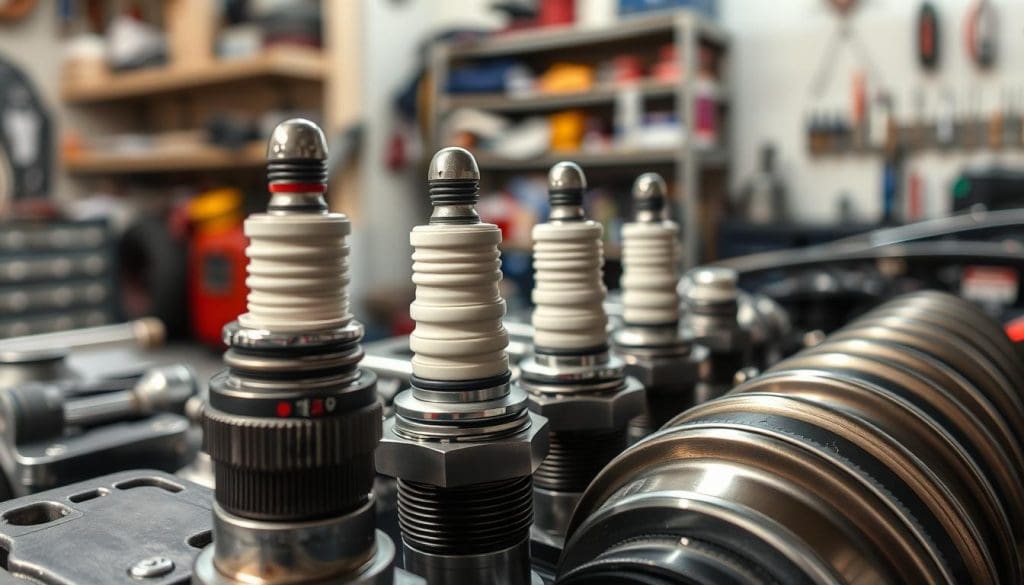
Spark Plug Replacement
Worn spark plugs cause misfires, rough idling, and reduced fuel economy. Replacing spark plugs as part of this service restores proper combustion and improves overall engine performance.
If your vehicle feels sluggish or idles roughly, the spark plugs may be the part needing attention today. Proper installation is critical; modern engines require precise gaps and torque to avoid new issues.
Air Intake Systems
A clogged air intake restricts airflow and forces the engine to work harder. Cleaning or replacing the air filter and inspecting the intake path helps return full performance.
- Replace spark plugs on schedule to restore combustion efficiency.
- Inspect the air intake for clogs that reduce fuel economy.
- Ensure parts are fitted precisely to protect long-term engine health.
Timely attention to these components prevents further issues and keeps your car running smoothly for many more miles.
Managing Vital Vehicle Fluids
Careful fluid care keeps your car safe and reliable. A focused check of key systems prevents sudden faults and preserves drivability.
Transmission fluid and brake fluid should be high on your service list when you hit the 100,000 miles mark. Old transmission fluid can let debris build up and cause slipping gears. A professional transmission fluid change removes contaminants and helps the transmission shift smoothly.
Transmission and Brake Fluid Exchange
Brake fluid absorbs moisture over time. That moisture can lead to a soft pedal and reduced stopping power in emergencies. Replacing brake fluid restores consistent brake feel and improves safety.
- Perform a full fluid exchange to guard the engine and transmission from corrosion.
- Have a trained technician flush transmission fluid to avoid gear wear and slipping.
- Replace brake fluid to maintain firm, reliable stopping performance.
Keep fluids clean and you protect major components and extend the life of your vehicle. Schedule this service today to reduce the risk of costly repairs down the road.
Inspecting Belts and Cooling Systems
A worn belt or failing pump can turn a routine drive into an emergency; inspect these parts soon. You should prioritize a full belt and cooling system check as part of your service when your car reaches this mark.
Inspect the serpentine belt for cracks, glazing, or stretch. A sudden belt failure can stop your alternator or power steering and leave you stranded.
If your vehicle uses a timing belt, replace it along with the water pump and belt tensioners. This combined change keeps engine timing accurate and avoids catastrophic engine damage during your daily commute.
Keep coolant fresh and check hoses and the pump for leaks. Degraded fluid can cause overheating, blown head gaskets, and costly engine repairs.
- Replace timing belt, water pump, and tensioners together to protect the engine.
- Swap a worn serpentine belt today to prevent loss of steering or charge.
- Flush and refill coolant to preserve the cooling system and related components.
Evaluating Suspension and Structural Integrity
A quick steering and suspension exam uncovers loose parts that cause vibration and uneven tire wear. You want the vehicle to track true and feel stable on every road.
Steering Linkage and Alignment
Have a technician inspect tie rods, rack ends, and steering joints for play or corrosion. Loose steering links reduce response and can cause poor alignment.
Proper alignment prevents uneven tire wear and keeps the steering predictable. Ask for an alignment check as part of a full service.
Bushings and Mounts
Worn bushings and engine mounts transmit vibration into the cabin and can stress other components. Replace cracked or soft bushings to restore ride quality.
Brake pads and lines should also be checked while the car is on a lift. Rusted brackets or degraded pads can lead to brake line failures if left untreated.
- Inspect suspension and steering linkage to ensure safe handling and proper alignment.
- Check bushings and mounts for wear to protect structural integrity and timing of steering response.
- Have tires, brake pads, and lines reviewed to prevent uneven wear and sudden failures.
Tip: Follow a professional service checklist to catch these issues early and keep your vehicle safe.
Recognizing Signs of Wear and Tear
Small changes in how your car runs often signal larger problems ahead. Pay attention while you drive and during quick visual checks in the driveway.
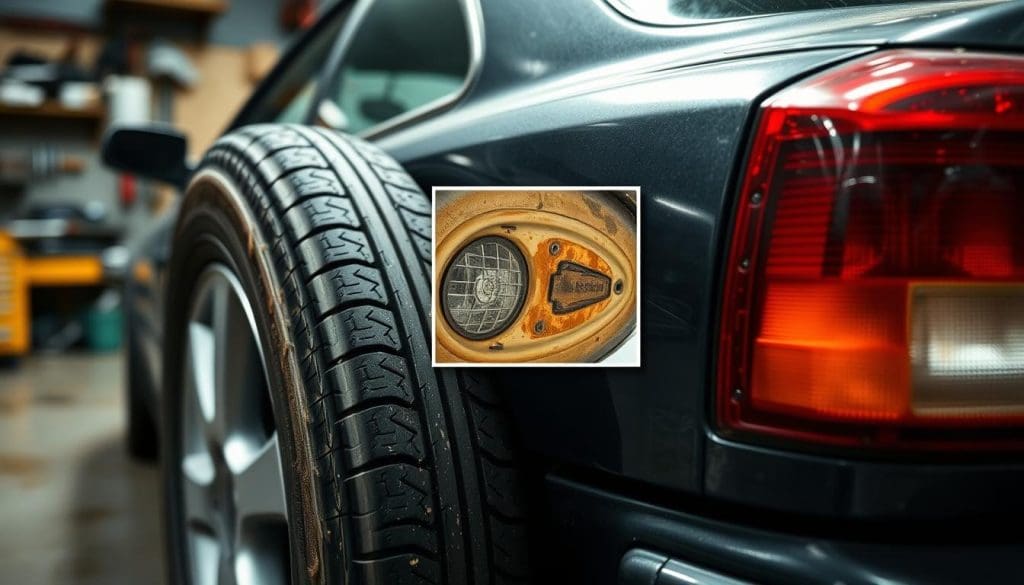
Common warning signs:
- Decreased fuel economy or a sluggish feel when accelerating can mean the engine is losing performance.
- Rough idling or stalling at a stoplight points to ignition or fuel system issues.
- Small fluid leaks under the vehicle often indicate a failing seal or hose that needs a prompt part change.
- Uneven or cupped tires and poor handling suggest suspension or alignment wear that affects safety on the road.
Recognizing these signs early helps you avoid bigger problems later. Schedule an inspection when you notice reduced performance or visible leaks. That simple step keeps your vehicle reliable and extends the life of key systems well past the 100,000-mile mark.
Professional Collision and Repair Services
Collision repair is about more than paint — it’s about making your vehicle safe and reliable again. When you need expert work after an accident, choose a shop that handles repair, frame alignment, and finish work with care.
Hire Miracle Body and Paint Collision Center to fix collision repair damage on your vehicle. They offer full-service repairs to restore safety and appearance quickly.
North West San Antonio – Leon Valley
For residents in North West San Antonio, visit Miracle Body and Paint Collision Center at 6217 Grissom Rd., San Antonio, TX 78238. Call (210) 680-1987 to schedule prompt service.
North East San Antonio
Customers in North East San Antonio can rely on the team at 4650 Walzem Rd, San Antonio, TX 78218. Reach them at (210) 858-3630 for professional repairs today.
- If your vehicle has sustained damage, hire Miracle Body and Paint Collision Center to fix collision repair damage at one of their two locations today.
- They provide comprehensive repair services for all makes and models.
- Call or visit either location to get fast, professional attention and keep your vehicle safe for daily use.
Conclusion
A scheduled service now helps you avoid sudden roadside failures and costly repairs later.
Keep your vehicle reliable by following the checklist in this guide. Address key items after 100,000 miles to prevent common problems and protect performance.
Proactive care today means fewer surprises on the road and a vehicle running smoothly for years. If you spot warning signs or collision damage, hire Miracle Body and Paint Collision Center to restore safety and finish work.
For simple tasks you can do yourself, review these simple car maintenance tasks to help keep your car in top shape. Schedule professional service now to solve lingering issues and keep your vehicle performing at its best.