


If your air conditioning system cools fine on the road but loses coolness at a stop light, you are not alone. This common issue points to an airflow problem that shows up during low-speed operation.
You may notice strong cold air while driving and a sudden drop in performance when the engine slows. The compressor needs enough engine power to keep pressure up, and the fan must pull air through the condenser to maintain proper cooling.
When engine speed drops, fans can lag and airflow falls off. That makes the system struggle and leads to warm vents during traffic. A quick check of the compressor drive, fan function, and cooling system can reveal the root cause.
Key Takeaways
- Loss of cold air at stops often stems from airflow problems.
- The compressor needs sufficient engine power to maintain pressure.
- Fans and fan control affect cooling when speed drops.
- Traffic and stop lights reveal issues that don’t show at speed.
- Inspect the cooling system, compressor, and fan performance early.
Understanding Why Your Car AC Is Warm at Idle
If cooling drops when the engine slows, the system often struggles to shed heat without steady airflow. That loss of flow means the condenser can’t get fresh air to reject heat, so the vents may feel like they just blow ambient air.
The most common causes are simple. A low refrigerant charge reduces pressure and makes the compressor less effective when rpm falls. High under-hood heat also makes it harder for the loop to remove heat from the cabin.
- Reduced compressor speed: less refrigerant circulation lowers cooling capacity.
- Low refrigerant or leaks: the system can’t maintain pressure and often blows warm air.
- Poor airflow: weak fan performance or clogged vents worsens the problem when stopped.
Check for leaks, proper refrigerant level, and fan operation as your first steps. Addressing these causes early prevents bigger issues and restores reliable cooling when you’re in traffic.
Initial Diagnostic Steps to Perform Under the Hood
Start under the hood with a focused visual check to catch obvious faults fast. This quick inspection helps you spot loose connectors, visible leaks, or damaged belts before you use tools.
Visual Inspection Techniques
Open the hood and look for leaks around hoses, the compressor, and the condenser. Check wiring and connectors on older vehicles like a 1993 Sentra; corrosion or looseness often prevents proper engagement.
Always let the engine cool before probing near hot components. That keeps you safe and prevents accidental damage during simple repairs.
Testing Clutch Engagement
With the system turned on and the engine running, listen for the compressor clutch. On a 1997 Nissan Altima, the click of engagement is a good sign the compressor is trying to work.
- Run the engine and observe whether the cooling fans activate while the engine is at idle.
- If the clutch does not engage, check fuses and safety switches that may block operation to protect the compressor.
- Perform basic repairs—tighten connectors or replace a blown fuse—before scheduling shop service to save money.
Tip: If these checks don’t reveal the issue, follow a step-by-step approach and consult a guide on common symptoms and fixes, such as what causes weak heat in your, to plan your next move.
The Role of Cooling Fans in System Performance
Cooling fans do the heavy lifting when traffic slows and natural airflow drops. They pull fresh air through the radiator and condenser so the system can reject heat when forward motion is minimal.
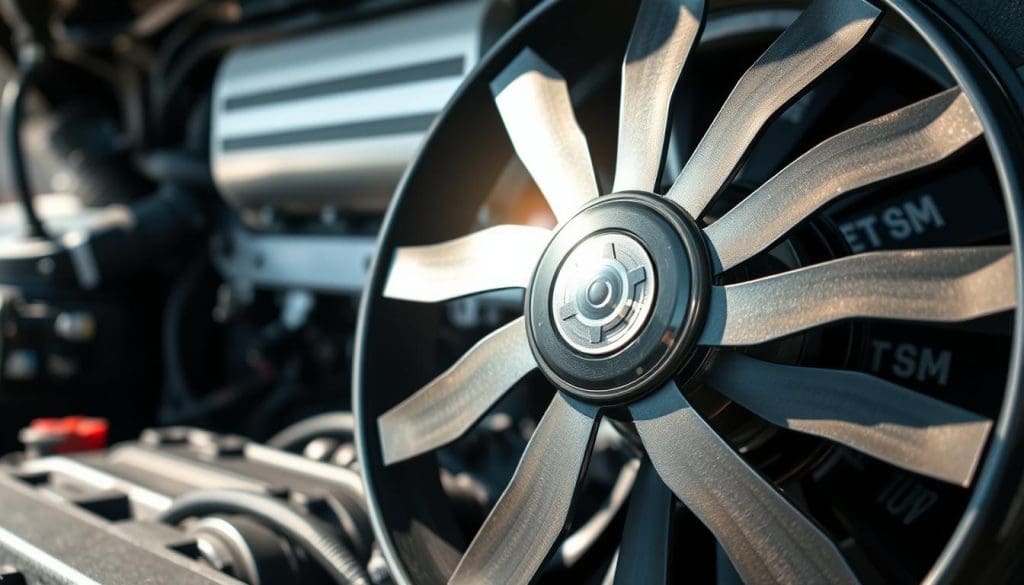
If your cooling fans fail, the condenser cannot shed heat and the vents will lose cooling quickly. This is a common issue that shows up during stop‑and‑go driving and on hot days.
- Check fan operation: verify both fans spin at the correct speed when the engine runs and the system is switched on.
- Understand costs: replacing a failed fan assembly typically runs $200–$700 depending on single or dual fans and parts time.
- Watch pressures: without proper airflow across the condenser, high‑side pressure spikes and system performance falls off.
Take the time to test fans early. Fixing a failed fan before it damages other components saves money and restores reliable cooling performance when you need it most.
Identifying Refrigerant Leaks and Charge Issues
If cooling fades when traffic slows, low refrigerant is often to blame. You may notice the vents blow warm air after several months of use. That pattern is one of the clearest signs a leak exists somewhere in the system.
Signs of Low Refrigerant
Look for oily residue on the condenser or hose fittings; this often marks a leak. Frequent cycling of the compressor and inconsistent cabin temperature while stopped are other common signs.
- Dye test and tracing: a technician can inject dye to locate leaks.
- Minor repairs: simple O‑ring or fitting service typically runs $180–$450.
- Proper charging: a manifold gauge set is required to charge the system to factory specs.
Tip: If the refrigeration charge is low, the compressor cannot move enough refrigerant, so the vents will struggle to cool when engine speed is steady. Prompt diagnosis and proper charging prevent repeated repairs and protect other components.
Inspecting the Condenser for Debris and Damage
Debris from the road can pack the condenser and stop air from flowing where it’s needed most. This reduces the condenser’s ability to cool refrigerant when the engine slows and traffic stops.
You can inspect the condenser from the front grille using a flashlight. Look for leaves, bugs, or packed grit that block airflow to the radiator area.
If you spot crushed fins or a visible leak, don’t delay. A damaged condenser can let refrigerant escape and harm the rest of the system.
- Clean trapped debris with low-pressure water sprayed from the engine side of the hood to avoid bending fins.
- Blocked fins prevent the cooling fan from lowering refrigerant temperature effectively.
- If the condenser is damaged from impact, replacement typically runs $300–$800 installed.
Tip: Small cleaning jobs often restore performance. For leaks or severe fin damage, schedule professional service to prevent further system harm.
Compressor and Clutch Performance Problems
The compressor and its clutch are the centerpieces of the cooling loop, and their behavior under low rpm often reveals the root cause.
If the clutch slips when engine rpm drops, the system will struggle to move refrigerant and you will notice poor performance at stoplights.
Common signs include a high-pitched squeal or a metallic grinding noise. Those sounds often indicate internal wear or a failing clutch that may need major repairs.
- The compressor is the heart of the system; a slipping clutch at low rpm causes loss of cooling.
- If the unit does not spin fully when commanded, refrigerant circulation falls off and comfort suffers.
- Replacement of the compressor assembly typically runs $700–$1,500, so confirm the clutch is the source before replacing the whole unit.
Watch the clutch while the engine runs. If it engages intermittently or produces unusual noise, document the behavior and plan service.
Tip: Keep the compressor drive belt and mounts in good condition. Proper maintenance reduces the chance of costly component failure and keeps the system reliable during hot months.
For guidance on related faults like a frozen or seized compressor, see this short troubleshooting guide: compressor freezes or seizes.
Electrical System Faults Affecting Air Conditioning
A weak charging system can silently zap power and stop the cooling fan when you come to a halt. Electrical faults often cause the blower or condenser fan to fail when engine rpm drops.
If your lights dim while stopped or the vents suddenly blow warm air, suspect a charging or grounding problem. A failing alternator, bad relay, or blown fuse can prevent fans and the compressor from getting power.
- Check relays and fuses: these are common failure points for the fan and compressor circuits.
- Watch symptoms: dimming lights or voltage dips when the engine runs low rpm indicate charging trouble.
- Repair cost: alternator replacement typically runs $150–$500, a common and necessary fix.
If the ECU sheds electrical load, the system may cut cooling until you accelerate. A professional diagnostic can find frayed wires, bad grounds, or a failing alternator before those faults cause more problems.
Expansion Valve and Orifice Tube Restrictions
Restrictions in the expansion valve or orifice tube often show up as reduced cooling when you stop in traffic. These metering parts limit refrigerant flow, and the effect is most obvious when the compressor spins slowly.
If the metering device blocks, the vents may blow warm air instead of cold air. Frost on lines or hissing from the dash are classic signs a restriction exists.
Moisture in the refrigerant can make the valve ice up while you are stopped; driving at speed often thaws the ice and temporarily restores cooling. That pattern points to contamination or debris inside the system.
- Flow limits: a clogged orifice reduces refrigerant circulation when compressor speed is low, hurting airflow across the evaporator.
- Diagnosis cues: listen for hissing, watch for frost, and note inconsistent vent temperatures.
- Repair cost: replacement of a TXV or orifice tube typically ranges from $350 to $900 depending on part accessibility in your car.
Tip: If you suspect a restriction, seek professional service to check refrigerant condition and clear debris. Keeping these systems clean preserves cooling efficiency for your vehicle through the summer months.
Cooling System Health and Engine Temperature
High under‑hood temperatures can force protective systems to cut cooling output before damage occurs. When that happens, you may see reduced vent performance while stopped in traffic. Keep engine temperatures in the normal range to avoid cascading faults.
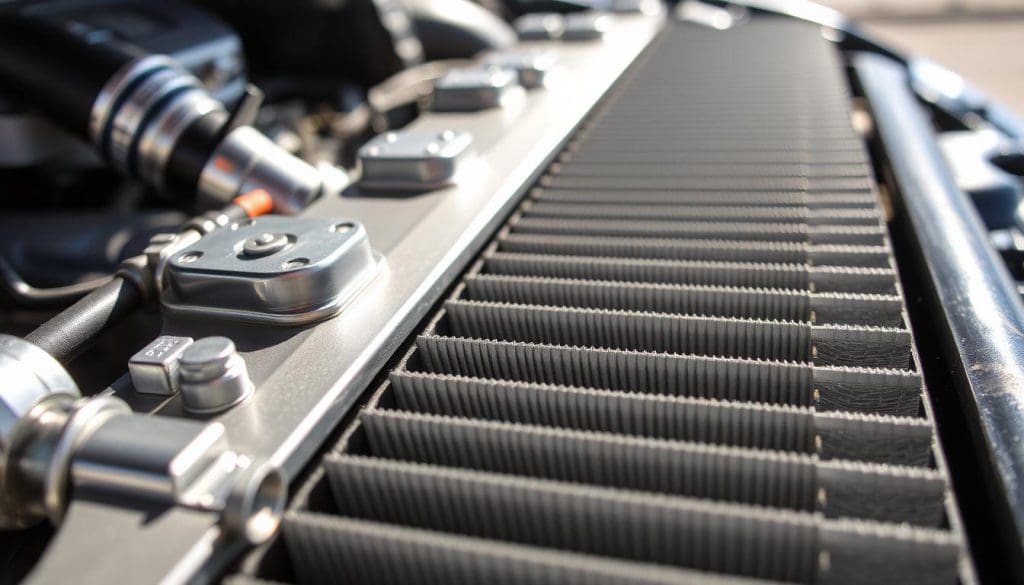
The radiator and electric fans must remove heat so the condenser can shed heat from the refrigerant. If the radiator or fans fail, the condenser cannot reject heat effectively and the whole system must work harder.
Rising temperatures under load cause system pressure to climb. In traffic this pressure spike is a common reason the cooling loop loses effectiveness and the compressor struggles at low rpm.
- Check fans: confirm they run when the engine warms and while stopped.
- Inspect for leaks: coolant leaks and a bad thermostat raise temperatures and harm cooling performance.
- Maintain core parts: radiator, water pump, and hoses keep the engine stable and protect the refrigerant loop from problems.
If the fans run but temperatures keep climbing, seek service quickly to avoid engine damage and restore reliable cooling.
Essential Maintenance for Long-Term AC Reliability
Simple, scheduled upkeep keeps your cooling system reliable through heavy use. Regular care prevents small faults from causing big failures during summer months.
Cabin Air Filter Replacement
Replace the cabin air filter every 12,000 to 15,000 miles to keep steady airflow and good cabin air quality. If you drive in dusty conditions, shorten that interval to protect the system and vents.
Seasonal Cleaning and Leak Checks
Clean the condenser and radiator each season to stop debris buildup that reduces cooling performance. Inspect for small refrigerant leaks early; fixing leaks now avoids costly compressor repairs months later.
- Maintenance tip: check filters and hoses during oil changes or every few months.
- When to seek help: if you spot oily residue or reduced airflow, schedule professional repair before temperatures spike.
- Professional service: shops can pressure‑test for leaks and perform a full maintenance check to keep your vehicle ready for the summer.
Keep a routine. A simple maintenance plan extends system life, improves cooling performance, and reduces the chance of unexpected repairs.
Conclusion
Intermittent cooling on the road that fades when you stop often points to a failing component or low refrigerant, not your settings. Check for restricted air flow, a weak fan, or condenser and radiator blockages to find the root of the problem.
Act fast. Ignoring odd noise or warm air from the vents can let minor faults grow into a failed compressor or costly repairs in a short time.
Regular maintenance and prompt diagnosis keep the system running and the cabin comfortable while you drive. For collision repair or mechanical service, hire Miracle Body and Paint Collision Center.
Visit us: North West San Antonio – Leon Valley, 6217 Grissom Rd., San Antonio, TX 78238 • (210) 680-1987. North East San Antonio, 4650 Walzem Rd, San Antonio, TX 78218 • (210) 858-3630.