

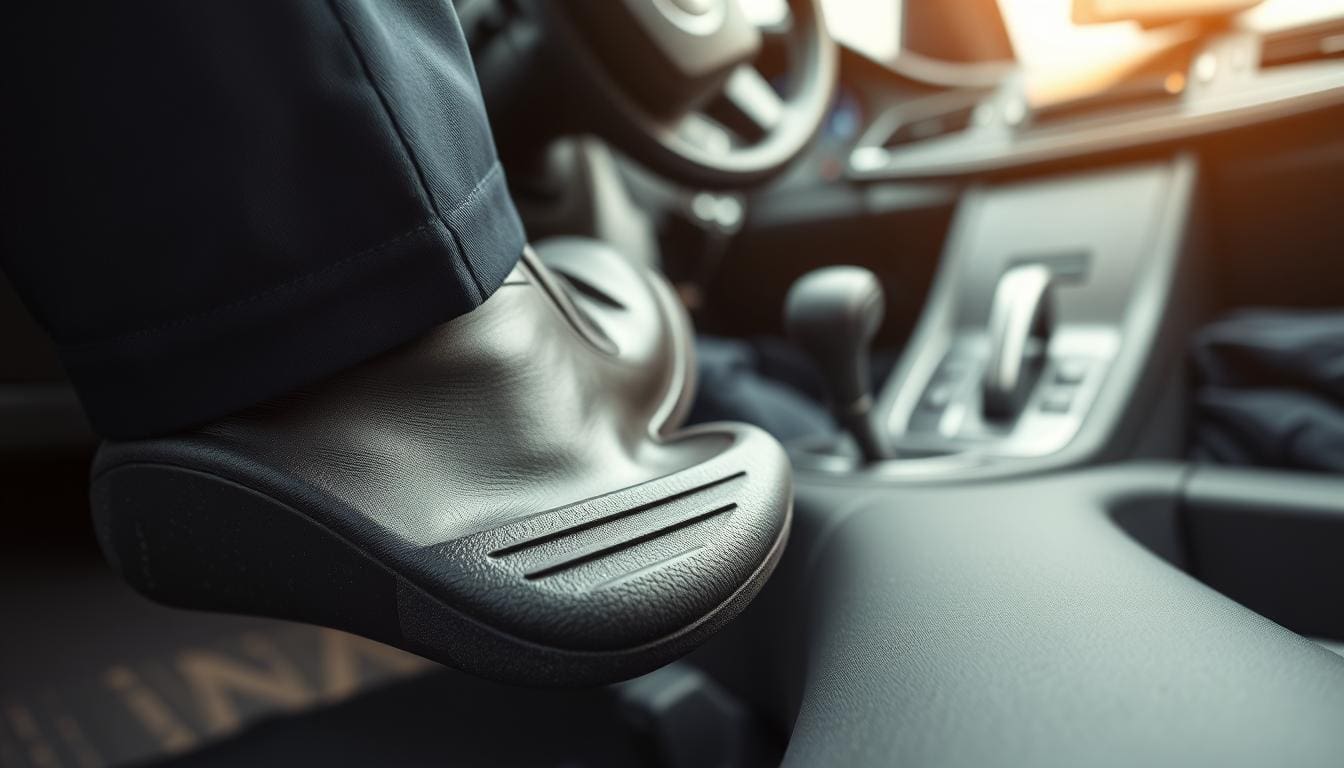
If your brake pedal feels soft, your vehicle is not building the hydraulic pressure needed to stop safely. This sensation often signals air in the brake system or low fluid, both of which let the braking circuit compress instead of transmit force.
Do not ignore a spongy brake pedal. A mushy feel can raise stopping distances and reduce control. If this happens suddenly, pull over and seek professional help right away.
Regular checks and timely repairs keep your car safe. Our team at Miracle Body and Paint Collision Center can inspect hoses, lines, and the master cylinder. For more detail on causes like air in the lines, see this guide from Heaven Automotive: what a spongy brake pedal could be telling.
Key Takeaways
- A spongy pedal often means air or low fluid in the system.
- Reduced hydraulic pressure increases stopping distance.
- Stop driving and get help if the pedal sinks suddenly.
- Professional inspection can find leaks, worn parts, or trapped air.
- Routine maintenance prevents many common issues.
Understanding Why Your Brake Pedal Feels Soft
A lack of firm feedback when slowing your car usually points to an underlying hydraulic problem. Identifying the root causes matters because this issue can reduce stopping power and put you and other drivers at risk.
Over time, hoses, seals, and fluid can degrade. That wear can create a spongy brake pedal or inconsistent pedal feel during daily driving.
Addressing the issue early limits damage and keeps your vehicle reliable. Our technicians at Miracle Body and Paint Collision Center—serving you from two San Antonio locations—detect leaks, trapped air, and worn components fast.
- Find the root causes before they worsen.
- Restore consistent pedal feel and stopping response.
- Keep your car safe with professional diagnosis and repair.
Never ignore a sudden change in how your stopping control responds. Prompt service prevents failure and restores confidence behind the wheel.
Common Mechanical Causes for Spongy Brakes
Several mechanical faults can sap stopping power and create a squishy response when you press the controls. Understanding the likely causes helps you decide if this is a quick fix or a safety concern that needs shop time.
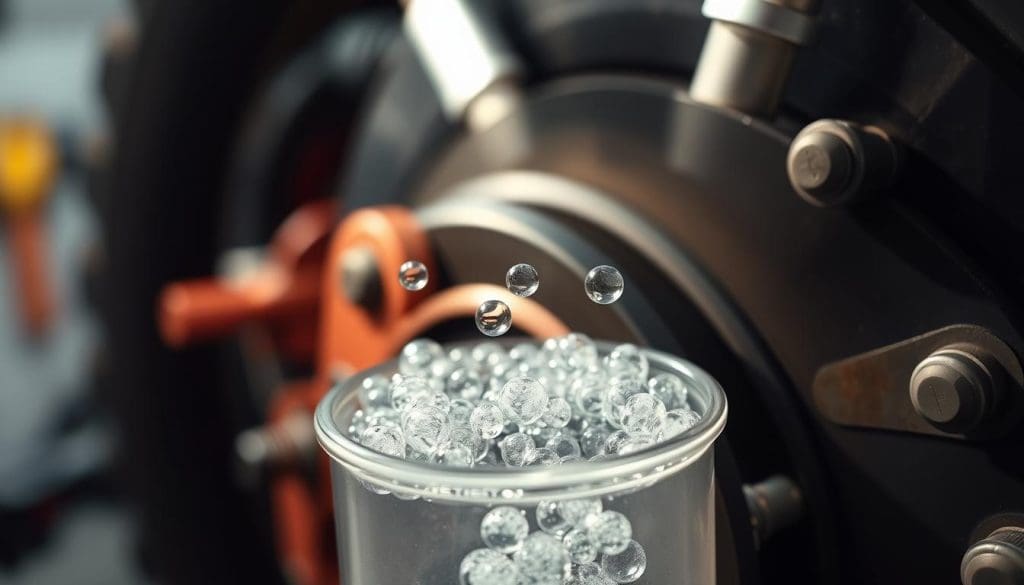
Air in the Hydraulic System
Air in the lines is the most frequent cause. Air compresses while brake fluid does not, so trapped air reduces hydraulic pressure and leads to longer travel and inconsistent response.
Fluid Leaks and Contamination
Loss of fluid from a leak prevents the master cylinder from building full force to move the caliper piston. Contaminated brake fluid that has absorbed moisture can boil and form bubbles, creating unreliable stopping action.
Master Cylinder and Component Failure
A failing master cylinder internal seal lets fluid bypass the piston. That condition often causes a sinking control at a stop. Worn hoses, leaking wheel cylinders, and sticking caliper slides also change travel and pressure, so a complete inspection of the brake system is essential.
- Tip: Change brake fluid every two years to limit moisture buildup.
- Address leaks, contaminated fluid, or master cylinder faults promptly.
- Get a professional inspection if you notice sinking or uneven response.
Safety Risks and When to Stop Driving
Any sudden loss of stopping power signals a critical issue that can turn dangerous in seconds. You should stop driving immediately if you notice major warning signs. Prioritize safety and move to a safe location.
Warning signs of total failure include the pedal sinking to the floor and fresh fluid pooling under the car or near a wheel. Both indicate a loss of hydraulic pressure and possible fluid leaks.
- If your pedal sinks to the floor, you are experiencing a total loss of hydraulic pressure and must not drive.
- Fresh brake fluid under the vehicle or at a wheel shows a major leak that needs a professional shop.
- A failing master cylinder or a lit brake warning light means stop the vehicle and call for help.
- Excessive pedal travel or signs of air in the lines makes the car unsafe to operate on public roads.
- Any suspected brake line or wheel cylinders leak is a reason to call for a tow rather than continue driving.
Act quickly. If the pedal changes after a hard stop, your brake fluid may have overheated and the system could need a full flush. Do not risk driving when stopping ability is uncertain.
Diagnostic Steps You Can Perform Safely
You can rule out several common issues with a few quick, low-risk inspections. Work on a flat surface and keep the engine off. Wear gloves and safety glasses as a basic precaution.
Visual inspection of fluid levels
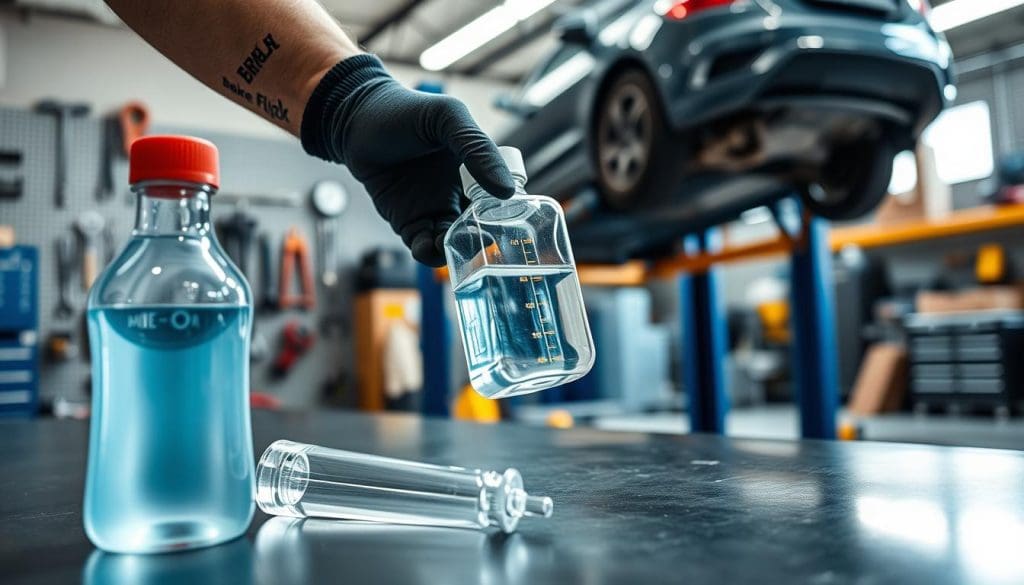
Open the reservoir and look at the brake fluid. Dark or cloudy fluid suggests contamination. Do not top off the reservoir without finding the cause of low levels.
With the engine off, press the brake pedal several times. If firmness builds and holds, the system may be free of air. If travel stays long or the pedal sinks, you could have trapped air or worn pads.
- Check around each wheel and along the brake lines for visible leaks.
- Inspect the master cylinder for external fluid at the seals.
- If moisture has contaminated your brake fluid, plan a flush to restore pressure and boiling point resistance.
If you are unsure, ask the Miracle Body and Paint Collision Center team for a professional diagnostic and any needed flush or repairs.
Professional Solutions for Brake System Issues
If your vehicle shows reduced stopping response, expert technicians can pinpoint and repair the cause.
Miracle Body and Paint Collision Center provides full-service repairs for hydraulic systems at two San Antonio locations. Our team diagnoses master cylinder internal problems, fluid leaks, worn hoses, calipers, and wheel cylinders. We use pressure and vacuum bleeders to remove air and restore hydraulic pressure to factory specs.
We perform a professional flush brake fluid service to eliminate moisture and contaminants that reduce stopping power. If your vehicle needs a new master cylinder or wheel cylinders, we install high-quality components and test the system for leaks and correct pedal feel.
- North West San Antonio – Leon Valley: 6217 Grissom Rd. Call (210) 680-1987.
- North East San Antonio: 4650 Walzem Rd. Call (210) 858-3630.
- Two locations ready to fix collision repair damage and address brake system issues fast.
Trust the professionals to restore safe stopping performance and give you confidence behind the wheel. Schedule an inspection today to resolve fluid leaks, pressure loss, or any component issue.
Conclusion
If your car no longer stops with predictable force, act without delay.
A soft brake pedal or a spongy brake pedal can signal air, leaks, or contaminated fluid that reduce stopping power. These faults raise risk and repair costs when left unchecked.
Do not drive on uncertain stopping performance. Hire Miracle Body and Paint Collision Center to diagnose and repair collision damage and restore reliable braking. We flush contaminated fluid, remove trapped air, and replace worn components to return safe operation.
Two San Antonio locations to serve you: North West (Leon Valley) — 6217 Grissom Rd., call (210) 680-1987. North East — 4650 Walzem Rd., call (210) 858-3630. Schedule your inspection today.