

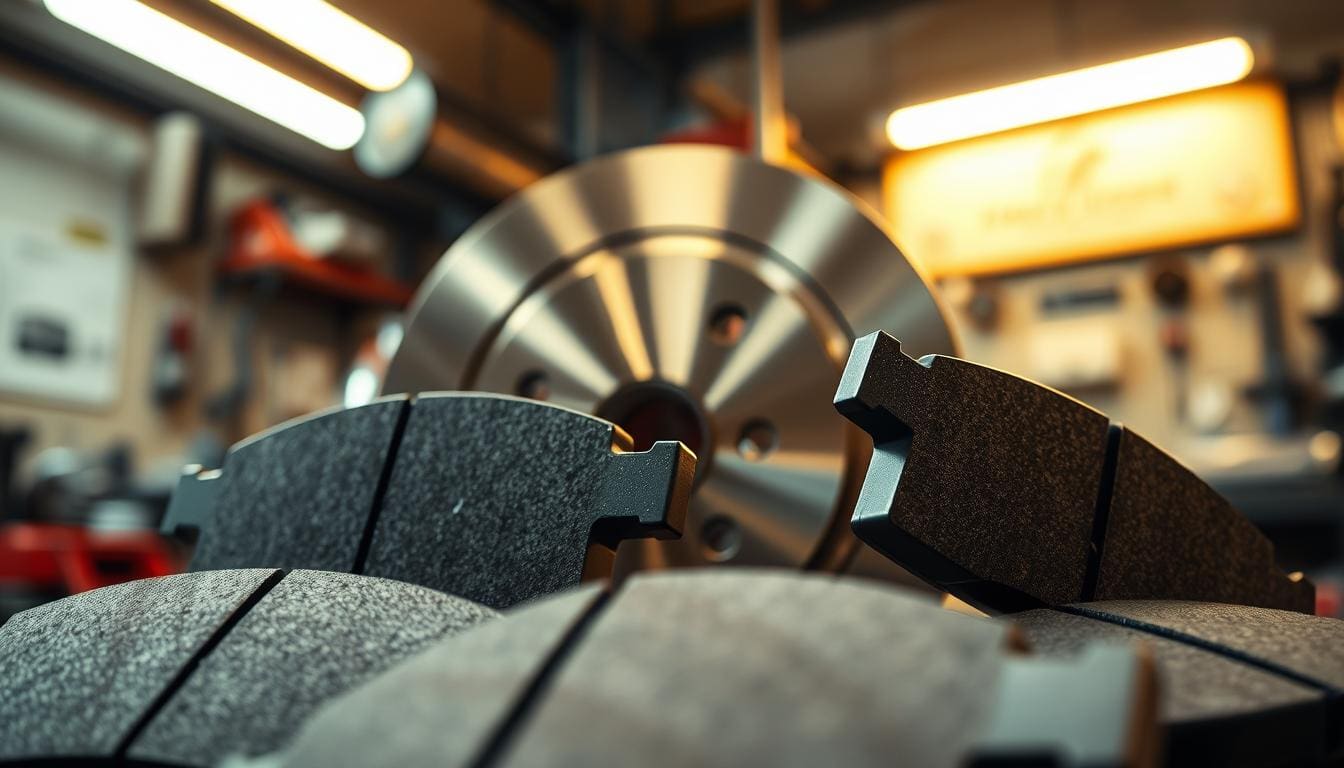
Understanding how long your brake components last keeps you safe on the road. Most drivers see pad service between 30,000 and 70,000 miles, while rotors often need attention around 50,000 to 70,000 miles. You should check your vehicle regularly to spot signs of wear before they affect performance.
Miracle Body and Paint Collision Center helps you decide when to replace parts and when simple maintenance will do. Visit our North West San Antonio – Leon Valley shop at 6217 Grissom Rd., or our North East location at 4650 Walzem Rd for a full inspection.
Call (210) 680-1987 for Leon Valley or (210) 858-3630 for North East to schedule service. We look for early signs that lead to noisy, metal-on-metal contact and recommend timely replacement to protect your car’s braking system.
Key Takeaways
- Typical pad life ranges from 30,000 to 70,000 miles; rotors commonly last 50,000–70,000 miles.
- Regular inspection prevents costly damage to other braking parts.
- Miracle Body and Paint offers expert checks at two San Antonio locations.
- Call Leon Valley at (210) 680-1987 or North East at (210) 858-3630 to book service.
- Early signs of wear or noise mean you should act to keep driving safe.
Understanding Your Vehicle Braking System
A vehicle’s stopping power comes from a few simple, well-tuned components working together. Knowing how they interact helps you spot trouble and keep your car safe on the road.
How Disc Brakes Function
The system uses hydraulic pressure from fluid in the master cylinder to move caliper pistons. Those pistons force the pads to clamp the rotor, creating the friction needed to slow your vehicle.
The Role of Rotors
The rotor is the metal disc that the pad grips. Good rotors and even pad contact ensure steady performance and limit vibration during driving.
- Hydraulic action: fluid pressure makes the pads press the rotor.
- Friction: this converts motion into heat to stop your car.
- Expert service: Miracle Body and Paint technicians check calipers, rotors, and pad wear for safe stopping.
- Visit us: Leon Valley at 6217 Grissom Rd. (210) 680-1987 or North East at 4650 Walzem Rd (210) 858-3630.
How Long Do Brake Pads Really Last
Knowing the usual mileage range for wear gives you a clear guide to when to schedule inspection and possible replacement.
Most drivers can expect their brake pads to last between 30,000 and 70,000 miles, though that range changes with your driving habits and vehicle type.
Rotors often need attention closer to 50,000–70,000 miles. Regular checks catch uneven wear and protect other parts of the braking system.
- Expect 30,000–70,000 miles for typical pad service depending on driving.
- Miracle Body and Paint recommends routine inspections to spot wear early.
- Visit Leon Valley at 6217 Grissom Rd. or North East at 4650 Walzem Rd for assessment.
- Call (210) 680-1987 for Leon Valley or (210) 858-3630 for North East to schedule service.
Consistent maintenance extends part life and keeps performance steady. If you notice changes in pedal feel or noise, bring your car in so technicians can advise on repair or replacement.
Factors Influencing Brake Pad Lifespan
Frequent stops, heavy loads, and steep roads all speed up wear on the system.
Driving Environment
Your daily route shapes how fast parts wear. City driving with stop-and-go traffic causes much more friction than steady highway miles.
That means you may see service earlier than the typical 30,000 70,000 miles range.
Vehicle Load
Loading or towing increases force on the vehicle during stops. Heavier loads make the rotors and pad surfaces work harder and heat up faster.
Impact of Terrain
Hilly or mountainous roads create repeated braking demands. Downhill driving in particular forces you to brake more often and raises wear rates.
- Stop-and-go traffic: faster wear on rotors and pads.
- Heavy loads & towing: reduce service intervals significantly.
- Hilly terrain: extra strain that affects performance and life.
- Visit Miracle Body and Paint at 6217 Grissom Rd., Leon Valley or 4650 Walzem Rd to learn more.
Call (210) 680-1987 for Leon Valley or (210) 858-3630 for North East to schedule a thorough inspection and maintenance.
Identifying Common Signs of Brake Wear
If you hear high-pitched squeals or grinding when you slow, your vehicle is asking for a check. These noises are often the first clue that friction material is nearly gone and needs attention.
Audible Warning Signs
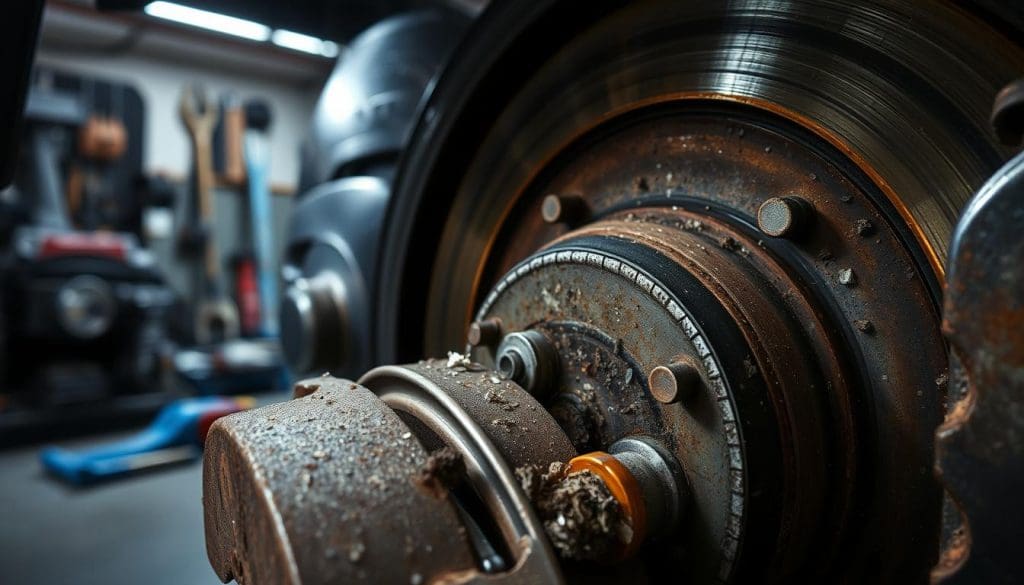
Squealing, scraping, or grinding are not normal. High-pitched squeals usually come from a wear indicator. A grinding sound means metal-on-metal contact and calls for immediate action.
- Listen for noise: Squealing or grinding signals the end of useful pad life and may damage rotors.
- Feel vibrations: Pulsation in the steering wheel while braking often points to warped rotors that need resurfacing or replacement.
- Where to go: Visit Miracle Body and Paint Collision Center at 6217 Grissom Rd., Leon Valley if you feel vibration while stopping.
- Fast service: Our North East shop at 4650 Walzem Rd can replace brake components and correct uneven wear.
- Call now: (210) 680-1987 for Leon Valley or (210) 858-3630 for North East to schedule a professional inspection and timely service.
Ignoring these signs reduces stopping performance and raises repair costs for the whole system. Get a clear diagnosis so you can decide whether to repair or replace and keep your car safe on the road.
Comparing Different Brake Pad Materials
Not all friction materials behave the same; some trade quiet operation for raw stopping power.
Ceramic compounds hold up well to heat and usually provide steady performance with less dust. They are gentle on rotors and tend to be quieter during everyday driving.
Semi-metallic options deliver strong stopping force and are excellent for heavy loads or spirited driving. They can accelerate rotor wear and may produce more noise under severe use.
Organic choices use softer materials that keep noise low and give a smooth feel. Expect quicker wear under frequent stops or towing compared with ceramic or semi-metallic types.
- Material matters: your choice affects wear, rotor health, and overall performance.
- Expert advice: Miracle Body and Paint Collision Center can match the right compound to your driving conditions.
- Visit: North West San Antonio – Leon Valley at 6217 Grissom Rd. or North East at 4650 Walzem Rd for a consultation.
- Call: (210) 680-1987 for Leon Valley or (210) 858-3630 for North East to discuss service and replacement options.
Best Practices for Extending Brake Life
Small changes to how you drive and service your car can add thousands of miles to key stopping components.
Practice smooth driving and avoid sudden stops whenever possible. Gentle stops reduce heat and curb uneven wear on rotors and pads.
Keep fluid levels topped and fresh. Proper brake fluid helps the hydraulic system work correctly and lowers the chance of reduced performance over time.
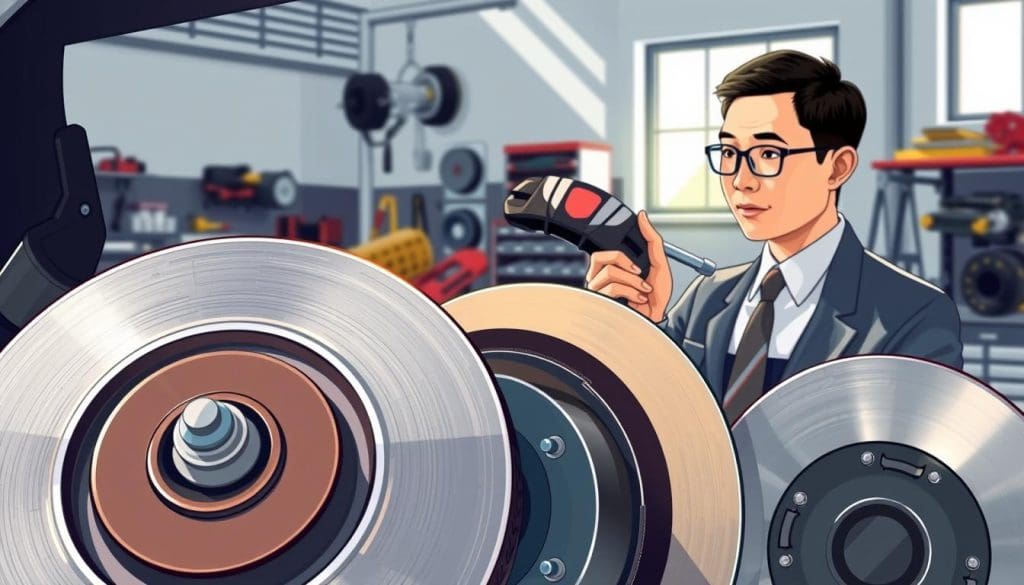
- Schedule inspections every 10,000 to 15,000 miles to monitor wear and catch issues early.
- Maintain fluid and have it checked during routine service to protect calipers and wheel components.
- Drive smoothly and avoid heavy, repeated stops to extend pad and rotor life under varied conditions.
Visit Miracle Body and Paint Collision Center for professional brake service. Our Leon Valley shop at 6217 Grissom Rd. (210) 680-1987 and North East at 4650 Walzem Rd. (210) 858-3630 handle inspection, fluid checks, and any needed replacement.
Professional Inspection and Repair Services
Let trained technicians inspect your stopping system to make sure every component is fit for the road.
Miracle Body and Paint Collision Center performs a thorough inspection to find problems early. Our team checks pads, rotors, calipers, and fluid to decide if you need simple maintenance or full replacement.
We offer complete brake service at two San Antonio locations. Visit North West San Antonio – Leon Valley at 6217 Grissom Rd. or North East at 4650 Walzem Rd.
- Comprehensive safety checks to diagnose issues fast.
- Replace brake pads and rotors as needed to restore safe stopping.
- Verify brake fluid level and overall system performance.
- Schedule brake maintenance by calling (210) 680-1987 for Leon Valley or (210) 858-3630 for North East.
Our technicians also handle collision repair damage and make sure your car is safe for every journey. Trust expert service to extend component life and prevent costly replacement down the road.
Conclusion
Conclusion
A simple inspection can prevent costly repairs and keep you safe on busy San Antonio roads.
Maintaining your brake system is a key part of vehicle safety. Regular checks and smart driving habits help you avoid sudden failures and reduce long-term costs.
Trust Miracle Body and Paint Collision Center for professional inspections, repairs, and collision damage fixes. Visit North West San Antonio – Leon Valley at 6217 Grissom Rd. or North East at 4650 Walzem Rd.
Call (210) 680-1987 or (210) 858-3630 to schedule service. Learn more about warning signs at signs your brakes need immediate attention.