

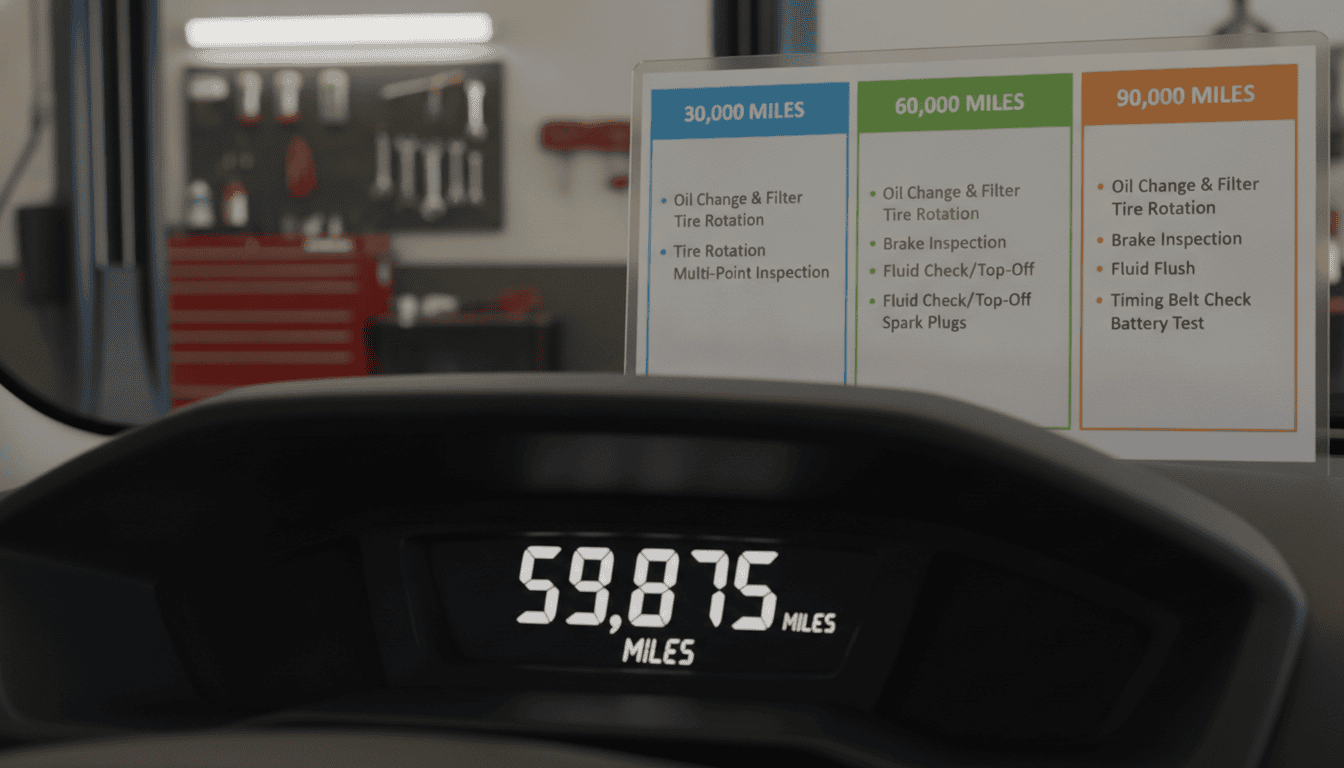
The best way to protect your investment is to prevent mechanical problems. A clear car maintenance schedule by mileage helps you spot wear before it causes a major failure.
Treat your 30000 mile service, 60000 mile service, and 90000 mile service as key planning tools. These checkpoints help you care for your vehicle before a breakdown happens.
Preventive care protects your wallet. A modern engine replacement can create a major service cost between $10,000 and $15,000. Routine oil changes and inspections cost much less.
San Antonio drivers can rely on Heaven Automotive for help. At 6645 Poss Rd, San Antonio, TX 78238, our team gives your vehicle professional care. Call us at (210) 682-3898 to keep your engine running smoothly.
Key Takeaways
- Proactive service intervals help you avoid expensive mechanical failures.
- Use 30k, 60k, and 90k mile markers as a guide for your vehicle’s health.
- Routine care is significantly cheaper than replacing a modern engine.
- Heaven Automotive offers expert support for San Antonio drivers.
- Contact our shop today to schedule your next professional inspection.
Understanding Car Maintenance Schedules
A factory maintenance schedule guides your vehicle’s long-term health and reliability. Engineers create these guidelines using testing, driving data, and wear patterns for your car’s make and model.
At Heaven Automotive, located at 6645 Poss Rd. in San Antonio, TX, we stress proactive care. This care helps keep your vehicle roadworthy. Call our expert team at (210) 682-3898 to discuss your service needs.
Why a Maintenance Schedule is Essential
Many drivers wrongly think scheduled maintenance is needed only when a dashboard warning light appears. Belts, fluids, filters, and suspension parts can wear out silently without electronic alerts.
Waiting for a breakdown often means facing a major repair bill. A car maintenance schedule by mileage helps find minor issues before costly mechanical failures develop.
Benefits of Following a Scheduled Plan
Following your factory maintenance schedule offers major benefits for daily driving. You may see improved fuel efficiency, increased reliability, and higher resale value when trading in your vehicle.
Standard intervals may change with your driving habits. Stop-and-go traffic and short trips may place your vehicle under severe conditions. You should consider scheduled maintenance more often than the standard manual suggests to keep your car running smoothly.
Key Mileage Benchmarks for Maintenance
A clear car maintenance schedule by mileage helps you plan repairs before small problems grow. Follow your vehicle’s factory maintenance schedule to prevent breakdowns and keep your car running well for years.
30,000 Mile Check-Up
The 30,000 mile service provides your vehicle’s first major check. Technicians inspect key systems after their first few years of wear. It is essential to fix small issues early and avoid costly problems later.
60,000 Mile Check-Up
The 60,000 mile service begins a deeper midlife check for your vehicle. Technicians inspect more parts and replace fluids to keep engine components reliable. In San Antonio, the team at Heaven Automotive, located at 6645 Poss Rd., can help you handle these complex needs.
90,000 Mile Check-Up
The 90,000 mile service gives your car a full high-mileage review. Many parts may be nearing the end of their expected lifespan and need expert review. Call the experts at Heaven Automotive at (210) 682-3898 to schedule your inspection. Staying consistent with these checks keeps your vehicle safe and efficient at any age.
What to Expect at Each Mileage Interval
A steady mileage-based maintenance plan helps protect your investment. Preventive car service helps avoid breakdowns and costly emergency repairs. Each vehicle has unique needs based on its engine, transmission, and service history, so visit Heaven Automotive at 6645 Poss Rd., San Antonio, TX 78238.
Basic Services at 30,000 Miles
At this first major milestone, the 30000 mile service refreshes parts worn by significant use. Technicians inspect your brakes, suspension, and fluid levels. This visit helps keep your car reliable on the road.
- Replacement of engine air and cabin filters.
- Comprehensive inspection of brake pads and rotors.
- Fluid level checks and top-offs for coolant and brake systems.
Key Services at 60,000 Miles
The 60000 mile service checks key systems that routine oil changes may miss. At this stage, your vehicle needs attention to ignition parts and chassis strength for peak performance. It is vital to address these items now to prevent long-term damage to your engine or drivetrain.
During this interval, our technicians at (210) 682-3898 often replace spark plugs and flush transmission fluids. We also review steering and suspension parts to help your vehicle handle safely. This proactive approach keeps your car performing like it did when it was new.
Comprehensive Checks at 90,000 Miles
The 90000 mile service marks a stage when major parts need expert review. Technicians check timing belts or chains, emissions equipment, and complex electronic systems. They assess your drivetrain to ensure its parts work together.
Because every manufacturer has different requirements, our technicians adjust the checklist for your make and model. We check safety standards and help your vehicle stay fuel-efficient for the miles ahead. Trusting your car to experts helps keep it on the road for years.
Importance of Oil Changes
Clean oil helps your engine run smoothly and prevents costly damage over time. Add oil changes to your scheduled maintenance plan to keep engine parts lubricated and clear of harmful debris. Follow a car maintenance schedule by mileage to prevent early wear and costly mechanical failures.
If you are in San Antonio, Heaven Automotive can help with your vehicle needs. The shop is at 6645 Poss Rd., and you can call (210) 682-3898. Proper care today prevents sludge buildup and protects vital parts, like your timing chain.
Recommended Oil Change Frequency
Your vehicle and driving habits determine the right oil change frequency. Many experts suggest 5,000 miles, but check your owner’s manual for the maker’s guidance. Stop-and-go traffic and extreme temperatures may require more frequent engine oil service.
Signs Your Engine Needs an Oil Change
Your car may give quiet warnings when it needs fresh oil. Noticing these signs can help you avoid large repair bills later. If you see any symptom below, schedule an inspection.
| Indicator | What It Means | Action Required |
|---|---|---|
| Dark, gritty oil | Contamination buildup | Immediate change |
| Engine noise | Lack of lubrication | Check oil level |
| Oil pressure light | System failure | Stop driving |
| Declining performance | Reduced efficiency | Schedule service |
Knocking or ticking noises may mean the oil has lost its protective power. If the dashboard shows an oil-pressure warning or fuel efficiency drops, do not ignore it. Keeping oil clean is the simplest way to help your engine run reliably for years.
Tire Maintenance and Rotation Schedule
Tires are your vehicle’s only contact with the road, so their condition supports your safety. Regular tire maintenance keeps your car stable, fuel-efficient, and responsive during daily commutes. Follow a car maintenance schedule by mileage to prevent early wear and costly replacements.
Why Tire Rotation Matters
Tire rotation moves each tire to a new position on your vehicle. It spreads wear across the front and rear axles, which often face different stress. Regular rotation protects handling and helps your tires last longer.
Notice these signs? Visit Heaven Automotive at 6645 Poss Rd, San Antonio, TX 78238, or call (210) 682-3898. A steady tire rotation schedule helps maintain traction in wet weather.
Recommended Tire Pressure Checks
Regular tire pressure checks offer a simple, effective way to protect your investment. Check pressure monthly and before every long road trip. Proper inflation improves gas mileage and creates a smoother, more comfortable ride.
Use the vehicle manufacturer’s specification on the door-jamb sticker, not the tire sidewall’s maximum pressure. It helps your vehicle perform as its engineers intended. Proper inflation supports your tire rotation schedule and overall safety plan.
| Maintenance Task | Frequency | Primary Benefit |
|---|---|---|
| Tire Rotation | Every 5,000–8,000 miles | Even tread wear |
| Pressure Check | Monthly | Fuel efficiency |
| Tread Depth Inspection | Every 6 months | Wet-weather safety |
| Sidewall Inspection | Every oil change | Prevent blowouts |
Brake Inspection and Maintenance
Your vehicle stops safely only when its braking system stays healthy. A steady brake maintenance schedule helps keep your car reliable during each daily commute. Regular brake inspection can find worn pads, damaged rotors, or leaking lines before dangerous failures occur.
Signs You Need New Brakes
Pay close attention to how your car feels and sounds when you press the pedal. Warning signs include high-pitched squealing or deep grinding, which may mean your brake pads have worn to metal. If your vehicle pulls aside or vibrates often, your rotors may be warped or damaged.
A soft or “spongy” brake pedal is a red flag that needs immediate attention. It may signal air in the lines or a leak that weakens your stopping power. If you notice these symptoms, visit the experts at Heaven Automotive.
They are at 6645 Poss Rd. in San Antonio, TX 78238; call (210) 682-3898 for an evaluation.
How Often to Check Brake Fluid
Many drivers overlook professional brake fluid service, but it supports proper hydraulic performance. Brake fluid absorbs moisture over time, causing corrosion and lower boiling points. Have the fluid checked during every routine maintenance visit to keep it clean and free of contaminants.
Most manufacturers recommend flushing the system every two to three years, based on driving habits and local climate. Do not wait for a dashboard warning light before taking action. Treating brakes as a safety priority, not a reactive repair, can save money and protect you.
Include a thorough vehicle safety inspection in your long-term car care plan for peak performance.
Importance of Fluid Checks and Replacements
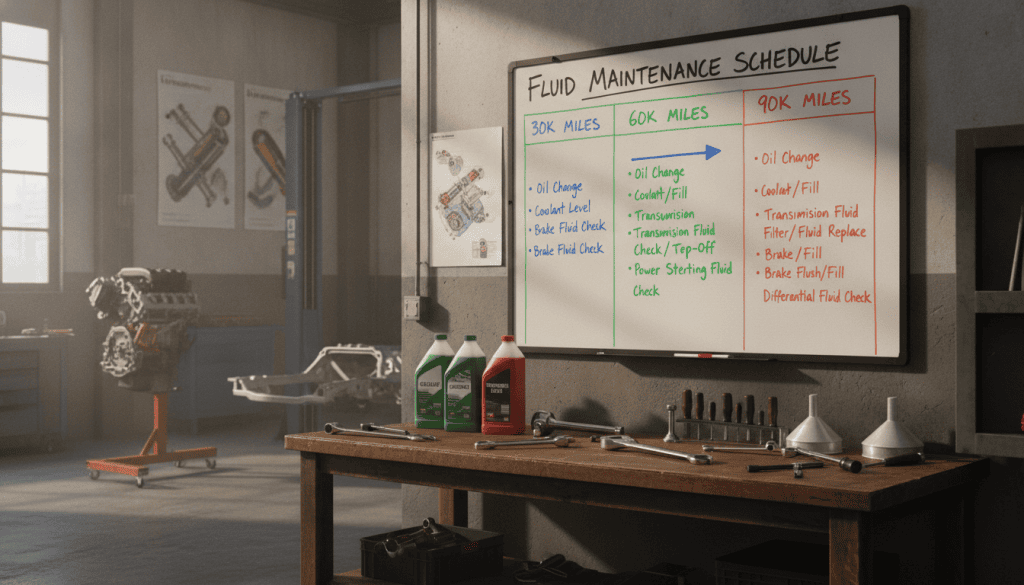
Fluids help your engine and transmission work well. Regular checks support long-term vehicle health. Oil matters, but other fluids cool, protect, and control key parts; ignoring them can cause wear and costly repairs.
Essential Fluids to Monitor
Your vehicle needs more than engine oil to run well. Check brake fluid, power-steering fluid, and windshield washer fluid often. Many vehicles also need differential and transfer-case fluid checks to prevent friction damage.
If you are unsure about these systems, the experts at Heaven Automotive can help. They are at 6645 Poss Rd. San Antonio, TX 78238; call (210) 682-3898 for a check-up. Clean fluids are essential for keeping your vehicle running well.
| Fluid Type | Primary Function | Importance |
|---|---|---|
| Engine Oil | Lubrication | High |
| Brake Fluid | Hydraulic Pressure | Critical |
| Coolant | Temperature Control | High |
When to Replace Coolant, Transmission Fluid, and More
Your fluid replacement schedule depends on more than odometer mileage. Extreme heat, heavy traffic, and frequent short trips can wear fluids faster than normal driving. As your vehicle ages, check for contamination and leaks.
A timely transmission fluid service can help you avoid a large major service cost later. Some manufacturers call certain fluids “lifetime,” but treat that label with care. Check your service manual and ask a professional about coolant replacement or other needed flushes for your driving habits.
Staying ahead of maintenance protects your investment from unnecessary damage. Consistency helps prevent a major service cost with a simple transmission fluid service. Use a proper fluid replacement schedule and timely coolant replacement to keep your car reliable for years.
Battery Life and Maintenance Tips
Your vehicle’s battery powers its electrical system, so keeping it healthy supports reliable performance. Adding car battery maintenance to your regular vehicle maintenance schedule helps prevent surprise breakdowns. In San Antonio, intense summer heat can speed battery damage, so routine checks matter for every driver.
Signs of a Failing Battery
Spotting early signs of a dying battery can help prevent being stranded. If your engine cranks slowly or clicks when you turn the key, the battery may be losing charge. Other signs include dim headlights, a swollen battery case, or corrosion around the terminals.
These symptoms can also point to a deeper issue with your charging system inspection. Professional battery testing separates weak batteries from failing alternators. If needed, visit Heaven Automotive at 6645 Poss Rd. San Antonio, TX 78238, or call (210) 682-3898 for thorough diagnostics.
How to Extend Battery Life
You can extend battery life with a few simple habits. Keep the battery firmly mounted to prevent vibration damage. Regularly clean white, powdery corrosion from the terminals to maintain a strong electrical connection.
Limit electrical accessory use while the engine is off because it drains power quickly. Check charging voltage from time to time to catch possible failures early. Consistent care keeps your vehicle ready for the road whenever you need it.
| Symptom | Potential Cause | Recommended Action |
|---|---|---|
| Slow Engine Crank | Low Battery Charge | Perform Battery Testing |
| Dim Headlights | Weak Battery or Alternator | Charging System Inspection |
| Corrosion on Terminals | Chemical Oxidation | Clean and Tighten Connections |
| Swollen Battery Case | Overheating/Overcharging | Immediate Replacement |
Air Filter and Cabin Filter Maintenance
Your vehicle needs clean air to run well, so filter care matters. Many drivers focus on oil changes, but air filters also support long-term reliability. At Heaven Automotive, located at 6645 Poss Rd. San Antonio, TX 78238, we stress this important role. These components block contaminants from entering your engine and interior space.
When to Replace Your Air Filter
The engine air filter blocks dirt, dust, and debris from entering the intake system. Over time, it clogs, restricts airflow, and makes your engine work harder. Sluggish acceleration or lower gas mileage may mean it is time for an engine air filter replacement.
Inspect your filters during every scheduled vehicle service to ensure they stay in good condition. However, replace them sooner if you often drive in these conditions:
- Driving on dusty or unpaved roads.
- Operating your vehicle near active construction zones.
- Commuting in heavy, stop-and-go traffic where exhaust soot is prevalent.
This simple task supports fuel efficiency maintenance. A free-breathing engine avoids needless strain and helps your car run smoothly.
Benefits of a Fresh Cabin Filter
The engine filter protects your car, while the cabin filter protects you. It cleans air entering your HVAC system and removes pollen, dust, and pollutants. A clean filter helps keep your vehicle healthy and comfortable inside.
Weak vent airflow, unpleasant odors, or heavy dashboard dust may signal a needed cabin air filter replacement. A fresh filter provides several clear benefits:
- Improved Air Quality: Reduces allergens and pollutants for a cleaner breathing environment.
- Better HVAC Performance: Allows your air conditioning and heating systems to operate at peak efficiency.
- Reduced Fogging: Prevents moisture buildup on your windshield by ensuring proper airflow.
Questions about your maintenance interval? Call us at (210) 682-3898. Our team is always ready to help keep your vehicle in top shape.
Understanding Timing Belt and Chain Replacement
Your vehicle relies on a precise engine timing system to keep internal parts moving in harmony. While belts and chains do the same job, each needs a different care plan. Knowing your car’s system supports high mileage car service.
A timing belt usually uses reinforced rubber and wears out, even with careful driving. A timing chain uses metal and lasts longer, but it still needs regular care.
When to Replace the Timing Belt
Follow your manufacturer’s recommended time-and-mileage interval for timing belt replacement. Low mileage does not prevent rubber from growing brittle because of heat and age.
Ignoring these intervals can snap a belt and badly damage engine valves and pistons. If unsure, experts at Heaven Automotive, located at 6645 Poss Rd. San Antonio, TX 78238, can check your schedule. Call (210) 682-3898 to keep your vehicle on track.
Symptoms of a Worn Timing Chain
While chains last longer, wear still occurs. Proper timing chain maintenance depends on clean oil. Oil lubricates the chain and tensioner system.
Watch for these signs of timing trouble:
- Audible rattling or metallic tapping noises during startup.
- Rough engine idling or frequent misfires.
- Illuminated check-engine light on your dashboard.
- Stored diagnostic trouble codes related to camshaft or crankshaft synchronization.
Regular oil changes help prevent early chain stretch and tensioner failure. Proactive high mileage car service protects your engine from costly repairs. It also helps keep your vehicle reliable for years.
The Role of the Spark Plugs in Vehicle Performance
Spark plugs are small parts, but they strongly affect how your vehicle starts and performs each day. They create the electrical spark that ignites the air-fuel mixture inside your engine cylinders. This process affects everything from smooth idling to reliable acceleration.
As plugs wear, your engine may struggle to keep combustion steady. You may notice hesitation during acceleration, a rough idle, or hard starting in cold weather. A flashing check-engine light often means your vehicle needs immediate ignition system service to prevent more damage.
When to Replace Spark Plugs
Choosing the right spark plug replacement time depends on the plug material and engine design. Some modern iridium plugs last up to 100,000 miles, while older copper-core designs need attention sooner. Always check your owner’s manual for the manufacturer’s recommended interval.
Professional inspection also supports engine performance maintenance beyond mileage. At Heaven Automotive, 6645 Poss Rd. San Antonio, TX 78238, technicians can check plugs for fouling or electrode erosion. If you have questions, call them at (210) 682-3898 for expert guidance.
How Spark Plug Maintenance Affects Fuel Efficiency
Worn or fouled spark plugs often cause engine misfires, which can greatly reduce your fuel efficiency. When a plug fails, unburned fuel leaves through the exhaust, wasting money at the pump. This waste makes your engine work harder and lowers your gas mileage.
Persistent misfires also stress key parts, including ignition coils and the catalytic converter. Regular engine performance maintenance helps your car burn fuel cleanly and efficiently. Timely spark plug replacement protects your vehicle from costly repairs and maintains optimal fuel efficiency for years.
Monitoring Your Vehicle’s Electrical System
Your car’s electrical system works like a nervous system in modern vehicles. It powers the ignition, headlights, and sensors that control engine performance. Regular care helps your car stay reliable for years.
Many drivers ignore this system until a dashboard light appears or the engine will not start. Adding a vehicle electrical system check to routine care can help prevent a dead battery or stranded vehicle.
Common Electrical Issues in Cars
Electrical problems may begin small and become serious if ignored. You may notice flickering lights, a slow-cranking engine, or repeated dashboard warning lights. These signs may point to weak batteries, corroded ground wires, or blown fuses.
Complex faults can involve alternator failure or parasitic drains that slowly use power while parked. Damaged wiring and faulty sensors may also trigger false error codes. Rather than replace parts by guesswork, professional electrical diagnostics can find the exact failure.
How to Keep Your Vehicle’s Electrical System Healthy
Proactive care helps keep your car dependable. Check your battery terminals often for corrosion, and keep every connection tight and clean. Repair damaged wiring quickly to help prevent short circuits.
Avoid unnecessary aftermarket electrical loads because they can strain your alternator. A professional charging system inspection is a smart part of your car maintenance schedule by mileage. Heaven Automotive offers expert checks at 6645 Poss Rd., San Antonio, TX 78238; call (210) 682-3898 for a full check.
| Component | Inspection Frequency | Action Required |
|---|---|---|
| Battery Terminals | Every 6,000 Miles | Clean and Tighten |
| Alternator Output | Every 30,000 Miles | Voltage Test |
| Wiring Harness | Every 60,000 Miles | Visual Inspection |
| System Fuses | Every 90,000 Miles | Check for Continuity |
Importance of Regular Inspections
Following a factory maintenance schedule is vital, but professional inspections add safety checks your car needs. These check-ups go beyond fluid changes and confirm that each component works as intended. Proactive care helps you avoid stressful breakdowns on the road.
Benefits of Scheduling a Professional Inspection
A preventive maintenance inspection separates urgent safety repairs from items that can wait. At Heaven Automotive, 6645 Poss Rd. in San Antonio, TX, you get clear explanations and documented findings. This transparency helps you plan your budget and keep your vehicle in peak condition.
Our team at (210) 682-3898 aligns recommendations with both manufacturer’s guidelines and your car’s actual performance for safety. A qualified expert reviews your vehicle’s health, giving you peace of mind. This approach saves money by stopping minor wear from becoming major mechanical failure.
What Technicians Look for During Inspections
During a thorough professional car inspection, technicians assess more than basic items. They use a comprehensive vehicle service checklist to inspect critical systems that protect you. This process helps reveal hidden issues during your visit.
Technicians carefully examine the following areas to maintain your vehicle’s integrity:
- Fluid condition: Checking for leaks or contamination in oil, coolant, and transmission fluids.
- Structural components: Inspecting belts, hoses, suspension joints, and steering parts for signs of fatigue.
- Safety systems: Testing brake pad thickness, tire tread depth, and battery performance.
- Diagnostic health: Scanning for active warning lights and stored error codes that indicate underlying problems.
The table below compares key areas in a standard preventive maintenance inspection and a basic service visit.
| Inspection Area | Basic Service | Comprehensive Inspection |
|---|---|---|
| Fluid Levels | Top-off only | Quality and leak check |
| Suspension/Steering | Not included | Joint and bushing wear |
| Safety Systems | Visual check | Performance testing |
| Diagnostic Codes | Only if light is on | Full system scan |
Preparing for Seasonal Changes
Weather changes make regular maintenance vital for long-term reliability. Your vehicle faces different stress throughout the year, so act before small problems grow.
At Heaven Automotive, we know local drivers face unique challenges at 6645 Poss Rd. San Antonio, TX 78238. Call (210) 682-3898 to learn how your driving environment affects your vehicle’s health.
How Weather Affects Vehicle Maintenance
Our region has extreme heat, high humidity, and dusty roads that can wear out key parts faster. These conditions often qualify as severe driving conditions and may require extra service.
High heat strains your cooling system, battery, and rubber belts. Fine dust can clog air filters, lower engine efficiency, and cause lasting damage.
Demanding roads call for a mileage-based service plan. Treating your car as severe service helps replace fluids and inspect parts before failure.
Seasonal Maintenance Tips
A full summer vehicle inspection helps prepare your air conditioning and cooling systems for peak heat. Check coolant levels and protection quality to help prevent overheating.
winter car preparation focuses on visibility and starting power. Even in mild climates, test your battery because cold snaps can reveal hidden weaknesses.
Follow these practical steps to keep your vehicle in top shape:
- Tire Pressure: Check your tires monthly, as temperature swings cause pressure to fluctuate.
- Visibility: Replace worn wiper blades before the rainy season begins to ensure clear sightlines.
- Emergency Supplies: Keep a kit in your trunk with water, a flashlight, and basic tools.
- AC Performance: Verify that your air conditioning is blowing cold to avoid discomfort during the hottest months.
Stay proactive with your seasonal car maintenance to protect your investment and keep your vehicle dependable. Regular check-ups offer peace of mind for road trips and daily commutes.
Final Thoughts on Your Maintenance Schedule
Protecting your investment requires a proactive approach to vehicle care. Follow a consistent car maintenance schedule by mileage to avoid unexpected breakdowns and stress. This habit keeps your vehicle running smoothly and makes your major service cost easier to manage over its life.
How to Keep Track of Your Vehicle’s Maintenance
Start a dedicated vehicle maintenance log for every service visit. Record dates, mileage, fluid changes, tire rotations, and brake work in this binder. Check your owner’s manual for factory recommendations, but driving conditions may change when you need professional help.
A professional inspection gives the best view of your car’s true health. If you live in San Antonio, trust Heaven Automotive auto repair experts with your scheduled maintenance needs. Our team helps keep your vehicle reliable for years to come.
Call us at (210) 682-3898 to book your next appointment. Visit our shop at 6645 Poss Rd. San Antonio, TX 78238, for vehicle repairs today.