

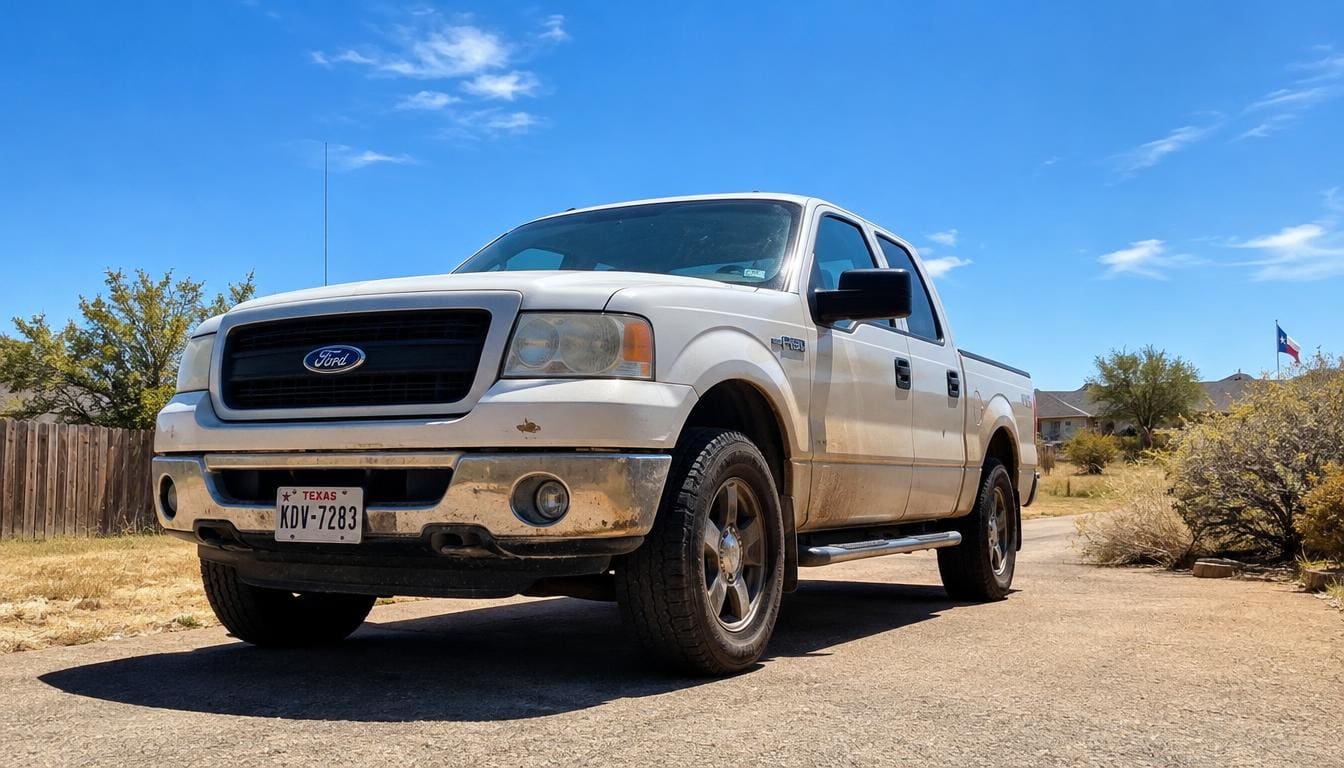
A car battery typically lasts about 3-5 years, but Texas heat can shorten that lifespan. Car battery replacement may come sooner when age, driving conditions, or climate wear down the battery. A slow start is a reason to check its health, not proof that age alone caused a failure.
That difference matters when your vehicle starts slowly but still runs. A battery test can help you decide whether to replace it or look for another cause.
Key Takeaways
- Three to five years is a general lifespan, not a promise.
- Texas heat can shorten battery life.
- A slow start calls for a health check.
- A battery test can guide a repair or replacement decision.
- Age alone does not prove a battery has failed.
A battery test is more useful than age alone when you need to decide what to do.
How Texas Heat Affects Battery Life
Heat trapped under the hood can damage a battery even when the outside temperature feels manageable. High temperatures can evaporate battery fluid, harm internal parts, corrode lead plates, and speed discharge. Heat can shorten battery life by adding wear inside the case.
The alternator is the component that recharges the battery while the engine runs. Colder temperatures can strain a battery too, but Texas heat can keep damaging it even between trips.
Heat under the hood
Heat can affect the power available to start your car and run its electrical systems. A battery that loses fluid or develops corroded plates may not work as well over time.
Driving for 20 minutes or longer can help keep a battery charged, but it does not guarantee a full recharge. Short stop-and-go trips may not give the alternator enough time to restore the charge used at startup.
Habits that reduce heat-related wear
Daily choices can reduce some wear, even though they cannot stop high temperatures. These habits also help keep the battery in a stable, clean condition:
- Park in a garage or shaded spot when possible.
- Keep the battery surfaces clean and free of buildup.
- Secure the battery to limit vibration while driving.
- Drive regularly instead of leaving the vehicle unused for long periods.
- Avoid running electrical accessories while the engine is off.
A clean, secure battery is easier to inspect and less exposed to movement-related wear. Take care with any cover used during parking. Remove any towel or temporary cover from the battery before starting the engine.
Signs Your Battery Is Near Failure
A slow engine crank is often the first clue that the starting system needs attention. Slow cranking, clicking at ignition, dim headlights, or changing electrical behavior can point to a weak battery. One symptom cannot confirm that the battery has failed.
A no-start can also come from a starter or ignition-system problem. Look at the pattern and timing, then choose a useful next check instead of guessing from one event.
Slow cranking, clicking, or no start
If the engine turns over more slowly than usual, the battery may not provide enough starting power. Clicking during ignition can also point to a weak battery, though other parts may be involved.
A battery more than 5 years old that needs a jump-start is a strong candidate for replacement. A jump-start may get the vehicle running, but it does not identify why the car would not start.
Dim lights and electrical changes
Dim headlights or inconsistent electrical components can signal a problem with the battery or another part of the vehicle. A service check can help narrow down the cause.
| What you notice | Possible explanation | Useful next check |
|---|---|---|
| Slow crank | Weak battery or starting fault | Check battery and starting system |
| Clicking at ignition | Low battery power or starter issue | Test battery and starter |
| Dim lights or electrical changes | Battery or electrical-system fault | Check battery and charging system |
Pay attention to whether the trouble happens once or keeps returning. A starter or ignition-system fault can create signs that look much like battery trouble, so diagnosis matters.
Treat recurring starting trouble as a reason to investigate, not as proof that the battery is the only cause.
What a Battery Test Can Confirm
A battery test can show whether a no-start comes from a weak battery, a temporary drain, or another electrical problem. Testing the full system can help separate these causes. Use the test result to guide a recommendation, rather than replacing a battery based only on a jump-start.
A healthy battery may have drained because a light or accessory stayed on. An aging battery may no longer hold charge, even after it receives power.
Testing can also check the vehicle’s electrical system for a starting or charging fault. The result helps show whether the battery itself needs replacement or another part needs attention.
An alternator problem can prevent normal recharging while the engine runs. A battery that tests healthy but still has no-start trouble may need a starter or ignition-system check.
These findings point to different repairs. A temporary drain may call for finding the cause and restoring charge, while a battery that cannot hold charge may need replacement.
A good test helps avoid swapping a healthy battery when another fault is responsible. It also gives you a clearer reason for the recommended service.
If the battery tests healthy but starting trouble continues, ask for a starting and charging system diagnosis.
Choosing the Right Replacement Battery
The right replacement is the one that matches your vehicle’s required size, rating, and battery design. Start with the manual and the OEM recommendations, meaning the vehicle maker’s fit and maintenance instructions. Do not choose a new battery by price or appearance alone.
Check the required voltage, battery size, and type for your vehicle’s make and model. Cold-cranking amps (CCA) measure starting power in cold conditions, so match the required rating.
Match the battery to your vehicle
Capacity, terminal layout, and construction also affect whether a battery fits and works as intended. A battery that looks close may still have the wrong size or design for the vehicle.
OEM recommendations are the guide for battery fit, including any design required by the vehicle. The original equipment can help you identify which replacement type to consider.
Compare flooded, EFB, and AGM designs
Car batteries come in several designs, and their construction differs. Use the table to compare the basic types, then check the vehicle’s manual for its required fit.
| Battery design | General description | Fit check |
|---|---|---|
| Conventional flooded lead-acid | Liquid electrolyte around lead plates | Confirm the manual allows this design |
| Enhanced flooded battery (EFB) | Flooded design built for added cycling demands | Match the vehicle’s required battery type |
| AGM (absorbent glass mat) | Electrolyte held in glass-fiber mats | Use AGM when the vehicle specifies it |
A vehicle designed for one type should not be assumed to accept another. This matters especially when the original equipment specifies a particular design.
Confirm the required battery type and rating from the vehicle’s manual before approving a replacement.
Car Battery Replacement Cost and What Changes It
Your total replacement quote depends on the battery your vehicle needs and the work required to install it. The exact fit affects the total, including battery size, CCA, and construction type. Request a vehicle-specific estimate instead of relying on a general price.
Car battery replacement cost also depends on vehicle make and model and how easy the battery is to reach. A hard-to-reach location can add labor to the installation.
What changes the total
A quote may cover the battery, labor, testing, disposal, and warranty terms. Check which items appear in the total before comparing one replacement service with another.
Warranty duration and free replacement terms vary by battery model. A free replacement warranty may cover a new battery during a stated period, but its terms can include limits or exclusions.
How to compare a low quote
The cheapest car battery replacement is not always the lowest total-cost option. A wrong fit or a quote that excludes installation can make the final bill higher than expected.
Compare the quoted battery, labor, testing, and disposal. Ask whether free replacement is included, how long the replacement warranty lasts, and which exclusions apply.
Two quotes are useful to compare only when they cover the same battery type and work. A lower price may reflect a different battery or fewer included services.
Request an estimate for your vehicle’s make and model so the quote reflects its required battery. Confirm what the warranty covers and how long it lasts before accepting a quote.
What Happens During Professional Battery Replacement?
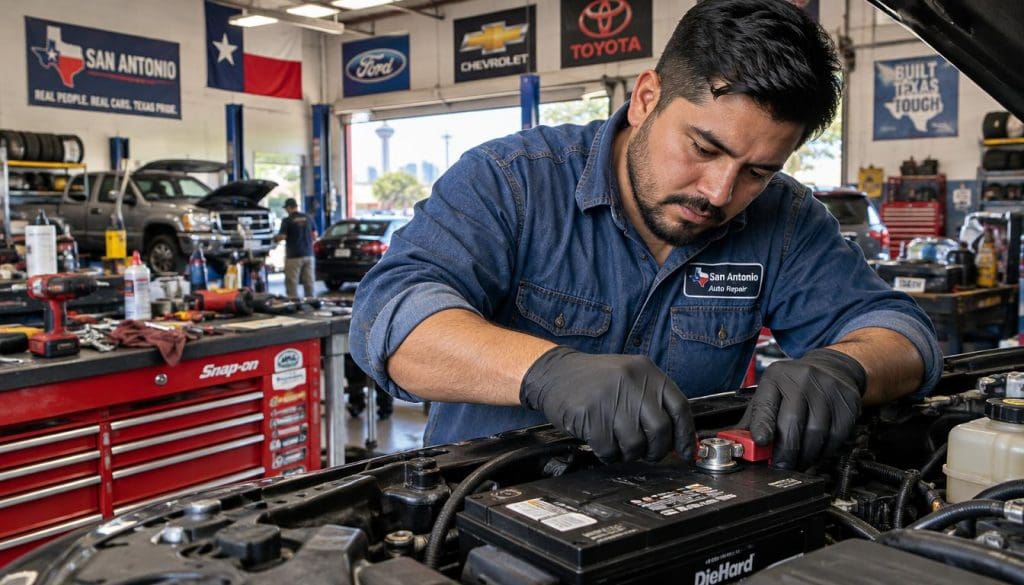
A professional replacement begins by confirming that the battery has failed and the selected unit fits your vehicle. A technician can test the battery, confirm the required fit, install the approved replacement, and recycle the old battery. Ask for approval before the shop begins replacement work.
A battery replacement service can include electrical checks, installation, and proper disposal. The technician can also confirm that the replacement matches the vehicle’s requirements.
Testing and confirming the fit
The service starts by checking the battery and electrical system, then matching a replacement to your vehicle. The shop should explain the proposed work and get your approval before installation.
Once approved, the technician installs the battery and handles disposal of the old battery. Properly recycling the old battery keeps it out of regular household waste.
- Test the battery and electrical system.
- Confirm the correct replacement.
- Obtain your approval for the work.
- Install the battery and handle disposal.
This process gives you a clear record of what the replacement service includes. You can ask what the shop will do with the old battery before work begins.
Installation and local appointment details
Heaven Automotive is in San Antonio at 6645 Poss Rd., San Antonio, TX 78238. Drivers needing car battery replacement near San Antonio, TX can call to arrange an appointment.
Drivers seeking car battery replacement near New Braunfels, TX should call to confirm whether the San Antonio location and appointment work for them. Do not assume the shop offers mobile service or service in New Braunfels.
For a DIY job, the vehicle manual sets the safe removal and installation order. A socket wrench or socket set can loosen terminal fasteners, but professional help is sensible when access or vehicle electronics make the task uncertain.
Call (210) 682-3898 to confirm appointment availability and discuss your vehicle’s needs.
Conclusion
If your vehicle is slow to start, a test can help you avoid guessing at the cause. Testing first can show whether a jump-start solved a temporary drain or whether the battery or another part needs service.
Use the result to choose a repair that fits your vehicle, rather than replacing parts without a clear reason. A technician can help you understand the next step and confirm the right work for your car.
When starting trouble disrupts your day, get a clear diagnosis before committing to a repair. Hire Heaven Automotive to fix your vehicle.