

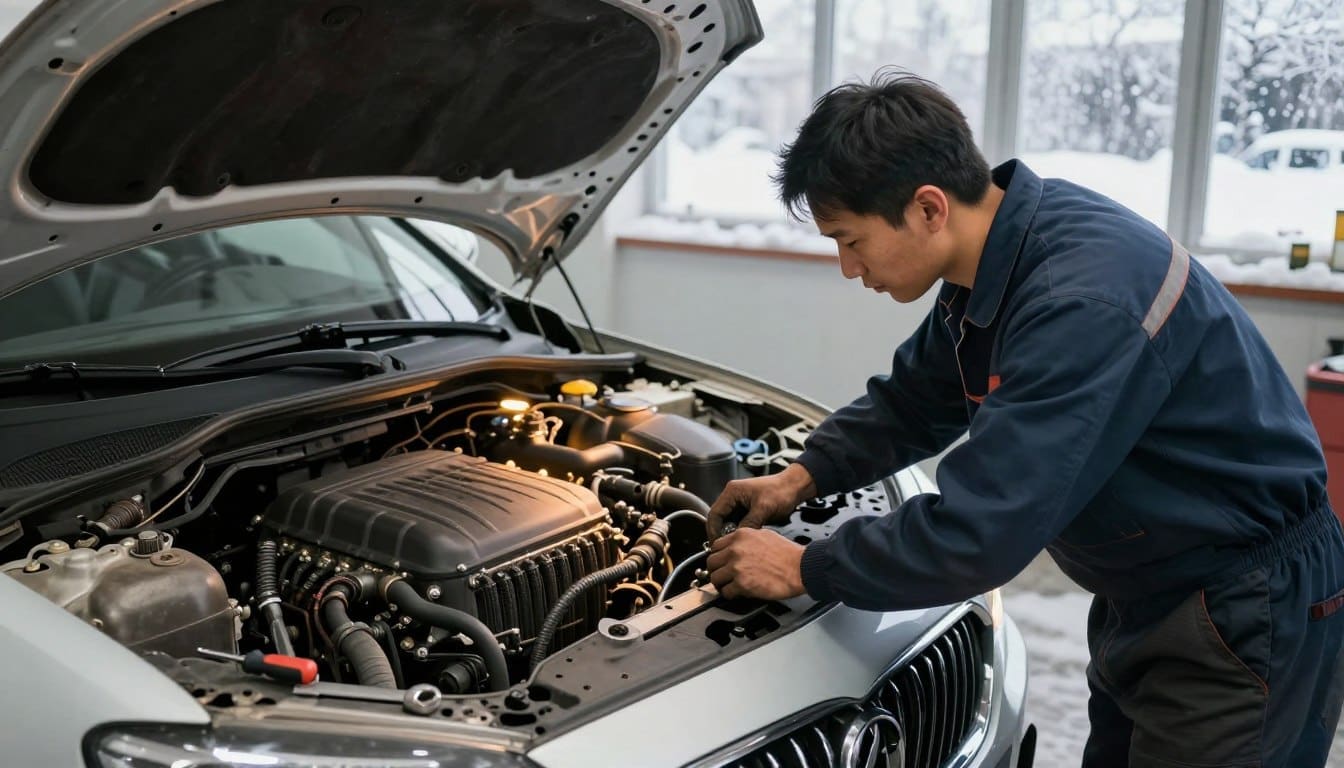
Stepping into your car on a cold morning can be really frustrating. If the heater doesn’t work, your drive becomes a chilly nightmare.
At Heaven Automotive, we get how these systems work. We see a broken unit as a serious warning, not just a comfort issue.
Ignoring these signs can harm your engine badly. If the cooling system fails, your engine might overheat. This can cause expensive damage. Getting Car Heater Repair from experts keeps your car safe and reliable all winter.
Key Takeaways
- A failing climate system often indicates deeper issues within your engine’s cooling loop.
- Ignoring temperature control problems can lead to expensive long-term mechanical damage.
- Heaven Automotive provides expert diagnostics for various vehicle makes and models.
- Regular maintenance prevents sudden system failures during the coldest winter days.
- Professional inspection is essential to ensure your safety and comfort on the road.
The Seasonal Surge in Climate Control Failures
Winter weather often reveals hidden problems in your car’s climate control. Even if your car was fine in summer, cold weather puts new demands on it. You might notice climate control issues when you turn on the heat for the first time in winter.
Rising Demand for Heating Services in San Antonio
In San Antonio, the warm weather can make drivers forget about their car’s maintenance. Heating systems are often unused for most of the year. But when it gets cold, repair shops get a lot of calls for HVAC repair.
Many drivers wait too long to check their heating. By then, repair shops are busy. Getting a check-up early can prevent a cold commute.
Why Winter Exposes Hidden HVAC Weaknesses
Extreme weather tests your car’s limits. What works in mild weather might not in cold. Small problems can become big when it’s freezing.
Ignoring climate control issues can lead to bigger problems. Cold weather makes materials shrink, turning small leaks into big ones. Regular HVAC repair keeps your car reliable, even in the cold.
Understanding the Mechanics of Your Vehicle Heating System
Keeping warm in winter starts with your engine and climate control system working together. It might seem like magic when warm air comes out of your vents. But, it’s really a highly efficient heat transfer process. Your car uses engine heat to keep you cozy.
How Engine Heat Becomes Cabin Warmth
Your engine makes a lot of heat when it runs. To avoid overheating, a coolant liquid goes through the engine block, absorbing that excess thermal energy. This hot liquid then goes to the dashboard area.
In the dashboard, it hits a small radiator called the heater core. A blower fan pushes air over the heater core. This air gets hot and goes into your vents, warming up the cabin.
The Relationship Between the Cooling System and the Heater
Your heating system is closely tied to your cooling system. They share the same coolant, pump, and hoses. If the cooling system has problems, your heater will likely show issues first.
The table below shows how these parts work together to keep you warm:
| Component | Primary Function | Impact on Heating |
|---|---|---|
| Coolant | Transfers heat from engine | Carries warmth to the cabin |
| Heater Core | Acts as a heat exchanger | Releases heat into the air |
| Blower Motor | Circulates cabin air | Pushes warm air into the vehicle |
Keeping your cooling system in good shape is key for good heating. Make sure your coolant levels are right and your system is clean. This helps the heat transfer process work smoothly. Knowing how these systems work helps you fix problems when your car doesn’t heat up right.
Common Culprits Behind a Cold Cabin
When your car won’t warm up, the problem is often hidden in the cooling system. You might think it’s an electrical issue, but most heating problems are mechanical. Finding these issues early can save you from a cold commute.
Air Pockets in the Cooling System
The cooling system needs liquid to warm your cabin. Air in the lines blocks this liquid, stopping heat from reaching the heater core. You might hear a gurgling or water-like noise from the dashboard as air bubbles move.
This air stops heat transfer. Without clear coolant flow, your vents will blow cold air, no matter the temperature setting. Bleeding the cooling system fixes this issue.
Clogged Heater Cores and Restricted Flow
Debris and old coolant can clog your heater core over time. This buildup blocks hot liquid flow. You might need a heater core repair to clear or replace it.
Older cars often face this issue due to lack of coolant flushes. Without flow, air stays cold. Fixing this quickly keeps your climate control working in winter.
Identifying Signs of Blockage
Spotting early signs of a blocked heater core can prevent bigger problems. Watch for these signs your car needs help:
- Inconsistent temperature output from vents.
- Heat drops when you turn up the fan.
- A sweet smell inside, meaning a leaky core.
- Engine temperature swings, showing poor coolant flow.
If you see these signs, get a technician for a heater core repair. Ignoring them can damage your engine. Fixing it early keeps your car warm in winter.
The Role of the Heater Core in Your Comfort
Inside your car, there’s a small but key part called the heater core. It works like a tiny radiator, moving hot coolant to warm your car. When it works right, you stay cozy even when it’s freezing outside.
But if it starts to fail, you might need heater core repair. Ignoring problems can cause bigger issues that mess with your comfort and your car’s inside.
What Happens When the Heater Core Fails
A broken heater core means no heat from your vents. It stops working because of a blockage or failure. Your defroster won’t work well either, which is dangerous when it’s cold.
A bad core can also make your car fog up. Coolant leaks can make your windows fog up all the time. This is a clear sign you need heater core repair fast to see clearly.
Symptoms of a Leaking Heater Core
A sweet smell inside your car is a big clue of a leak. This smell comes from the coolant. Look for dampness or wet carpet in your footwell, where the core is.
Not fixing this can ruin your car’s floor and seats. Quick heater core repair keeps your car in good shape and your climate control working right. Here’s a table to help spot common problems.
| Symptom | Primary Cause | Impact on Driving |
|---|---|---|
| Sweet Odor | Coolant Leak | Potential Health Hazard |
| Foggy Windows | Moisture Buildup | Reduced Visibility |
| Cold Vents | Clogged Core | Loss of Cabin Comfort |
| Wet Footwell | Severe Leak | Interior Damage |
Identifying Signs You Need Professional Car Heater Repair
Spotting early signs of a failing heater can prevent a cold commute. Your car’s climate control system usually gives hints before it fails. Being aware of these signs is key to getting Car Heater Repair before it gets too cold.
Recognizing Inconsistent Temperature Output
One common sign is when your vents switch between hot and cold air. This fluctuation means your heater is not working right. If you keep adjusting the temperature, it’s time for a pro to check it.
Unusual Noises from the Dashboard Area
Listen for odd sounds from behind your dashboard. Clicks or taps might mean your blend door actuator is failing. This part controls the air mix. Ignoring these sounds can cause total temperature loss, so Car Heater Repair is urgent.
The Importance of Timely Diagnostics
Fixing small problems early can save you from big, costly repairs. A quick test can tell if it’s a simple blockage or a bigger issue. Quick action keeps you safe and your car’s heater working longer.
| Symptom | Potential Cause | Urgency Level |
|---|---|---|
| Intermittent Heat | Low Coolant/Air Pockets | Moderate |
| Clicking Noise | Blend Door Actuator | High |
| No Heat at All | Clogged Heater Core | Critical |
| Sweet Smell | Coolant Leak | Critical |
Why DIY Fixes Often Fall Short
DIY projects can be fun, but fixing your car’s heating system is different. Many people think a simple tweak will fix it, but today’s cars are more complex. Trying to fix it yourself can lead to bigger problems that cost more.
The Complexity of Modern Climate Control Systems
Today’s cars have advanced climate control systems that connect to the car’s computer. These systems are much more complex than older models. They often need specialized vacuum filling tools to work right.
Without the right tools, getting rid of air pockets in the heater core is hard. These air pockets stop hot coolant from reaching your dashboard. Even a little trapped air can make your heating system useless in cold weather.
Risks of Improper Coolant Handling
Working with engine coolant is not just about fixing things. It’s also about safety and protecting the environment. If you don’t do it right, you could overheat your engine. Wrong coolant levels or airlocks can damage your engine badly.
Also, coolant is harmful and must be disposed of carefully. Shops have the right tools to safely dispose of it. This keeps your car safe, efficient, and eco-friendly.
| Feature | DIY Approach | Professional Service |
|---|---|---|
| Diagnostic Tools | Basic Hand Tools | Advanced Scanners |
| Coolant Handling | Manual Refill | Vacuum System Purge |
| Risk Level | High (Engine Damage) | Low (Guaranteed Work) |
| Time Investment | High (Trial & Error) | Low (Efficient) |
The Impact of Low Coolant Levels on Heating Performance
A drop in coolant levels is the main reason car heaters often fail to warm up enough. Without enough fluid, your car’s thermal cycle is broken. Maintaining proper fluid levels is key to keeping your cabin warm in cold weather.
How Coolant Circulation Affects Heat Transfer
Your car’s heater works by moving hot coolant through a small radiator called the heater core. The blower motor pushes air over this core, warming your cabin. If the coolant level is too low, the fluid might not reach the core, leaving you with cold air.
For consistent heat, your system needs to be full and pressurized. A small air pocket from low fluid can block hot coolant flow. Regular fluid checks are a critical part of winter vehicle maintenance.
Checking Your Reservoir for Leaks
Check your cooling system by looking at the coolant reservoir under your hood. Always do this when the engine is cool to avoid burns from hot liquid. If the fluid level is below the “cold fill” line, you might have a leak.
Look for moisture or white, crusty stuff around hoses, the radiator, or water pump. Identifying these leaks early stops your system from drying out and protects your engine. If you often need to add fluid, get a pro to check your system for leaks.
Thermostat Malfunctions and Their Effect on Cabin Temperature

Your car’s warmth depends on a small but key part called the thermostat. It’s not just a small part; it’s the main controller of your engine’s temperature. If it fails, your car’s cabin will quickly lose its warmth.
The Thermostat as a Gatekeeper of Heat
The thermostat acts like a gatekeeper for coolant flow between the engine and radiator. At cold starts, it closes to help the engine warm up fast. Once warm, it opens to let coolant carry heat to the heater core.
If this fails, heating stops. Proper engine temperature is key for warmth and performance. Without a working thermostat, your car can’t warm the cabin.
Signs of a Stuck-Open Thermostat
A stuck-open thermostat is a common problem. It keeps coolant flowing, stopping the engine from warming up. You might find your heater blowing cold air, even after driving a long way.
A low or fluctuating temperature gauge is another sign. This means the engine is over-cooled and can’t warm your heater. Replacing it is a simple and effective fix to get your comfort back.
| Condition | Engine Temperature | Cabin Air Output | Coolant Flow |
|---|---|---|---|
| Normal Operation | Optimal Range | Warm/Hot | Regulated |
| Stuck-Open | Consistently Low | Cold/Lukewarm | Unrestricted |
| Stuck-Closed | Overheating | Variable | Blocked |
Blower Motor Issues and Airflow Obstructions
A common problem with climate control issues is the mechanical parts that push air into your car. Even if your engine is hot, you won’t feel it if the air can’t reach your vents. Proper airflow is key to staying comfortable while driving in winter.
Troubleshooting Fan Speed and Airflow
The blower motor is the core of your car’s air system. If the fan speed doesn’t change when you adjust it, you might have a bad blower motor resistor or a failing motor. Listen closely for grinding or squealing sounds, which mean the motor bearings are wearing out.
Try cycling through all fan speeds to test it. If air only blows on the highest setting, the resistor is the problem. Fixing these electrical issues early can prevent the motor from burning out.
Cabin Air Filter Maintenance and Its Role
Many drivers forget about the cabin air filter, but it’s vital for heating. A dirty filter blocks air from reaching the cabin. When it’s full of dust, leaves, or debris, the blower motor has to work harder.
Regularly check and replace the filter to improve optimal airflow. If the air feels weak even on high fan, check the filter first. A clean filter helps your heating system work better without extra strain.
| Symptom | Likely Cause | Recommended Action |
|---|---|---|
| No air from vents | Blown fuse or dead motor | Check electrical system |
| Weak airflow | Clogged cabin air filter | Replace filter immediately |
| Only high speed works | Faulty blower resistor | Replace resistor unit |
| Whining or grinding noise | Worn blower motor bearings | Inspect and replace motor |
Addressing HVAC Repair Challenges in Modern Vehicles
The world of HVAC repair has changed a lot with new car tech. Old cars used simple cables and vacuum lines for heating. Now, cars are like mini-computers, making repairs more complex.
Electronic Climate Control vs. Manual Systems
Today’s cars have advanced electronic climate control. These systems use sensors for temperature, sunlight, and humidity. This means fixing a problem is often about solving a digital issue, not just a mechanical one.
Changing the temperature is like sending a message to a computer. If the system can’t get the message, your heater won’t work. Knowing this helps when you try to fix your car’s heating.
The Necessity of Specialized Diagnostic Tools
These advanced systems need special tools to diagnose. You can’t fix them with basic tools. HVAC repair now needs software that talks to the car’s computer.
Without the right tools, you might fix the wrong thing. Professional expertise is key to solving these problems. Using advanced tools saves time and avoids the hassle of fixing the wrong part.
How Heaven Automotive Diagnoses Heating System Faults
At Heaven Automotive, we make sure your car stays warm in cold months. If your car feels like an icebox, finding a good repair shop is key. Our team works hard to keep your car warm and safe with precision diagnostics.
Our Systematic Approach to Climate Control Issues
We follow a detailed process to find the cause of climate control issues. First, we check the cooling system and thermostat. This helps us catch simple problems before looking at more complex ones.
If problems continue, we check the blower motor and air doors. Whether it’s a simple Car Heater Repair or a complex heater core repair, our tools help us find the exact problem. We always explain what we find before starting work.
Why Local Expertise Matters for San Antonio Drivers
San Antonio drivers face special challenges with car maintenance. Our team knows how local weather affects your car over time. Choosing Heaven Automotive means getting help from experts who understand local car needs.
We offer full HVAC repair services at 6645 Poss Rd. San Antonio, TX 78238. If you’re having climate control issues, call our experts. You can reach us at (210) 682-3898 to book your appointment. Local pros ensure your Car Heater Repair or heater core repair is done right.
Preparing Your Vehicle for Extreme Winter Conditions
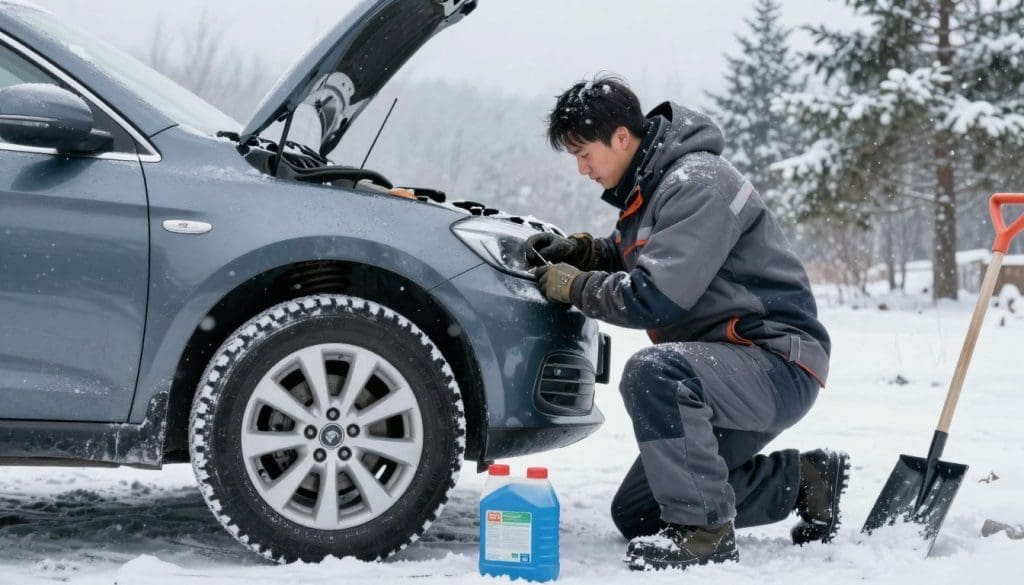
Don’t wait for the first frost to find out your car heater isn’t working. Taking proactive steps now can save you from a cold cabin when it gets really cold. Make sure your car’s cooling system is ready to go when you start the engine.
Preventative Maintenance Tips for Your Cooling System
Your cooling system is key to your car’s heating. Check all rubber hoses and metal clamps for cracking, bulging, or leaks. If a hose feels brittle or soft, it’s time to replace it before it breaks.
It’s also important to check your coolant’s quality. You should flush and replace your vehicle’s coolant every 30,000 to 50,000 miles. This keeps your heater working well and keeps you warm in winter.
When to Schedule Your Seasonal Inspection
The best time for a professional check is in late autumn, before the cold really sets in. A certified tech can do a pressure test on your cooling system. This finds hidden leaks that might not show up in daily driving.
Use the table below to keep track of your winter maintenance. This way, your car will be ready for the cold weather.
| Maintenance Task | Frequency | Importance Level |
|---|---|---|
| Coolant Flush | 30k – 50k Miles | Critical |
| Hose Inspection | Every 6 Months | High |
| Pressure Test | Before Winter | High |
| Cabin Filter Check | Annually | Moderate |
Conclusion
A reliable heating system keeps you safe and comfortable during cold winter drives. Ignoring minor temperature issues can lead to expensive engine damage. Or even complete system failure when you need warmth the most.
Proactive care protects your vehicle and ensures your daily commute remains pleasant. You deserve a cabin that stays cozy, no matter the freezing temperatures outside.
Heaven Automotive provides the expert diagnostics and repairs needed to restore your climate control system. Our team understands the specific needs of drivers in San Antonio. We work to keep your car running smoothly all season long.
Visit us at 6645 Poss Rd. San Antonio, TX 78238 to have your heating system inspected by our skilled technicians. You can reach our office at (210) 682-3898 to schedule your appointment today. Let our professionals handle your vehicle maintenance. So you can drive with total peace of mind.