

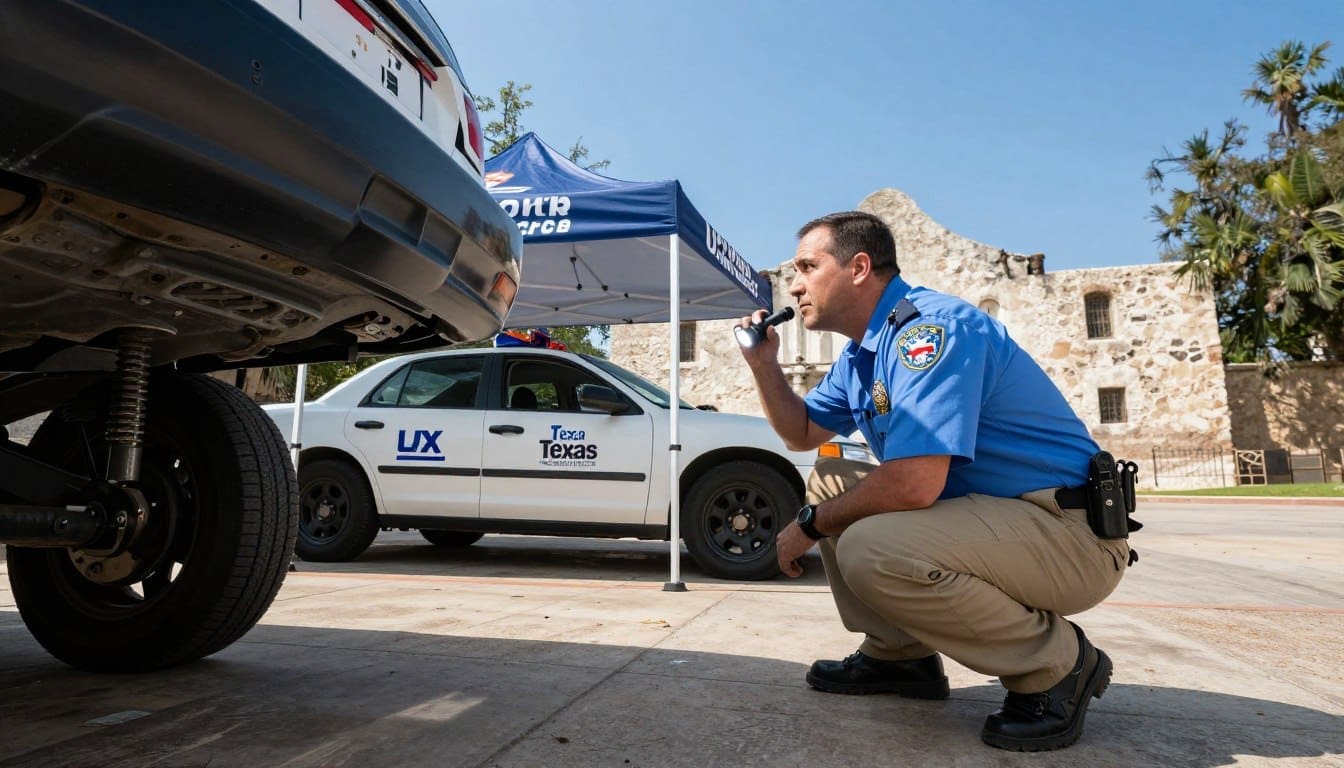
Dealing with car requirements can be a hassle. But, it’s essential for keeping your vehicle in top shape.
Looking for a State Inspection San Antonio service? Heaven Automotive is here to assist. Located at 6645 Poss Rd. San Antonio, TX 78238, our team guides you to meet local rules easily.
Call our expert staff at (210) 682-3898 to book your next appointment. We aim to make the process easy, clear, and quick for all drivers.
Key Takeaways
- Understand the mandatory requirements for your vehicle’s safety and emissions.
- Learn how professional maintenance keeps your car running at its best.
- Discover why choosing a trusted local shop simplifies the compliance process.
- Find out how to book your service quickly at our convenient location.
- Ensure your vehicle remains legally compliant throughout the year.
Understanding the Current Texas Vehicle Inspection Mandates
The rules for car maintenance in Texas have changed a lot as of 2025. If you drive in Texas, it’s key to know the vehicle inspection process has changed a lot. These updates aim to make getting your car registered easier for many people.
Starting January 1, 2025, Texas doesn’t need a safety check for cars not used for business. You don’t have to go to a shop to check things like windshield wipers or mirrors anymore. But, remember, you’re not off the hook for all state rules.
Even though safety checks are gone, emissions tests are a mandatory requirement in certain counties. If you live in a place that needs emissions tests, you must do it to renew your car’s registration. Knowing your local rules helps you avoid any renewal delays.
The table below shows the main changes in vehicle inspection rules:
| Requirement Type | Previous Status | Current Status (2025+) |
|---|---|---|
| Safety Inspection | Mandatory | Eliminated |
| Emissions Testing | Mandatory | Mandatory (Select Counties) |
| Registration Link | Required | Required |
| Non-Commercial Vehicles | Full Inspection | Emissions Only |
Check your county’s rules before your car’s registration is up. Even if the state doesn’t require a safety check, it’s up to you to keep your car in good shape. By being proactive, you make sure your car is safe and follows Texas laws.
The Role of State Inspection San Antonio Facilities
Getting a State Inspection San Antonio needs a reliable partner who knows local rules. These places are key to keeping our roads safe. They check every vehicle to make sure it’s safe and doesn’t harm the environment.
Local shops have the right tools and official papers for emissions tests. This skill is vital to find hidden problems that could cause big issues or pollution. At a professional center, you get detailed checks that go beyond a simple list.
Choosing a good State Inspection San Antonio center has many benefits for your car’s health:
- Honest Assessments: You get a clear report on your car’s condition.
- Legal Compliance: You get the right papers to keep your registration current.
- Preventative Insights: Technicians spot small problems before they cost a lot to fix.
Having experts check your car is essential for its performance and your peace of mind. Relying on certified pros keeps your car’s value up and makes San Antonio’s streets safer. Always choose quality service to keep your car in great shape for years.
Components Evaluated During Your Safety Inspection
Your vehicle has many key systems to keep you safe. Even with new rules for non-commercial vehicles, keeping these parts in good shape is key for your safety on the road.
Technicians do a detailed check to make sure your car works right. They focus on important areas to help you avoid dangers and keep your car reliable for daily use.
Braking System Performance Standards
The braking system is a top safety feature in your car. Technicians check your brakes to make sure they meet today’s road safety standards.
A good braking system lets you stop fast when you need to. Keeping your pads, rotors, and fluid levels up means your car stops right when you press the brake.
Lighting and Signal Functionality Requirements
Being able to signal to other drivers is key to avoiding accidents. Your lights and signals are checked to make sure you can signal your plans, like turning or changing lanes.
This check looks at your headlights, taillights, brake lights, and turn signals. Working lights are not just the law; they’re also key to safe driving in any weather.
Tire Condition and Tread Depth Regulations
Your tires are the only thing touching the road. Inspectors look at your tire condition and tread depth to make sure you have enough grip on Texas roads.
Having the right tread depth is key to not slipping on wet roads. Checking your tires often helps you stay in control and saves fuel while driving.
Navigating Emissions Testing Requirements in Texas
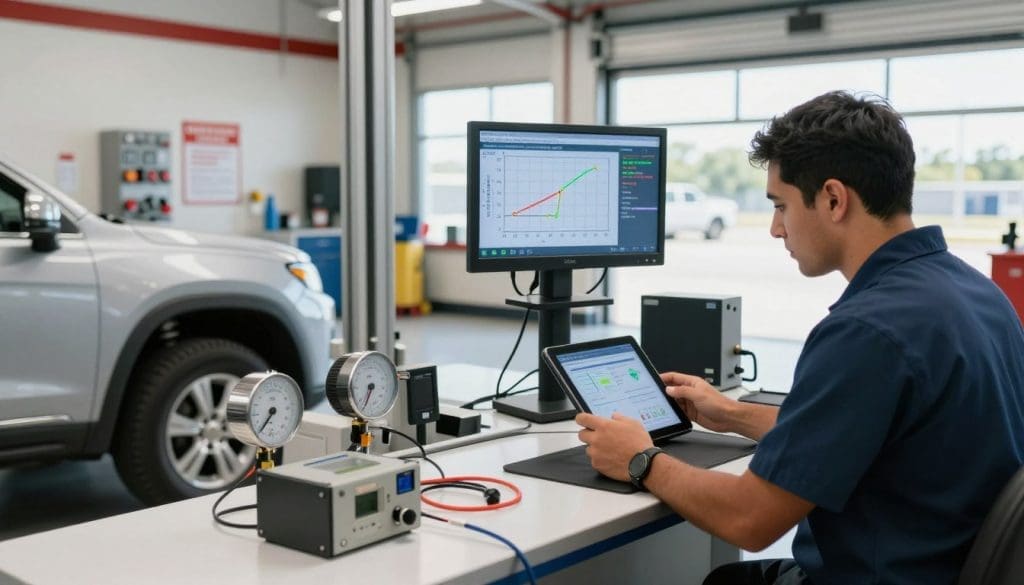
Knowing the rules for emissions testing is key to your car’s yearly check-up. These tests make sure cars meet air quality standards. Keeping your car in good shape helps make the air cleaner for everyone.
Identifying Vehicles Subject to Emissions Testing
Not all cars need the same level of check-up. It depends on where you registered your car. Cars in busy cities often need these tests to keep the air clean.
If you live in a county that requires it, your car must pass an emissions testing every year. This rule mostly applies to cars that are between two and twenty-four years old. Knowing your county’s rules helps you follow state laws.
How On-Board Diagnostic Systems Impact Results
Cars made in 1996 or later use the OBDII system. This system checks your engine and exhaust. A technician uses a scanner to read the data during the test.
If your car’s dashboard shows a “Check Engine” light, it means there’s a problem. You need to fix these issues before the test. Proactive repairs help avoid failing the test and keep your car safe to drive.
Preparing Your Vehicle for a Successful Inspection
Getting your vehicle ready for a Texas inspection can be easy. It’s important for both long-time residents and newcomers. Newcomers need to test their vehicles within 30 days to follow local laws.
Pre-Inspection Checklist for Drivers
Before you go to a testing facility, make a simple checklist. First, collect your current proof of insurance. It’s a must for the process. Then, sit in the driver’s seat and check your dashboard for any warning lights.
Next, walk around your vehicle to check the lights. Make sure your headlights, turn signals, brake lights, and license plate lights are working. This step helps avoid delays and extra visits during your Texas inspection.
Common Reasons for Inspection Failure
Many drivers are surprised by the common reasons for a failed inspection. A loose or damaged gas cap can cause an emissions failure. Ignoring a service light can also lead to a rejection during the Texas inspection.
Fixing these small issues before the inspection can save you trouble. Check the table below to see how common problems affect your results.
| Issue Type | Potential Impact | Resolution Difficulty |
|---|---|---|
| Loose Gas Cap | Emissions Failure | Very Easy |
| Check Engine Light | Diagnostic Failure | Moderate |
| Burnt Out Bulb | Safety Failure | Easy |
| Worn Tire Tread | Safety Failure | Moderate |
What Happens When Your Vehicle Fails the Inspection
If your vehicle doesn’t pass the vehicle inspection, it’s a clear sign of needed repairs. Getting a failure notice might be stressful, but it’s essential for your car’s safety. Fixing these problems quickly keeps everyone safe and your car in good shape.
Understanding the Vehicle Inspection Report
The report after a failed vehicle inspection gives you specific codes. These codes tell you exactly what’s wrong with your car. By looking at this report, you’ll know which parts need fixing before you go for another test.
Repair and Re-inspection Timelines
Texas law gives you a 30-day grace period to fix your car. You can make the needed repairs and then go back for another test. If you do this within 30 days, you won’t have to pay extra for the vehicle inspection.
It’s very important to fix your car within this 30-day window. If you don’t, you might face penalties or issues with your car’s legal status. Keep all your repair documents ready for a smooth re-inspection.
The Impact of Recent Legislative Changes on Texas Inspections
The 88th Legislature passed House Bill 3297, changing how Texas oversees vehicles. These changes aim to ease the burden on drivers while keeping safety and environmental standards high. It’s key for every driver to understand these changes for a Texas inspection today.
Transitioning Away from Traditional Safety Stickers
One big change is the end of safety stickers for non-commercial vehicles. Before, these stickers showed you passed inspection. The state has now moved away from this physical requirement to make things easier for car owners.
Even though safety stickers are gone for most cars, road safety is a top priority. This change is part of a bigger effort to update government services. You won’t have to remove old stickers when you renew your car’s registration.
How Registration and Inspection Integration Works
Even without stickers, linking your vehicle to your registration is key. In some areas, cars must pass an emissions test to renew registration. This Texas inspection info is sent to the state’s database, making things smooth.
At service centers, techs check your emissions status online. This integration ensures your registration renewal isn’t delayed by missing papers or old records. Keeping your emissions test up to date means your car meets all state rules without extra paperwork.
Financial Implications of Vehicle Inspections
Getting ready for a Texas inspection is more than just checking your lights. It’s about planning your budget. Knowing what your car might need helps you save money for the year. Some costs are set, but others can change based on your car’s needs.
Standard Inspection Fees and Costs
The state has rules for the cost of safety and emissions checks. These fees are the same at all certified places. Knowing these costs helps you plan your budget for the year. Planning ahead keeps you from facing unexpected expenses.
Potential Costs of Necessary Repairs
Repair costs can vary a lot, depending on what the scan finds. If your car doesn’t pass, you might need to fix it. For example, fixing a transmission can cost between $1,500 and $3,000.
Fixing small problems early can save you money. It keeps your car running well and saves you from big repair bills. Here’s a table to help you see how different services affect your Texas inspection budget.
| Service Category | Estimated Cost Range | Frequency |
|---|---|---|
| Standard Safety Inspection | $25 – $40 | Annual |
| Emissions Diagnostic Scan | $50 – $100 | As Needed |
| Minor Component Repair | $100 – $500 | Variable |
| Major Transmission Repair | $1,500 – $3,000 | Rare |
Choosing a Certified Inspection Station
Not all car shops are the same when it comes to Texas inspection. It’s key to pick a trusted shop. They should know the latest state rules and guide you on repairs.
What to Look for in a Professional Shop
Look for a clean and organized shop. They should be clear about costs and the Texas inspection process. Make sure they’re certified for emissions repairs.
Good shops give detailed reports on why your car failed. This helps avoid extra costs and keeps your car safe. Always check if they’re licensed by the state.
The Importance of ASE-Certified Technicians
The skills of the technicians are key for a smooth Texas inspection. Shops with ASE-certified techs show they care about quality. These experts can spot problems quickly.
Choosing a certified shop means your car is in good hands. They can tell if a problem is small or big. This saves you time and hassle.
| Feature | Certified Shop | General Repair Shop |
|---|---|---|
| ASE-Certified Staff | Always Present | Varies |
| RERF Certification | Included | Rarely |
| Diagnostic Accuracy | High | Moderate |
| Compliance Guidance | Comprehensive | Limited |
Common Myths About Texas State Inspections
Many rumors spread about Texas’s mandatory testing. Drivers often share old information, causing confusion. Knowing the truth helps make your vehicle inspection easier and less stressful.
Debunking Misconceptions Regarding Inspection Frequency
Some think you can skip tests if your car looks good. But, the state has rules to keep cars safe. Not following these rules can lead to fines and blocked registration.
Others believe new cars don’t need tests. While new cars might have special rules, most cars need an vehicle inspection every year. Always check your renewal notice for the exact date.
Clarifying Rules for Out-of-State Vehicles
Many think they can keep using old state tags in Texas. But, Texas has its own rules for new residents.
If you’ve moved to Texas, you must get your vehicle inspection within 30 days. Not doing this can cause problems with your car and lead to fines. It’s best to get this done quickly after moving.
| Common Myth | The Actual Reality | Action Required |
|---|---|---|
| New cars are exempt | Most vehicles require annual testing | Check registration date |
| Out-of-state tags are fine | 30-day limit for new residents | Visit a local station |
| Inspection is optional | Mandatory for legal operation | Schedule your appointment |
The Importance of Regular Maintenance Beyond Inspections
A successful Texas inspection comes from regular maintenance, not just last-minute fixes. Many people think of car health as an annual event. This can lead to unexpected breakdowns. By keeping up with maintenance all year, your car stays reliable and safe.
Preventative Care to Ensure Future Compliance
Keeping up with oil changes and fluid checks is key for your car’s health. These actions help your engine run cleaner, which is important for passing emissions tests. Proper maintenance avoids sudden failures during inspections.
Proactive care catches small problems before they grow. Fixing small leaks or worn parts early keeps your car up to state standards. This consistent effort is the best way to keep your car in top shape.
Extending Vehicle Lifespan Through Routine Service
Regular service does more than pass a Texas inspection; it also extends your engine and transmission’s life. Following the manufacturer’s service schedule protects your investment. It prevents small problems from turning into big, costly repairs.
Drivers who maintain their cars well face fewer breakdowns and better fuel efficiency. Here’s a table showing the benefits of proactive maintenance over reactive repairs.
| Maintenance Strategy | Cost Impact | Vehicle Reliability | Inspection Readiness |
|---|---|---|---|
| Proactive (Routine) | Low/Predictable | High | Always Prepared |
| Reactive (Last-Minute) | High/Emergency | Low | Risk of Failure |
| Neglectful | Very High | Poor | Likely Failure |
Safety Benefits of Mandatory Vehicle Inspections
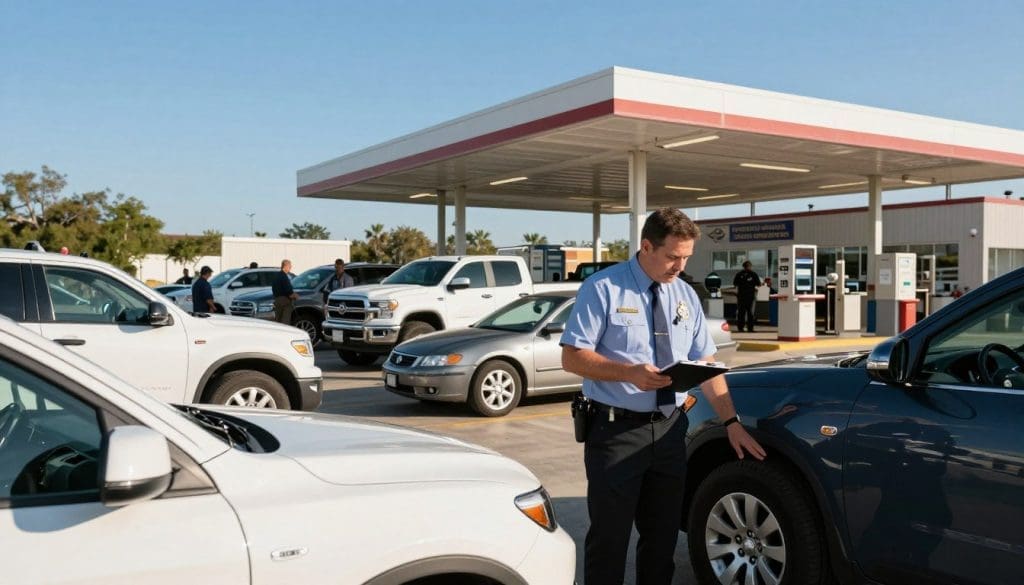
Mandatory vehicle inspections are key to keeping everyone safe on the road. They help find and fix serious problems before they cause harm. By getting a State Inspection San Antonio, you help avoid accidents from faulty vehicles.
Reducing Road Hazards in San Antonio
Keeping the roads safe is a team effort. The state sets high standards for vehicles to ensure they’re in good shape. Regular checks catch problems like bad brakes or lights before they cause trouble.
By keeping your car up to date, you make the roads safer for everyone. This is a big part of keeping our community safe. It stops small problems from turning into big dangers for drivers and walkers.
Environmental Protection Through Emissions Control
These inspections also help keep our air clean. Modern emissions testing finds vehicles that pollute too much. By keeping your car’s emissions in check, you help our community breathe easier.
Clean air is good for everyone’s health. Regular emissions testing keeps our air clean, even from older cars. This makes our future healthier and greener for all Texas drivers.
How Heaven Automotive Simplifies the Inspection Process
At Heaven Automotive, we value your time and peace of mind. We know managing your vehicle needs can be tough. That’s why we aim to make your State Inspection San Antonio experience easy.
Expert Diagnostic Services at 6645 Poss Rd.
Our place is at 6645 Poss Rd. San Antonio, TX 78238. We use the latest tech to check your vehicle fast and right. This ensures it meets all safety and emissions rules.
Need help or a time to come in? Call our team at (210) 682-3898. Our skilled techs spot issues early. This saves you time and money.
Streamlining Repairs for Faster Compliance
We work fast to get you driving safely again. Our efficient repair process means no long waits or worries.
Choosing us for your State Inspection San Antonio needs means top-notch service. We’re dedicated to keeping your car safe and legal on Texas roads.
Conclusion
Managing your vehicle needs doesn’t have to be stressful. Stay informed about current mandates and prioritize routine care to ensure safety and compliance.
Proactive maintenance is key to protecting your investment. It keeps your car running smoothly on Texas roads. Regular checkups prevent unexpected issues and keep you ready for every inspection cycle.
If you need expert guidance, Heaven Automotive is here to help. Visit us at 6645 Poss Rd. San Antonio, TX 78238 for reliable service and professional support.
Call us at (210) 682-3898 to schedule your visit today. Let Heaven Automotive help you keep your vehicle in top condition for years to come.