

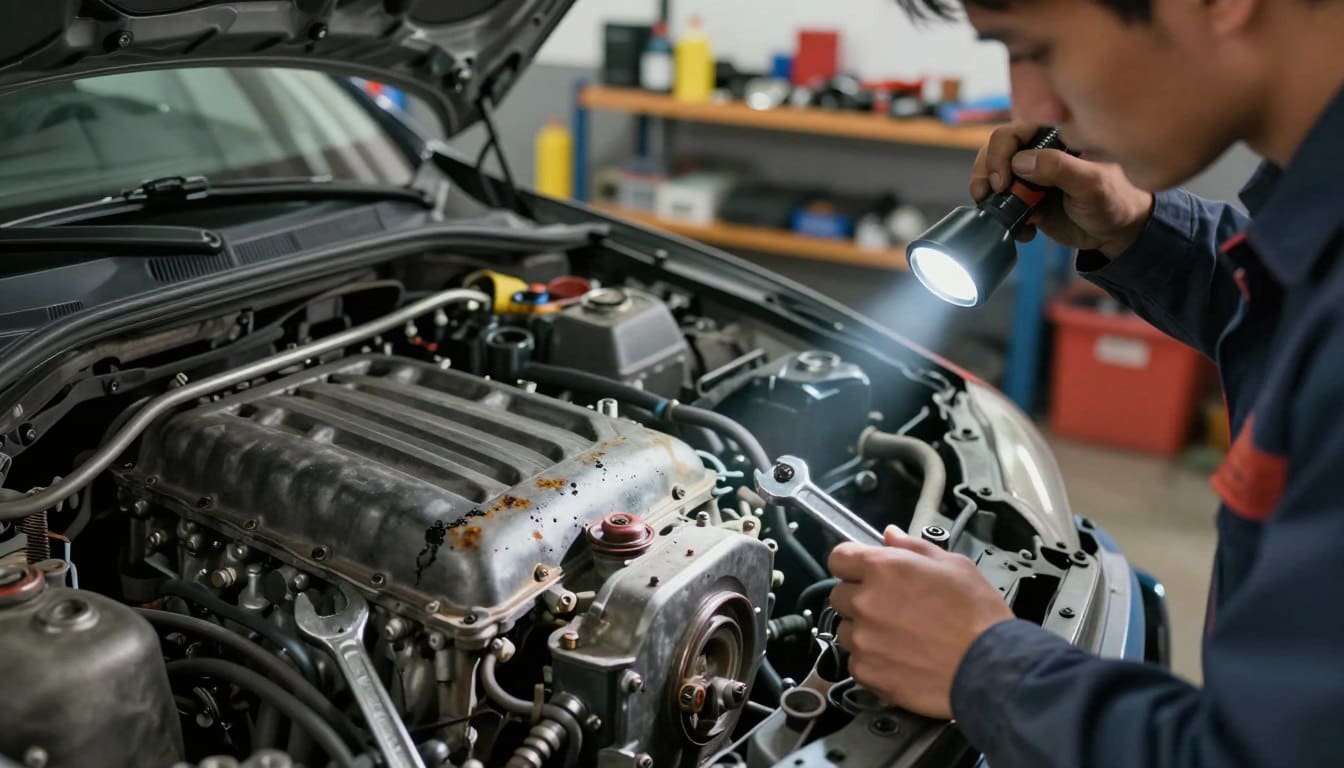
Ever ignored a strange noise or a flickering dashboard light in your car? Many drivers overlook these small warnings, hoping they will disappear. But, ignoring these early signs often leads to big mechanical failures.
A small issue, like a minor coolant leak, can quickly turn into a blown engine. Replacing a motor can cost between $2,250 and $4,500. Protecting your investment means acting fast before a small problem becomes a huge financial burden.
If you notice any concerning changes in your car’s performance, don’t wait for it to get worse. Contact Heaven Automotive at 6645 Poss Rd. San Antonio, TX 78238 or call (210) 682-3898 for expert help today.
Key Takeaways
- Minor vehicle noises or lights are often early warnings of larger mechanical failures.
- Addressing small issues immediately prevents the need for costly engine replacements.
- A remanufactured engine can cost thousands of dollars, making preventative maintenance vital.
- Regular inspections help you avoid the high costs associated with major vehicle breakdowns.
- Professional mechanics at Heaven Automotive can diagnose and fix problems before they escalate.
The Reality of Expensive Repairs That Start With Simple Symptoms
The journey from a simple symptom to a total engine breakdown is quicker than you think. Many drivers don’t realize how fast a small problem can turn into a big expense. Spotting these early signs is key to avoiding expensive repairs that could have been stopped early.
Understanding the Lifecycle of Automotive Failure
Every part of a car works together as a system. When one part starts to fail, it puts stress on others. For instance, a small coolant leak might seem minor, but it can cause the engine to overheat and fail.
This domino effect is why small problems can quickly get worse. By the time you notice a big drop in performance, the initial problem has likely damaged other important parts. Fixing these simple symptoms early is vital to keep your car running well.
The Psychology Behind Ignoring Minor Vehicle Issues
It’s natural to hope a strange noise or a flickering light will fix itself. Many owners delay getting their car checked because they worry about the cost or the hassle of being without a car. This avoidance behavior often comes from wanting to save money in the short term.
But ignoring these signs usually leads to expensive repairs later. You’re trading a small maintenance task for a bigger, more complex problem. Changing your mindset to proactive care is the best way to protect your investment and stay safe on the road.
The Financial Impact of Neglected Maintenance
Delaying service might seem like saving money, but it’s actually a costly mistake. Each missed appointment at the shop increases your neglected maintenance cost. Skipping a check-up might seem minor, but it can lead to huge expenses.
Calculating the Cost of Delaying Repairs
Ignoring small issues can lead to small car symptoms big repairs that empty your wallet. A simple fluid leak can destroy an engine block if not fixed. Also, not following the manufacturer’s service schedule can invalidate your factory warranty, making major repairs very expensive.
Think about the difference between regular maintenance and emergency repairs. Routine checks are affordable and predictable. Emergency repairs, on the other hand, include towing, diagnostics, and expensive part replacements that could have been avoided with regular care.
Long-term Value Depreciation of Your Vehicle
Your car is a big investment, and its resale value depends on its service history. A well-maintained car keeps its value better than a neglected one. When you sell or trade in your car, buyers look for evidence of regular care.
Ignoring basic upkeep speeds up your car’s depreciation, making it a financial loss. Buyers are wary of cars with signs of neglected maintenance, fearing hidden problems. By keeping up with maintenance, you protect your investment and keep your car valuable for years.
Warning Signs of Engine Overheating
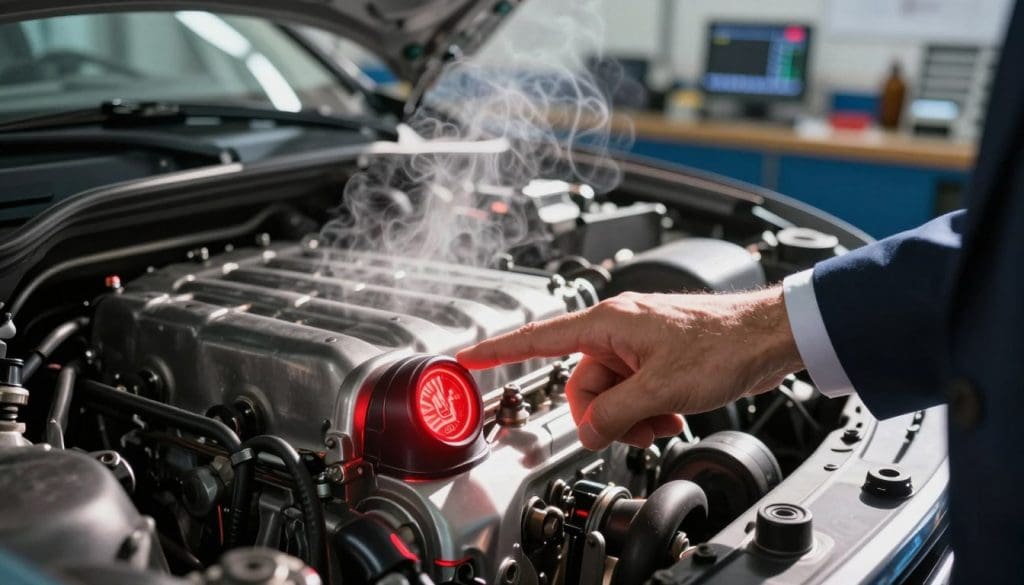
Ignoring early warning signs can lead to big repairs for small cars. When your car runs hotter than usual, it’s not by chance. It’s often because the cooling system has been neglected for a while.
Spotting these signs early can prevent a complete engine failure. Proactive maintenance keeps your car running smoothly.
Identifying Early Coolant Leaks
A slow coolant leak is a common sign of overheating. You might smell a sweet, syrupy smell or see bright puddles under your car after parking.
Don’t ignore these signs. They mean your cooling system is losing pressure. Check your coolant reservoir regularly to catch leaks early.
The Catastrophic Risk of a Blown Head Gasket
Driving a hot engine can blow a head gasket. This is a serious problem that can cost a lot to fix.
Fixing a blown head gasket can cost about $2,000. This is because ignoring cooling system problems can lead to it. Here’s how these issues progress.
| Symptom | Potential Cause | Repair Urgency |
|---|---|---|
| Sweet Odor | Minor Coolant Leak | Moderate |
| Temperature Spike | Thermostat Failure | High |
| White Exhaust Smoke | Blown Head Gasket | Critical |
| Engine Stalling | Total Overheating | Emergency |
The Hidden Dangers of Minor Oil Leaks
A small oil leak might seem like no big deal, but it can be a warning sign of a bigger issue. If you see dark brown or black fluid under your car, it means your engine is losing oil. This can cause serious problems that cost a lot more to fix than just replacing a gasket.
Why Small Drips Lead to Major Engine Seizure
Your engine needs just the right amount of oil to run smoothly. If there’s an oil leak, the oil level goes down. This makes the remaining oil work too hard, leading to too much friction and heat.
When the oil level gets too low, the engine can’t cool itself down. This often causes engine seizure, where parts weld together because of the heat. Fixing this usually means replacing the whole engine.
Environmental and Mechanical Consequences of Oil Loss
An oil leak is not just bad for your car. It can also harm the environment. Oil that spills on your driveway can get into storm drains and pollute local water. Keeping your car leak-free helps protect the environment and your vehicle.
Oil also helps cool your engine. Without enough, the engine can overheat quickly. Fixing leaks early keeps your car running well and safely.
Unusual Noises and What They Signal
Listening to your vehicle can reveal hidden problems. Issues like a oil leak or a failing belt can be detected. Your car communicates its health through specific sounds. By listening, you can fix small problems before they become big ones.
Squealing Belts and Impending Accessory Failure
A high-pitched squealing sound often means trouble. It’s usually from loose or worn power steering, fan, or air conditioning belts. When these belts lose tension, they slip and wear out fast.
Ignoring this sound can lead to losing power steering or engine cooling. Sometimes, an oil leak can make these belts squeal early. Checking for fluid spots in the engine bay can help prevent this.
Grinding Brakes and the Risk to Rotors
Grinding noises when braking mean you need to act fast. This sound usually means your brake pads are gone, leaving the metal to scrape against the rotor. Ignoring this warning can damage your rotors, making a simple fix expensive.
Brake issues and an oil leak both show the dangers of neglect. Regular checks keep your brakes working well. Always listen to these warnings to keep your car safe and valuable.
Dashboard Warning Lights You Should Never Ignore
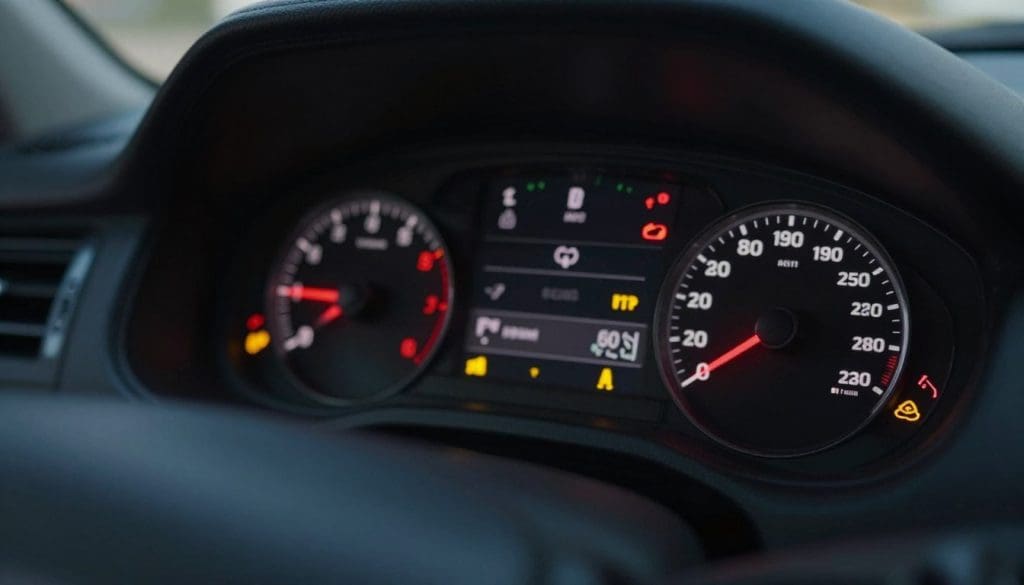
Your dashboard talks to you about your car’s health. Modern cars have smart sensors to warn you of problems early. When lights come on, they mean your car needs a pro to check it.
Decoding the Check Engine Light
The check engine light is often misunderstood. It can mean a loose gas cap, but it can also show serious issues. For example, a failing camshaft can cost $1,500 to $3,000 to fix.
Ignoring this light can lead to expensive engine damage. Fixing problems early stops bigger problems. Always take this light seriously.
The Urgency of Oil Pressure and Temperature Alerts
Oil pressure and temperature alerts need immediate action. These systems keep your engine running. If you see these lights, pull over and turn off the engine to avoid damage.
- Oil Pressure Light: Shows a lack of oil, which can cause engine failure in minutes.
- Temperature Warning: Means your cooling system has failed, risking engine damage.
- Battery/Charging Light: Warns of electrical issues, leaving you stranded.
Listening to your car’s warnings is key to keeping it running well. Proactive maintenance saves money compared to big repairs. When your car speaks, it’s wise to listen.
Vibrations and Handling Issues as Early Indicators
Your car tells you how it’s doing through how it feels on the road. If your car handles differently, it’s not just the road’s fault. These changes are often early warning signs of mechanical problems that could be dangerous if ignored.
By noticing these changes, you can fix issues before they cost a lot to repair. Finding out why your car vibrates or pulls helps keep you safe and your car running well for longer.
Suspension Wear and Tire Damage
The suspension keeps your tires touching the road. If shocks or struts fail, your car might feel bouncy or unstable. You can test this by pushing down on each corner of your car.
If your car bounces more than twice after you stop pushing, your shocks are worn out. This makes your tires wear unevenly. Over time, this can hurt your traction and make you need to replace tires too soon.
Steering System Complications
A loose or pulling steering system means something’s wrong with alignment or parts. A vibrating steering wheel at high speeds usually means tire imbalance or a worn tie rod end. Ignoring these signs can make driving very dangerous.
Also, if your steering wheel is off-center while driving straight, your alignment is off. This puts extra stress on your steering rack. Fixing these problems early keeps your car safe and responsive for every trip.
The Role of Fluid Degradation in System Failure
Think of the fluids in your engine and transmission as the lifeblood of your car. Just like your body needs clean blood, your car needs good fluids to work right. When these fluids break down, they can’t do their job, leading to wear and failure.
Many drivers don’t check their fluids until it’s too late. By then, damage is done. Checking your fluids regularly can save you from big repair costs and keep your car running well for a long time.
Transmission Fluid and Gearbox Longevity
Your transmission fluid helps your car shift gears smoothly. But, heat can make it break down, causing friction and overheating. Ignoring these signs can lead to a costly transmission failure.
Replacing a transmission can cost between $4,000 and $5,000. Regular fluid flushes can prevent this. Consistent maintenance keeps your gearbox working well, avoiding expensive repairs.
Brake Fluid Contamination and Stopping Power
Brake fluid absorbs moisture, which lowers its boiling point. This can make your brakes fail during hard stops. It’s a serious safety risk.
Dirty brake fluid can also corrode your brake lines and master cylinder. Flushing your brakes regularly is critical for your safety. It keeps your brakes strong and reliable when you need them most.
| Fluid Type | Primary Function | Failure Risk | Maintenance Interval |
|---|---|---|---|
| Transmission | Gear Lubrication | Total Gearbox Seizure | 30k – 60k Miles |
| Brake | Hydraulic Pressure | Loss of Stopping Power | 24 Months |
| Coolant | Heat Dissipation | Engine Overheating | 30k – 50k Miles |
Electrical Gremlins and Battery Health
Many major electrical breakdowns start with a simple, neglected connection. Modern vehicles are marvels of engineering but are highly sensitive to power supply quality. When your electrical system starts to falter, it often shows unpredictable behavior that can leave you stranded at the worst moment.
Ignoring these early warning signs rarely pays off in the long run. By addressing minor connectivity issues immediately, you protect your vehicle’s electronic architecture. Proactive maintenance is the most effective way to keep these elusive gremlins at bay.
Alternator Strain and Battery Failure
Your battery and alternator work together to keep your car running smoothly. When a battery loses its ability to hold a charge, the alternator must work overtime. This constant strain often leads to premature alternator failure, turning a relatively inexpensive battery replacement into a much costlier repair.
If you notice your headlights dimming while idling or your interior lights flickering, your charging system is struggling. These symptoms indicate that your alternator is fighting to keep up with the electrical load. Failing to address this imbalance will eventually cause the system to collapse, leaving you with a vehicle that refuses to start.
The Impact of Corroded Terminals on Vehicle Electronics
Corroded or loose battery terminals are a common culprit behind many mysterious electrical faults. Even if your battery is perfectly functional, a layer of oxidation can create enough resistance. This resistance prevents the necessary current from reaching your engine, making a healthy battery appear dead or defective.
Beyond starting issues, poor connections can wreak havoc on your vehicle’s sensitive onboard computers. Voltage fluctuations caused by loose or dirty terminals can trigger false error codes and erratic sensor readings. Keeping your terminals clean and tightly secured is a vital step in ensuring your vehicle’s electronics operate as intended.
Why Procrastination Increases Repair Costs
Your car is a complex system where one problem can lead to another. Delaying a simple fix means you’re increasing the neglected maintenance cost that will hit your wallet.
Many think waiting to see a mechanic saves money. But, this often leads to unexpected breakdowns and more expensive repairs later.
The Domino Effect of Component Failure
Modern cars have many systems working together. A failing part can stress other parts. For example, a worn-out belt might seem small, but it can damage important engine parts.
This chain reaction is called the domino effect. When a part fails, the system gets out of balance. This leads to more problems. By then, you might need a big overhaul instead of just replacing a part.
How Early Intervention Saves Thousands
Fixing problems early is the best way to protect your car. Early action keeps your car running well and saves on fuel. This means you spend less at the pump and avoid being stuck on the side of the road.
The neglected maintenance cost is more than just parts. It includes losing your car’s value and the hassle of big repairs. By being proactive, you can avoid expensive engine or transmission failures. Taking action today keeps your car running for years.
Long-term, caring for your car saves more money than delaying repairs. Reducing your neglected maintenance cost is about taking care of your car before small problems become big ones.
The Importance of Professional Diagnostics
Modern cars are complex machines that often need more than just intuition to fix right. While you might feel confident with basic maintenance, deeper mechanical issues need more attention. Relying on professional diagnostics helps you find the real problem, not just the symptoms.
Why DIY Troubleshooting Often Falls Short
Trying to fix complex issues yourself can lead to misdiagnosis. You might replace a part that’s fine, but the real problem stays. This cycle of trial and error can cost you a lot and cause a lot of frustration.
Also, many modern systems are connected, so a problem in one area can cause warning lights in another. Without the right training, it’s easy to miss these connections. Professional technicians know how to read these patterns, saving you from unnecessary repairs.
Utilizing Advanced Diagnostic Tools for Accuracy
Today’s vehicles use advanced onboard computers that store error codes when something goes wrong. To access these codes, you need specialized diagnostic scanners that are more advanced than basic handheld readers. These tools give real-time data that helps mechanics find the exact problem.
It’s important to remember that many repair shops charge for this diagnostic time. Even if you choose to have the repair done elsewhere, this cost is often worth it. By paying for an accurate diagnosis, you avoid the financial risk of guessing and make sure your vehicle gets the right care.
| Feature | DIY Troubleshooting | Professional Diagnostics |
|---|---|---|
| Accuracy | Low (Guesswork) | High (Data-driven) |
| Tool Quality | Basic/Generic | Advanced/Manufacturer-grade |
| Cost Efficiency | High risk of wasted parts | Optimized for long-term savings |
| Safety | Variable | Guaranteed compliance |
Current Trends in Automotive Reliability and Repair
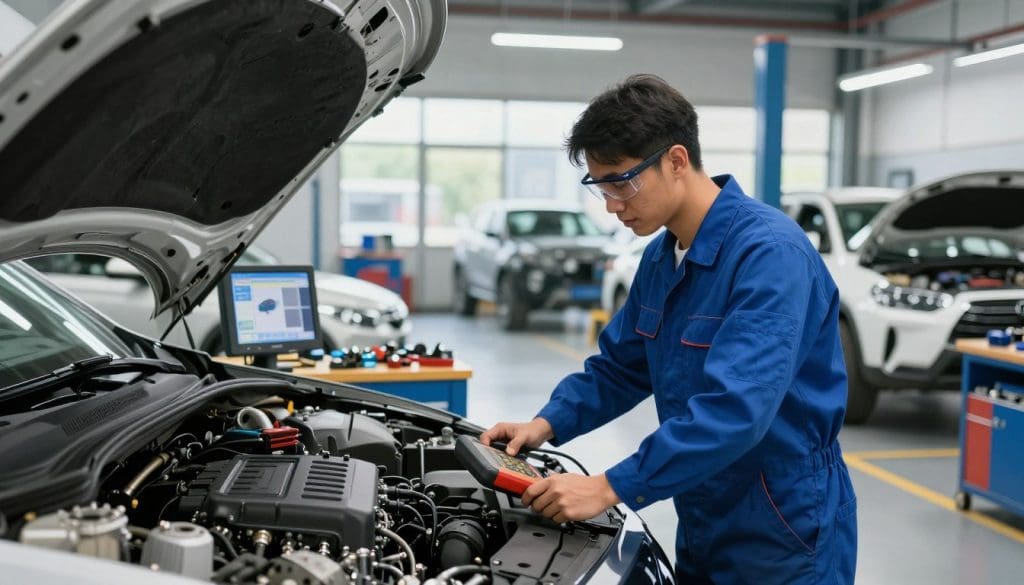
Vehicle engineering is getting more advanced, and so is car care. Today’s cars are not just metal and wires; they’re complex computers and sensors. Staying ahead of car problems means understanding these systems better.
Modern Vehicle Complexity and Maintenance Needs
Modern cars use advanced electronic systems for everything from fuel to brakes. Old-school mechanics often can’t handle these systems without special tools. Advanced diagnostic tools are key to spotting issues early.
Not using the right tools can cause big problems. If sensors send wrong signals, the engine might not work right. This can damage your car’s parts over time. Getting professional help keeps your car’s systems working well together.
The Shift Toward Preventative Care in San Antonio
In San Antonio, people are choosing to fix small problems before they get big. This approach can make your car last longer and save you money. It also means less stress and fewer emergency repairs.
Heaven Automotive, at 6645 Poss Rd. San Antonio, TX 78238, leads this change. Our team offers the expert services needed for your car’s health. Call us at (210) 682-3898 for a detailed check-up and to protect your car.
| Maintenance Strategy | Primary Focus | Long-term Benefit |
|---|---|---|
| Reactive Repair | Fixing broken parts | High emergency costs |
| Preventative Care | System health checks | Increased reliability |
| Professional Diagnostics | Software analysis | Early issue detection |
Conclusion
Spotting small vehicle issues early can save you from big repair bills. It keeps you safe and calm by fixing problems before they get worse. This way, you avoid major breakdowns.
Regular car care helps your engine and transmission last longer. It’s cheaper to get regular checks than to deal with emergencies. A well-maintained car is a reliable friend for your daily trips.
For top-notch vehicle care, contact Heaven Automotive. Visit them at 6645 Poss Rd. San Antonio, TX 78238 for a detailed check-up. Call (210) 682-3898 to book your appointment. Taking care of your car now means it will be with you for many years.