

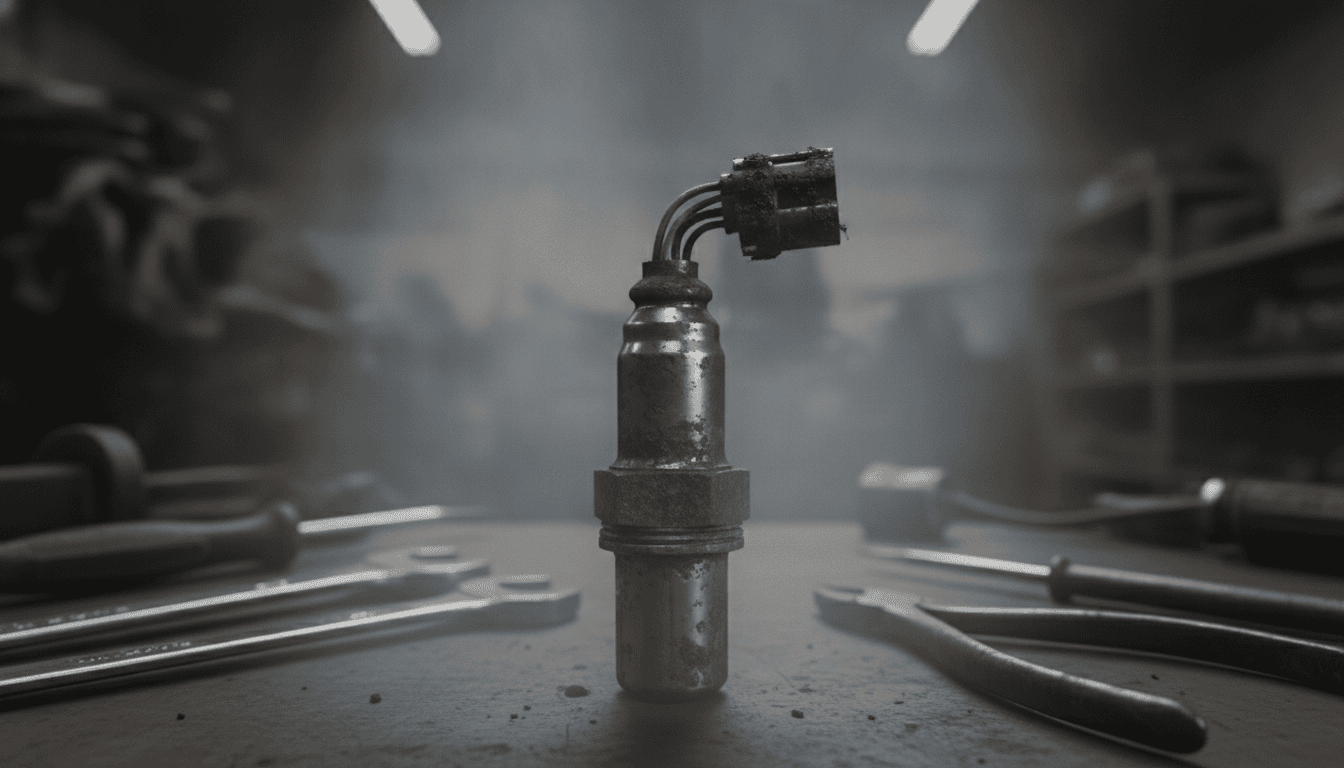
Have you noticed your car struggling lately? A bad O2 sensor may hide behind engine trouble. This small part helps your vehicle run well each day.
When this part fails, your car’s computer receives incorrect data. This can hurt fuel economy and raise your vehicle emissions. Ignoring these signs may damage your catalytic converter and bring costly repairs.
Acting quickly helps protect your wallet and the environment. Professional oxygen sensor replacement helps your engine run at peak efficiency again. You do not have to handle these complex repairs alone.
At Heaven Automotive, we diagnose and fix these exact issues. Trust our expert team to restore your car’s health and get you back on the road confidently. Contact us today to schedule your service.
Key Takeaways
- A faulty sensor significantly lowers your gas mileage.
- Ignoring engine warnings can lead to costly catalytic converter failure.
- Incorrect exhaust data forces your engine to run inefficiently.
- Timely repairs help your vehicle pass mandatory smog tests.
- Heaven Automotive provides professional diagnostics for all exhaust system issues.
What Is an Oxygen Sensor?
Ever wondered how your car balances fuel and air? A tiny oxygen sensor provides the answer. This key part gives real-time data to your engine management system. At Heaven Automotive, understanding the oxygen sensor definition helps you become a more informed vehicle owner.
Definition and Functionality
An exhaust sensor measures unburned oxygen in exhaust gases after combustion. It sends this data to the ECU, or Engine Control Unit, your vehicle’s brain. Using these readings, the computer makes tiny fuel-to-air adjustments to help the engine run as efficiently as possible.
When the mixture is too rich or lean, the sensor finds the problem at once. This balance improves fuel economy and cuts harmful emissions. Properly functioning sensors are vital for engine life and environmental health.
Different Types of Oxygen Sensors
Modern vehicles often use several sensors to watch different exhaust stages. Knowing the difference between an upstream vs downstream sensor helps with accurate diagnosis. An upstream sensor sits before the catalytic converter, while a downstream sensor sits after it.
The downstream sensor mainly checks the catalytic converter’s efficiency. Some complex vehicles may use up to four sensors across separate cylinder banks and exhaust paths. They help ensure full system compliance. If you do not know which sensor needs attention, the experts at Heaven Automotive are ready to assist with a professional inspection.
How Oxygen Sensors Impact Your Vehicle’s Performance
Your vehicle needs a careful balance of air and fuel to run well whenever you turn the key. This air-fuel ratio helps the engine burn fuel fully and cleanly. A poor balance can reduce power and response.
Engine Efficiency
The oxygen sensor sends feedback to the engine control unit. This lets it adjust fuel delivery in real time. A failed sensor may cause a P0171 lean condition.
This means too much air and too little fuel enter the combustion chamber. The imbalance can hurt throttle response and engine efficiency.
At Heaven Automotive, we often see drivers ignore these signs until engines misfire or hesitate. A professional diagnosis matters because a lean code may not mean a bad sensor. A vacuum leak or fuel delivery issue may need expert attention.
Fuel Economy
Bad sensor data makes the engine guess its fuel needs. The computer may add too much fuel, which lowers your fuel economy. You may visit the gas station more often than before.
A healthy sensor helps your vehicle run within its designed limits. Precise combustion can protect your wallet and the environment. The following table shows how sensor conditions affect daily driving.
| Sensor Status | Performance Impact | Fuel Consumption |
|---|---|---|
| Optimal | Smooth acceleration | Standard efficiency |
| Degraded | Sluggish response | Increased usage |
| Failed | Engine misfires | Poor fuel economy |
Signs You Need Oxygen Sensor Replacement
Spotting common o2 sensor symptoms early helps protect your vehicle’s health and performance. If your car acts strangely, a faulty sensor in the exhaust system may be the cause. At Heaven Automotive, we provide accurate tests so you pay only for needed repairs.
Warning Light Alerts
The most common warning is your check engine light. This light can point to many problems, including an O2 sensor code saved in your vehicle’s computer. However, the code does not always mean the sensor itself has failed.
Our technicians use advanced tools to read live data and compare sensor actions with expected voltage ranges. This helps prevent needless oxygen sensor replacement when faulty wiring or a vacuum leak causes the problem.
Rough Idling and Engine Performance Issues
A failing sensor can upset the air-fuel mix needed for smooth engine operation. Your engine may begin stumbling at stoplights or hesitate during acceleration. In severe cases, these problems can cause misfires or stalling.
Decreased Fuel Efficiency
Wrong sensor data may make the engine control unit add too much fuel to the combustion chamber. Your gas mileage may drop, which you will notice at the pump. Quick repairs can help protect your catalytic converter from lasting damage.
| Symptom | Potential Impact | Recommended Action |
|---|---|---|
| Check Engine Light | Emissions non-compliance | Professional Diagnostic |
| Rough Idling | Poor combustion | System Inspection |
| High Fuel Usage | Increased costs | Sensor Testing |
| Engine Hesitation | Reduced power | Performance Check |
The Cost of Ignoring an Oxygen Sensor Issue
Ignoring a small sensor issue can lead to much larger repair costs later. Your vehicle needs precise data to work properly, so delaying service can create bigger problems. A failed sensor disrupts the air-fuel mixture and puts extra stress on the engine.
Long-term Financial Implications
A bad sensor makes the engine run too rich or too lean. This lowers fuel economy, so you spend more at the pump each week. Over time, this waste puts heavy strain on the exhaust system.
The most serious risk is catalytic converter damage. A new converter costs far more than the original oxygen sensor cost. These delayed repairs can cause several common problems:
- Increased fuel consumption due to poor combustion.
- Overheating of the exhaust system components.
- Permanent catalytic converter damage requiring a full replacement.
- Reduced engine power and sluggish acceleration.
Emissions Test Failures
Modern vehicles must meet strict environmental standards to stay legal. If the sensor gives wrong data, your car may have an emissions failure during its next state inspection. This can block registration renewal and keep your vehicle off the road.
Avoiding an emissions failure is easier when you find the problem early. At Heaven Automotive, we offer expert diagnostic services to find sensor issues before they grow. Quick repairs can keep repair costs manageable and help your vehicle meet environmental rules.
Oxygen Sensor Replacement Process
When you bring your car in, a technician examines the sensor problem. A professional oxygen sensor replacement is not just part swapping; it restores vehicle efficiency through precise work. At Heaven Automotive, we follow a strict process to help your engine perform at its peak.
Diagnostic Checks
The process starts with comprehensive diagnostic testing to confirm the trouble’s source. Our technicians connect an OBD-II scanner to retrieve any stored O2 sensor code. This step shows us which sensor is failing.
We also study live data from the engine control unit. It shows how the sensor reacts during real-world driving conditions. Checking this data confirms the sensor problem, not a wiring or vacuum leak.
Removal of the Old Sensor
Removing an old sensor can be hard because it sits in the hot exhaust system. Heat can make its metal threads seize or rust over time. Specialized tools and penetrating oils often loosen it without damaging the exhaust pipe.
Our team at Heaven Automotive uses professional-grade equipment to remove the faulty part safely. We protect nearby exhaust components during this delicate step. You can trust our experts to extract it with care and precision.
Installation of the New Sensor
After removal, we prepare the new sensor’s mounting point. We apply high-temperature anti-seize compound to its threads for easier future maintenance. Then we install the sensor and tighten it to the manufacturer’s exact torque specifications.
After installation, we perform a final scan, clear the computer memory, and confirm proper operation. If your vehicle needs attention, contact Heaven Automotive at (210) 682-3898 to schedule service today. We provide accurate repairs that help you return to the road with confidence.
Choosing the Right Oxygen Sensor for Your Vehicle
Not all oxygen sensors are the same, and the wrong one can cause lasting engine problems. Choosing the right part helps protect fuel economy and overall vehicle health. At Heaven Automotive, we help you find the exact sensor your vehicle needs.
OEM vs. Aftermarket Sensors
Replacement shoppers usually choose between the OEM oxygen sensor and the aftermarket sensor. An OEM part comes from the original equipment maker, so it meets your vehicle’s factory specifications. These parts offer guaranteed reliability and work smoothly with your engine computer.
An aftermarket sensor comes from a third-party company. These parts often cost less, but quality can vary widely by brand. Some high-quality aftermarket options match factory parts, while others lack the calibration your engine needs.
Compatibility Considerations
Proper vehicle compatibility needs more than a matching part number. You must tell the upstream vs downstream sensor apart because each has a different exhaust-system job. The upstream sensor checks the air-fuel mix before the catalytic converter; the downstream sensor checks converter efficiency.
You must also check wiring length, connector design, and sensor calibration. The wrong sensor can turn on the check engine light or reduce fuel economy. Our team at Heaven Automotive checks your engine and exhaust setup before installation.
| Feature | OEM Sensor | Aftermarket Sensor |
|---|---|---|
| Cost | Higher | Lower |
| Calibration | Factory Precise | Variable |
| Reliability | High | Brand Dependent |
| Installation | Plug-and-Play | May Require Adapters |
Benefits of Timely Oxygen Sensor Replacement

A faulty sensor can keep your vehicle from running at its best. With oxygen sensor replacement, the engine control unit gets accurate data again. This data helps the system adjust fuel delivery to changing driving conditions.
At Heaven Automotive, we stress early repairs to prevent more exhaust system damage. When your engine runs as designed, you protect your investment and enjoy a more reliable ride.
Improved Fuel Economy
A working sensor supports proper combustion efficiency. Accurate feedback helps the engine keep the right air-to-fuel ratio. This balance brings improved fuel economy, so each gallon takes you farther.
Without a working sensor, your engine may run “rich” and burn too much fuel. A timely repair stops waste at the pump and helps your engine run smoothly.
Reduced Emissions
Keeping your vehicle in good shape also helps protect the environment. A healthy sensor helps the catalytic converter work correctly and supports reduced emissions. This lowers your vehicle’s overall carbon footprint.
Timely maintenance can also help you avoid failed mandatory state inspections. When you trust the experts at Heaven Automotive, your car can meet all necessary standards and support cleaner air in your community.
Common Myths About Oxygen Sensors
You may hear that an oxygen sensor has a strict expiration date. In reality, its life can vary widely. Many owners expect fixed mileage intervals, but the oxygen sensor lifespan depends on specific driving habits and environmental factors.
Misconceptions About Replacement Frequency
Some sources suggest a fixed sensor replacement frequency. Professional technicians know sensors often last between 60,000 and 90,000 miles. This range is not guaranteed; engine oil consumption, coolant leaks, or poor fuel quality can shorten sensor life.
At Heaven Automotive, we favor evidence-based diagnostics over fixed replacement schedules. We test each component’s performance before recommending work. This approach helps you pay only for repairs your vehicle needs.
Beliefs About Sensor Functionality
Another myth says any check engine light about air-fuel ratios means a faulty sensor. For example, a P0171 lean condition code can cause panic and immediate sensor replacement. A vacuum leak or failing fuel pump often causes this code, meaning too much air or too little fuel.
Recognizing the correct o2 sensor symptoms helps accurate troubleshooting. Poor fuel economy or sluggish acceleration does not always mean sensor failure. Our team scans the full system to find the cause and prevent needless parts replacement.
| Common Myth | The Reality | Recommended Action |
|---|---|---|
| Sensors expire at 50k miles | Lifespan varies by condition | Test before replacing |
| P0171 always means bad sensor | Often a vacuum leak | Perform full diagnostics |
| All sensors fail at once | Individual sensors vary | Check specific sensor data |
The Role of Oxygen Sensors in Emissions Control
Your car needs precise exhaust checks to help protect the environment. A network of sensors tracks combustion and keeps exhaust as clean as possible. When they work well, these parts guard your car’s exhaust system.
At Heaven Automotive, we know these parts help your vehicle meet modern standards. Without accurate sensor data, the engine cannot adjust the fuel mixture. This problem can cause an emissions failure during state inspections.
Regulatory Standards
Government agencies set strict limits on vehicle exhaust gases. These emissions control rules protect public health by limiting harmful output. Your car’s computer uses sensor data to stay within legal limits.
Faulty sensors may push your vehicle above legal pollutant limits. This can lead to several problems:
- Automatic rejection during mandatory state inspections.
- Increased fines for operating a non-compliant vehicle.
- The need for expensive repairs to restore factory settings.
Environmental Impact
Your vehicle also affects the air we breathe. Proper catalytic converter monitoring helps neutralize toxic gases before they leave the tailpipe. When sensors fail, vehicle pollution can rise sharply.
Wrong fuel mixtures can increase harmful substances, including:
| Pollutant Type | Environmental Effect | Sensor Role |
|---|---|---|
| Carbon Monoxide | Reduces oxygen levels | Adjusts fuel ratio |
| Nitrogen Oxides | Causes smog formation | Optimizes combustion |
| Unburned Hydrocarbons | Contributes to air toxicity | Protects the converter |
By prioritizing catalytic converter monitoring, you help block these dangerous compounds. If you suspect excess vehicle pollution, bring your car to Heaven Automotive for a professional diagnostic check. We specialize in finding the root cause of any emissions failure and keeping your car clean and efficient.
DIY vs. Professional Oxygen Sensor Replacement
When your check engine light flickers, decide whether to handle the oxygen sensor replacement.
Your choice between a DIY sensor replacement and expert help depends on your skills and tools.
Pros and Cons of DIY Approach
The main benefit of doing the work yourself is a lower total oxygen sensor cost. Buying the part and doing the labor helps you avoid shop fees and scheduling conflicts.
This choice can be risky for people with little experience. Exhaust parts face extreme heat and road salt, which may seize or rust them in place. Without proper tools, you could damage the wiring harness or strip exhaust-pipe threads, causing costly repairs.
When to Seek Professional Help
A fault code does not always point to a failed sensor. Vacuum leaks, exhaust manifold cracks, or fuel-system problems can mimic sensor failure.
A professional auto repair shop uses advanced diagnostic scanners to find the problem’s exact source. This helps you avoid replacing a working part. If unsure about your diagnostic skills, call Heaven Automotive at (210) 682-3898 for reliable assistance.
| Feature | DIY Approach | Professional Service |
|---|---|---|
| Initial Cost | Lower | Higher |
| Risk of Damage | High | Low |
| Diagnostic Accuracy | Variable | Guaranteed |
| Time Required | High | Low |
How Heaven Automotive Ensures Quality Service
At Heaven Automotive, we protect your vehicle’s health with precise tests and expert care. A warning light may signal complex issues, so we never rely on guesswork. Our commitment to diagnostic accuracy helps us find the true cause of engine trouble before we suggest repairs.
Experienced Technicians
Our skilled technicians look beyond a fault code. At our auto repair service, we inspect wiring damage, coolant leaks, and carbon buildup around sensors. We also find if extreme temperatures or environmental contamination caused the failure, then provide lasting solutions.
We value transparency and education. Our technicians explain why each component failed, helping you avoid repeat problems. Call us at (210) 682-3898 if you have questions about your vehicle’s performance.
Use of Quality Parts
Choosing the right components helps protect engine efficiency and emissions compliance. We install only quality oxygen sensors that meet or exceed original equipment standards. This care helps prevent common problems caused by poor aftermarket parts.
- Reliability: We source parts designed for long-term durability.
- Compatibility: Every sensor is verified to match your specific vehicle make and model.
- Performance: High-grade components restore your fuel economy and engine responsiveness.
When you choose Heaven Automotive, you invest in your vehicle’s long life. Our focus on diagnostic accuracy and premium parts helps keep your car in peak condition. Contact our auto repair service today to see the difference professional care makes.
Maintenance Tips for Prolonging Oxygen Sensor Life
Protecting your vehicle’s oxygen sensor starts with regular care. By choosing preventive vehicle service, you can avoid sudden performance drops and costly repairs. Consistent care helps your car stay reliable and efficient on the road.
Regular Vehicle Inspections
Regular check-ups are key to effective oxygen sensor maintenance. Technicians watch for early o2 sensor symptoms, such as slow acceleration or a glowing check engine light. Early action keeps small leaks or wiring problems from causing major mechanical failures.
At Heaven Automotive, our team checks your exhaust system carefully. We plan service intervals around your driving conditions and vehicle history. This tailored care helps your car run smoothly for years.
Importance of Engine Health
Your engine health affects how long your sensors last. Engine oil, coolant leaks, and carbon buildup can coat the sensor tip and harm its accuracy. Keeping your engine clean and tuned protects these sensitive parts.
Regular oil changes and cooling system flushes help protect your sensor. At Heaven Automotive, we check that related systems work correctly. This broad approach helps extend the life of every part under the hood.
| Maintenance Task | Frequency | Impact on Sensor |
|---|---|---|
| Exhaust Inspection | Every 15,000 miles | Prevents leaks and damage |
| Engine Tune-up | Every 30,000 miles | Reduces carbon buildup |
| Fluid Level Check | Every 5,000 miles | Prevents contamination |
| Professional Diagnostic | Annually | Ensures optimal performance |
Customer Testimonials About Heaven Automotive
Driver feedback gives the clearest view of our work. We value honest Heaven Automotive reviews that build trust.
Satisfied Clients
Many drivers arrive with confusing engine lights and poor fuel economy. We explain what your car needs before any oxygen sensor service begins.
Clients say our tests remove guesswork from vehicle care. Honest answers keep your customer experience calm and clear from start to finish.
Real Case Studies
One local driver faced dangerous stalling at red lights. The vehicle hesitated during acceleration, causing anxiety during daily commutes.
Our technicians found a failed oxygen sensor as the main cause after a full inspection. After replacement, the engine quickly returned to smooth, factory-standard operation.
This table shows common symptoms and our vehicle repair results from specialized repairs.
| Reported Symptom | Diagnostic Finding | Vehicle Repair Results |
|---|---|---|
| Engine Stalling | Failed O2 Sensor | Restored Idle Stability |
| Poor Fuel Economy | Sensor Contamination | Improved Gas Mileage |
| Emissions Failure | Faulty Wiring | Passed State Inspection |
| Rough Acceleration | Sensor Lag | Smooth Power Delivery |
Contact Heaven Automotive for Oxygen Sensor Replacement
A faulty sensor can lower fuel economy and create harmful emissions. Ignoring these signs may cause costly damage to your catalytic converter. Early care saves money and helps your vehicle run smoothly on the road.
Schedule a professional diagnosis before a minor code becomes a major emissions failure. Expert technicians use careful work to restore engine performance. Reliable local auto repair helps keep your car safe and efficient for years.
Visit Us at Our Location
Heaven Automotive offers expert oxygen sensor replacement to keep your vehicle in top shape. Addressing problems early with our skilled team can help manage your oxygen sensor cost. We provide honest assessments and quality parts for every job.
Visit Heaven Automotive at 6645 Poss Rd. San Antonio, TX 78238, and speak with our staff. Call (210) 682-3898 to book your appointment. Hire Heaven Automotive to fix your vehicle and restore dependable performance today.