

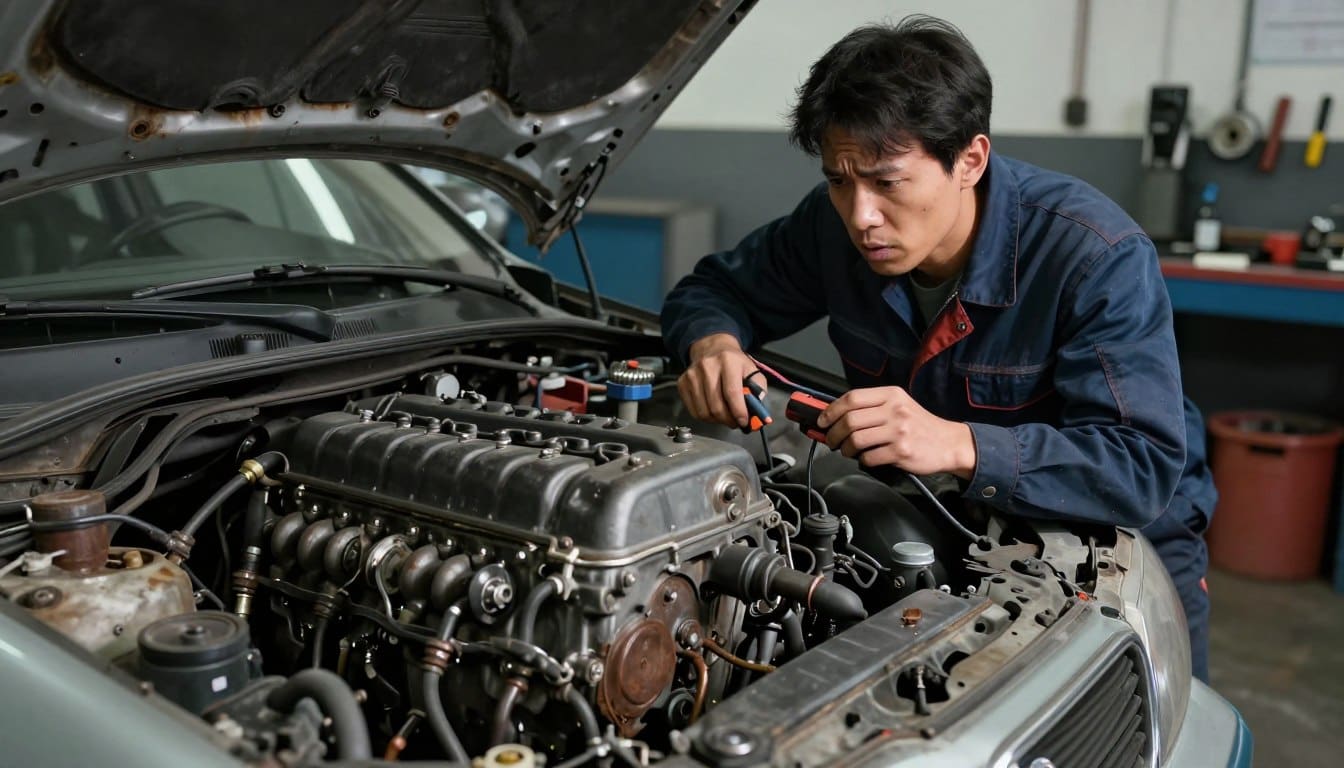
Your vehicle is a complex machine that relies on precise coordination to keep you moving safely. When something goes wrong under the hood, your car often attempts to communicate through subtle changes in performance or sound.
Recognizing the early signs of engine trouble is vital for maintaining your vehicle’s longevity. By catching these mechanical warnings before they escalate, you protect yourself from dangerous breakdowns and expensive repair bills.
Staying informed allows you to address minor issues before they turn into catastrophic failures. Whether it is an unusual noise or a flickering dashboard light, professional attention from a qualified technician can save you significant stress.
Understanding these critical indicators ensures your car remains reliable for years to come. Do not wait for a total breakdown to take action; proactive maintenance is the smartest way to manage your automotive health.
Key Takeaways
- Learn to identify subtle mechanical warnings early to prevent major damage.
- Prioritize regular inspections to ensure your safety on the road.
- Understand that minor repairs are significantly cheaper than full replacements.
- Pay close attention to unusual sounds, smells, or dashboard alerts.
- Consult a qualified technician immediately when performance changes occur.
Understanding the Critical Nature of Engine Health
A modern vehicle is a complex machine. Every part is important for your daily drive. They must work together for your car to be safe and reliable.
Your engine is like the heart of your car. Ignoring small engine trouble signs can lead to big problems. These problems can make driving unsafe.
Being proactive about engine health is key. Regular checks help protect your investment. They ensure your car lasts for many years.
Here’s why early detection is important:
| Maintenance Approach | Impact on Engine | Long-term Cost | Reliability |
|---|---|---|---|
| Proactive | Optimized performance | Low | High |
| Reactive | Increased wear | High | Low |
| Neglectful | Catastrophic failure | Very High | None |
Being proactive helps catch engine trouble signs early. Regular care keeps your engine running well. This saves you time and money.
Common Signs of Engine Trouble That Demand Attention
Knowing the signs your car gives can save you from big repairs. Many drivers miss small changes in their car’s behavior. These are often the first signs of engine trouble you should watch out for.
By paying attention, you can keep your car running smoothly. This way, you avoid the stress of a sudden breakdown.
Your car talks to you in different ways. You might hear unusual noises like tapping or grinding. Or, you might notice a sudden change in how the engine idles.
These signs are important warnings. They tell you that your car’s systems need a check-up. This can prevent a small problem from becoming a big one.
Don’t wait until it’s too late to act. If you see a flickering dashboard light or a drop in fuel efficiency, get help. Proactive maintenance is key to protecting your car and keeping you safe.
The Dangers of Ignoring a Persistent Check Engine Light
Your car talks to you through sensors, and the check engine light is its main way. When it lights up, it’s asking for a check-up. Many think it will go away by itself, but it won’t without fixing the problem.
Why Modern Sensors Are More Accurate Than Ever
Today’s cars have advanced computers that watch everything. These sensors are incredibly precise, catching tiny changes in fuel, air, and emissions. So, you can trust they’re not usually wrong.
When a code comes up, it shows you exactly where the problem is. This helps mechanics find and fix the issue fast. It saves time and avoids replacing parts you don’t need.
Distinguishing Between Minor Glitches and Major Failures
Not every light means a big problem. Sometimes, it’s just a loose gas cap. But, you should always check it out.
Big engine trouble signs might mean bad oxygen sensors, failing converters, or worn plugs. Ignoring these can damage your car or make it fail emissions tests. Prompt attention keeps your car safe and reliable.
Decoding the Sound of a Knocking Engine
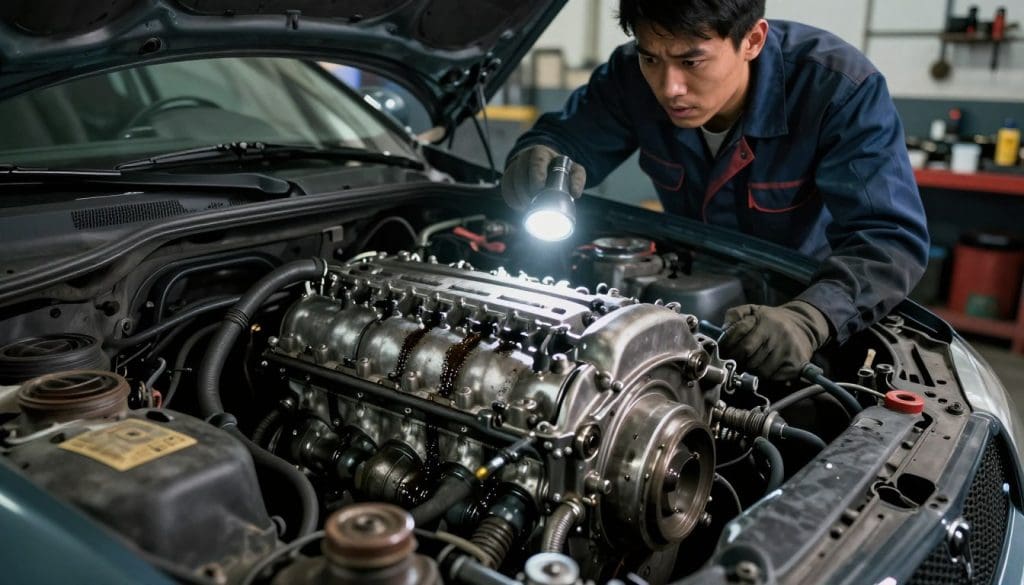
A knocking engine is a scary sound for drivers. When your car makes tapping or thumping noises, it’s a warning. These sounds mean your engine needs a check-up right away.
Identifying Rod Knock Versus Piston Slap
Knowing the difference in sounds can help you understand the problem. A deep thumping sound usually means rod knock, a serious issue. This sound gets louder when you speed up or load the car.
Piston slap sounds like a light tap. It happens when the engine is cold and goes away as it warms up. While not as bad as rod knock, it also means something’s wrong and needs fixing.
Why Internal Combustion Noise Escalates Quickly
Internal combustion noise gets worse fast because the engine can damage itself. When parts like bearings or pistons don’t fit right, they hit other parts hard. This leads to quick damage that can ruin the engine.
If you hear a knocking engine, stop and turn off the car. Driving with damaged parts can cause the engine to fail. Getting a professional to check it out is the best way to avoid a big repair bill.
Addressing the Symptoms of a Rough Idle
A smooth engine should be quiet and steady when your car is stopped. If it shakes or sputters at a traffic light, it’s a sign of trouble. This is called a rough idle and means your engine is having trouble.
Common Culprits Behind Shaky Performance
Many things can upset the engine’s balance. Often, it’s a problem with fuel or ignition. Worn spark plugs or clogged fuel injectors make the engine vibrate.
Also, a dirty air intake system can cause issues. A dirty throttle body or a faulty mass airflow sensor can confuse the engine. Fixing these problems early can stop bigger damage.
The Impact of Vacuum Leaks on Engine Stability
Vacuum leaks are another common problem. They happen when air gets into the intake manifold without being measured. This throws off the air-to-fuel ratio, causing a rough idle and possibly stalling the engine.
Without the right air mix, the engine can surge or hunt for the right RPM. Finding these leaks early is key to keeping your car running well and safely. Here’s a quick list of common issues that cause an unstable idle.
| Symptom | Potential Cause | Recommended Action |
|---|---|---|
| Constant Shaking | Worn Spark Plugs | Replace Ignition Set |
| Erratic RPM | Vacuum Leak | Inspect Intake Hoses |
| Stalling at Stops | Dirty Throttle Body | Clean Intake System |
| Hesitation | Clogged Fuel Filter | Replace Fuel Filter |
Loss of Power and Acceleration Issues
When your car struggles to accelerate, it’s a sign of trouble. A drop in performance, like a lack of usual pep, is a big warning. Ignoring these signs can cause serious mechanical problems later.
Your engine needs a perfect mix of air and fuel to work well. If this mix is off, pressing the gas pedal feels slow. Fixing these issues quickly is essential to avoid damage to important parts like the catalytic converter.
Fuel Delivery Problems and Clogged Filters
The fuel system must deliver the right amount of gasoline to the engine. A clogged fuel filter blocks fuel flow, making the engine struggle during acceleration. This can make driving feel jerky or hesitant.
Failing fuel pumps or injectors can also cause power loss. If fuel pressure is not steady, the engine can’t burn fuel efficiently. Keeping these parts clean and working well is key for a smooth ride.
Air Intake Restrictions and Sensor Malfunctions
Your engine also needs clean air to run right. A dirty air filter can block air, hurting the engine’s performance. Make sure to check your air intake system often to keep it clear.
Modern cars use sensors to check air-to-fuel ratio. If a mass airflow sensor or oxygen sensor fails, the engine computer gets bad data. This can make the engine burn fuel poorly and lose speed.
| Symptom | Potential Cause | Impact on Engine |
|---|---|---|
| Sluggish Acceleration | Clogged Fuel Filter | Reduced Power Output |
| Hesitation | Dirty Air Intake | Poor Combustion Efficiency |
| Rough Performance | Sensor Malfunction | Increased Emissions |
| Engine Misfire | Failing Spark Plugs | Internal Component Stress |
Unusual Exhaust Smoke Colors and What They Mean
Your car’s exhaust system is like a window into its engine’s health. By watching the color and density of the smoke, you can spot problems early. Understanding these visual cues is key for car owners.
Blue Smoke and Oil Consumption
Blue-tinted haze from your car means it’s burning oil. This usually happens when oil leaks into the engine.
Common reasons include:
- Worn piston rings that don’t seal well.
- Damaged valve stem seals letting oil into the intake.
- Too much oil pressure pushing it into wrong places.
White Smoke and Coolant Leaks
Thick white smoke means your engine is burning coolant. This is a serious problem that needs quick attention to avoid overheating.
A blown head gasket is usually to blame. When it fails, coolant gets into the engine and turns to steam, coming out through the exhaust.
Black Smoke and Fuel Mixture Imbalances
Dark, black smoke means your engine is running “rich.” This is when it uses too much fuel compared to air.
This imbalance can come from several issues:
- A faulty fuel injector that stays open too long.
- A clogged air filter that limits oxygen flow.
- Bad sensors, like the mass airflow sensor, sending wrong data.
| Smoke Color | Primary Cause | Urgency Level |
|---|---|---|
| Blue | Oil Consumption | Moderate |
| White | Coolant Leak | High |
| Black | Fuel Mixture | Moderate |
The Role of Fluid Leaks in Engine Degradation
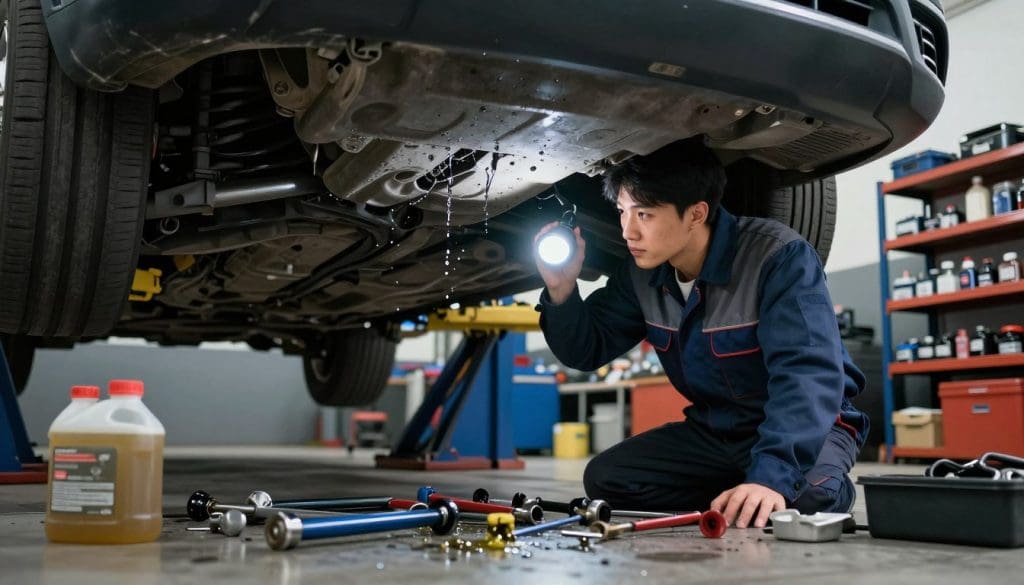
Seeing a puddle under your car is bad news for your engine. Your car needs pressurized fluids to run well. Losing these fluids can cause mechanical degradation fast. It’s key to fix leaks quickly to prevent engine damage.
Identifying Oil Leaks Under Your Vehicle
Engine oil keeps your car’s parts moving smoothly. If you see dark brown or black oil on the garage floor, it’s an engine oil leak. These leaks usually come from old gaskets, loose plugs, or broken oil seals.
Not fixing these leaks can lead to low oil levels. This causes more friction and heat in the engine. Regularly checking your oil level can help catch leaks early.
Coolant Leaks and the Risk of Overheating
Coolant leaks are a big risk for your engine’s safety. Coolant is bright green, pink, or orange and smells sweet. Losing coolant can cause catastrophic overheating.
Without enough coolant, your engine can’t cool down. This can damage cylinder heads or blow head gaskets. These repairs are extremely expensive. If you see these puddles, get help fast to save your engine.
Engine Overheating and Cooling System Failures
When your temperature gauge goes up, it’s a big engine warning you can’t ignore. Your car needs a good cooling system to stay cool. If the needle hits the red, pull over fast to avoid damage.
The Importance of Thermostat Functionality
The thermostat controls coolant flow in your engine. It closes when cold to warm up fast, then opens to cool down. A stuck thermostat can cause heat buildup, leading to a engine warning.
Radiator Blockages and Water Pump Wear
Your radiator cools the engine by releasing heat. But, dirt or sludge can block it. The water pump pushes coolant through the engine. If it wears out, your engine will overheat fast.
Here’s a table showing common cooling system problems and their effects:
| Component | Common Failure | Primary Symptom | Risk Level |
|---|---|---|---|
| Thermostat | Stuck Closed | Rapid Overheating | High |
| Radiator | External Clogging | High Idle Temps | Medium |
| Water Pump | Impeller Wear | Coolant Circulation Loss | Critical |
| Coolant | Low Fluid Level | Temperature Spikes | High |
Keep an eye on your dashboard for engine warning lights. Fixing cooling system problems early can save you money and keep your car running well.
Strange Odors Inside the Cabin
If you smell something odd while driving, your car might be trying to tell you something. The inside of your car should always smell neutral, without any strong or chemical smells. When you notice strange smells, it’s usually a sign of an early engine warning that you need to check right away.
Detecting Burning Oil or Rubber Smells
A sharp, acrid smell often means there’s a problem under the hood. If it smells like burning rubber, it might mean a drive belt is slipping or rubbing. This can cause heat and might lead to a engine warning if the belt breaks while driving.
On the other hand, burning oil smells usually mean oil is leaking onto hot parts, like the exhaust manifold. A sweet, syrupy smell can mean your cooling system is leaking. Don’t ignore these smells, as they often mean bigger problems are coming.
Exhaust Fumes and Possible Safety Risks
The most dangerous smell is raw exhaust fumes inside your car. This means there’s a leak in the exhaust system, letting harmful gases into the cabin. These fumes can contain carbon monoxide, which is very dangerous to you and your passengers.
If you smell these fumes, you need to get help right away. A professional can check your car and find where the leak is. Fixing these odors quickly is key to keeping your engine warning system working and your car reliable for a long time.
Decreased Fuel Economy as a Diagnostic Tool
Watching your fuel economy is a great way to spot early engine trouble signs. Many see a drop in gas mileage as just a hassle. But, it’s often a sign of deeper mechanical issues.
By tracking your miles per gallon, you can catch problems before they get worse. This helps avoid a complete engine breakdown.
How Efficiency Drops Signal Mechanical Wear
When your engine can’t burn fuel well, it uses more gas to keep running. This is often due to neglected maintenance items. For example, a clogged air filter limits oxygen for burning fuel, making the engine work harder.
Worn-out spark plugs or failing oxygen sensors are also common causes. These parts help keep the right air-to-fuel mix. When they fail, your car shows engine trouble signs that cost you money. Fixing these problems early can save you money on fuel and keep your car running well.
The table below shows how failing parts affect fuel economy and what to look for:
| Component | Common Failure Symptom | Impact on Efficiency |
|---|---|---|
| Air Filter | Restricted airflow | High |
| Spark Plugs | Misfiring cylinders | Moderate |
| Oxygen Sensor | Incorrect fuel mixture | Very High |
| Fuel Injectors | Poor spray pattern | High |
Ignoring these subtle warnings can cause more damage in the engine. Treating low fuel economy as a serious issue helps your engine. Being proactive keeps your car running well for a long time.
The Importance of Professional Engine Repair San Antonio
Your car is a complex machine that needs special care when problems come up. It might seem easy to fix things yourself, but getting engine repair San Antonio from pros is safer. It keeps your car safe on the road.
Why DIY Diagnostics Can Lead to Costly Mistakes
Trying to figure out engine problems without the right skills often leads to misdiagnosis. You might end up replacing parts that work fine, while the real issue is hidden.
This way of trying to fix things can cost a lot and waste time. Choosing engine repair San Antonio from experts saves you from guessing. It makes sure your money is well spent on real fixes.
The Value of Certified Technician Expertise
Certified technicians have years of training and real-world experience. They use advanced tools to find problems fast. This means they can quickly find and fix the issue.
This precision is key to keeping your car running well for a long time. Getting engine repair San Antonio from experts gives you peace of mind. You know your car is in good hands with someone who knows cars inside out.
Technological Advancements in Engine Diagnostics
Modern car repair has moved from guesswork to high-tech precision. Mechanics used to rely on manual checks and intuition. Now, advanced diagnostic tools let them talk directly to your car’s computer.
This digital link gives a clear view into your car’s performance. By looking at specific trouble codes, experts can spot problems early. This efficiency saves you time and money at the shop.
How Computerized Scanning Pinpoints Hidden Issues
Computer scanning is great for finding complex internal sounds. For example, if you hear a knocking engine, a scanner can find the source. This avoids unnecessary repairs and targets the real problem.
These tools can tell apart small electrical issues from big mechanical problems. Whether it’s a sensor glitch or a serious knocking engine issue, the scanner’s data is key. It helps create a detailed repair plan to get your car running smoothly again.
| Diagnostic Method | Accuracy Level | Repair Speed |
|---|---|---|
| Manual Inspection | Moderate | Slow |
| Computerized Scanning | High | Fast |
| Predictive Analysis | Very High | Immediate |
Preventative Maintenance Strategies for Longevity
Smart drivers know that preventative maintenance is key to a long-lasting vehicle. By being proactive, you protect your engine and avoid unexpected breakdowns. Regular care keeps your car reliable for your daily drives.
Ignoring small signs can lead to big problems, like a rough idle or losing power. A routine helps catch these issues early, saving you from costly repairs. Regular check-ups are essential for your car’s top performance over time.
Adhering to Manufacturer Service Intervals
Your owner’s manual is your guide to engine health. Sticking to the recommended service times prevents mechanical failures. These schedules are designed to meet your engine’s specific needs at key mileage points.
Skipping these visits can hide damage until it’s too late. Following the factory guidelines ensures your engine gets the right care. This keeps it running well and maintains its value.
The Role of Quality Fluids and Filters
Quality fluids and filters are vital for your engine. Clean oil reduces friction, and clean filters stop debris from causing problems. Using top-notch products keeps your engine clean and running at the right temperature.
Choosing premium components protects your engine from heat and contamination. Regularly replacing these items prevents sludge buildup. This saves you from expensive repairs later on.
| Maintenance Task | Frequency | Primary Benefit |
|---|---|---|
| Oil and Filter Change | Every 5,000 Miles | Reduces Internal Friction |
| Air Filter Replacement | Every 15,000 Miles | Improves Fuel Efficiency |
| Coolant System Flush | Every 30,000 Miles | Prevents Engine Overheating |
| Spark Plug Inspection | Every 60,000 Miles | Ensures Smooth Ignition |
The Heaven Automotive Advantage in San Antonio
Your search for dependable engine repair San Antonio ends with our dedicated team. We know that car troubles cause stress. That’s why we offer clear communication and reliable fixes for every customer.
Our Commitment to Quality Service at 6645 Poss Rd. San Antonio, TX 78238
At Heaven Automotive, we’re all about top-notch care for your vehicle. Our place is at 6645 Poss Rd. San Antonio, TX 78238. We use the latest tech to make sure your engine gets the best care.
We think quality service is about trust and knowing what you’re doing. When you pick us, you get:
- Certified techs with lots of experience in engine checks.
- Top-notch equipment to find and fix hidden problems fast.
- Clear prices and honest talks about what your car needs.
- Our promise to use only the best parts for lasting results.
How to Reach Our Team at (210) 682-3898 for Immediate Assistance
Got car worries or see something odd? Don’t let it get worse. Call our friendly team at (210) 682-3898 for quick help and advice. We’re here to get you back on the road safely and fast.
Hire Heaven Automotive to fix your vehicle
Choosing the right place for engine repair San Antonio is key to keeping your car running long. Our experts can handle small tweaks or big repairs with the care your car needs. Hire Heaven Automotive for a difference you can feel.
Conclusion
Your car engine is the heart of your vehicle. Taking care of it means you can travel safely and reliably for years.
By catching small problems early, you can avoid big, costly repairs. This saves you time and money in the long run.
Keep an eye on unusual sounds, smells, and dashboard lights. Acting quickly helps your car run better and keeps your investment safe.
For expert help, contact Heaven Automotive. Their team is ready to fix your car and keep you on the road.