

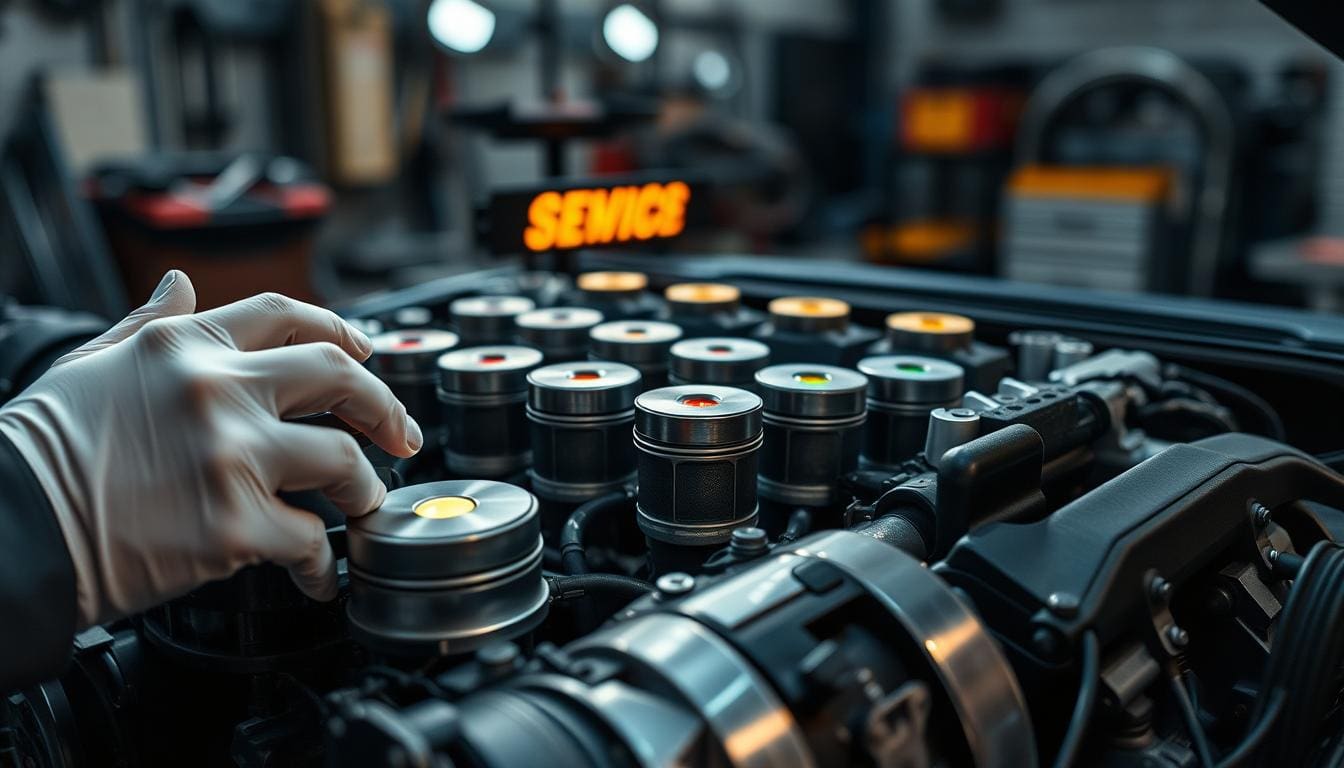
If you hear a persistent knock from your car, it can be alarming. That tapping often signals the motor is under stress and needs prompt attention. You should act quickly to avoid costly repairs and maintain safe operation.
Common causes range from fuel and ignition issues to worn mechanical parts. Low oil or bad timing can lead to pre-ignition or detonation that produces a knocking sound. Left unchecked, these faults may cause severe damage and higher repair bills.
A trained technician can diagnose the specific problem and recommend fixes. For a useful overview of likely causes and next steps, see this guide on common causes of loud engine noises.
Key Takeaways
- Hearing a persistent knock means you should have your car inspected promptly.
- Fuel and ignition faults often create audible symptoms that point to timing issues.
- Low oil or failing components can turn a small tap into major repairs.
- Professional diagnosis helps target the right repairs and avoid repeat problems.
- Early action protects performance, safety, and long-term value of your vehicle.
Understanding the Engine Knocking Noise
Early observers compared the metallic tap under the hood to metal struck by a hammer. In 1914 the Lodge Brothers described this exact sound on motorcycles, and their note helped name the problem you might be hearing today.
Between 1916 and 1919, Harry Ricardo ran key tests to explain why some aircraft motors failed from abnormal combustion. His work showed how uncontrolled detonation harms parts over time.
At its core, a knock happens when the air-fuel mixture does not burn in a controlled way. If the spark or ignition timing fires at the wrong moment, the mixture can explode instead of burn smoothly. That creates the metallic sound you notice.
- Incorrect ignition timing often causes the loudest, most damaging knocks.
- Lean or rich fuel mixtures upset combustion balance and raise the risk of an engine knock.
- Maintaining correct air intake and spark timing protects internal components and reduces repeat problems.
Common Mechanical and Fuel Causes
Several routine faults in your vehicle can produce a tapping sound that signals a deeper problem. Below are the most frequent mechanical and fuel-related causes and what to check first.
Faulty Spark Plugs
Worn or fouled spark plugs fail to ignite the air-fuel mixture at the right time. That missed spark can produce a telltale tap and reduce performance.
Manufacturers typically recommend replacing plugs every 30,000 to 100,000 miles depending on type. Replacing worn plugs is a simple service that often stops an engine knock and restores fuel efficiency.
Low Octane Fuel
Using low octane gas can cause pre-ignition. Pre-ignition forces the motor to work harder and may lead to an engine knock if left unchecked.
Consult your owner’s manual for the correct fuel grade to avoid this cause of damage over time.
Carbon Deposits
Carbon buildup in the combustion chamber creates hot spots that disturb combustion and may trigger a knock.
- Deposits accumulate on valves, pistons, and chambers.
- Regular service and tune-ups reduce buildup and protect components.
- Technicians can inspect cylinders to confirm if carbon deposits are the primary cause.
If you suspect any of these issues, book a service promptly. Quick action can prevent overheating and larger repairs.
How Combustion Issues Impact Your Vehicle
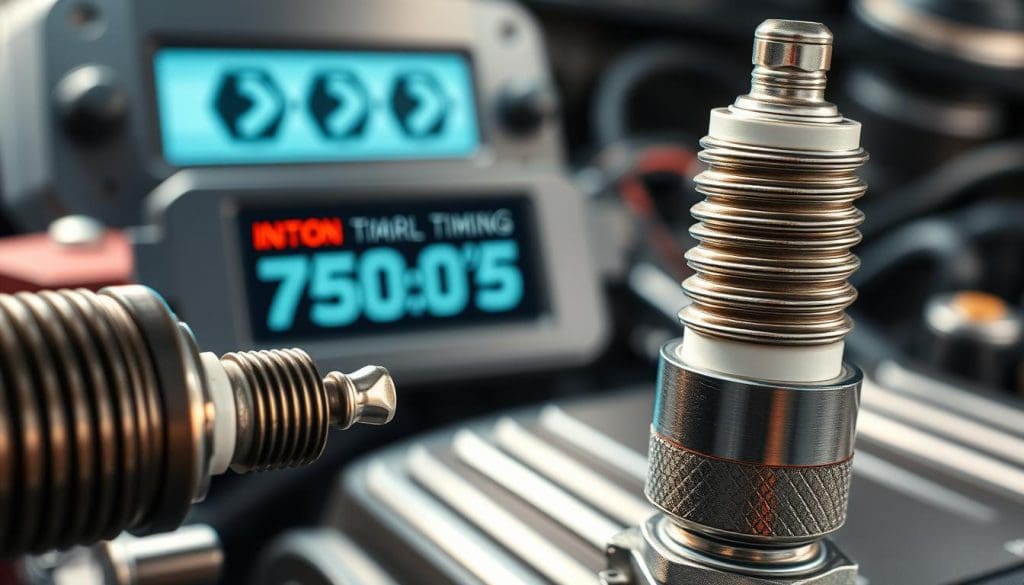
Proper combustion timing directly affects how your vehicle performs under load. When timing is right, the spark plug ignites the air-fuel mixture about 10 to 40 crankshaft degrees before top dead center. That timing creates peak pressure at the correct moment for best power.
The Role of Ignition Timing
Timing that is too advanced makes the spark fire early. That early burn can cause the engine knock and place extra stress on pistons and bearings.
If combustion is not optimized, you will notice lower power and worse fuel economy. Incomplete burning leaves unspent fuel in the combustion chamber and wastes fuel.
- Healthy spark plugs help the system with consistent ignition under load.
- Correct octane prevents premature detonation that can cause an engine knock.
- Balanced air-fuel mixture supports smooth combustion and protects components over time.
Adjusting ignition timing and using the right fuel grade often resolves a knocking condition. Regular checks of the spark plugs and timing settings help keep your car running efficiently and reduce the risk of a serious engine issue.
Diagnostic and Preventative Maintenance Steps
Start your diagnosis by listening carefully and noting when the sound appears—idle, acceleration, or load. That detail helps technicians narrow the cause and pick the right tests.
Begin with simple checks you can do quickly. Verify oil level, confirm the recommended octane in your owner’s manual, and inspect visible spark plugs or wiring. Poor fuel quality and old plugs are common, fixable causes.
- Have a qualified technician run a diagnostic test to see if spark plugs or fuel quality cause an engine knock.
- Use scheduled service to prevent carbon deposits and carbon buildup in the combustion chamber.
- Specialized tools can monitor the air-fuel mixture and ignition timing to confirm proper combustion.
- Replace worn plugs and clean deposits to restore performance and stop recurring tapping sounds.
If your vehicle overheats, seek repairs immediately. Overheating can signal severe buildup or sensor faults that lead to catastrophic failure if ignored.
Conclusion
Catch small symptoms early to protect your car from bigger, costlier repairs.
Addressing an engine knock early preserves performance and helps avoid harmful carbon buildup that leads to major repairs. Proper fuel choices and routine service stop many common causes before they worsen.
If collision damage affects your vehicle’s body or engine, Miracle Body and Paint Collision Center can help. Hire them to fix engine and body issues and get back on the road safely.
We have two locations in San Antonio to serve you:
North West San Antonio – Leon Valley
6217 Grissom Rd.
San Antonio, TX 78238
(210) 680-1987
North East San Antonio
4650 Walzem Rd.
San Antonio, TX 78218
(210) 858-3630