

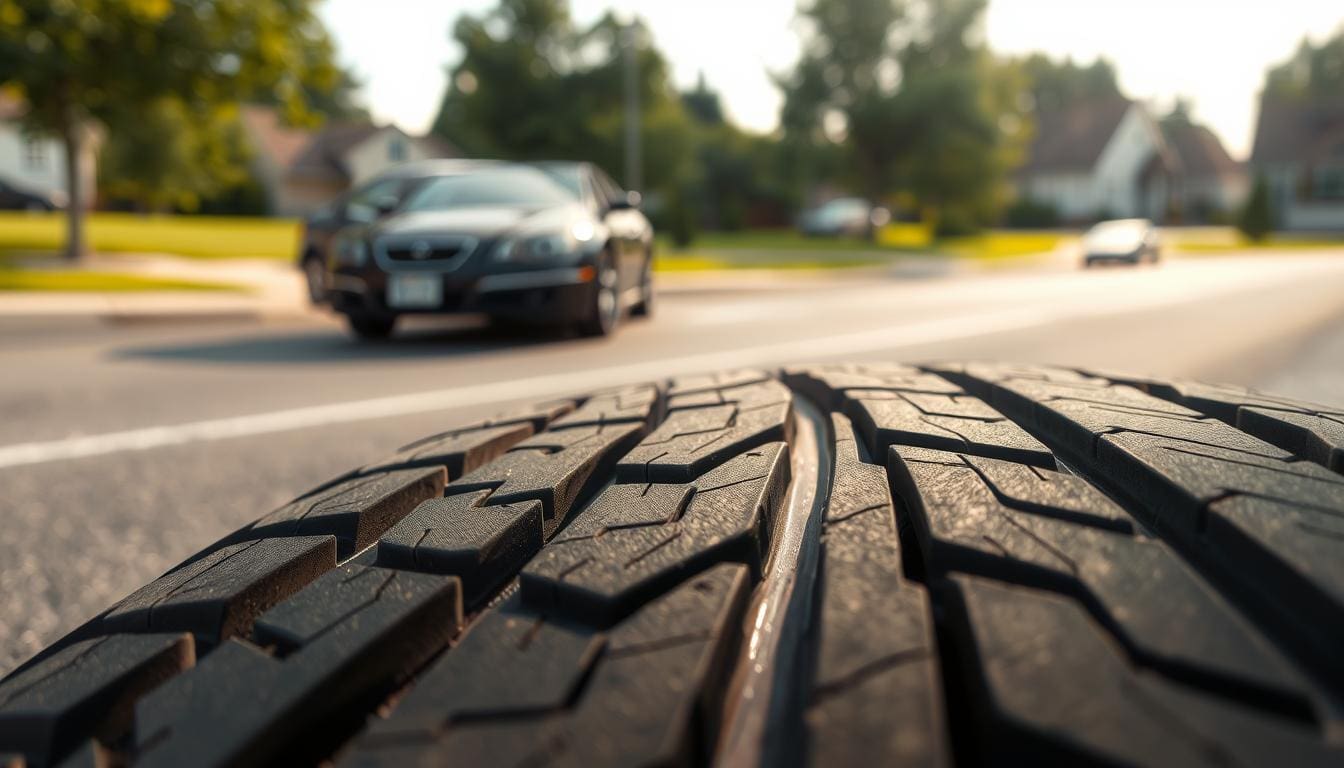
Your tires are the only parts of your vehicle that touch the road. That steady contact shapes handling, braking, and steering. When the tread removes irregularly, it signals a problem that needs a pro inspection.
Recognizing signs early can save you money and keep you safe. Low inflation, misalignment, bad balance, or worn suspension parts often cause one side to wear faster. You can check treads and tire pressure regularly to spot issues.
Miracle Body and Paint Collision Center offers expert checks at two San Antonio locations. Visit 6217 Grissom Rd. or 4650 Walzem Rd, or call (210) 680-1987 or (210) 858-3630 for an inspection and repair advice.
Key Takeaways
- Irregular tread signals a mechanical or pressure problem.
- Check tire pressure and rotation as part of regular maintenance.
- Alignment and suspension faults can cause rapid edge damage.
- Professional inspection prevents costly damage to wheels and steering.
- Contact Miracle Body and Paint Collision Center for a fast evaluation.
Understanding the Signs of Uneven Tire Wear
Small changes in tread patterns can tell you a lot about your vehicle’s health. Scan each tire edge and the center of the tread for differences in depth. Misaligned wheels often show reduced rubber depth on one side compared to a correctly set wheel.
If the inner edge of a tire wears faster than the outer areas, that inside wear usually points to alignment or suspension problems. You may also notice your vehicle pulling to one side while you drive on a flat road.
Regular checks help you catch these signs early. Bring your car to Miracle Body and Paint Collision Center for a professional assessment at either 6217 Grissom Rd., call (210) 680-1987, or 4650 Walzem Rd, call (210) 858-3630.
- Our experts decode common wear patterns to find the root cause.
- At the Leon Valley shop we measure tread depth and inspect alignment.
- North East San Antonio uses advanced tools to spot irregularities fast.
- If your vehicle pulls, call (210) 858-3630 to check suspension and steering.
How Driving Habits Impact Your Tires
Your driving style directly affects tread life and safety. Slamming brakes, sudden acceleration, and hard cornering create concentrated stress. Over time that stress appears as clear patterns on your tires.
Aggressive Maneuvers
Aggressive Maneuvers
Rapid starts and abrupt turns can cause flat-spotting and rapid tread loss in small areas. This kind of tire wear and wear patterns often forces early replacement or repair.
If you drive aggressively in North West San Antonio, call (210) 680-1987 so Miracle Body and Paint Collision Center can inspect for structural damage.
Road Hazard Avoidance
Road Hazard Avoidance
Hitting potholes or curbs may damage the internal casing and sidewall, causing bulges or sudden failure. Road debris also cuts and punctures the tread and can hide deeper damage.
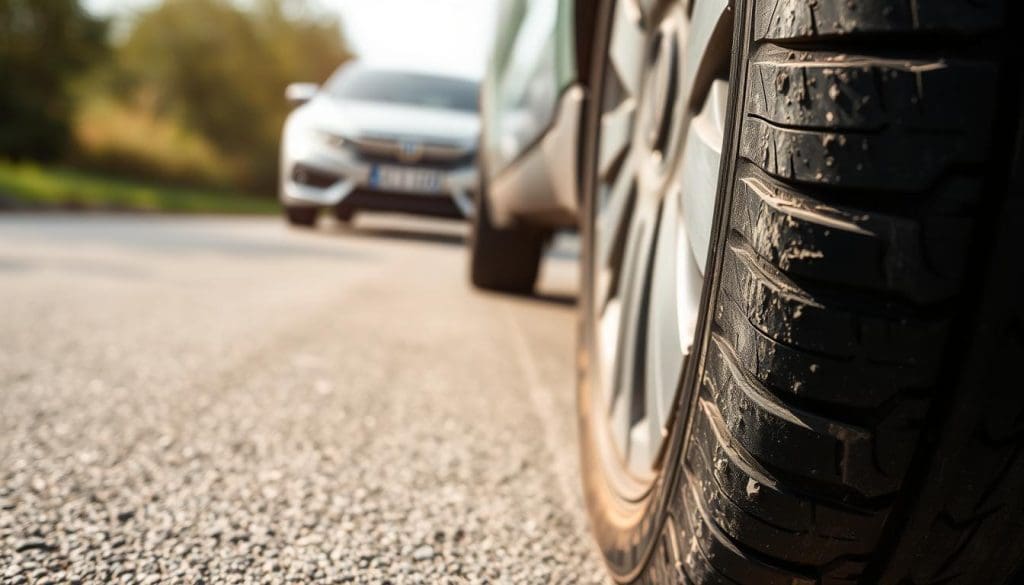
- Aggressive driving habits, such as slamming on brakes, can cause uneven tire wear that Miracle Body and Paint Collision Center can repair.
- Technicians at 6217 Grissom Rd. advise that avoiding potholes helps maintain your tire tread integrity. Call (210) 680-1987.
- Visit 4650 Walzem Rd for an assessment if your driving habits have produced premature wear patterns. Call (210) 858-3630.
- Proper inflation and regular rotation reduce the risk of concentrated tread loss and extend tire life.
Takeaway: Adjusting your driving habits and checking tire pressure regularly prevents many common types of damage. Schedule an inspection at Miracle Body and Paint Collision Center to protect your vehicle and your budget.
The Role of Wheel Alignment and Suspension
Proper alignment and a healthy suspension keep your wheels tracking true and your tread contact consistent. That combo preserves handling, reduces vibration, and extends the life of your tires.
The Importance of Proper Alignment
Correct alignment ensures each tire meets the road at the right angle. When alignment is off, you get rapid tread loss and poor balance.
Miracle Body and Paint Collision Center at 6217 Grissom Rd. performs expert wheel alignment to keep your vehicle stable. Call (210) 680-1987 for service.
Worn Shocks and Struts
Shocks and struts keep the tire-to-road contact steady. When these parts are worn, cupping or scalloping can form and vibration may increase.
Our team can replace worn suspension components to restore a smooth ride and protect your tires. Contact (210) 680-1987 for checks and repairs.
Steering Component Integrity
Ball joints, tie rod ends, and control arms hold the wheel in place. If steering feels loose, those parts need inspection.
- Visit 4650 Walzem Rd for a full suspension and steering check — call (210) 858-3630.
- Proper alignment and high-quality parts from Miracle Body and Paint Collision Center prevent further damage and preserve tread life.
Identifying Pressure and Inflation Issues
Monitoring air pressure helps you spot early signs of abnormal tread patterns before damage sets in.
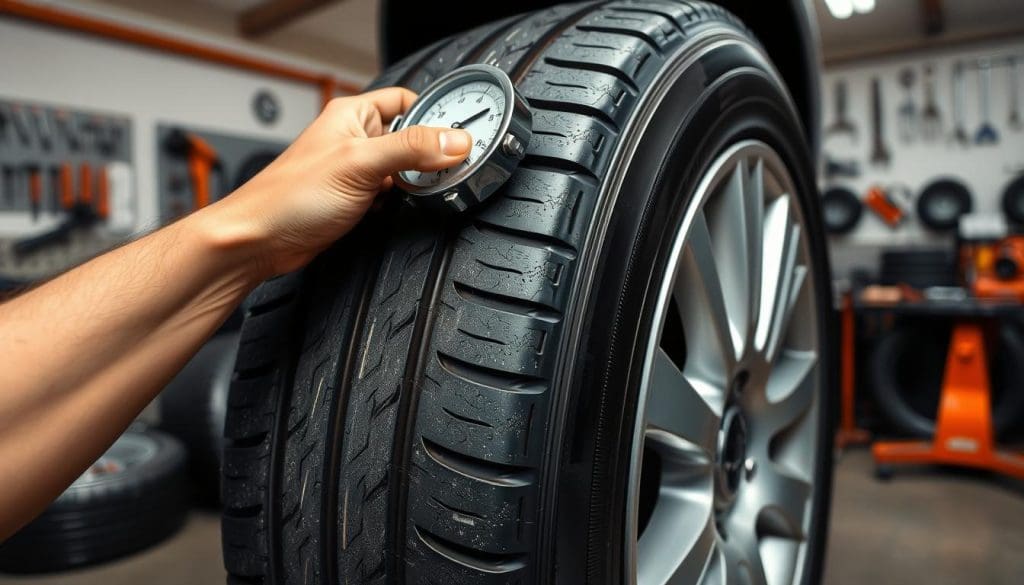
Over-inflation concentrates load at the center of the tread. When that happens, the center shows more wear and your fuel economy may improve briefly but service life drops.
Under-inflation makes the two outer edges carry more load. That causes the side edges to degrade faster and increases rolling resistance.
Check your tire pressure once a month and before long trips. Use the vehicle placard for correct inflation values, not the number printed on the sidewall.
- 6217 Grissom Rd. — call (210) 680-1987 for center wear or inflation adjustments.
- 4650 Walzem Rd. — call (210) 858-3630 for quick pressure checks at our North East San Antonio location.
- Proper inflation is one of the leading causes of irregular tread patterns; our technicians help you set the right pressure to prevent further damage.
Detecting Structural Damage and Wheel Defects
A sudden vibration or wobble can signal more than an alignment issue — it may mean a bent rim or a cracked wheel.
Structural faults often show up as odd tread patterns and persistent shaking while you drive.
Identifying Bent or Cracked Rims
Hitting a pothole can bend a steel or aluminum rim or cause a crack. That damage creates vibration and can cause rapid tire wear.
An unbalanced wheel and tire assembly will wobble or hop. This motion creates cupping and other abnormal patterns across your tires.
- 6217 Grissom Rd. — we inspect wheels for cracks or bends that cause vibration. Call (210) 680-1987.
- If you suspect structural damage to rims, call (210) 680-1987 for a detailed wheel assessment by our technicians.
- 4650 Walzem Rd. — our North East San Antonio shop finds worn suspension components that may mask wheel defects. Call (210) 858-3630.
- We use specialized equipment to detect bent wheels, check steering and suspension parts, and repair or replace damaged wheels to keep your vehicle safe.
Using Tread Indicators to Monitor Health
Small molded bars in the tread grooves tell you when grip has dropped below safe levels. Most passenger tires include these wear bars to show the end of useful life. When the tread meets the bars, wet traction and braking suffer significantly.
Check the grooves across all four tires regularly. Visible bars mean it’s time to call a pro. Proper tire pressure and regular rotation help keep the tread depth even across the whole surface.
- Miracle Body and Paint Collision Center at 6217 Grissom Rd. teaches you how to read tread indicators. Call (210) 680-1987.
- If the bars are visible, call (210) 680-1987 to have our experts assess replacement needs and safety.
- Visit our North East San Antonio shop at 4650 Walzem Rd. for rotation and tread depth checks — (210) 858-3630.
- Proper maintenance, correct tire pressure, and professional measurement keep your vehicle safe in all conditions.
Trust our team to identify if your tires are past service limits or if simple maintenance will extend life. We give honest advice on replacement or repair and confirm that your tread meets manufacturer standards.
Deciding Between Tire Repair and Replacement
Start with a clear inspection of tread depth and sidewall condition. If damage is superficial and the structure is intact, a targeted repair can save you time and money.
Replace immediately if you find a sidewall bubble, major cuts, or severe tread loss. Those conditions create real safety risks and require new tires without delay.
Address the root cause before fitting new rubber. Proper alignment, balance, and checks of suspension components protect your next set of tires and improve ride quality.
- 6217 Grissom Rd. — our team helps you decide between repair or full replacement. Call (210) 680-1987.
- 4650 Walzem Rd. — we diagnose misalignment, worn suspension, and other causes so the problem won’t return. Call (210) 858-3630.
- We perform rotation and balance to extend tread life and reduce vibration after repairs or installation.
Trust our technicians to recommend the safest, most cost-effective option for your vehicle based on inspection, pressure checks, and service history.
Conclusion
Early diagnosis of irregular tread patterns keeps your vehicle safer and more efficient.
Addressing uneven tire wear early is the best way to protect handling, braking, and your budget.
Regular inspections at Miracle Body and Paint Collision Center can prevent premature replacement and costly suspension repairs. Hire our team to fix collision repair damage on your vehicle and restore performance.
Locations: 6217 Grissom Rd. — (210) 680-1987; 4650 Walzem Rd. — (210) 858-3630. Call to schedule a professional inspection.
Learn more about when to replace tires at signs it’s time to replace your.